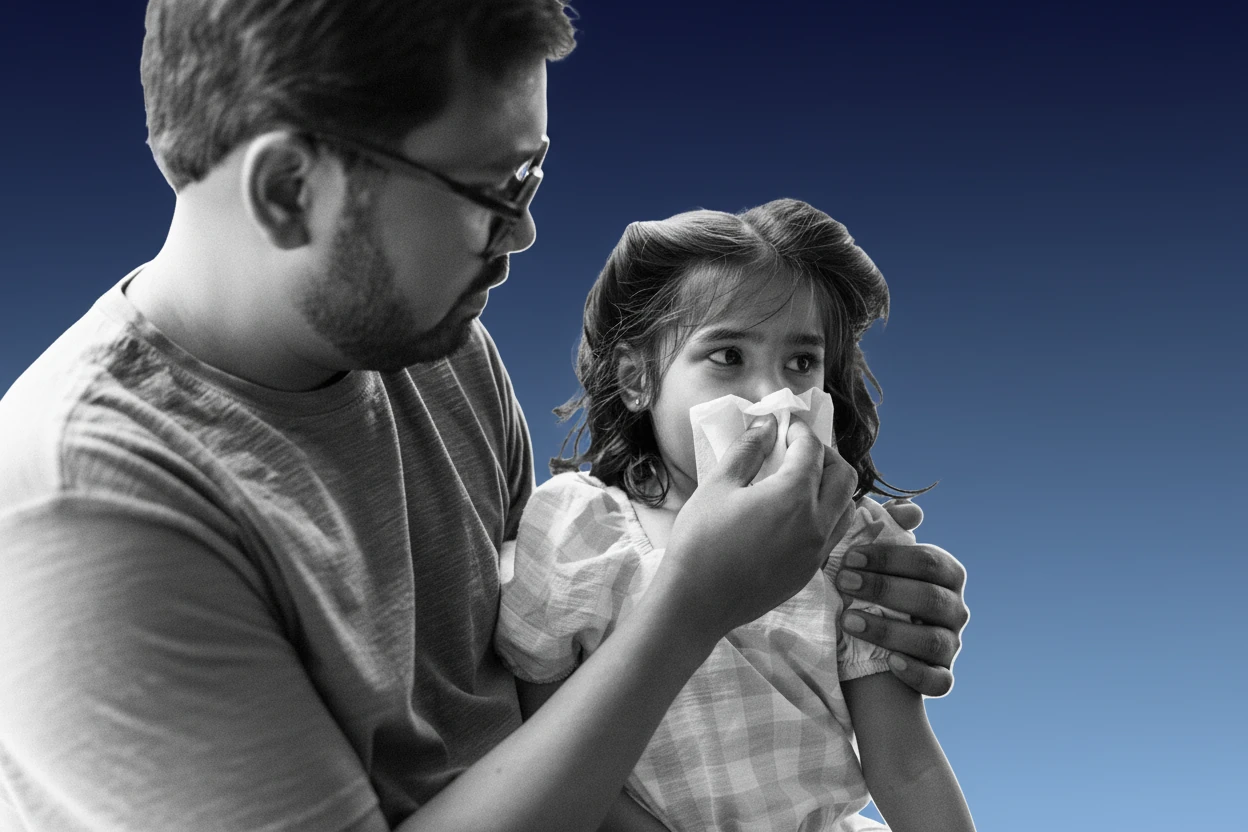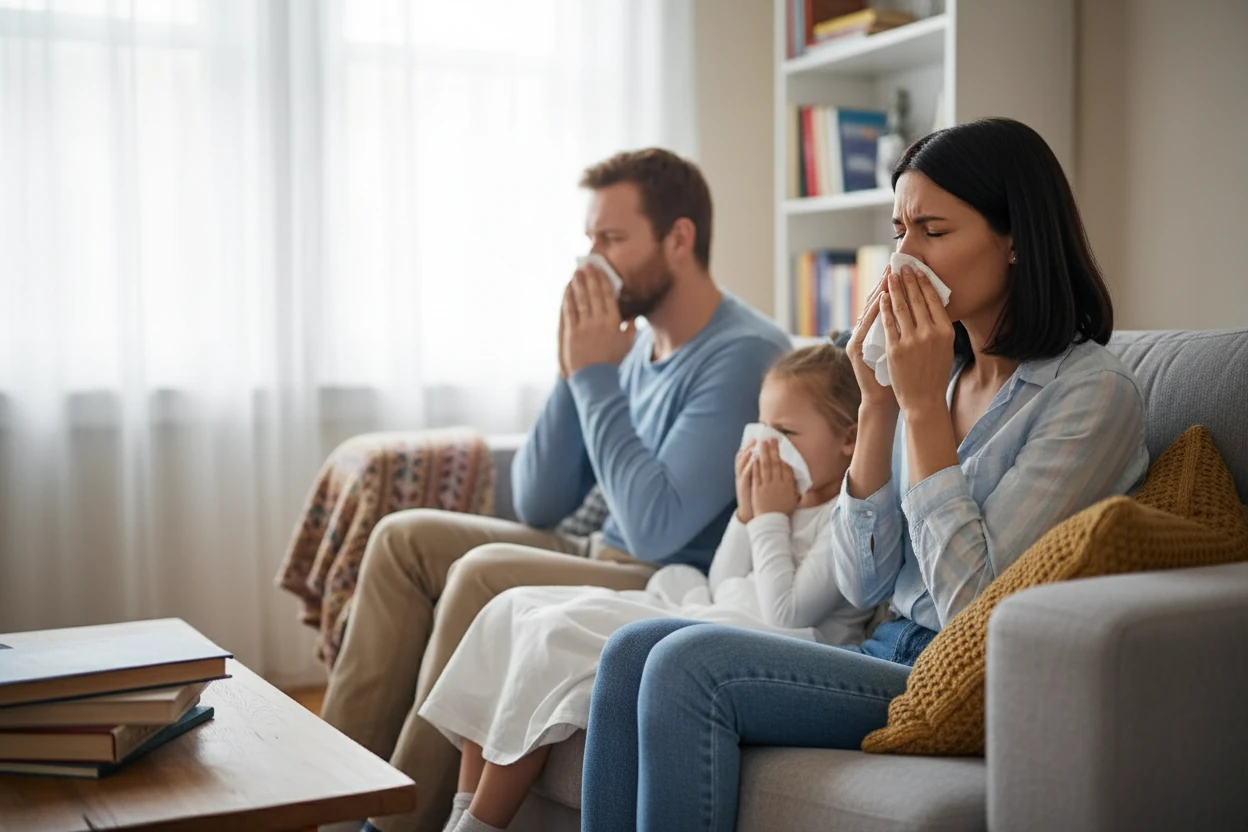
Low-grade fever is a common condition characterized by a mild elevation in body temperature that often signals the body's response to infection or illness1. While it usually does not indicate a severe problem, persistent or unusual fevers may require medical attention2. Understanding the symptoms, causes, and appropriate treatment of low-grade fever can help individuals manage this condition effectively3.
Signs and Symptoms of a Low-Grade Fever
A low-grade fever typically refers to a body temperature slightly above normal but below the threshold of high fever. It is often defined as a temperature between 99.1°F and 100.4°F (37.3°C to 38.0°C)451. Normal body temperature varies widely among individuals, ranging from 97°F to 99°F (36.1°C to 37.2°C), influenced by factors such as age, time of day, and measurement site67. Because of this variability, what constitutes a fever can differ from person to person based on their baseline temperature89.
Common symptoms accompanying a low-grade fever include:
- Warm or flushed skin103
- Chills, shivering, or rigors51
- Sweating53
- Headaches and muscle aches13
- Fatigue or general malaise13
- Increased thirst and dehydration signs, especially in children1011
In children, additional signs may include fussiness, lack of appetite, earache or pulling at the ears, and decreased urination107. Fever symptoms often reflect the body's immune response to infection or inflammation and may vary in intensity.
A low-grade fever is a mild temperature elevation that may last more than 24 hours and often signals the body fighting off infection or illness. It is important to monitor symptoms, especially in infants and young children, as they may be more sensitive to temperature changes112.
Common Causes of Low-Grade Fever
Low-grade fever can arise from a variety of causes, most commonly infections. These include bacterial, viral, and parasitic infections121314. Respiratory infections such as the common cold, influenza, COVID-19, viral pneumonia, and bronchitis are frequent culprits1415. Urinary tract infections (UTIs) are another common cause, especially in adults, and may present with fever alongside urinary symptoms14.
Other causes include:
- Autoimmune and inflammatory diseases, such as rheumatoid arthritis and multiple sclerosis, which often present with persistent low-grade fever162
- Drug-induced fever, caused by medications like antihistamines and anticonvulsants, typically appearing 7 to 10 days after starting the drug1211
- Hematologic malignancies such as leukemia and lymphomas, which may cause unexplained persistent low-grade fever1611
- Vaccinations, which can sometimes cause transient low-grade fever, especially in infants177
- Chronic emotional stress, which may induce psychogenic fever, particularly in young women11
Age also influences fever response; older adults often have a diminished febrile response, making low-grade or absent fever more common in this group186.
Treatment for Low-Grade Fever
Treatment of low-grade fever primarily focuses on symptom relief and supporting the body's natural immune response193. Mild fevers below 101°F (38.3°C) often do not require medication and can be managed with rest and hydration1915. Drinking plenty of fluids helps prevent dehydration, which is a common complication of fever1120.
Non-pharmacologic measures include:
- Tepid sponging or lukewarm baths to help lower body temperature1920
- Wearing light clothing and using light bedding to avoid overheating193
When medication is needed, over-the-counter antipyretics such as acetaminophen (paracetamol) and ibuprofen are effective in reducing fever and associated discomfort193. However, ibuprofen is generally avoided in infants younger than 6 months unless directed by a healthcare provider197. Aspirin should not be given to children or teenagers due to the risk of Reye's syndrome37.
Fever intensity does not reliably indicate the severity of infection, so treatment decisions should be based on overall symptoms and patient condition rather than temperature alone1215.
If the temperature is not high, it does not necessarily need to be treated with medication15.
When to See a Doctor for a Fever
Adults
Most mild fevers in adults resolve without medical intervention. Rest and hydration are usually sufficient for fevers below 102°F (38.9°C)217. However, adults should seek medical advice if:
- Fever persists for more than three days217
- Temperature reaches or exceeds 103°F (39.4°C)1521
- Fever is accompanied by severe headache, stiff neck, shortness of breath, confusion, or other unusual symptoms1521
- There is a history of chronic illness such as diabetes, heart disease, or lung disease2215
- New rash or bruising appears227
- Painful urination or other signs of urinary infection occur2214
- Recent travel to areas with exotic infections127
| Aspect | Details | Reference |
|---|---|---|
| Normal body temperature | 97°F to 99°F (36.1°C to 37.2°C) | 46 |
| Low-grade fever range | 99.1°F to 100.4°F (37.3°C to 38.0°C) | 45 |
| Fever threshold | ≥ 100.4°F (38°C) | 2224 |
| Common causes | Infections, autoimmune, malignancy, drugs | 1213 |
| Treatment | Rest, fluids, acetaminophen/ibuprofen | 193 |
Emergency care is warranted for fever with seizures, severe abdominal pain, difficulty breathing, or inability to stay hydrated1521.
Infants and Children
Another reason to seek medical attention is if you do not feel right about how things are going15.
Fever in infants and children requires careful monitoring. For infants under 3 months, a rectal temperature of 100.4°F (38°C) or higher warrants immediate medical evaluation regardless of other symptoms721. For children aged 3 to 6 months with fever up to 102°F (38.9°C), rest and fluids are advised, but medical advice should be sought if fever persists beyond one day or does not respond to medication7.
Children aged 2 to 17 years with fever up to 102°F (38.9°C) usually do not need medication unless they are uncomfortable7. For higher fevers or persistent symptoms, acetaminophen or ibuprofen may be given, avoiding aspirin7. Parents should consult a healthcare provider if the child is very irritable, lethargic, has difficulty breathing, or if fever lasts more than three days237.
Low-Grade Fever Summary
Low-grade fever is a mild elevation in body temperature generally ranging from 99.1°F to 100.4°F (37.3°C to 38.0°C)451. It is a common symptom of infections, autoimmune diseases, drug reactions, and certain malignancies121611. Normal body temperature varies among individuals and throughout the day, influencing fever thresholds68.
Treatment focuses on symptom relief through hydration, rest, and, if needed, antipyretic medications like acetaminophen or ibuprofen193. Most low-grade fevers resolve without complications, but persistent or high fevers, especially in infants, children, and individuals with chronic illnesses, require medical evaluation157.