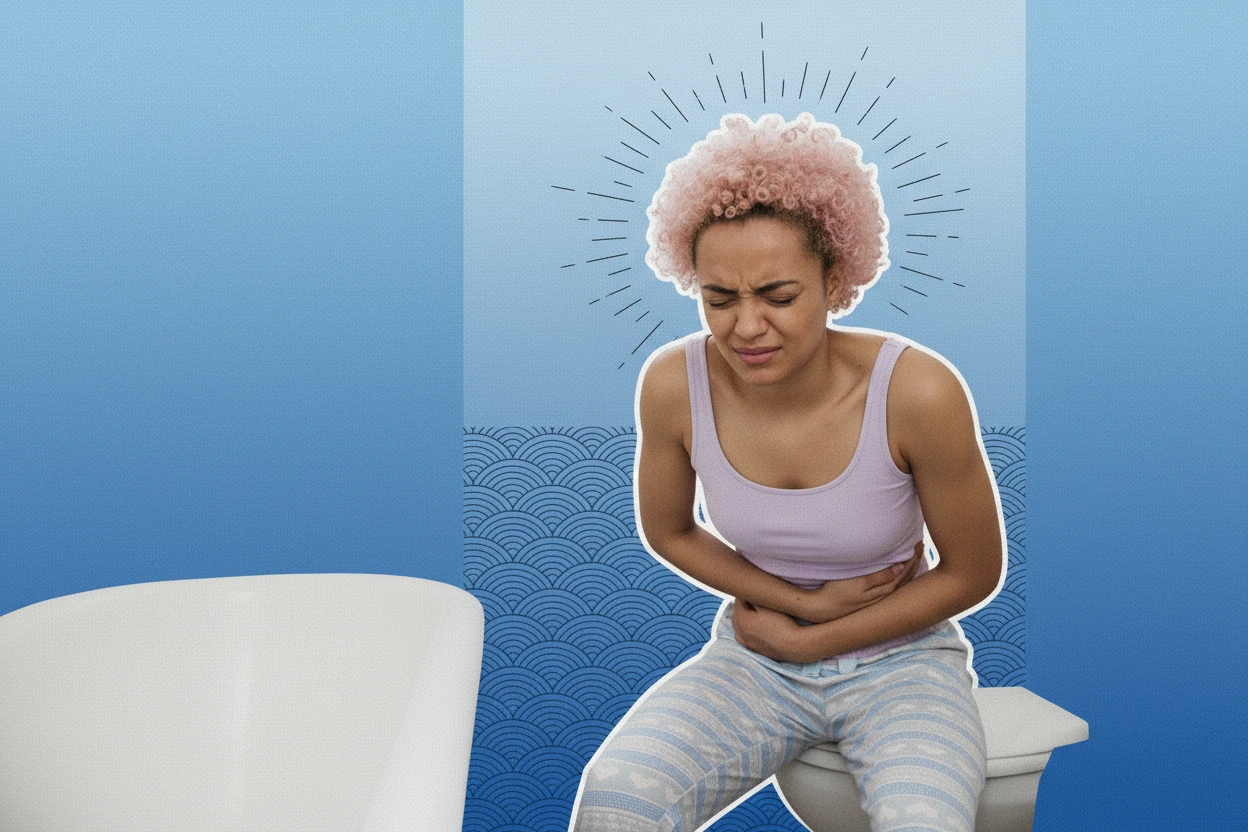
Irritable bowel syndrome (IBS) affects about 10-15% of people worldwide and is a functional disorder of gut-brain interaction without visible inflammation123. In contrast, inflammatory bowel disease (IBD), including Crohn’s disease and ulcerative colitis, affects roughly 0.3-0.5% of the population and involves chronic inflammation that can damage the intestines42. Both conditions share symptoms such as abdominal pain and altered bowel habits, but they differ fundamentally in causes, diagnosis, and treatment56. Understanding these differences is essential for proper management and improving patients’ quality of life56.
IBS vs IBD Symptoms Compared
IBS and IBD share several gastrointestinal symptoms, including abdominal pain, cramping, and diarrhea, which affect the digestive tract26. Both conditions often present with abdominal pain and altered bowel habits such as constipation, diarrhea, or alternating patterns67. Symptom severity can fluctuate in both IBS and IBD, with periods of remission and exacerbation82. However, IBD symptoms may also include systemic signs such as fever, weight loss, anemia, and rectal bleeding, which are not typical of IBS429. IBS symptoms often arise after eating or during stress and may be temporarily relieved by bowel movements109.
Key symptoms distinguishing IBS from IBD include:
- IBS symptoms: chronic abdominal pain, bloating, gas, mucus in stool, and changes in bowel habits without inflammation or structural damage569.
- IBD symptoms: abdominal pain, diarrhea often with blood, weight loss, fatigue, fever, and complications such as strictures or fistulas due to chronic inflammation429.
Key Differences Between IBS and IBD
IBD is a chronic inflammatory condition of the gastrointestinal tract caused by an overactive immune response that damages the intestinal lining4211. It includes Crohn’s disease, which can affect any part of the GI tract and penetrate deep into the bowel wall, and ulcerative colitis, which affects only the colon’s inner lining411. This inflammation leads to tissue injury, intestinal damage, and complications such as strictures, fistulas, and increased colorectal cancer risk4211. In contrast, IBS is a functional disorder characterized by altered gut motility and visceral hypersensitivity without inflammation or structural abnormalities569.
Diagnosing IBS primarily relies on symptom-based criteria, such as the Rome IV criteria, which require recurrent abdominal pain associated with bowel habit changes for at least 12 weeks over the past year6123. IBS diagnosis involves excluding other conditions through medical history, physical examination, and sometimes blood or stool tests, but no definitive imaging or endoscopic findings confirm IBS5612.
“IBS is a chronic syndrome made up of a group of symptoms. IBD, on the other hand, refers to inflammation or chronic swelling of the intestines.”
— Anthony Lembo, MD, Beth Israel Deaconess Medical Center24
In contrast, IBD diagnosis requires detecting inflammation and structural changes via endoscopy, colonoscopy, imaging studies (MRI, CT scans), and laboratory markers such as fecal calprotectin and C-reactive protein4213. Biopsies during endoscopy help confirm the diagnosis and differentiate between Crohn’s disease and ulcerative colitis42.
Patients with IBD often have multiple comorbid chronic conditions, including cardiovascular and liver diseases, with up to 81% having additional chronic illnesses14152. This increased burden reflects the systemic nature of IBD and its inflammatory impact beyond the gut152. IBS patients generally do not have these comorbidities, as IBS does not cause systemic inflammation or organ damage56.
IBS treatment focuses on symptom relief and lifestyle modifications, including dietary changes, stress management, and medications targeting diarrhea, constipation, or pain5616. Common dietary approaches for IBS include low-FODMAP diets and fiber adjustments516. Psychological therapies such as cognitive behavioral therapy and stress reduction techniques can also improve symptoms56.
IBD treatment aims to control inflammation, induce and maintain remission, and prevent complications4211. Medications include anti-inflammatory drugs, immunosuppressants, biologics, and sometimes corticosteroids during flare-ups411. Surgery may be necessary for severe cases or complications like strictures or fistulas1711. Nutritional support and stress management are important adjuncts in IBD care56.
| Aspect | IBS | IBD |
|---|---|---|
| Nature | Functional disorder, no inflammation | Chronic inflammatory disease |
| Diagnosis | Symptom-based (Rome IV), exclusion of others | Endoscopy, imaging, inflammatory markers |
| Structural damage | None | Present, visible on imaging and biopsy |
| Treatment | Symptom relief, diet, stress management | Anti-inflammatory meds, immunosuppression, surgery |
| Cancer risk | No increased risk | Increased colorectal cancer risk |
Similarities Between IBS and IBD
Both IBS and IBD significantly impair patients’ quality of life, affecting daily functioning, social engagement, and psychological well-being56. Symptoms such as abdominal pain, diarrhea, and urgency can disrupt work, travel, and relationships56. Patients often experience frustration due to symptom unpredictability and chronic discomfort56.
Psychological stress exacerbates symptoms in both IBS and IBD through gut-brain axis mechanisms182. Stress can worsen gut motility, increase visceral sensitivity, and in IBD, may heighten inflammatory activity leading to flare-ups182. Managing stress through relaxation techniques and therapy is beneficial in controlling symptoms in both conditions56.
Diet plays a key role in managing symptoms for both IBS and IBD patients56. IBS patients often benefit from low-FODMAP diets and fiber adjustments to reduce bloating and diarrhea516. IBD dietary interventions focus on reducing inflammation and ensuring adequate nutrition, often requiring tailored plans during flare-ups and remission516.
Can You Have Both IBS and IBD?
It is possible for patients with IBD to experience IBS-like symptoms, especially when IBD is in remission192021. These symptoms may result from nerve damage, visceral hypersensitivity, or gut microbial imbalances caused by prior inflammation2221. Psychological stress can further exacerbate these IBS-like symptoms in IBD patients2321. Using symptom-based criteria such as the Rome IV helps distinguish IBS symptoms from active IBD flare-ups, aiding in appropriate management218.
“IBD, when severe, can be quite serious and may even require surgery in some cases, which is not the case with IBS.”
— Dr. Rabinowitz, Everyday Health17
When to Seek Medical Care
Persistent gastrointestinal symptoms such as abdominal pain, bloating, diarrhea, or constipation warrant medical evaluation613. Immediate care is advised if symptoms include rectal bleeding, unexplained weight loss, fever, or anemia, as these may indicate IBD or other serious conditions4613. Primary care providers typically coordinate initial assessment and refer patients to gastroenterologists for advanced diagnostics like endoscopy or imaging613. Patients can locate specialists through provider directories or insurance networks613.
“It's a disease, and even the terminology, irritable bowel syndrome, is marginalizing the patients who have the condition.”
— Mark Pimentel, MD, Cedars-Sinai25
Summary of IBS vs IBD
IBS and IBD are distinct gastrointestinal conditions that share some symptoms but differ fundamentally in cause, diagnosis, and treatment. IBS is a functional disorder without inflammation or structural damage, diagnosed by symptom criteria and exclusion of other diseases. IBD is a chronic inflammatory disease causing intestinal injury and systemic complications, diagnosed through imaging, endoscopy, and inflammatory markers. Both conditions impact quality of life and are influenced by stress and diet, but IBD requires more aggressive medical and sometimes surgical treatment. Accurate diagnosis is crucial to ensure appropriate management and improve patient outcomes.