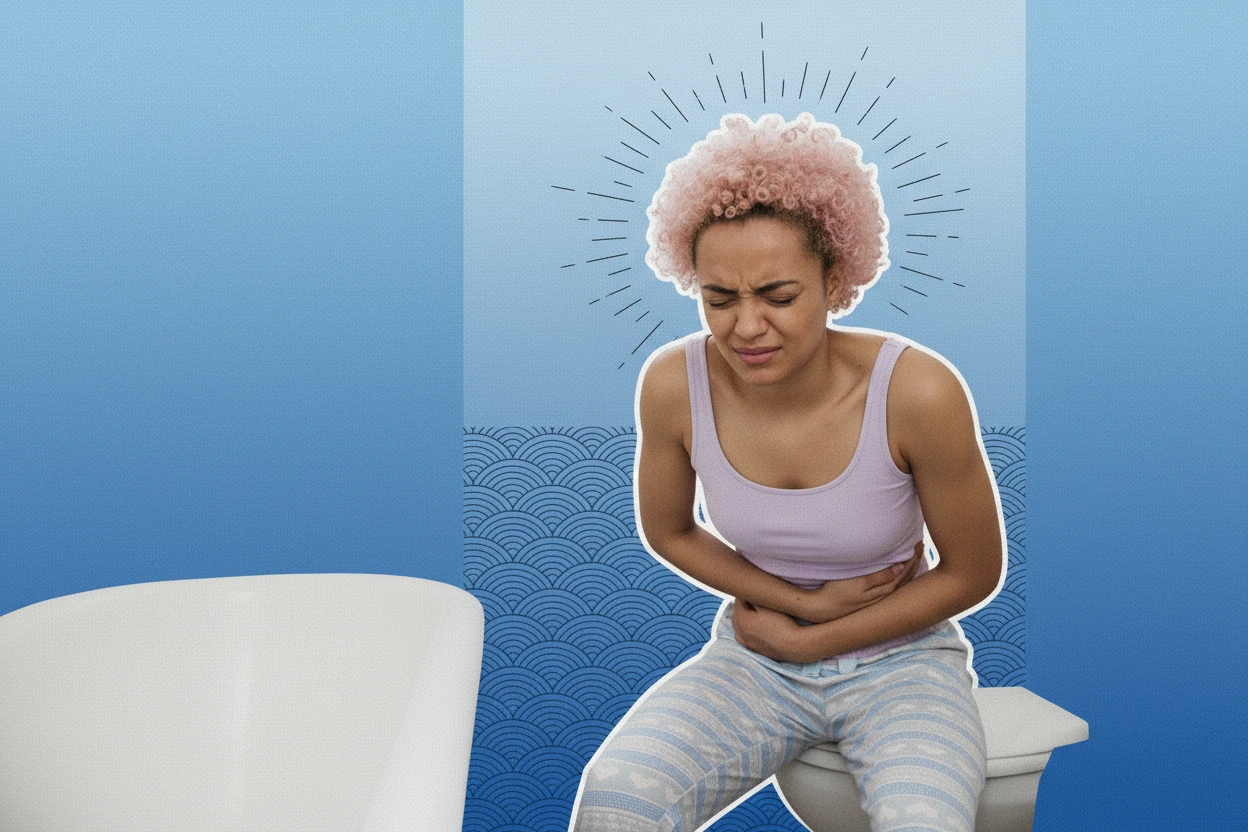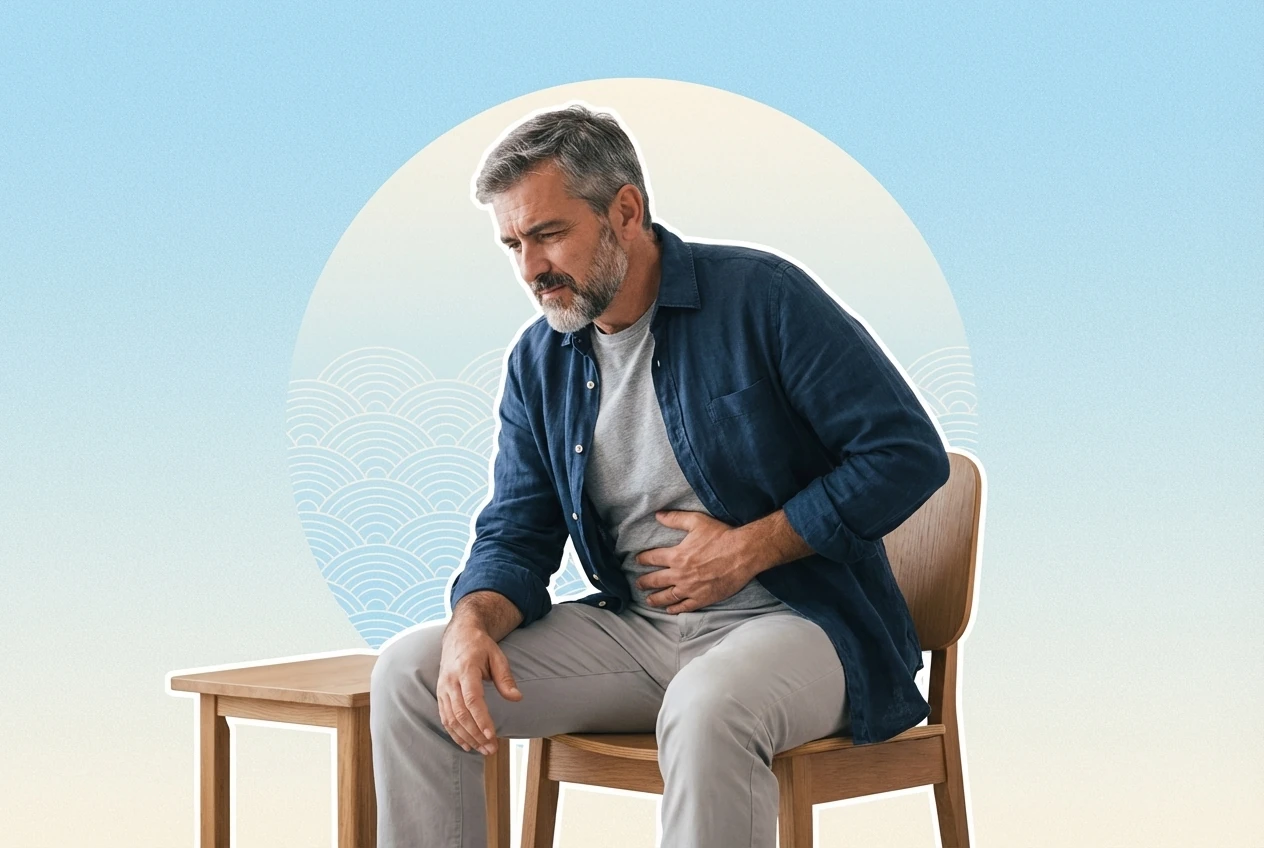
Irritable bowel syndrome (IBS) affects approximately 10-15% of adults and is characterized by abdominal pain and changes in bowel habits, including diarrhea-predominant (IBS-D) and constipation-predominant (IBS-C) types1. IBS significantly impacts quality of life by disrupting daily activities and causing psychological stress2. Effective management requires a personalized approach combining medication, lifestyle changes, and supportive therapies tailored to symptom patterns34.
Medication Treatments for IBS
Treatment of IBS often begins with symptom-targeted medications. The choice of drug depends on whether norovirus-symptoms-beyond-vomiting-and-diarrheadiarrhea or constipation predominates, as well as the severity of symptoms and patient response34.
For IBS-D, medications aim to reduce bowel motility and secretion to control frequent loose stools caused by rapid transit and impaired absorption56. Commonly used agents include:
-
Loperamide: A widely used over-the-counter antidiarrheal that slows intestinal transit, helping to reduce diarrhea frequency57. Dosage should be carefully adjusted to avoid constipation and other side effects such as dry mouth and dizziness8.
-
Alosetron: A selective 5-HT3 receptor antagonist approved for severe IBS-D in women who have not responded to conventional therapy. It works by relaxing the colon and slowing waste movement through the bowel68. Due to rare but serious side effects, it is reserved for refractory cases and requires enrollment in a special prescribing program6.
-
Eluxadoline: Acts on opioid receptors in the gut to reduce bowel contractions and diarrhea. It also increases muscle tone in the rectum, improving symptoms59. Side effects may include nausea, abdominal pain, and mild constipation; pancreatitis is a rare but serious risk9.
-
Rifaximin: A non-absorbable antibiotic that targets gut bacterial overgrowth, which may contribute to IBS-D symptoms. It has demonstrated efficacy in reducing diarrhea and bloating510. Repeat courses can be effective for symptom recurrence10.
IBS-C is defined by fewer than three bowel movements per week and often requires medications to improve stool passage and consistency118. Treatment options include:
-
Fiber supplements: Gradual increase of soluble fiber intake (20-30 grams daily) helps regulate bowel movements and reduce constipation1112. Fiber supplements like psyllium may cause less gas and bloating than high-fiber foods13.
-
Osmotic laxatives: Polyethylene glycol (PEG) is effective in increasing stool frequency and softening stools in IBS-C patients78. Lactulose is generally not recommended due to fermentation causing gas and bloating8.
-
Secretagogues: Drugs such as linaclotide and lubiprostone increase fluid secretion in the small intestine to facilitate stool passage. Linaclotide has a robust effect size in treating IBS-C but may cause diarrhea; taking it before meals can reduce this side effect149. Lubiprostone is approved for women with severe IBS-C unresponsive to other treatments9.
Abdominal pain in IBS can be managed with medications that modulate pain perception and gut motility:
-
Antispasmodics: These drugs relax intestinal smooth muscles and reduce visceral hypersensitivity, alleviating cramps and pain. Common agents include dicyclomine and hyoscine815. Side effects such as dry mouth, dizziness, and blurred vision are common and require monitoring8.
-
Antidepressants: Low-dose tricyclic antidepressants (TCAs) and selective serotonin reuptake inhibitors (SSRIs) can reduce pain and improve bowel symptoms by modulating neurotransmitters involved in gut-brain signaling168. TCAs are preferred for IBS-D due to their constipating effect, while SSRIs may be more suitable for IBS-C8. These medications also help with associated anxiety and depression17.
-
Other agents: Pregabalin and gabapentin may be considered for severe pain or bloating, although evidence is limited9.
Lifestyle Changes for IBS Management
Lifestyle modifications are foundational in IBS treatment and often the first step in symptom control184. These changes address diet, physical activity, and stress management.
-
Dietary adjustments: A low-FODMAP diet restricts fermentable carbohydrates that are poorly absorbed and ferment in the gut, causing gas and bloating1219. Foods high in FODMAPs include certain dairy products, legumes, and some fruits, while allowed foods include rice, oats, potatoes, and select fruits12.
-
Fiber intake: Gradually increasing soluble fiber to 20-30 grams daily helps improve bowel regularity and reduce constipation1112. Insoluble fiber is not recommended as it may worsen symptoms8.
-
Gluten and lactose avoidance: Some patients benefit from gluten avoidance, especially those with non-celiac gluten sensitivity, and from limiting lactose if intolerant1920.
-
Regular meal patterns: Eating at consistent times and avoiding skipping meals can help regulate bowel function13.
-
Exercise: Moderate physical activity such as walking, yoga, or cycling is recommended to improve overall symptoms and quality of life821.
-
Stress reduction and sleep hygiene: Managing stress through relaxation techniques and ensuring adequate sleep (7-9 hours nightly) can reduce symptom severity2120.
-
Symptom tracking: Keeping food and activity diaries helps identify triggers and tailor lifestyle changes1213.
💡 Did You Know?
Other helpful dietary tips include eating oats regularly, consuming up to one tablespoon of linseeds daily, and avoiding hard-to-digest foods like cabbage, broccoli, cauliflower, and beans22.
Probiotics for IBS Symptom Relief
Probiotics are live microorganisms that may modulate gut microbiota and improve IBS symptoms such as bloating, abdominal pain, and diarrhea2324. However, evidence on their efficacy is mixed and strain-specific benefits remain unclear2317.
-
Probiotics are commonly found in fermented dairy products and dietary supplements23.
-
Their safety profile is generally favorable, with few reported side effects23.
-
Regulatory oversight of probiotic supplements is limited, and optimal strains and doses for IBS have not been established23.
-
Current clinical guidelines, including those from the American College of Gastroenterology, do not recommend routine probiotic use for IBS due to insufficient high-quality evidence2417.
-
Patients considering probiotics should consult healthcare professionals to ensure appropriate use23.
Mental Health and IBS Therapy
The gut-brain axis plays a central role in IBS pathophysiology, linking psychological factors such as anxiety, depression, and stress with gastrointestinal symptoms2526. Neurotransmitters like serotonin influence gut motility and sensation16.
Mental health therapies are effective adjuncts, especially when lifestyle and pharmacologic treatments are insufficient:
-
Antidepressants: TCAs and SSRIs improve pain and bowel symptoms and address coexisting mood disorders168.
-
Cognitive behavioral therapy (CBT): CBT reduces symptom severity and improves quality of life by addressing cognitive-affective drivers of IBS2717.
-
Gut-directed hypnotherapy: This therapy has demonstrated efficacy in reducing IBS symptoms and improving patient outcomes27.
-
Mindfulness meditation: Mindfulness-based stress reduction helps manage IBS symptoms by reducing stress and enhancing coping skills27.
These therapies are recommended particularly for patients with refractory symptoms or significant psychological comorbidities87.
IBS is a chronic disabling disorder considered functional in nature and is usually characterized by abdominal pain and changes in bowel habits20.
Living With and Managing IBS
IBS is a chronic condition that can impair daily functioning and well-being, often fluctuating in symptom severity over time262. Effective management involves not only symptom control but also coping strategies to mitigate psychosocial impact2721.
-
Patient education: Understanding IBS and its triggers empowers patients to actively participate in their care28.
-
Stress management: Techniques such as relaxation exercises, yoga, and meditation help break the cycle of stress-induced symptom exacerbation21.
-
Sleep hygiene: Adequate and regular sleep reduces symptom severity and improves quality of life21.
-
Social support: Engaging family and friends enhances psychological well-being and coping ability21.
-
Symptom and stress diaries: Tracking symptoms alongside stressors aids in identifying patterns and tailoring management27.
-
Regular follow-up: Continuous care with healthcare providers ensures treatment adjustments and addresses evolving needs28.
Key Takeaways
-
IBS affects 10-15% of adults and significantly disrupts daily life through abdominal pain and altered bowel habits12.
-
Medication treatment is tailored to IBS subtype: antidiarrheals for IBS-D, laxatives and secretagogues for IBS-C, and antispasmodics and antidepressants for pain management348.
-
Lifestyle modifications, including a low-FODMAP diet, gradual fiber increase, regular exercise, stress reduction, and sleep hygiene, are foundational to IBS management121921.
-
Probiotics may help some patients but lack strong evidence for routine use; consultation with healthcare providers is advised2317.
-
Mental health therapies such as CBT, hypnotherapy, mindfulness, and antidepressants effectively reduce symptoms by targeting the gut-brain axis271626.