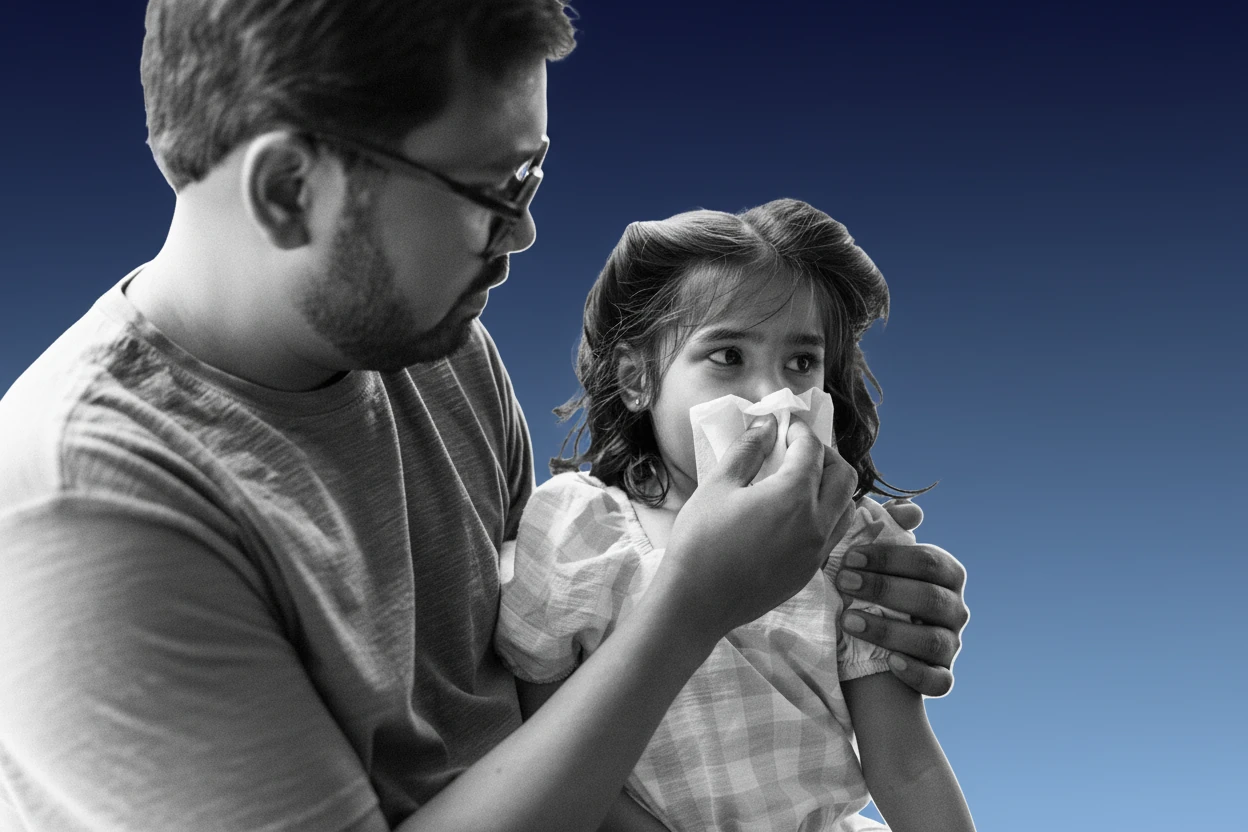
Influenza B virus is a significant cause of seasonal flu worldwide, accounting for about one-third of all human influenza infections. It primarily infects humans and typically causes seasonal epidemics during the winter and spring months. While often considered milder than influenza A, influenza B can still lead to serious illness, especially in children and high-risk groups123.
Influenza Types Explained
Influenza viruses belong to the Orthomyxoviridae family and are classified into four types: A, B, C, and D. Among these, types A and B are the main causes of seasonal flu in humans5. Influenza A viruses infect humans and various animals, including birds and mammals, and are the only type known to cause pandemics due to their ability to undergo antigenic shift—a major genetic change that can create novel virus strains56. Influenza B viruses, in contrast, infect only humans and do not cause pandemics25.
Influenza B viruses are divided into two antigenically distinct lineages: B/Victoria and B/Yamagata. These lineages co-circulate globally and vary in prevalence by season and region37. Unlike influenza A, influenza B mutates more slowly but still undergoes antigenic drift, which involves minor genetic mutations that contribute to yearly epidemics and reinfections6.
Influenza C viruses usually cause mild respiratory symptoms and minor localized outbreaks, while influenza D primarily affects cattle and is not known to infect humans51.
Influenza B Symptoms
The symptoms of influenza B are generally similar to those caused by influenza A and include a sudden onset of fever, cough, sore throat, headache, muscle aches, and fatigue896. In children, fever, cough, nasal discharge, sore throat, and muscle pain are common8. Symptoms may last about 7 to 8 days on average, with cough and sore throat sometimes persisting beyond the acute phase810.
Severe cases of influenza B can lead to complications such as pneumonia-symptoms-and-treatmentpneumonia-symptoms-and-treatmentpneumonia, acute respiratory distress syndrome (ARDS), acute kidney injury, and shock, although these are less common8. Children with critical influenza B infections may show signs of immune dysregulation, including elevated procalcitonin and lactate dehydrogenase levels and reduced CD4+ lymphocytes7.
- Sudden high fever (up to 106ºF/41.1ºC)11
- Cough and sore throat86
- Headache and body aches6
- Nasal congestion or runny nose8
- Fatigue and weakness6
- Muscle pain (myalgia)87
- Vomiting and diarrhea (more common in children)6
Causes of Influenza B
Influenza B is caused by infection with the influenza B virus, which spreads primarily through respiratory droplets when an infected person coughs, sneezes, or talks. The virus can also be transmitted by touching contaminated surfaces and then touching the face, nose, or mouth724. The virus infects the respiratory tract lining, causing symptoms through direct viral damage and the body's immune response2.
Unlike influenza A, influenza B infects only humans and does not cause pandemics. It evolves through antigenic drift, leading to seasonal epidemics and requiring annual vaccine updates to match circulating strains856.
Risk Factors
Certain groups are at higher risk for severe influenza B infection and complications:
- Young children, especially under 5 years old8611
- Older adults aged 65 and above611
- Pregnant individuals and those up to two weeks postpartum11
- People with chronic medical conditions such as asthma, diabetes, heart disease, or obesity4611
- Individuals with weakened immune systems46
- Residents of long-term care facilities4
Children have the highest positivity rates for influenza B and are important contributors to its transmission112. Underlying diseases are present in about 19% of outpatients with influenza-B-associated pneumonia8.
“In children, influenza A is associated with more ear infections than influenza B, while influenza B is associated with more seizures, vomiting, and diarrhea than influenza A.”
— Sherif Mossad, MD, Cleveland Clinic6
Diagnosing Influenza B
Diagnosis of influenza B relies on laboratory testing because symptoms overlap with other respiratory infections. The gold standard for confirmation is reverse transcription-polymerase chain reaction (RT-PCR), which detects viral RNA with high sensitivity and specificity8. RT-PCR results are typically available within a few hours and are preferred for accurate diagnosis8.
Rapid antigen detection tests (RIDTs) and rapid molecular assays provide quicker results (15–30 minutes) but have lower sensitivity compared to RT-PCR8. Specimens for testing are usually collected via nasopharyngeal or throat swabs8. Immunofluorescence assays are another option but require specialized equipment and trained personnel8.
Seasonal influenza B peaks in winter and spring, with children consistently showing the highest infection rates87. Molecular surveillance of the virus’s hemagglutinin and neuraminidase genes helps monitor viral evolution and vaccine effectiveness8.
Influenza B Treatment Options
Treatment for influenza B focuses on relieving symptoms and preventing complications. Most cases resolve without medical intervention, but antiviral medications can reduce illness duration and severity, especially when started early.
At-Home Remedies
Many people manage influenza B symptoms at home with supportive care:
- Get plenty of rest to help the immune system fight the virus611
- Drink fluids such as water, broth, and herbal tea to prevent dehydration611
- Use warm compresses or baths to ease muscle aches6
- Avoid strenuous activity during illness6
Over-the-Counter (OTC) Medications
OTC medications can help relieve flu symptoms:
- Acetaminophen (Tylenol) or nonsteroidal anti-inflammatory drugs (NSAIDs) like ibuprofen to reduce fever and body aches46
- Decongestants such as phenylephrine or pseudoephedrine for nasal congestion4
- Cough suppressants like dextromethorphan to calm persistent cough4
- Expectorants such as guaifenesin to loosen mucus in the lungs4
Always consult a healthcare provider before using OTC medications, especially for children or individuals with chronic conditions4.
Antiviral Drugs
Four antiviral drugs are FDA-approved for treating influenza, including influenza B:
| Antiviral Drug | Route | Notes | Age Approval |
|---|---|---|---|
| Oseltamivir phosphate (Tamiflu) | Oral (pill/liquid) | Preferred for hospitalized or severe cases; effective if started within 48 hours of symptoms8413 | Approved for ≥2 weeks old6 |
| Zanamivir (Relenza) | Inhaled | Not recommended for people with asthma or COPD46 | Approved for ≥7 years old6 |
| Peramivir (Rapivab) | Intravenous (IV) | Single-dose treatment, used mostly in hospitalized patients46 | Approved for ≥6 months old6 |
| Baloxavir marboxil (Xofluza) | Oral (single dose) | Not recommended for pregnant or breastfeeding individuals; effective if started early46 | Approved for ≥5 years old6 |
| Sources:46813 | |||
Antiviral treatment is most effective when started within 48 hours of symptom onset but may still be beneficial later in high-risk or severe cases46.
“The sudden onset of fever, cough, and headache are reasons to call your doctor. People with underlying chronic medical conditions or who are immunocompromised due to certain diseases or medications should seek care early even if they have relatively mild symptoms.”
— Sherif Mossad, MD, Cleveland Clinic6
Preventing Influenza B
Vaccination is the most effective way to prevent influenza B and its complications. The Advisory Committee on Immunization Practices (ACIP) recommends annual influenza vaccination for all persons aged six months and older without contraindications1413.
The 2025–26 influenza vaccines in the United States are trivalent, containing components targeting influenza A(H1N1), A(H3N2), and B/Victoria lineage viruses14. Vaccination ideally occurs in September or October before flu season peaks14.
Additional preventive measures include:
- Frequent hand washing with soap and water or using alcohol-based hand sanitizers46
- Covering mouth and nose when coughing or sneezing, preferably into the elbow or a tissue4
- Avoiding close contact with sick individuals and staying home when ill46
- Wearing masks when around others if symptomatic or in crowded settings during flu season46
- Avoiding touching the face, eyes, nose, and mouth4
Children aged 6 months through 8 years who have not previously received two doses of influenza vaccine require two doses spaced at least four weeks apart for adequate protection14.
“Treatment reduces symptoms and shortens illness when started early. Another benefit of early treatment is preventing the spread of infection to contacts at risk for severe flu-related illness.”
— Sherif Mossad, MD, Cleveland Clinic6
Potential Complications
While many influenza B infections are mild, serious complications can occur, especially in high-risk groups. These include:
- Pneumonia, which can be viral or bacterial and may lead to respiratory failure84
- Acute respiratory distress syndrome (ARDS)8
- Acute kidney injury (AKI)8
- Shock and multi-organ failure in severe cases8
- Myocarditis (inflammation of the heart muscle)11
- Exacerbation of chronic medical conditions such as asthma or heart disease46
Children with influenza B may have a higher risk of severe complications or hospitalization compared to those with influenza A11. Early treatment and vaccination reduce the risk of these complications412.
Key Takeaways
- Influenza B virus causes seasonal flu epidemics and primarily infects humans, with two main lineages: B/Victoria and B/Yamagata13.
- Symptoms of influenza B include sudden fever, cough, sore throat, headache, muscle aches, and fatigue, similar to influenza A86.
- The virus spreads mainly through respiratory droplets and contact with contaminated surfaces74.
- Diagnosis relies on RT-PCR testing for accurate detection, with rapid tests available but less sensitive8.
- Treatment includes supportive care, OTC medications, and antiviral drugs, which are most effective when started early846.
- Annual vaccination is the best prevention, recommended for everyone aged six months and older1413.
- Complications can be severe, especially in children, older adults, and those with chronic illnesses811.
Frequently Asked Questions
Do I need to quarantine if I have influenza B?
Yes. You should stay away from others until your symptoms improve and you have been fever-free for at least 24 hours without using fever-reducing medications411.
When is it too late to take antiviral medication like Tamiflu?
Antiviral drugs are most effective when started within 48 hours of symptom onset. Starting treatment later may reduce effectiveness but can still benefit high-risk or severely ill patients46.
How long does influenza B last?
Influenza B symptoms typically last about 7 to 8 days, but some symptoms like cough may persist longer1011.
Is influenza A or B worse?
Both can cause serious illness and complications. Influenza A is more common and causes pandemics, but influenza B can be equally severe, especially in children611.
How contagious is influenza B?
Influenza B is highly contagious and spreads easily through respiratory droplets and contact with contaminated surfaces46.