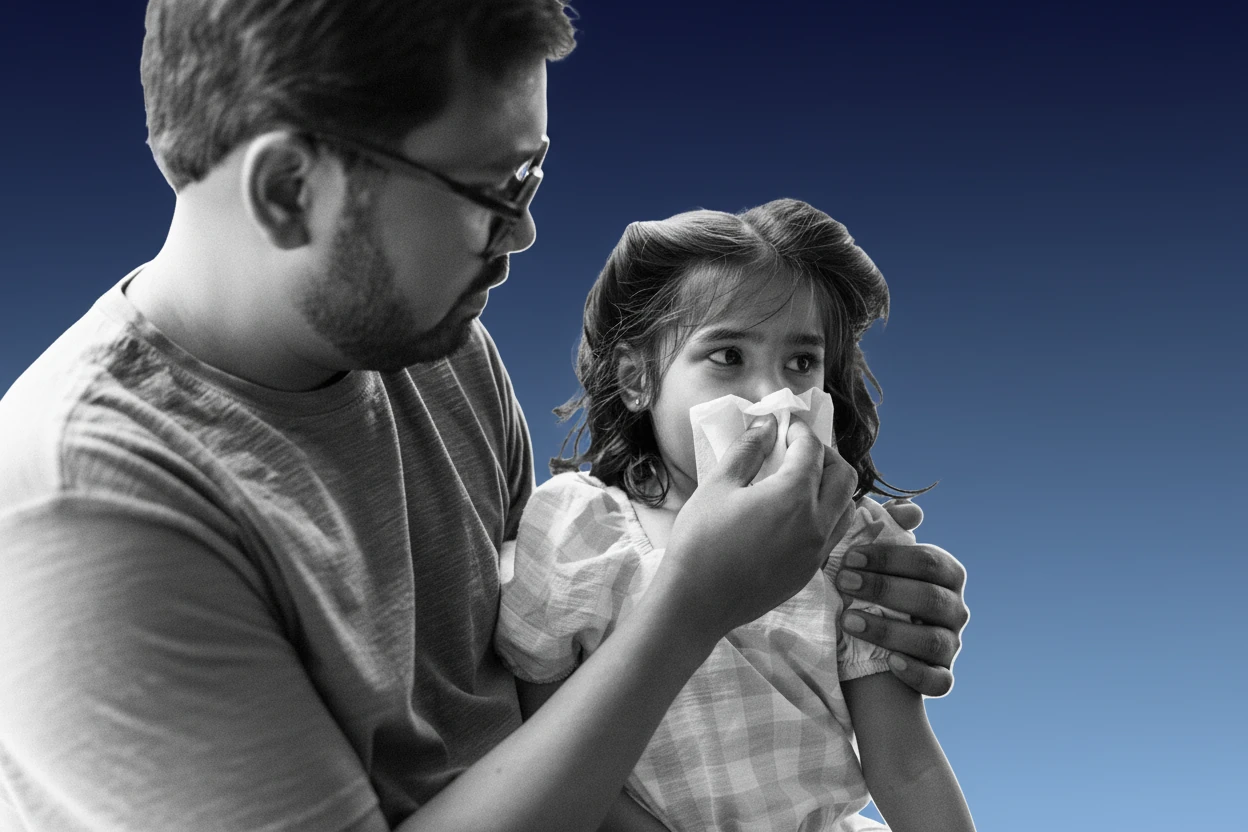
Most adults catch two to three colds each year, with children experiencing even more frequent infections1. These common respiratory illnesses can lead to significant discomfort and, in some cases, serious complications, especially among vulnerable populations2. Maintaining healthy habits and understanding effective prevention strategies can greatly reduce the risk of infection and limit the spread of germs during cold and flu season3.
Common Mistakes That Increase Germ Exposure
Daily behaviors strongly influence how susceptible a person is to catching respiratory infections like colds and the flu. Several common mistakes can weaken the immune system or increase exposure to germs, making illness more likely.
Fatigue and stress impair immune function, reducing the body's ability to fight off infections4. Sleep deprivation similarly compromises immune defenses, increasing vulnerability to viruses5. Smoking damages respiratory defenses, while excessive alcohol consumption further weakens immunity, both raising infection risk5. Another frequent error is neglecting to get the annual flu vaccine, often due to misconceptions about flu severity or vaccine necessity6.
Improper use of protective gear can also backfire. Wearing gloves or masks that are not properly sanitized may facilitate germ spread rather than prevent it1. Ignoring early symptoms and continuing regular activities without rest can worsen illness and increase transmission7.
To summarize, the most common mistakes that increase germ exposure include:
- Not getting enough sleep or managing stress poorly, which weakens immune defenses54.
- Continuing to smoke or consume alcohol excessively, impairing respiratory and immune function5.
- Skipping the annual flu vaccine due to misconceptions or underestimating flu risks6.
- Using unclean or improperly sanitized masks and gloves1.
- Ignoring early signs of illness and failing to rest, which can worsen symptoms and spread infection7.
“Many of us are well familiar with episodes when we got sick after a period when we felt run down after too little sleep, too much travel, a really intense school or work project.”1
— Dr. Jhaveri, Chief of Infectious Diseases at Northwestern University Feinberg School of Medicine
Daily Habits to Strengthen Your Immune System
Infectious disease experts emphasize that daily habits play a crucial role in supporting the immune system and reducing the risk of respiratory infections. These preventive behaviors enhance the body's natural defenses and help maintain resilience during cold and flu season.
Vitamin C and D supplementation have immunomodulatory effects that may reduce the incidence and severity of respiratory infections89. Vitamin C, in particular, may modestly shorten the duration of common cold symptoms when taken regularly9. Vitamin D supports immune cell function, including T-cells and macrophages, which protect against pathogens8.
Regular moderate exercise mobilizes immune cells, improving pathogen defense and lowering infection risk1011. Adequate hydration supports mucosal barriers in the respiratory tract, which serve as the first line of defense against viruses5. Sufficient sleep is foundational for immune health, helping the body recover and maintain effective immune responses53.
Hand hygiene remains a cornerstone of infection prevention by interrupting transmission pathways from contaminated surfaces or person-to-person contact12. Together, these daily rituals contribute to a stronger, more resilient immune system.
Key daily habits to support immunity include:
- Taking vitamin C and D supplements to enhance immune function89.
- Engaging in regular moderate exercise to boost immune surveillance1011.
- Drinking adequate fluids to maintain hydration and mucosal barrier integrity5.
- Prioritizing sufficient sleep to optimize immune responses53.
- Practicing frequent handwashing to reduce germ transmission12.
Health Routines of Infectious Disease Doctors
Infectious disease experts practice several key habits themselves to maintain health and reduce the frequency and severity of colds and flu. While no measure guarantees complete protection, these routines build steady immunity and limit exposure to germs.
Eat a balanced diet
A well-rounded diet rich in vegetables, fruits, whole grains, lean meats, and dairy provides essential nutrients that support immune function19. Citrus fruits and colorful vegetables like sweet potatoes and carrots supply vitamin C and beta-carotene, both important for immune defense9. Foods such as walnuts and garlic offer anti-inflammatory properties, while oysters and pumpkins are rich in zinc, a mineral critical for immune health19.
Experts recommend focusing on overall dietary variety rather than isolated nutrients, ensuring the body receives a broad spectrum of vitamins and minerals to fight infections effectively9.
If you think you're sick, it's time to test
Early recognition of symptoms and prompt testing help prevent the spread of illness. Rapid influenza diagnostic tests, available both at home and in clinical settings, facilitate timely identification of flu infections111. Knowing whether symptoms are due to flu or a common cold guides appropriate care and isolation measures.
Dr. Jhaveri emphasizes the importance of testing: “It is very hard to limit the spread of germs during cold and flu season,” he said. “While both cold and flu can make us miserable with coughing, sneezing, and congestion, make no mistake: the flu is not just a bad cold.”1
Don't share drinks or food
Sharing utensils, drinks, or food is a quick way to transmit germs among family and friends1. Experts advise using individual cups, plates, and utensils during cold and flu season to reduce cross-contamination. Using single-use straws in public settings can also help minimize germ spread.
Additionally, avoid sharing towels, bedding, or workout equipment unless these items are thoroughly cleaned1.
💡 Did You Know?
The contagious period for flu can start about a day before symptoms appear and last up to a week after becoming sick, making early prevention and isolation crucial15.
Get the flu vaccine
Annual influenza vaccination is the most effective way to prevent flu infection and its complications1014. The CDC recommends vaccination for everyone aged six months and older, with particular emphasis on high-risk groups such as young children, older adults, pregnant people, and those with chronic health conditions1014.
Vaccination not only reduces the risk of getting sick but also lessens illness severity if infection occurs1014. Experts recommend getting vaccinated by early October to ensure protection before flu viruses start circulating widely15.
“The best way to reduce your risk from seasonal flu and its potentially serious complications is to get a flu vaccine every year.”14
— Centers for Disease Control and Prevention (CDC)
Stay home if you're sick
“When caring for others it’s important to avoid being face-to-face if possible and wash your hands often.”1
— Dr. Jhaveri, Chief of Infectious Diseases at Northwestern University Feinberg School of Medicine
If you test positive for the flu or experience symptoms such as fever, cough, or body aches, staying home is critical to prevent spreading the virus to others114. Avoid attending work, school, or social gatherings until symptoms improve and fever resolves.
Rest, hydration, and symptom management support recovery. For those at high risk of complications, consulting a healthcare provider about antiviral medications is advised1114. Covering the mouth and nose when coughing or sneezing and frequent handwashing help limit transmission within households1.