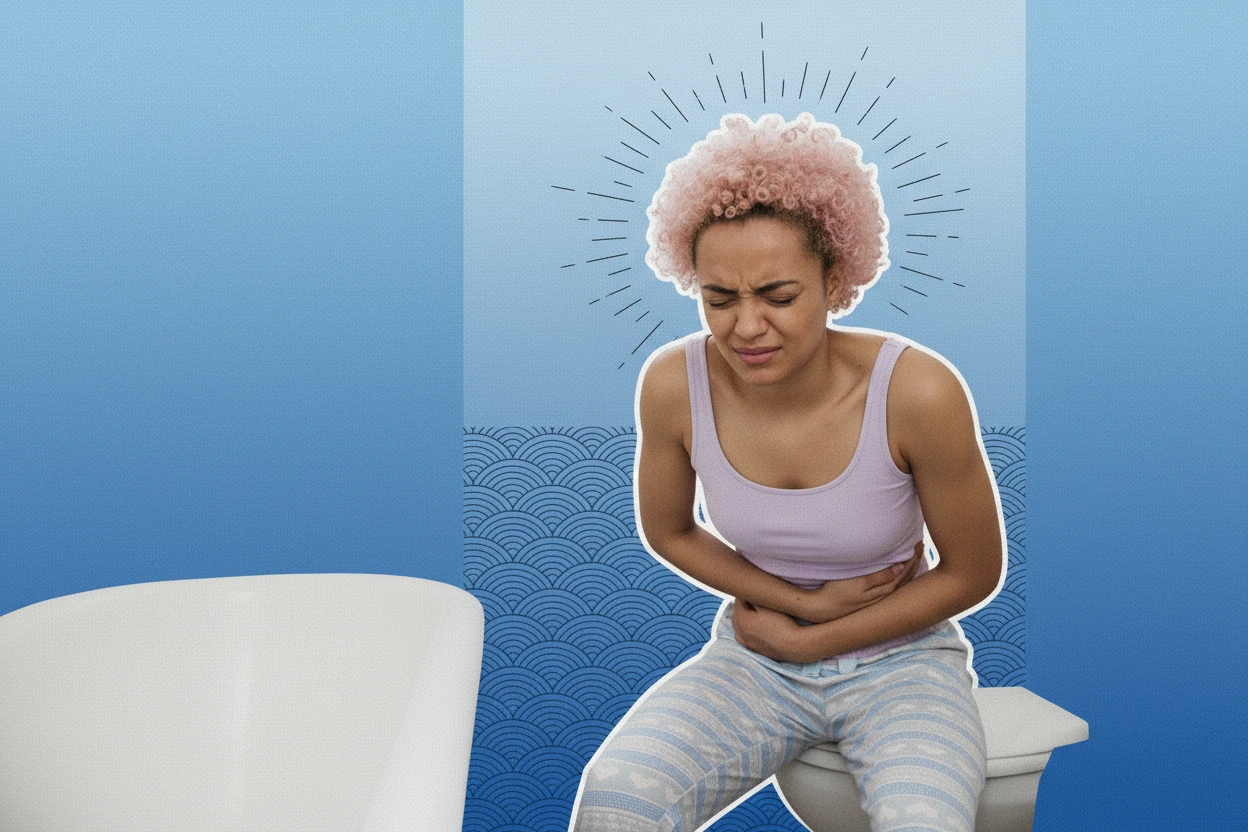
Irritable bowel syndrome (IBS) affects about 10% to 20% of people worldwide and is notably more common in women than men12. This chronic gastrointestinal disorder causes recurrent abdominal pain and changes in bowel habits that can significantly impact daily life32. Women often experience unique symptom patterns influenced by hormonal fluctuations, especially during menstrual cycles and menopause, which can worsen their IBS symptoms45. Understanding these differences is crucial for timely diagnosis and effective management.
Common IBS Symptoms in Women: Abdominal Pain, Bloating & Bowel Changes
IBS symptoms vary widely among individuals but commonly include abdominal pain, bloating, and altered bowel habits6. Women with IBS frequently report fatigue and psychological symptoms such as anxiety and depression, which can further reduce quality of life37. The Rome IV criteria define IBS diagnosis by recurrent abdominal pain occurring at least one day per week in the last three months, associated with changes in stool frequency or form, with symptom onset at least six months prior8.
IBS symptoms can be classified based on predominant bowel habits:
- IBS with constipation (IBS-C): Characterized by hard or infrequent stools6.
- IBS with diarrhea (IBS-D): Frequent loose or watery stools6.
- IBS with mixed bowel habits (IBS-M): Alternating diarrhea and constipation6.
Additional symptoms commonly reported by women with IBS include:
- Urgency to defecate6.
- Sensation of incomplete evacuation after bowel movements6.
- Mucus discharge in stool6.
- Fluctuating severity and occurrence of symptoms over time6.
- Extraintestinal symptoms such as fatigue and malaise3.
These symptoms often fluctuate, making IBS a condition with variable impact on daily functioning6.
IBS symptoms in women are not limited to the digestive tract. Fatigue and psychological distress often accompany gastrointestinal symptoms, highlighting the need for comprehensive care37.
Gender Differences in IBS Symptoms: Hormonal Influences & Unique Manifestations
Sex hormones, particularly estrogen and progesterone, play a significant role in modulating gastrointestinal motility and visceral pain sensitivity, leading to sex differences in IBS symptom presentation94. Women tend to experience slower gastrointestinal transit compared to men, which contributes to a higher prevalence of constipation-predominant IBS in women102. In contrast, men more commonly report diarrhea-predominant IBS10.
Hormonal fluctuations during the menstrual cycle can exacerbate IBS symptoms such as abdominal pain and bloating, with symptom severity often peaking during the luteal phase or menstruation4511. Postmenopausal women may experience altered symptom patterns, including increased abdominal pain, possibly related to changes in hormone levels12.
Women with IBS also report more psychological distress, including higher rates of anxiety and depression, which negatively affect quality of life37. Chronic pain syndromes, such as fibromyalgia and interstitial cystitis, frequently co-occur with IBS in women, further complicating symptom management3.
Key gender differences in IBS symptoms include:
- Women report more constipation and abdominal pain10.
- Men report more diarrhea symptoms10.
- Hormonal changes influence symptom timing and severity in women5.
- Psychological comorbidities are more prevalent in women with IBS7.
- Recognition of sex-specific symptom patterns is essential for effective treatment10.
Women are more likely to seek medical help regarding IBS symptoms compared to men, who tend to under-report their symptoms13.
IBS Symptoms in Young Girls: Pediatric Considerations & Early Recognition
IBS also affects children and adolescents, with prevalence estimates up to 14% in this age group14. Symptoms in young girls mirror those seen in adults, including abdominal pain, altered bowel habits, mucus in stool, and sensations of incomplete evacuation15. Symptom severity can fluctuate, significantly impacting quality of life and daily activities15.
Hormonal changes during puberty, particularly in girls, may worsen IBS symptoms, paralleling the hormonal influences observed in adult women45. Menstruation can exacerbate symptoms such as abdominal pain and bloating in adolescent girls, highlighting the role of sex hormones early in life4.
Common pediatric IBS symptoms include:
- Recurrent abdominal pain15.
- Alternating bowel habits between diarrhea and constipation15.
- Mucus discharge in stool15.
- Sensation of incomplete evacuation15.
- Symptom fluctuation affecting well-being15.
Understanding these patterns in young girls is important for early recognition and management to improve long-term outcomes.
When to See a Doctor for IBS: Warning Signs, Red Flags & Seeking Medical Advice
Medical consultation is advised for any persistent IBS symptoms lasting more than three months or worsening over time16. Early evaluation helps exclude other serious conditions such as inflammatory bowel disease (IBD), colorectal cancer, or celiac disease176. Alarm symptoms warrant urgent medical attention and include:
- Blood in stool or rectal bleeding17.
- Unexplained weight loss17.
- Diarrhea occurring at night (nocturnal diarrhea)17.
- Severe abdominal pain not relieved by bowel movements or passing gas17.
- Fever or systemic symptoms17.
A positive diagnostic approach using symptom criteria, rather than extensive exclusion testing, is recommended to improve timely diagnosis and management618. For women, particular attention should be paid to symptom patterns related to menstrual cycles and menopause, as hormonal changes may influence symptom severity and treatment response4513.
Key reasons to see a healthcare provider include:
- Persistent or changing bowel habits16.
- Presence of alarm symptoms such as bleeding or weight loss17.
- Symptoms interfering with daily life or causing psychological distress37.
- Need for personalized treatment plans considering hormonal influences104.
After three to four months, if you’re having symptoms and it’s not going away, visit your doctor. If it persists, that’s the time to seek out your primary care doctor or get a referral to a gastroenterologist to do some further testing19.
IBS Symptoms Summary: Key Takeaways for Women's Gut Health
IBS is a chronic disorder characterized by recurrent abdominal pain and altered bowel habits, including constipation, diarrhea, or a combination of both32. Women are disproportionately affected and often experience constipation-predominant IBS, with symptoms influenced by hormonal fluctuations throughout the menstrual cycle and menopause1042.
Symptoms commonly include:
- Abdominal pain or discomfort related to bowel movements6.
- Bloating and gas6.
- Constipation, diarrhea, or alternating bowel habits6.
- Urgency and sensation of incomplete evacuation6.
- Mucus in stool6.
- Fatigue and psychological symptoms such as anxiety and depression, especially in women37.
Symptom severity fluctuates over time, and management requires a tailored approach considering the patient's symptom subtype and hormonal status618.
| IBS Symptom | Description | More Common In |
|---|---|---|
| Abdominal pain | Recurrent pain related to defecation | Both sexes |
| Constipation | Hard, infrequent stools | Women (IBS-C) |
| Diarrhea | Frequent loose or watery stools | Men (IBS-D) |
| Bloating | Abdominal swelling and gas | Women |
| Psychological distress | Anxiety, depression, fatigue | Women |
| Sources:36710 | ||
IBS Symptoms FAQs: Your Questions Answered About Women's IBS
What is IBS?
IBS is a functional gastrointestinal disorder marked by recurrent abdominal pain and changes in bowel habits, including constipation, diarrhea, or both63.
Do women experience IBS differently than men?
Yes, women tend to have more constipation-predominant IBS and report more severe abdominal pain, bloating, and psychological symptoms compared to men, who more often have diarrhea-predominant IBS104.
How do hormones affect IBS symptoms in women?
Hormonal fluctuations during the menstrual cycle and menopause influence gut motility and pain sensitivity, often worsening IBS symptoms such as abdominal pain and bloating4511.
When should I see a doctor for IBS symptoms?
Seek medical advice if symptoms persist for more than three months, worsen, or if alarm symptoms like blood in stool, weight loss, or severe pain occur1617.
Is there a cure for IBS?
Currently, there is no cure, but symptoms can be managed effectively through diet, lifestyle changes, medications, and psychological therapies tailored to individual needs1918.