Approximately 600,000 hysterectomies are performed annually in the United States, making it one of the most common surgeries among women of reproductive age1. While this procedure can alleviate severe symptoms such as chronic pelvic pain and heavy bleeding, it also carries significant long-term implications, especially when performed at a young age2. Young women undergoing hysterectomy often face challenges related to physical recovery, psychological adjustment, and ongoing management of conditions like endometriosis-quiz-assess-your-symptoms-risk">endometriosis-stages-symptoms-and-treatment">endometriosis34.
💡 Did You Know?
Many patients resume activities quickly after surgery to maintain normalcy, sometimes before full recovery is achieved9.
Post-Hysterectomy Pain Complications
Hysterectomy involves the surgical removal of the uterus, sometimes including the cervix, ovaries, and fallopian tubes depending on the indication and surgical plan2. Despite its frequency, hysterectomy is a major surgery with potential short- and long-term complications. Common postoperative issues include infection, bleeding, injury to nearby organs, and thromboembolic events56. Recovery typically takes four to six weeks, during which patients may experience soreness, fatigue, and vaginal discharge1.
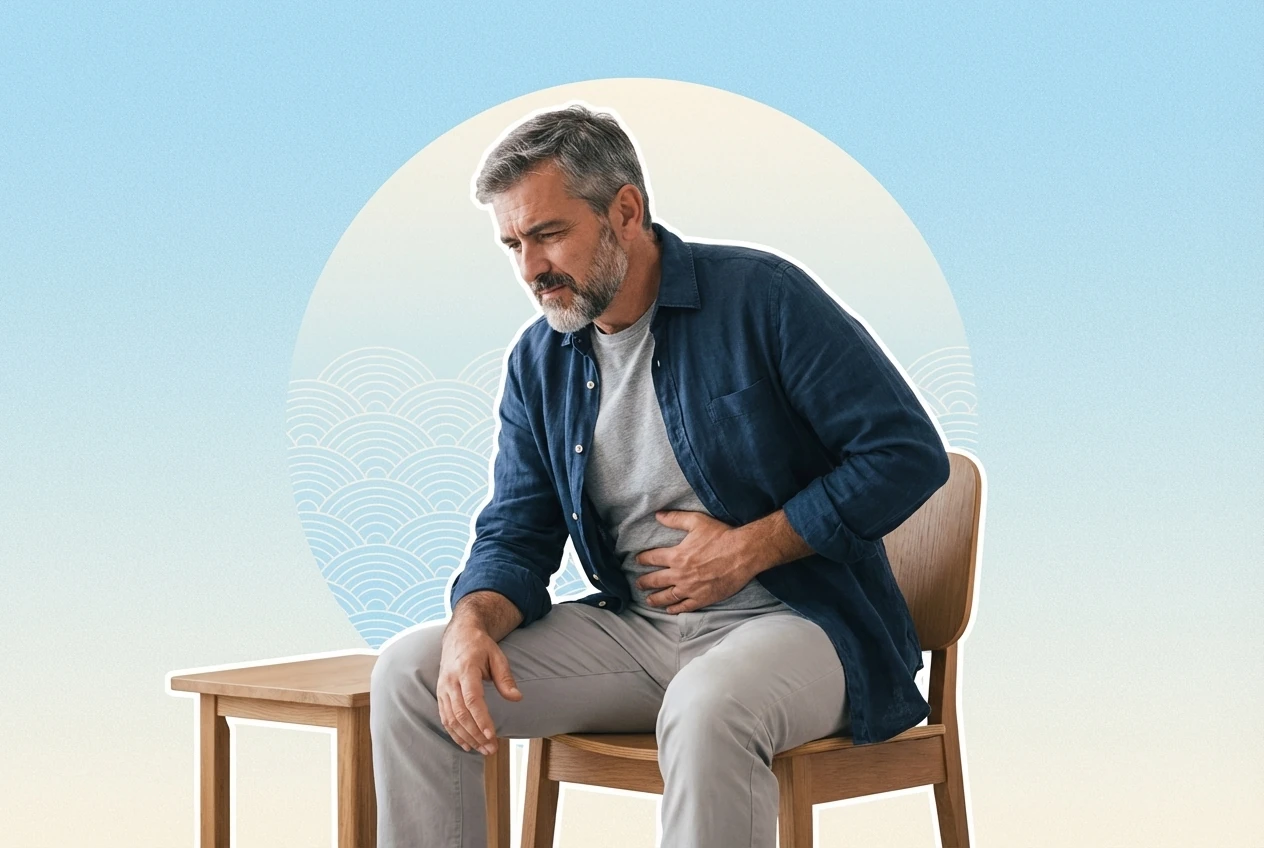
One significant concern after hysterectomy, particularly in young women treated for endometriosis, is the persistence or recurrence of pain. Endometriosis is a chronic inflammatory condition where tissue similar to the uterine lining grows outside the uterus, causing sharp, stabbing, or cramping pelvic pain3. Importantly, hysterectomy does not guarantee a cure for endometriosis because lesions outside the uterus may remain untreated or regrow37. Residual disease is a known cause of ongoing symptoms and may necessitate repeat surgeries3.
“A hysterectomy is a surgery to remove the uterus (womb). Depending on the condition, the surgeon may also remove the cervix, ovaries, and fallopian tubes.”
— Dr. Mona Yadav, Obstetrician and Gynaecologist2
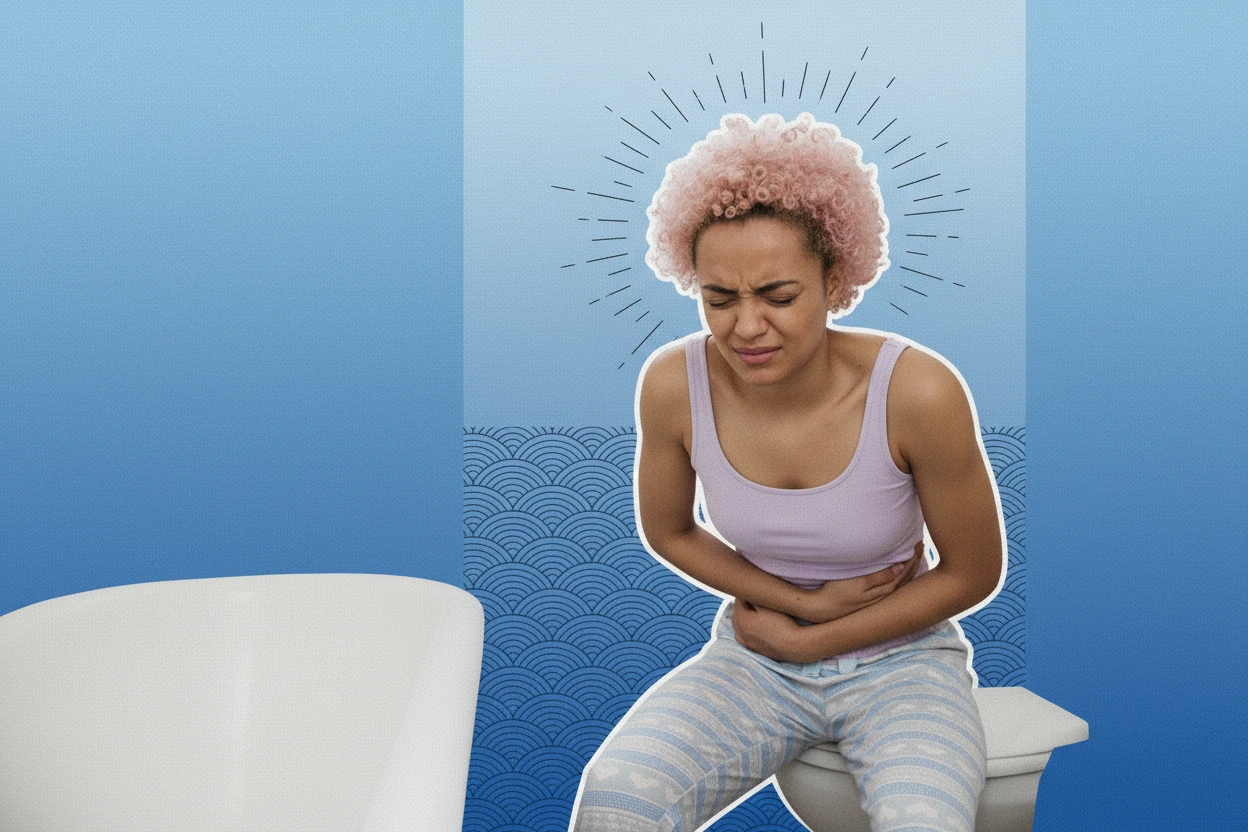
Postoperative pain and psychological distress are common but tend to improve over time8. Many patients resume daily activities, including education and work, within weeks to months after surgery, often pushing themselves to maintain normalcy even before full recovery97. However, some patients report that pain flares can be severe enough to disrupt eating, social functioning, and overall quality of life3. Additionally, patients with chronic pelvic pain frequently feel dismissed or inadequately supported by healthcare providers, which can exacerbate psychological distress and social isolation4.
- Persistent pelvic pain due to residual or recurrent endometriosis lesions37
- Postoperative infection, occurring in 4–25% of cases depending on surgical approach5
- Hemorrhage, affecting 1–3% of patients, often requiring intervention5
- Urinary symptoms such as incontinence, possibly from nerve disruption during surgery1011
- Psychological distress including depression and anxiety related to pain and fertility-and-managementfertility-testing-when-to-consider-itfertility loss84
Understanding these risks is crucial for young women considering hysterectomy, as ongoing pain and complications may affect their physical and emotional well-being long after surgery84.
Finding an Endometriosis Specialist
Given the complexity of endometriosis and its potential to persist after hysterectomy, connecting with a specialist experienced in excision surgery is essential. Expert excision surgery involves meticulous removal of all endometriosis lesions, including those outside the uterus, and is associated with better symptom control and reduced recurrence rates3712.
“In minimally invasive robotic assisted surgery the surgeon uses tiny instruments that are highly precise. The benefits are less pain, faster recovery, less bleeding and lower risk of complications.”
— Joel Cardenas, MD, Cleveland Clinic Weston Hospital15
Endometriosis can cause severe pelvic adhesions and distort pelvic anatomy, making surgical treatment challenging3. Subtotal hysterectomy, which leaves cervical tissue intact, may result in persistent symptoms, highlighting the importance of comprehensive surgical planning137. Repeat surgeries are sometimes necessary for symptom management, but they carry increased risks and psychological burden37.
Specialists often employ a multidisciplinary approach, combining surgical excision with postoperative rehabilitation such as pelvic floor physical therapy and pain management strategies147. Adjunct therapies like acupuncture are increasingly used to address chronic pelvic pain and pelvic floor dysfunction14. Psychological support and social networks also play a key role in helping patients adjust to chronic illness and improve quality of life4.
- Access to expert excision surgery with improved symptom control3
- Comprehensive evaluation of residual disease and tailored surgical plans12
- Multidisciplinary care including physical therapy and pain management14
- Psychological support addressing emotional distress and social isolation4
- Guidance on fertility preservation and management of hormonal therapies37
Life After Final Endometriosis Surgery
Life after definitive endometriosis surgery, including hysterectomy and expert excision of residual lesions, involves a complex recovery process that extends beyond the operating room. Endometriosis affects about 10% of reproductive-age women and can cause chronic pelvic pain, infertility, and reduced quality of life3. Surgical excision by specialized gynecologic surgeons is associated with better long-term symptom control, but recovery often requires pelvic floor rehabilitation and psychological support314.
Severe endometriosis frequently involves dense adhesions and distorted pelvic anatomy, necessitating meticulous surgical technique3. Even after hysterectomy, endometriosis lesions outside the uterus may persist, so complete excision is critical to reduce recurrence37. Retaining ovaries preserves hormonal function but may complicate symptom management and fertility preservation, as ovarian stimulation can exacerbate endometriosis37.
💡 Did You Know?
Acupuncture is increasingly used as an adjunct therapy for chronic pelvic pain and pelvic floor dysfunction after endometriosis surgery14.
| Aspect | Description | Reference |
|---|---|---|
| Surgical Approach | Expert excision surgery improves symptom control; meticulous removal of lesions required | 37 |
| Rehabilitation | Pelvic floor therapy and adjunct treatments like acupuncture aid recovery | 14 |
| Psychological Impact | Social isolation, emotional distress, and acceptance of infertility common | 164 |
| Hormonal Considerations | Ovarian preservation maintains hormones but may worsen symptoms with fertility treatments | 37 |
| Long-Term Care | Multidisciplinary follow-up essential to manage chronic pain and prevent recurrence | 314 |
Psychological effects are significant, especially for young women who may experience social isolation, missed developmental milestones, and challenges in intimate relationships1634. Acceptance of infertility and finding alternative family roles are important aspects of psychological adaptation16. Effective surgical and rehabilitative treatment can lead to substantial improvements in physical and mental well-being814.
- Prolonged recovery including pelvic floor physical therapy to restore function14
- Improved physical and psychological well-being with expert surgical care8
- Potential for sexual dysfunction and challenges in intimate relationships317
- Importance of social support in psychological adjustment4
- Need for long-term follow-up and multidisciplinary care to monitor recurrence and manage symptoms314