Low blood pressure, or hypotension, is defined as a reading below 90/60 mm Hg and can affect many people, especially older adults1. While often not harmful, it can cause symptoms like dizziness and fainting, increasing the risk of falls and injury2. Managing low blood pressure naturally involves lifestyle changes that support blood volume, vascular tone, and circulation to maintain optimal pressure levels3. This article explores practical, evidence-based strategies to raise low blood pressure safely and effectively.
Increase Water Intake
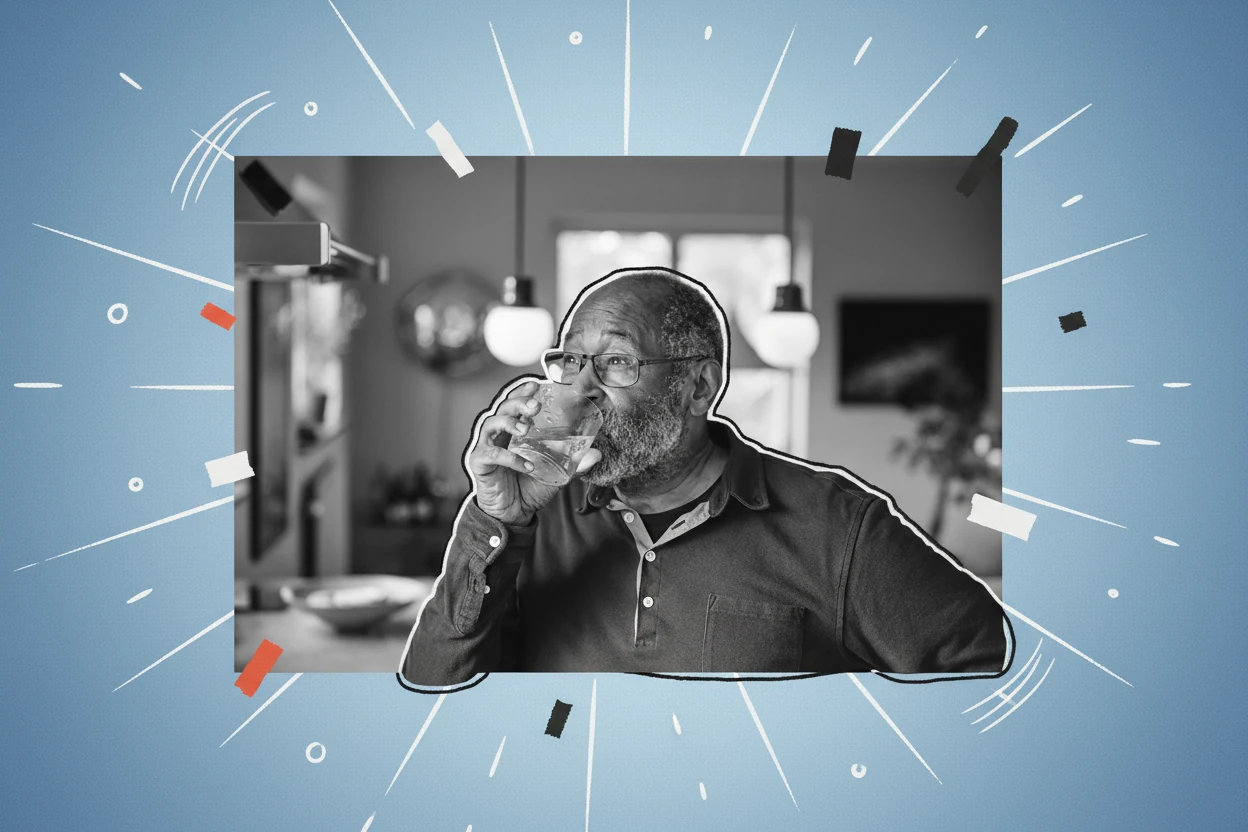
Dehydration reduces blood volume, which is a common cause of low blood pressure45. Drinking adequate fluids helps maintain blood volume and supports normal blood pressure regulation6. For most adults, daily water intake recommendations typically range around eight cups per day, though individual needs may vary7. Staying well hydrated improves circulation and reduces symptoms like dizziness and faintness associated with hypotension2.
- Dehydration lowers blood volume, leading to decreased blood pressure4.
- Drinking more water increases blood volume and improves circulation2.
- Aim for about 8 cups (2 liters) of water daily, adjusting for activity and climate7.
- Proper hydration supports the autonomic nervous system’s ability to regulate blood pressure6.
- Avoid excessive caffeine and alcohol, which can cause dehydration8.
“When your body's properly hydrated, it does a better job of regulating your blood pressure.”
— Jeffery Courson, Cleveland Clinic2
Boost Salt Consumption
Salt intake influences blood pressure by affecting fluid balance and vascular resistance9. Increasing sodium promotes water retention, which raises blood volume and can elevate blood pressure10. However, excessive salt intake is linked to hypertension and cardiovascular risks, so moderation and medical guidance are essential before increasing salt consumption1112. Common dietary sources of sodium include processed foods, cheese, and salted nuts13.
- Sodium helps retain water, increasing blood volume and blood pressure10.
- Moderate salt intake can be beneficial for those with low blood pressure9.
- Avoid high salt intake without consulting a healthcare provider, especially if you have heart or kidney conditions12.
- Incorporate healthy sodium sources like olives, fish, and cottage cheese8.
- Monitor blood pressure regularly when adjusting salt intake2.
Use Caffeine Safely
Caffeine stimulates the nervous system and can cause a short-term rise in blood pressure, typically peaking about 30 minutes after consumption1415. Its effects are transient, generally subsiding within a few hours16. While caffeine can temporarily boost blood pressure, excessive intake may cause side effects such as nervousness and insomnia17. Use caffeine cautiously and avoid it if it worsens symptoms or causes dehydration8.
- Caffeine causes a temporary increase in blood pressure by stimulating the nervous system14.
- Blood pressure peaks around 30 minutes after caffeine intake and returns to baseline within hours1516.
- Moderate caffeine consumption can help manage symptoms of low blood pressure3.
- Avoid excessive caffeine to prevent side effects like anxiety and sleep disturbances17.
- Drink caffeine with water to prevent dehydration8.
“If your blood pressure is low, drinking fluids can raise your blood volume and improve circulation.”
— Jeffery Courson, Cleveland Clinic2
Wear Compression Garments
Compression stockings apply graduated pressure to the legs, enhancing venous return—the flow of blood back to the heart18. This helps reduce orthostatic hypotension, a form of low blood pressure that occurs when standing up19. Full-length compression garments may offer additional support for severe cases by improving overall blood circulation20. Wearing these garments can decrease dizziness and fainting episodes related to low blood pressure.
- Compression stockings improve blood flow from the legs to the heart18.
- They help prevent blood pooling in the lower limbs, reducing orthostatic hypotension19.
- Full-length stockings provide more extensive support for circulation20.
- Use as recommended by healthcare providers, especially if symptoms worsen on standing21.
- Combine with other lifestyle changes for best results3.
Eat Smaller, Frequent Meals
Postprandial hypotension, a drop in blood pressure after eating, is common in older adults and can cause dizziness, faintness, and nausea2223. Eating smaller, more frequent meals helps stabilize blood flow and digestion, reducing the severity of these drops2425. Avoiding large, carbohydrate-heavy meals can also prevent sudden blood pressure decreases after eating8.
- Large meals can cause blood pressure to drop within 15 minutes to 2 hours22.
- Symptoms include dizziness, faintness, and nausea after meals23.
- Smaller, frequent meals help maintain stable blood pressure throughout the day25.
- Limit rapidly digested carbohydrates to reduce post-meal hypotension8.
- Monitor symptoms and adjust meal size accordingly3.
Add Vitamin B12 to Diet
Vitamin B12 supports the autonomic nervous system, which regulates blood pressure26. Deficiency in this vitamin is linked to orthostatic hypotension due to impaired autonomic function27. Including dietary sources such as fish, dairy, and poultry can help maintain adequate B12 levels28. If deficient, medical treatment with supplementation is necessary under healthcare supervision29.
- Vitamin B12 is essential for proper autonomic nervous system function26.
- Deficiency can cause or worsen low blood pressure symptoms like orthostatic hypotension27.
- Good dietary sources include fish, dairy products, and poultry28.
- Supplementation may be required if deficiency is diagnosed29.
- Regular check-ups help identify and treat vitamin B12 deficiency early3.
Helpful Exercises for Low BP
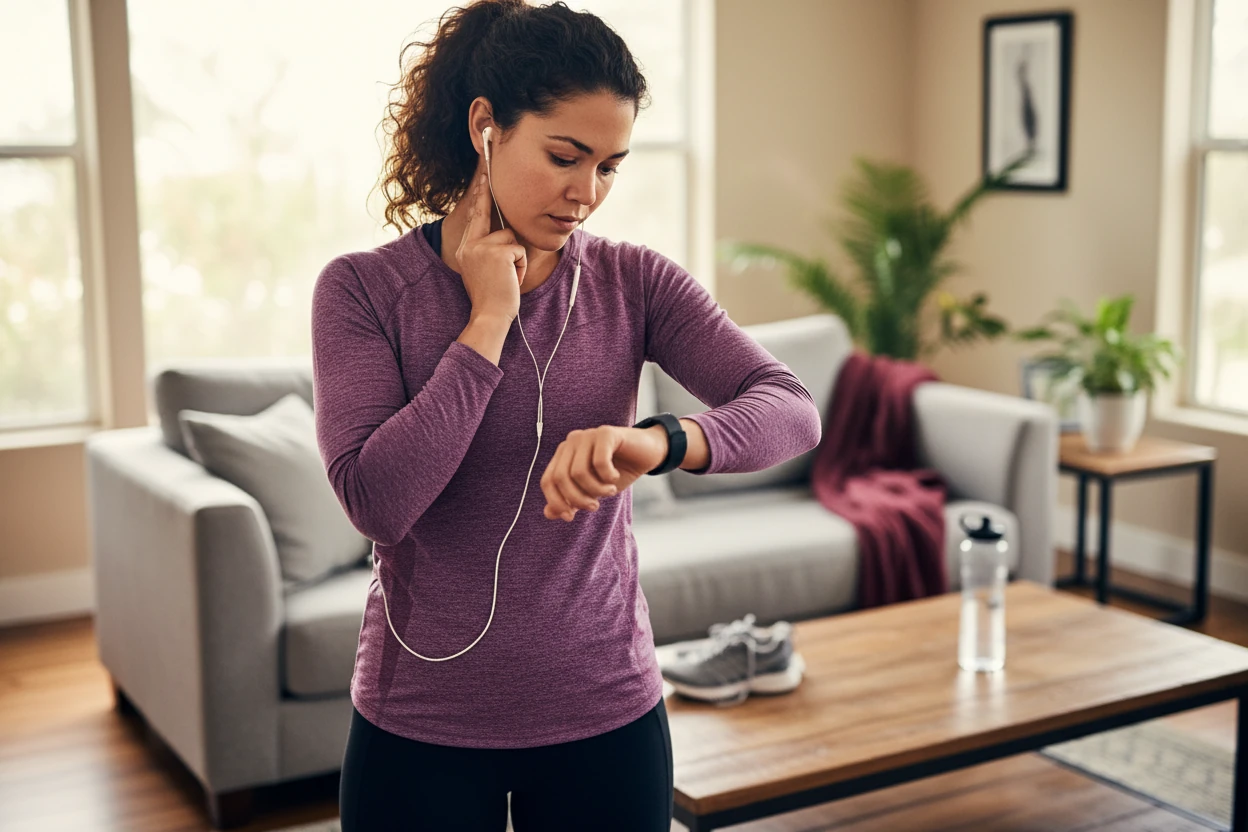
Isometric exercises, which involve muscle contractions without movement, can temporarily raise blood pressure by enhancing vascular tone30. Simple activities like handgrip exercises, leg crossing, and muscle tensing improve venous return and reduce symptoms of orthostatic hypotension313233. Marching in place stimulates circulation and prevents blood pressure drops, while regular aerobic exercise supports overall cardiovascular health343536.
- Isometric exercises increase vascular tone and raise blood pressure temporarily30.
- Handgrip exercises boost peripheral resistance, improving blood pressure32.
- Crossing legs and tensing muscles enhance venous return33.
- Marching in place stimulates circulation and prevents drops34.
- Regular aerobic activities like walking, cycling, and swimming improve cardiovascular function35.
Try Licorice Root
Licorice root contains glycyrrhizin, a compound that mimics aldosterone, a hormone regulating blood pressure37. This action promotes salt retention and water absorption in the kidneys, increasing blood volume and raising blood pressure37. Licorice root can be consumed as tea, supplements, or candies but should only be used under healthcare provider guidance due to risks of excessive intake37.
- Glycyrrhizin in licorice root acts like aldosterone, raising blood pressure37.
- It increases salt retention and water absorption, boosting blood volume37.
- Licorice root products include tea, supplements, and candies37.
- Use only with medical approval to avoid excessive blood pressure elevation37.
- Regular monitoring of blood pressure is important during use37.
Elevate Your Bed Head
Sleeping with the head of your bed elevated helps reduce the effects of gravity on blood flow, minimizing morning dizziness and fainting caused by low blood pressure21. This position supports better circulation upon waking and can ease symptoms of orthostatic hypotension3.
- Elevating the head of the bed improves blood circulation during sleep21.
- It reduces dizziness and fainting when getting up in the morning3.
- Helps prevent blood pooling in the legs overnight21.
- Combine with slow position changes upon waking for best effect8.
- Simple and non-invasive method to manage low blood pressure symptoms3.
Reduce Alcohol Intake
Alcohol can cause dehydration and lower blood pressure by dilating blood vessels8. Limiting alcohol consumption helps maintain adequate hydration and prevents blood pressure drops1. Alcohol may also interact with medications and worsen hypotension symptoms, so moderation is key8.
- Alcohol dilates blood vessels, potentially lowering blood pressure8.
- It promotes dehydration, reducing blood volume8.
- Limiting alcohol helps maintain stable blood pressure1.
- Avoid alcohol if it worsens symptoms or interacts with medications8.
- Staying hydrated reduces the risk of alcohol-induced hypotension2.
Signs Your Blood Pressure Is Too Low
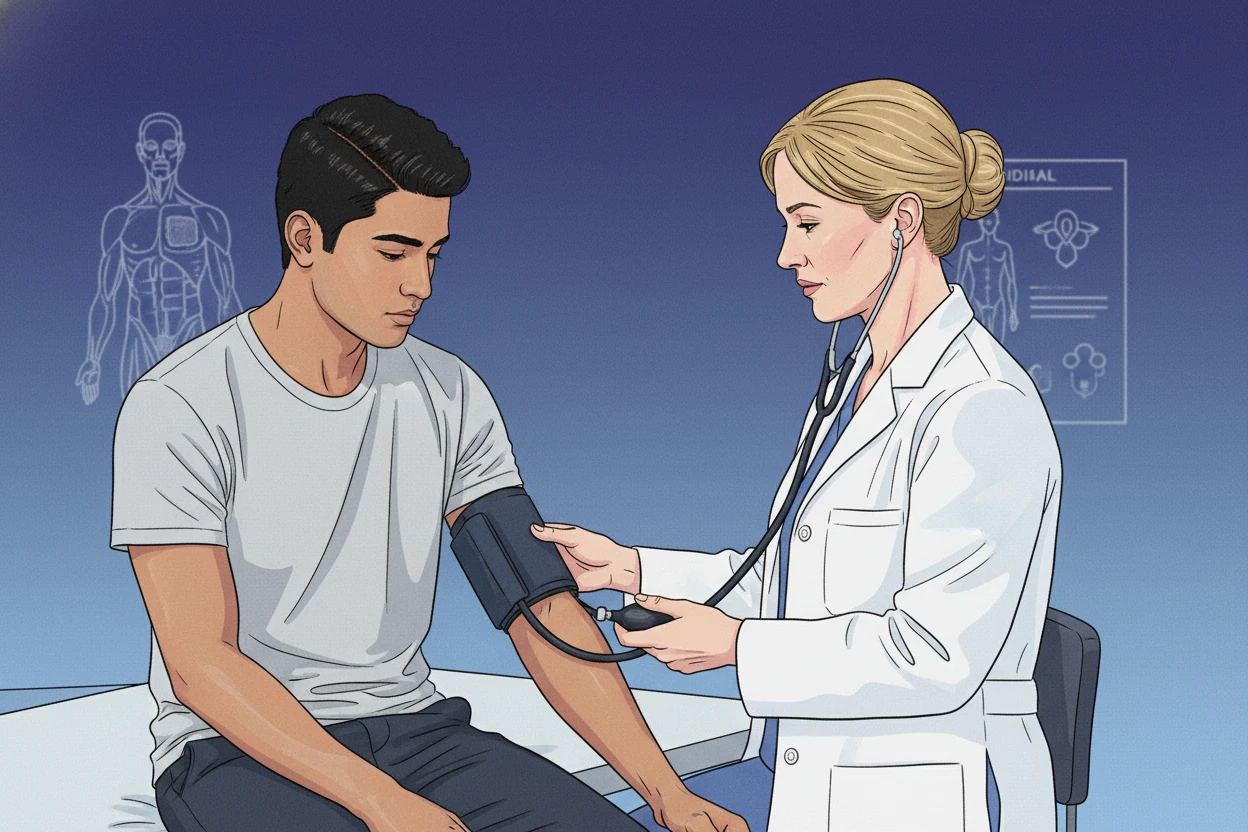
Low blood pressure is generally defined as a reading at or below 90/60 mm Hg2. Symptoms can include dizziness, lightheadedness, confusion, blurred vision, cold clammy skin, sweating, nausea, headache, weakness, and fainting21. A sudden drop of 20 mm Hg or more can cause fainting and requires immediate attention2.
- Blood pressure below 90/60 mm Hg is considered low2.
- Symptoms include dizziness, fainting, confusion, and nausea2.
- Cold, clammy skin and sweating may indicate dangerously low pressure2.
- Sudden drops can cause fainting and increase fall risk2.
- Seek emergency care if symptoms include rapid breathing, weak pulse, or blue skin2.
Not only does changing your position raise your blood pressure and make you less likely to faint, it also means that if you do pass out, you will be less likely to fall and hurt yourself.
— Jeffery Courson, Cleveland Clinic2
Common Causes of Low Blood Pressure
Low blood pressure can result from various causes including dehydration, blood loss, heart problems, medications, and autonomic nervous system disorders391. Older adults and people with conditions like diabetes, hypothyroidism, or Parkinson’s disease are at higher risk40. Some medications, such as beta-blockers and diuretics, may also lower blood pressure1.
- Dehydration reduces blood volume, causing hypotension4.
- Heart conditions like arrhythmias and heart failure can lower blood pressure1.
- Medications including beta-blockers and diuretics may cause hypotension1.
- Autonomic nervous system dysfunction affects blood pressure regulation26.
- Chronic illnesses like diabetes and hypothyroidism increase risk40.
Health Risks of Low Blood Pressure
While low blood pressure is often harmless, it can cause symptoms that increase the risk of falls, fainting, and injury, especially in older adults2. Severe hypotension can reduce blood flow to vital organs, leading to shock, which is a medical emergency239. Symptoms of shock include cold, sweaty skin, rapid breathing, weak pulse, and confusion2.
- Mild hypotension may cause dizziness and fainting, increasing fall risk2.
- Severe low blood pressure can cause organ hypoperfusion and shock39.
- Shock symptoms include pale or blue skin, rapid breathing, and weak pulse2.
- Chronic hypotension may impair cognitive function and physical activity2.
- Monitoring and treatment are important to prevent complications3.
When to See a Doctor
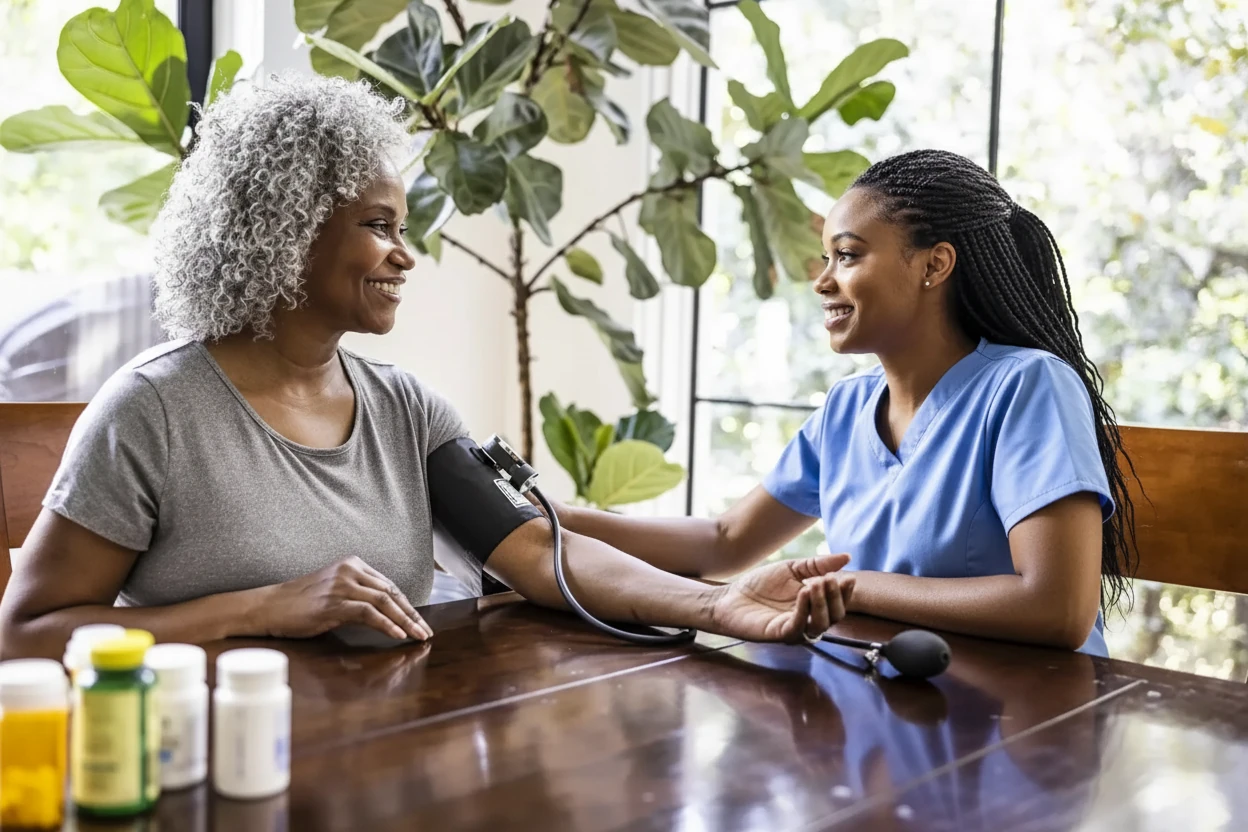
If you experience symptoms like dizziness, fainting, confusion, or persistent fatigue, it is important to consult a healthcare provider401. Sudden or severe drops in blood pressure require immediate medical attention2. Keeping a symptom diary and blood pressure log can help your doctor diagnose and manage hypotension effectively1.
- Contact a doctor if you have dizziness, fainting, or confusion40.
- Seek emergency care for symptoms of shock or sudden severe hypotension2.
- Keep a record of symptoms and blood pressure readings to aid diagnosis1.
- Discuss medication side effects with your healthcare provider1.
- Follow personalized treatment plans to manage underlying causes3.
Key Takeaways
- Drinking enough water daily increases blood volume and helps maintain normal blood pressure46.
- Moderate salt intake can raise blood pressure but should be done under medical supervision912.
- Caffeine provides a temporary boost in blood pressure but should be consumed in moderation1417.
- Compression stockings improve circulation and reduce symptoms of orthostatic hypotension1819.
- Eating smaller, frequent meals helps prevent blood pressure drops after eating, especially in older adults2225.