High blood pressure, or hypertension, affects a large portion of the population worldwide and is a major risk factor for heart disease, stroke, and kidney problems1. Despite its prevalence, most people with high blood pressure do not experience noticeable symptoms, making it difficult to detect without regular monitoring2. Understanding the symptoms and warning signs of different stages of hypertension is crucial for timely diagnosis and treatment to prevent serious complications1.
Stage 1 and 2 Hypertension Symptoms
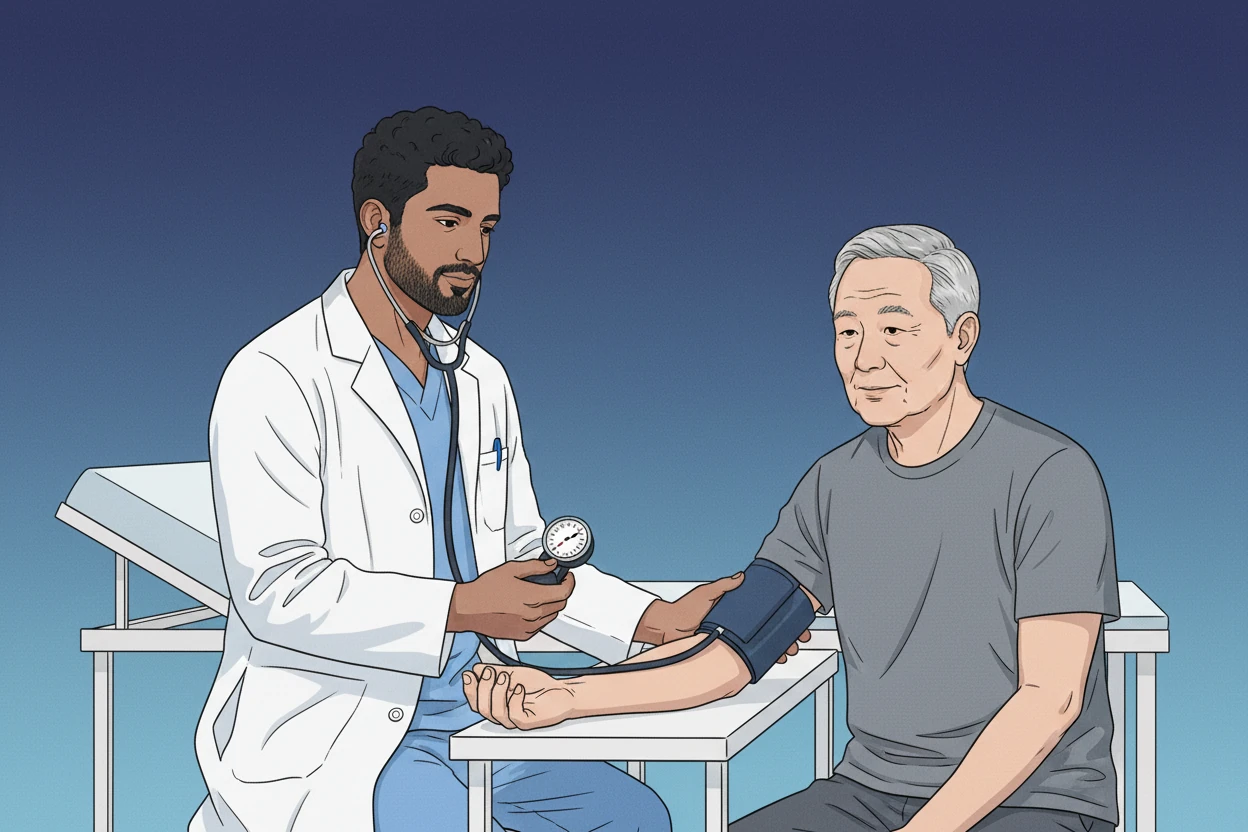
Hypertension is classified into stages based on blood pressure readings. Stage 1 hypertension is defined as a systolic blood pressure between 130 and 139 mmHg or a diastolic pressure between 80 and 89 mmHg3. Stage 2 hypertension is diagnosed when blood pressure consistently measures 140/90 mmHg or higher3. These stages reflect increasing severity and risk for cardiovascular events.
Most individuals with Stage 1 or Stage 2 hypertension do not experience symptoms, which is why hypertension is often called the "silent killer"2. When symptoms do occur, they are usually nonspecific and not directly caused by elevated blood pressure. Commonly reported signs include headaches, dizziness, or facial flushing4. Facial flushing happens due to vasodilation, or widening of blood vessels, and may be observed in some people with high blood pressure4. Another occasional finding is subconjunctival hemorrhage, which appears as blood spots in the eyes but is not a direct symptom of hypertension5.
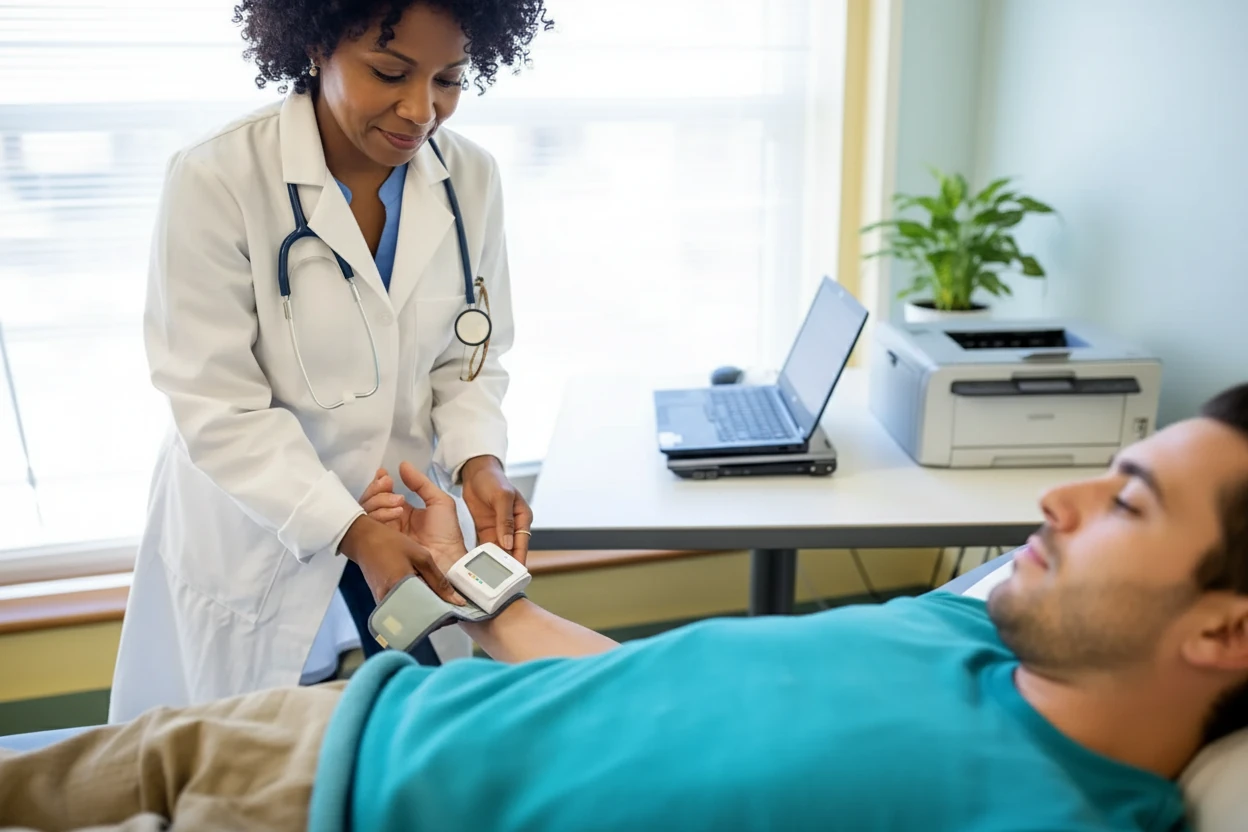
Because hypertension is mostly asymptomatic, many people remain unaware of their condition without regular screening6. The risk of developing hypertension increases with age, and those with risk factors such as obesity, family history, or sedentary lifestyle should have their blood pressure checked routinely7. Early detection through clinical visits and home monitoring is essential to manage blood pressure effectively and reduce the risk of heart attack and stroke2.
💡 Did You Know?
High blood pressure means the force of blood pushing against artery walls is consistently too high, causing the heart to work harder to pump blood1.
Severe High Blood Pressure Symptoms
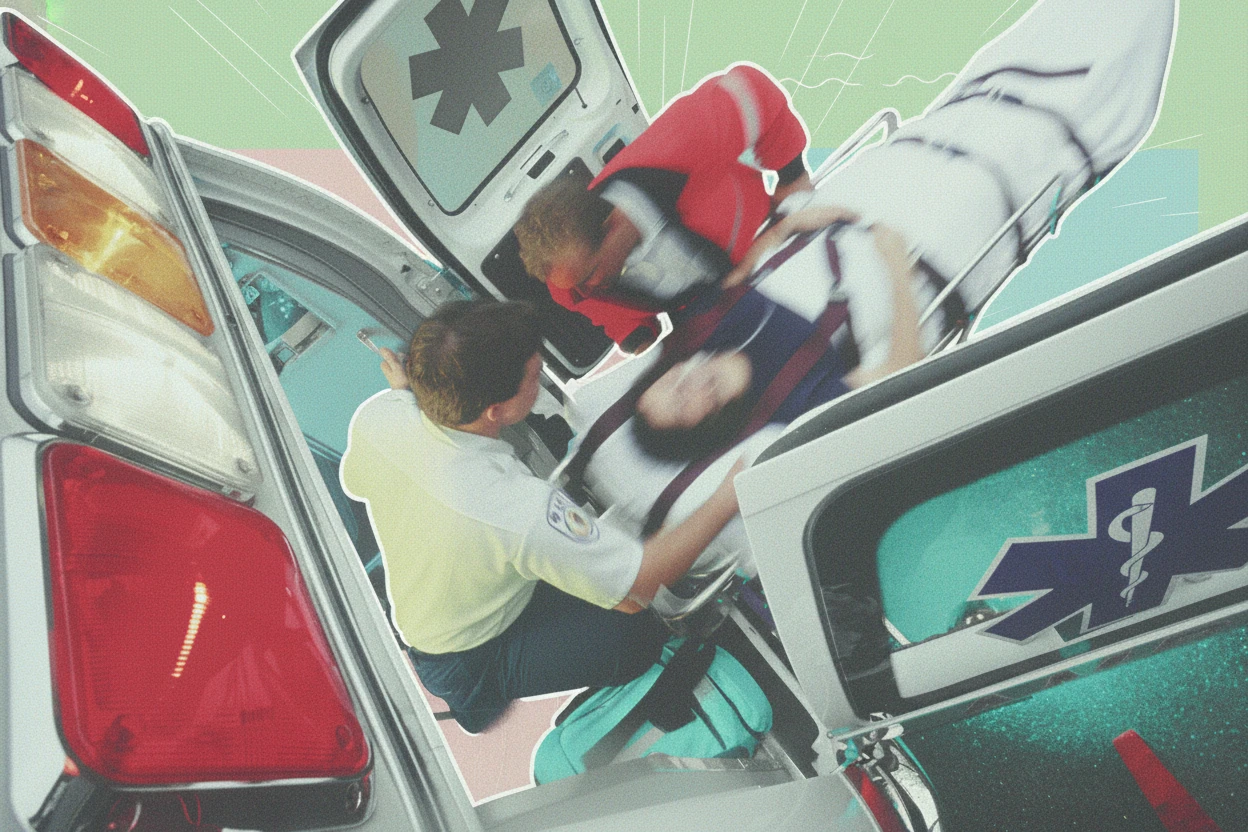
Severe high blood pressure, often referred to as a hypertensive crisis, is a medical emergency characterized by blood pressure readings above 180/120 mmHg8. This condition can be subdivided into hypertensive urgency, where there is no immediate organ damage, and hypertensive emergency, which involves acute injury to organs such as the brain, heart, or kidneys9.
Symptoms of a hypertensive emergency reflect this organ damage and can be severe and sudden. They include:
- Severe headache, often described as the worst headache ever experienced10
- Chest pain, which may indicate cardiac involvement such as a heart attack10
- Shortness of breath and difficulty breathing10
- Neurological deficits such as muscle weakness, numbness, or difficulty speaking, which may signal stroke or brain injury10
- Dizziness or vertigo, suggesting possible cerebrovascular involvement10
- Anxiety and a sense of impending doom10
Complications from untreated hypertensive emergencies include stroke, acute kidney injury, myocardial infarction (heart attack), and heart failure8. Immediate medical intervention is critical to prevent these life-threatening outcomes.
| Blood Pressure Category | Systolic (mmHg) | Diastolic (mmHg) | Symptoms Common? | Risk Level |
|---|---|---|---|---|
| Normal | <120 | <80 | No | Low |
| Elevated | 120-129 | <80 | No | Moderate |
| Stage 1 Hypertension | 130-139 | 80-89 | Rare, nonspecific | Increased |
| Stage 2 Hypertension | ≥140 | ≥90 | Rare, nonspecific | High |
| Hypertensive Crisis | >180 | >120 | Severe, organ damage signs | Emergency, life-threatening |
| Sources:12345678910 | ||||
💡 Did You Know?
Untreated high blood pressure increases the risk of heart attack, stroke, and other serious health problems1.
When to Seek Medical Care
Recognizing when to seek medical care for high blood pressure is vital. A hypertensive crisis, defined as a systolic pressure above 180 mmHg or a diastolic pressure above 120 mmHg, requires urgent evaluation8. If these readings occur without symptoms, it is advised to wait a minute and retake the measurement. If still elevated, contact a healthcare provider promptly11.
Emergency services should be contacted immediately if blood pressure exceeds 180/120 mmHg and is accompanied by any of the following symptoms:
- Chest pain or pressure10
- Severe headache10
- Shortness of breath10
- Back pain11
- Numbness or weakness10
- Changes in vision or difficulty speaking10
These symptoms may indicate organ damage such as stroke, heart attack, or kidney failure and require immediate treatment to prevent fatal outcomes8.
Regular blood pressure monitoring, both at home and during healthcare visits, is essential for early detection and management3. Patients with consistently elevated readings at or above 130/80 mmHg should report these to their healthcare provider for evaluation and possible treatment adjustments2.
High blood pressure is often called the silent killer because most people do not experience symptoms even when blood pressure is dangerously high. Regular monitoring is the only reliable way to detect hypertension early and prevent serious complications26.
Key Points Summary
- Stage 1 hypertension is defined as blood pressure between 130-139/80-89 mmHg; Stage 2 is 140/90 mmHg or higher3.
- Most people with high blood pressure have no symptoms, making regular screening essential2.
- Symptoms such as headache, dizziness, or facial flushing may occur but are not directly caused by high blood pressure4.
- Hypertensive crisis (blood pressure >180/120 mmHg) is a medical emergency with symptoms like severe headache, chest pain, and neurological deficits810.
- Immediate medical attention is critical during hypertensive emergencies to prevent stroke, heart attack, and kidney failure8.
- Home blood pressure monitoring complements clinical care and improves blood pressure control3.