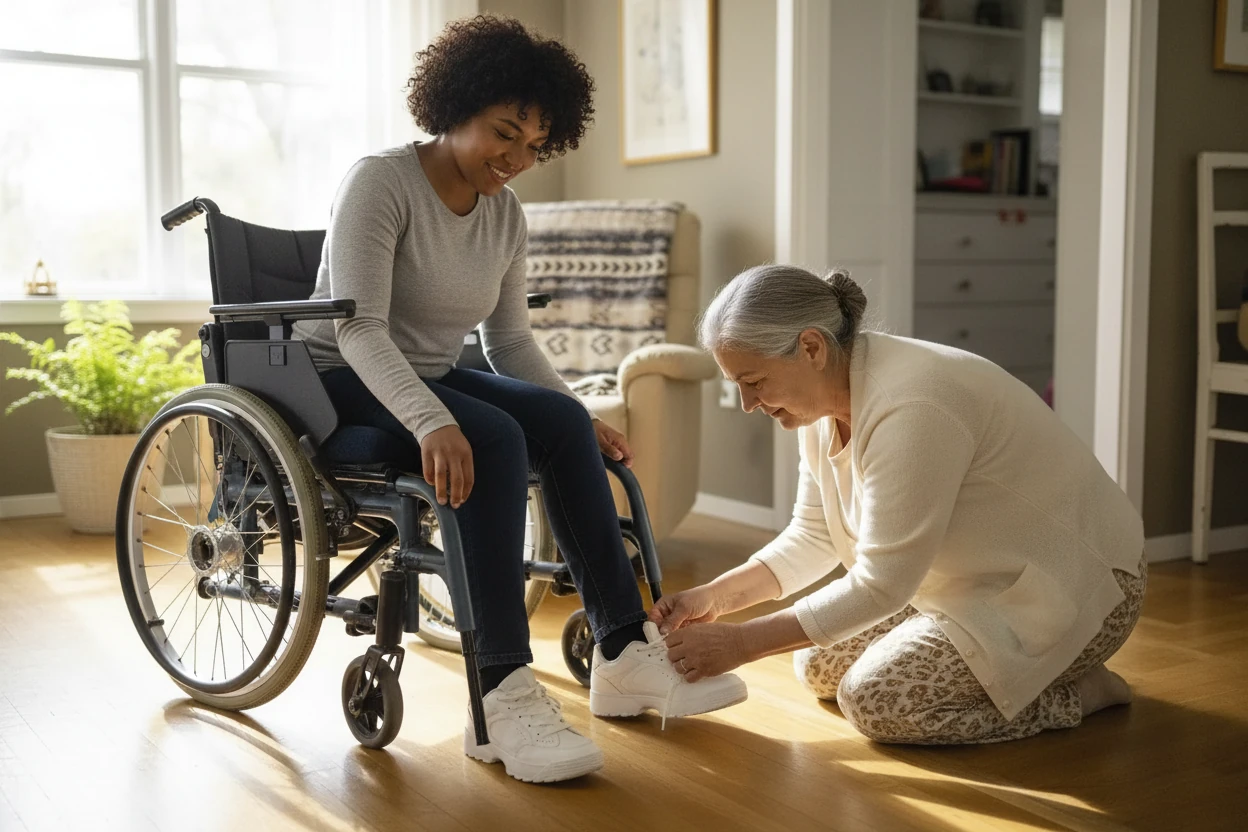
Hemiplegia is a condition characterized by paralysis on one side of the body, often resulting from brain or spinal cord injuries1. It can affect the face, arm, and leg on the affected side, leading to significant challenges in movement and daily functioning2. The severity and type of hemiplegia depend on the location and extent of the brain or spinal cord damage3. Understanding the types, symptoms, causes, and treatment options is essential for managing this complex condition effectively1.
Understanding the Different Types of Hemiplegia
Hemiplegia refers to the paralysis of muscles on one side of the body, which can be classified based on the side affected or the nature of muscle involvement3. The two primary types are:
- Right Hemiplegia: Paralysis affects the right side of the body, usually caused by damage to the left hemisphere of the brain3.
- Left Hemiplegia: Paralysis affects the left side of the body, typically due to injury to the right hemisphere of the brain3.
Other classifications include:
- Spastic Hemiplegia: Characterized by muscle stiffness and involuntary contractions on one side, leading to difficulty in movement and chronic muscle pain45.
- Facial Hemiplegia: Paralysis limited to the muscles of one side of the face, which may occur independently or alongside limb hemiplegia6.
- Congenital Hemiplegia: Present at or shortly after birth, often due to cerebral palsy or early brain injury1.
- Alternating Hemiplegia of Childhood: A rare genetic condition causing episodes of paralysis alternating sides1.
- Spinal Hemiplegia (Brown-Séquard Syndrome): Paralysis resulting from spinal cord injury affecting one side of the body1.
Hemiplegia severity ranges from partial weakness (hemiparesis) to complete paralysis on the affected side7.
Hemiplegia Symptoms: Unilateral Weakness, Paralysis & Early Signs
Hemiplegia manifests with a range of physical, cognitive, emotional, and social symptoms that impact daily life.
Physical Symptoms
- Paralysis or severe weakness on one side of the body, including the face, arm, and leg6.
- Muscle stiffness (spasticity) or uncontrollable muscle contractions4.
- Poor balance and coordination, leading to difficulty walking and increased risk of falls6.
- Impaired fine motor skills, such as difficulty grasping objects or performing precise movements1.
- Muscle atrophy due to disuse and lack of movement5.
- Characteristic gait abnormalities, including swinging the affected leg in a wide arc and abnormal arm positioning7.
- Possible loss or alteration of sensation on the affected side6.
Cognitive Symptoms
- Difficulty with speech and swallowing may occur if brain regions controlling these functions are affected6.
- Memory and cognitive impairments can accompany hemiplegia depending on the brain injury extent6.
- Problems with breathing and cardiopulmonary function may arise due to neurological damage8.
Emotional and Social Symptoms
- Mood swings, depression, and anxiety are common due to the physical and social challenges of hemiplegia8.
- Social isolation and irritability may result from communication difficulties and mobility restrictions8.
- Impulsivity and risk-taking behaviors can occur, impacting social interactions8.
Living with hemiplegia often involves not only physical challenges but also emotional and social difficulties such as depression and anxiety, which can significantly affect quality of life8.
What Causes Hemiplegia? Stroke, Brain Injury & Other Risk Factors
Hemiplegia results from damage to the brain or spinal cord that controls movement on the opposite side of the body9. The most common causes include:
- Stroke: The leading cause, occurring when a mcv blood test results meaning and normal range vessel in the brain ruptures or becomes blocked, leading to brain tissue damage83.
- Traumatic Brain Injury: Injuries from accidents or trauma can damage motor control areas1.
- Brain Tumors and Infections: These can disrupt normal brain function and cause paralysis6.
- Congenital Conditions: Such as cerebral palsy or genetic disorders causing early brain injury1.
- Spinal Cord Injury: Including Brown-Séquard syndrome, which affects one side of the body1.
- Other Neurological Diseases: Multiple sclerosis and demyelinating diseases may cause hemiplegia3.
- Vascular Conditions: Aneurysms and cerebral hemorrhages can lead to hemiplegia3.
Risk Factors
- High blood pressure, diabetes, and cardiovascular disease increase stroke risk, thus raising hemiplegia risk1.
- Traumatic injuries from falls, accidents, or sports increase chances of brain or spinal cord damage1.
- Congenital factors and genetic predispositions contribute to early-onset hemiplegia1.
- Lifestyle factors such as poor diet, smoking, and lack of exercise can increase stroke risk1.
Diagnosing Hemiplegia: Tests, Imaging & Neurological Evaluation
Diagnosis involves clinical evaluation and imaging studies to identify the cause and extent of neurological damage.
- A detailed neurological examination assesses muscle strength, reflexes, sensation, and coordination on both sides of the body7.
- Medical history review focuses on events like stroke, trauma, or congenital conditions3.
- Imaging techniques such as MRI and CT scans visualize brain or spinal cord lesions3.
- Electroencephalography (EEG) may be used if seizures are suspected3.
- Blood tests help identify underlying causes like infections or metabolic issues3.
Hemiplegia is confirmed when paralysis is observed on one side of the body corresponding to damage in the opposite brain hemisphere or spinal cord810.
“Hemiplegia is a symptom that causes paralysis on one side — left or right — of your body. Because it's a key symptom of a stroke, hemiplegia is almost always a reason to seek immediate medical care (unless you have a diagnosed condition that causes hemiplegia and your healthcare provider tells you that emergency care isn't necessary).”
— Cleveland Clinic Medical Professionals, Cleveland Clinic2
Hemiplegia Treatment Options: Rehabilitation, Therapies & Medications
Treatment focuses on improving function, managing symptoms, and addressing underlying causes through a multidisciplinary approach.
Rehabilitative Therapies
- Physical Therapy: Enhances muscle strength, balance, and coordination, focusing on walking and standing11.
- Occupational Therapy: Improves arm and hand function and assists with daily living activities11.
- Speech Therapy: Helps with communication and swallowing difficulties when present11.
- Mental Imagery and Cortical Stimulation: Techniques to activate brain areas and promote motor recovery12.
Orthotic Devices
- Braces, canes, walkers, and wheelchairs support mobility and stability12.
- Assistive devices help compensate for weakness and improve independence1.
Constraint-Induced Movement Therapy (CIMT)
- Modified CIMT forces use of the weaker limb by restricting the unaffected side, promoting neuroplasticity and functional recovery112.
Medications
- Muscle Relaxants: Used to reduce spasticity and muscle stiffness5.
- Blood Thinners: Prescribed if hemiplegia is caused by ischemic stroke to prevent further clots5.
- Neuromuscular Electrical Stimulation (NMES): Helps decrease spasticity and improve muscle function3.
- Antidepressants and Anxiolytics: May be used to manage emotional symptoms like depression and anxiety8.
Rehabilitation is the cornerstone of hemiplegia treatment, involving physical, occupational, and speech therapies alongside medications to manage symptoms and improve quality of life11.
Preventing Hemiplegia: Reducing Stroke Risk & Managing Underlying Conditions
Prevention primarily targets reducing the risk of stroke and brain injury:
- Maintain a balanced diet and healthy weight to support cardiovascular health1.
- Manage chronic conditions such as hypertension, diabetes, and epilepsy effectively1.
- Avoid smoking and excessive alcohol consumption1.
- Use safety equipment during activities to prevent head and spinal injuries1.
- Seek prompt treatment for infections and other medical conditions that may affect the nervous system1.
Conditions Related to Hemiplegia: Spasticity, Aphasia & Complications
Several neurological and systemic conditions are associated with or can cause hemiplegia:
- Hemiparesis: Partial weakness on one side, often a precursor or milder form of hemiplegia7.
- Spastic Hemiplegia Cerebral Palsy: A form of cerebral palsy with muscle stiffness affecting one side4.
- Brown-Séquard Syndrome: Spinal cord injury causing hemiplegia on one side1.
- Stroke and Transient Ischemic Attacks (TIAs): Leading causes of hemiplegia3.
- Brain Tumors and Infections: May cause localized brain damage resulting in hemiplegia6.
- Alternating Hemiplegia of Childhood: A rare genetic disorder causing episodic paralysis1.
Living With Hemiplegia: Adapting, Support & Improving Quality of Life
Living with hemiplegia involves managing physical limitations and emotional challenges:
- Patients often experience anxiety and depression due to loss of independence and social isolation8.
- Physical impairments affect daily activities such as dressing, eating, and walking8.
- Secondary complications include muscle atrophy, poor blood circulation, and risk of sores from immobility5.
- Support from healthcare providers, family, and community resources is vital for maintaining quality of life8.
Hemiplegia is a condition caused by brain damage or spinal cord injury that leads to paralysis on one side of the body. It causes weakness, problems with muscle control, and muscle stiffness.
— Seunggu Han, MD1
Frequently Asked Questions About Hemiplegia
What is the difference between hemiplegia and hemiparesis?
Hemiplegia is complete paralysis of one side of the body, while hemiparesis refers to partial weakness or reduced movement on one side7.
Can hemiplegia be cured?
Hemiplegia is often a permanent condition, especially when caused by brain damage like stroke. However, rehabilitation can improve function and quality of life1.
What causes hemiplegia to affect the opposite side of the body from the brain injury?
The brain controls the opposite side of the body due to the crossing of nerve pathways in the brainstem, so damage to one hemisphere affects the contralateral side3.
Is hemiplegia always caused by stroke?
Stroke is the most common cause, but hemiplegia can also result from traumatic brain injury, tumors, infections, congenital conditions, and spinal cord injuries1.