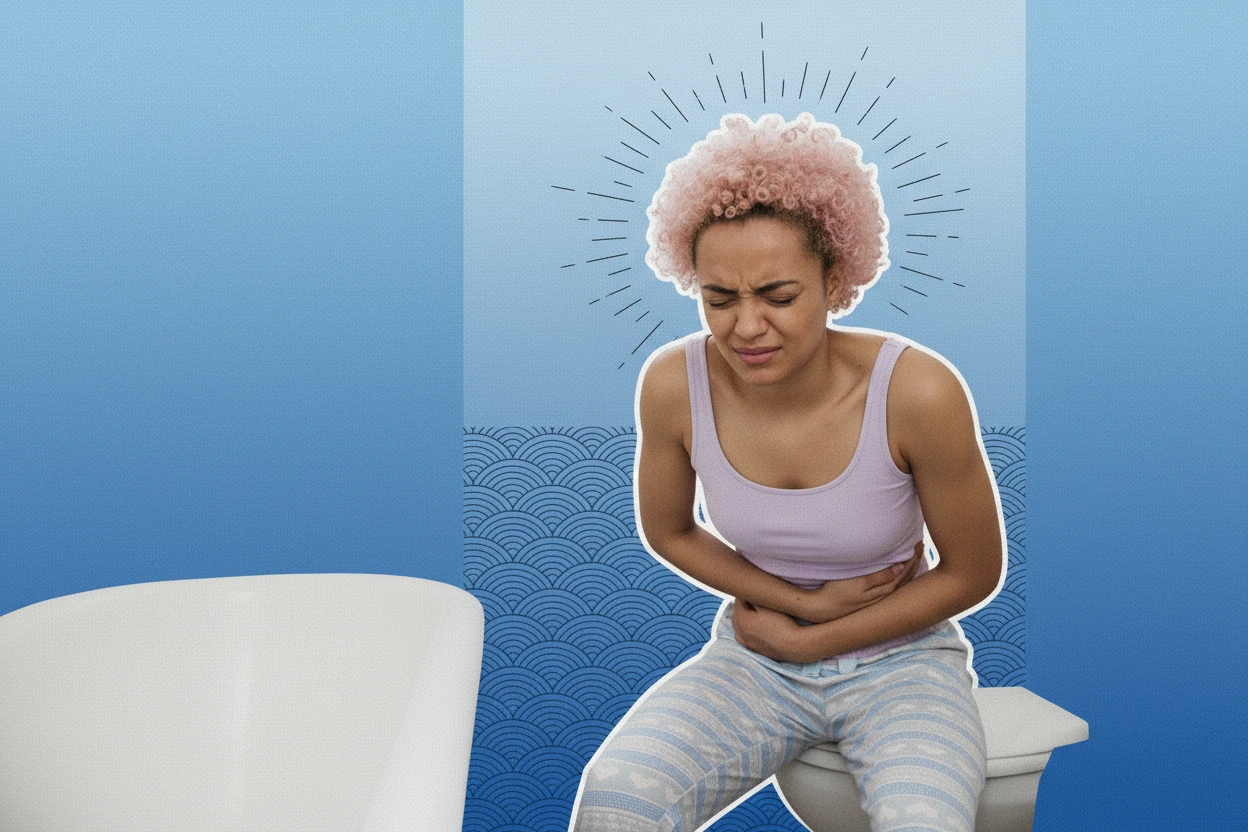
More than half of people in the United States who take proton pump inhibitors (PPIs) daily still experience acid reflux symptoms1. Despite being the cornerstone of treatment for gastroesophageal reflux disease (GERD), PPIs do not work for everyone, leading to persistent heartburn and discomfort1. Understanding why heartburn medication may fail can help patients and healthcare providers find better solutions2.
Understanding Proton Pump Inhibitors
Proton pump inhibitors (PPIs) are medications designed to reduce the acidity of gastric juice by blocking acid secretion in the stomach3. They are commonly prescribed to treat GERD, a condition where stomach acid flows back into the esophagus, causing heartburn and potential esophageal damage4. Popular PPIs include omeprazole (Prilosec), esomeprazole (Nexium), lansoprazole (Prevacid), pantoprazole (Protonix), and rabeprazole (AcipHex)3.
PPIs work by inhibiting the proton pumps in the stomach lining, which decreases acid production and helps heal esophagitis (inflammation of the esophagus)5. Over-the-counter (OTC) versions of some PPIs are available for short-term use, typically for two weeks, to manage frequent heartburn occurring at least twice a week6. However, PPIs require several days to reach their full effect and are most effective when taken correctly, usually 30 minutes before a meal43.
Despite their effectiveness, about one-third of patients do not respond fully to PPI therapy7. This lack of response may be due to factors such as non-acid reflux, functional heartburn, or other esophageal disorders7. Proper diagnosis and adherence to medication instructions are essential to maximize the benefits of PPIs3.
1. Incorrect Acid Reflux Diagnosis
One common reason heartburn medication may not work is that the underlying cause of symptoms is not acid reflux or GERD. Misdiagnosis can lead to ineffective treatment with PPIs, as these medications target acid production specifically1.
Several other conditions can mimic GERD symptoms but require different management:
- Achalasia: A disorder where the esophagus cannot properly push food into the stomach, causing symptoms similar to reflux1.
- Eosinophilic esophagitis: Characterized by an accumulation of white low blood pressure signs and symptoms cells in the esophagus, leading to inflammation and discomfort1.
- Non-acid reflux: Reflux of stomach contents without significant acidity can cause symptoms that do not respond to acid suppression8.
- Functional heartburn: A condition where patients experience heartburn symptoms without evidence of acid reflux or esophageal damage9.
- Other esophageal inflammatory conditions: Various inflammations can mimic GERD symptoms9.
- Heart disease: Chest pain from angina can be mistaken for heartburn due to the proximity of the esophagus and heart10.
More than 50% of patients with symptoms refractory to PPI therapy are diagnosed with functional heartburn or visceral hypersensitivity rather than acid-related reflux9. Therefore, a thorough medical history and diagnostic tests such as endoscopy, esophageal pH monitoring, and impedance testing are important to confirm the diagnosis11.
Certain medications and supplements can irritate the esophagus or relax the lower esophageal sphincter, worsening reflux symptoms and mimicking GERD12. These include:
- Antibiotics like tetracycline and clindamycin
- Bisphosphonates (e.g., alendronate, ibandronate)
- Iron supplements
- Pain relievers such as ibuprofen and aspirin
- Anticholinergics, tricyclic antidepressants, calcium channel blockers, nitrates, and opioids
- Progesterone and sedatives like benzodiazepines
Patients with GERD should consult healthcare providers about their medications to identify any that may exacerbate symptoms12.
2. Improper PPI Usage
Even when GERD is correctly diagnosed, improper use of PPIs is a frequent cause of treatment failure. PPIs are most effective when taken about 30 to 45 minutes before the first meal of the day because they block acid pumps that are activated by food intake313.
Common mistakes include:
- Taking PPIs after meals or at inconsistent times, reducing their effectiveness3.
- Missing doses or not adhering to the prescribed schedule14.
- Taking only once-daily dosing when twice-daily dosing may be necessary for symptom control3.
- Increasing the dose without medical supervision, which can lead to adverse effects3.
PPIs are slow-acting and may take several days to provide full symptom relief. Patients should be advised to continue therapy as prescribed and not expect immediate improvement413.
For patients with nighttime symptoms, a second dose taken 30 minutes before dinner may be recommended3. If symptoms persist despite proper use, healthcare providers might consider dose escalation or alternative treatments13.
It is important to take the medicine at least 30 to 45 minutes before a meal because the medicine only blocks acid pumps that are active, and they are activated by food13.
3. Dietary Heartburn Triggers
Diet plays a crucial role in the management of GERD symptoms. Certain foods and eating habits can exacerbate acid reflux, making heartburn medications less effective315.
Common dietary triggers include:
- Acidic foods such as citrus fruits and tomatoes31.
- Alcoholic beverages31.
- Caffeine-containing drinks like coffee and tea31.
- Chocolate31.
- High-fat foods31.
- Mint, which relaxes the lower esophageal sphincter31.
- Spicy foods31.
Eating meals less than three hours before lying down or sleeping can worsen acid reflux by allowing stomach contents to flow back into the esophagus31. Late-night snacking and lying down soon after eating are common triggers3.
Effective Heartburn Management Strategies
Managing heartburn effectively often requires a combination of medication and lifestyle changes. The following strategies can help reduce symptoms and improve the effectiveness of PPIs.
-
Do Not Sleep With a Full Stomach
Avoid lying down within three to four hours after eating to reduce acid reflux episodes3115. -
Elevate Your Head
Raising the head of the bed by six to eight inches can help prevent stomach acid from flowing back into the esophagus during sleep315. -
Manage Your Weight
Excess body fat increases pressure on the stomach and lower esophageal sphincter, worsening reflux315. -
Avoid Foods That Trigger Acid Reflux
Identify and limit intake of acidic, fatty, spicy, caffeinated, and alcoholic foods and beverages3115. -
Take Your Medicine as Prescribed
Follow instructions carefully, taking PPIs 30 to 45 minutes before meals and adhering to dosing schedules313. -
Try an Over-the-Counter Medicine
For breakthrough symptoms, H2 blockers or antacids may provide additional relief when taken before meals or as needed31.
When to See a Doctor
If heartburn symptoms persist despite PPI therapy and lifestyle changes, it is important to consult a healthcare provider316. Persistent symptoms may indicate:
- Incorrect diagnosis or presence of other conditions mimicking GERD1.
- Need for medication adjustment or alternative therapies2.
- Requirement for diagnostic tests such as endoscopy, esophageal pH monitoring, or motility studies1117.
A healthcare provider can help ensure the correct diagnosis, optimize medication use, and recommend additional treatments or procedures if necessary32.
Patients with persistent symptoms despite PPI therapy should be evaluated further to ensure the correct diagnosis and appropriate management3.
Key Takeaways
- Proton pump inhibitors (PPIs) reduce stomach acid and are effective for many patients with GERD, but about one-third do not respond fully to therapy73.
- Misdiagnosis is common; conditions such as achalasia, eosinophilic esophagitis, and functional heartburn can mimic GERD symptoms and require different treatments91.
- Proper PPI use is critical; taking medication 30 to 45 minutes before meals and adhering to dosing schedules improves outcomes313.
- Diet and lifestyle factors, including avoiding trigger foods and not lying down soon after eating, significantly impact symptom control3115.
- Persistent symptoms warrant medical evaluation to confirm diagnosis and explore alternative treatments32.