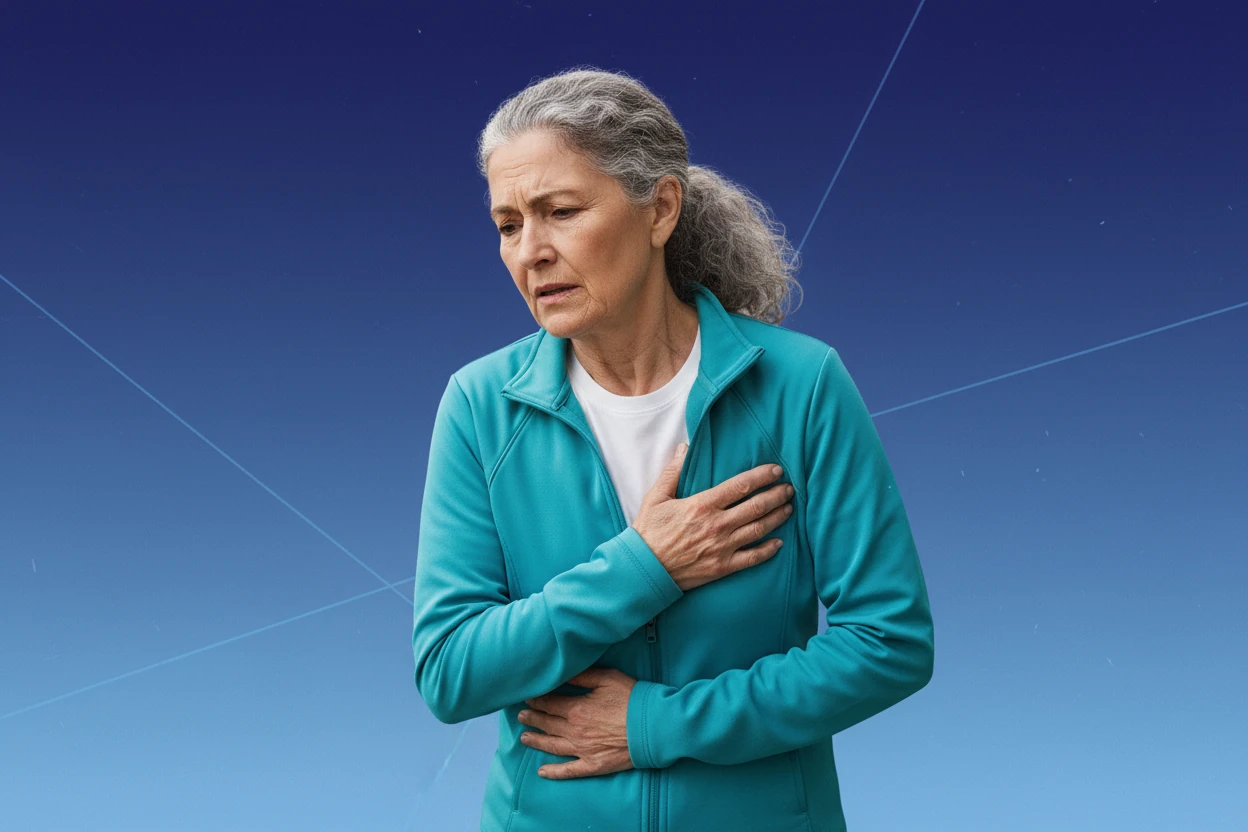
Heart disease is the leading cause of death worldwide, responsible for nearly one-third of all global deaths in 20221. In the United States, someone experiences a heart attack every 34 to 39 seconds, highlighting the urgent need for awareness and early detection23. Recognizing the symptoms and warning signs of various heart conditions can save lives by prompting timely medical care and prevention4.
Common Heart Condition Symptoms
Heart disease encompasses a wide range of conditions that affect the heart's structure and function. Symptoms vary depending on the specific type of heart disease but often include chest pain, shortness of breath, fatigue, and irregular heartbeats4. Understanding these symptoms by condition helps in early recognition and management.
Coronary Artery Disease (CAD)
Coronary artery disease is the most common heart condition, caused by the buildup of fatty deposits called plaques inside the coronary arteries4. This process, known as atherosclerosis, narrows the arteries and reduces planks and wall sits for lowering blood pressure flow to the heart muscle54. Early plaques are microscopic but can grow over time, leading to significant arterial blockage5.
Symptoms of CAD include:
- Chest pain or pressure (angina), which may also be felt in the shoulders, neck, arms, stomach, or back64
- Shortness of breath, especially during physical activity64
- Fatigue and dizziness or lightheadedness64
When the arteries become severely narrowed or blocked, a heart attack can occur, presenting with crushing chest pain, pain radiating to the shoulders or arms, sweating, and shortness of breath4. However, some people may have minimal or no symptoms until a serious event happens4.
Infective Endocarditis (IE)
Infective endocarditis is an infection of the heart's inner lining, including the valves and chambers7. While specific symptoms were not detailed in the provided sources, IE often presents with fever, fatigue, and heart murmurs in clinical practice8. It is a serious condition requiring prompt medical evaluation.
Arrhythmia
Arrhythmias are abnormal heart rhythms that can disrupt the heart's ability to pump blood effectively4. Symptoms may include:
- Chest pain or discomfort4
- Dizziness, lightheadedness, or fainting4
- Fluttering or racing heartbeat (palpitations)4
- Shortness of breath4
- Slow heartbeat in some cases4
These symptoms arise because arrhythmias affect the heart's electrical system, leading to irregular or inefficient heartbeats4.
Heart Failure
Heart failure occurs when the heart cannot pump enough blood to meet the body's needs4. It can affect the left, right, or both sides of the heart9. Symptoms include:
- Shortness of breath during activity or at rest49
- Fatigue and weakness64
- Swelling in the legs, ankles, feet, or abdomen4
- Rapid or irregular heartbeat4
Acute heart failure is a common cause of hospital admission in older adults and requires urgent treatment10. Early intervention in structural heart disease without symptoms (Stage B heart failure) may delay progression to overt heart failure11.
Heart Valve Disease
Heart valve disease involves valves that are too narrow or do not close properly, reducing blood flow through the heart4. Symptoms depend on the affected valve but often include:
- Chest pain4
- Fatigue4
- Shortness of breath4
- Irregular heartbeats4
- Swelling in the feet or ankles4
Valve problems can lead to heart failure or arrhythmias if untreated4.
Pericarditis
Pericarditis is inflammation of the sac surrounding the heart (pericardium)4. Common symptoms include sharp chest pain that may worsen with breathing or lying down and improve when sitting up4. Other signs can include fever and a feeling of weakness4.
Cardiomyopathy
Cardiomyopathy refers to diseases of the heart muscle that affect its ability to pump blood4. Symptoms may be absent early but can progress to:
- Fatigue and weakness4
- Shortness of breath, especially during activity or at night4
- Dizziness or fainting4
- Rapid or irregular heartbeats4
- Swelling in the legs and feet4
Hypertrophic cardiomyopathy, a form where the heart muscle thickens, can cause obstructive blood flow and symptoms such as chest pain and fainting9.
Congenital Heart Defect
Congenital heart defects are structural problems present at birth that affect normal blood flow through the heart4. Symptoms in infants may include:
- Blue or gray skin color (cyanosis)4
- Swelling in the legs, belly, or around the eyes4
- Shortness of breath during feeding, leading to poor weight gain4
In older children or adults, symptoms can include exercise intolerance, swelling, and shortness of breath4. Advances in management have improved outcomes for complex congenital heart disease8.
Peripheral Arterial Disease (PAD)
Peripheral arterial disease results from atherosclerosis affecting arteries outside the heart, commonly in the legs12. Symptoms include:
- Cramping, aching, or numbness in the calves during walking, which resolves with rest12
- Coldness or weakness in the legs or feet4
PAD indicates widespread arterial disease and increases the risk of heart attack and stroke12.
Pulmonary Hypertension
Pulmonary hypertension is high blood pressure in the arteries of the lungs, which strains the right side of the heart4. Symptoms include:
- Shortness of breath, especially during activity4
- Fatigue4
- Chest pain4
- Swelling in the legs or abdomen4
It can lead to right heart failure if untreated4.
Cerebrovascular Disease (Stroke)
Stroke occurs when blood flow to the brain is blocked or a blood vessel ruptures1. Symptoms include:
- Sudden weakness or numbness in the face, arm, or leg, often on one side1
- Sudden confusion, trouble speaking, or understanding speech1
- Sudden trouble seeing or walking, dizziness, loss of balance1
Immediate medical attention is critical to reduce brain damage and improve outcomes1.
Myocardial Infarction (Heart Attack)
💡 Did You Know?
Heart disease is the leading cause of death around the world. According to the American Heart Association, someone in the United States dies of a heart attack every 39 seconds2.
A heart attack happens when a coronary artery is completely blocked, causing damage to the heart muscle4. Classic symptoms include:
- Crushing chest pain or pressure4
- Pain radiating to the shoulders, arms, jaw, or back4
- Shortness of breath4
- Sweating and nausea4
Women may experience atypical symptoms such as nausea, vomiting, and back or jaw pain1. Prompt emergency care is essential4.
When to See a Doctor
Heart disease symptoms can mimic other health conditions, making it important to seek medical advice if you notice changes in your heart health7. Early diagnosis through blood tests, imaging, and laboratory evaluations can improve quality of life and prevent complications7.
You should contact a healthcare provider if you experience:
Many heart-related symptoms are linked to reduced blood flow to the heart. Symptoms like jaw or neck pain, nausea, fatigue, and shortness of breath may not seem like heart issues but can be warning signs. Recognizing these signs early and seeking medical care can prevent life-threatening events12.
- Chest pain, pressure, or discomfort6
- Shortness of breath or difficulty breathing6
- Unexplained fatigue or dizziness6
- Palpitations or irregular heartbeats6
- Swelling in the legs, ankles, or abdomen6
Seek immediate emergency care if you or someone else has symptoms of a heart attack or stroke, such as sudden chest pain, weakness on one side, or difficulty speaking71.
Family history is a significant risk factor for heart disease. If you have a close relative with heart disease, regular testing and lifestyle management are recommended to reduce your risk713.
Heart Disease Symptoms Summary
Heart disease includes many conditions that affect the heart's ability to pump blood and maintain a steady rhythm4. Common symptoms across different heart diseases include:
For example, stress and depression turn out to be as potent risk factors as smoking and diabetes13.
- Chest pain, tightness, or pressure6
- Shortness of breath, especially during exertion6
- Fatigue and dizziness6
- Palpitations or irregular heartbeats6
- Swelling in the legs, ankles, or abdomen6
Symptoms vary depending on the specific heart condition but often overlap, emphasizing the importance of medical evaluation for any concerning signs6.
Early detection and management of heart disease risk factors such as high blood pressure, high cholesterol, diabetes, smoking, and obesity can prevent or delay the onset of symptoms and serious complications131. Lifestyle changes including a healthy diet, regular exercise, stress management, and avoiding tobacco are essential for heart health1415.