Heart attacks remain a leading cause of death worldwide, with ischemic heart disease accounting for nearly half of cardiovascular deaths1. Despite this, only about half of adults can correctly identify heart attack symptoms, and awareness is even lower among those experiencing their first event2. Early recognition of symptoms is crucial because timely treatment significantly improves survival and reduces complications2. Understanding who is more likely to recognize symptoms and knowing both common and less common signs can save lives.
Heart Attack Risk Factors: Identifying Vulnerable Groups & Symptom Recognition
Awareness of heart attack symptoms varies widely across different demographic groups and clinical histories. Individuals who have previously experienced a myocardial infarction (heart attack) generally have better symptom awareness compared to those facing their first event2. However, a significant portion of adults remain unaware of these symptoms, which contributes to delayed treatment and worse outcomes2.
Several factors influence the likelihood of recognizing heart attack symptoms:
- Sex: Males tend to have higher awareness than females2.
- Age: Younger adults show better symptom recognition compared to older adults2.
- Education: Persons with higher education levels are more likely to identify symptoms correctly2.
- Marital Status: Married individuals have higher awareness than unmarried ones2.
Most myocardial infarction patients experience their first event, with recurrent events being less common2. Recognition rates for non-chest pain symptoms, such as lightheadedness and abdominal discomfort, remain very low across populations2. Large registries like KRAMI-RCC offer valuable data on patient characteristics and outcomes, helping to identify gaps in awareness and target educational efforts3.
Recognizing Heart Attack Symptoms: Common, Atypical & Silent Warning Signs
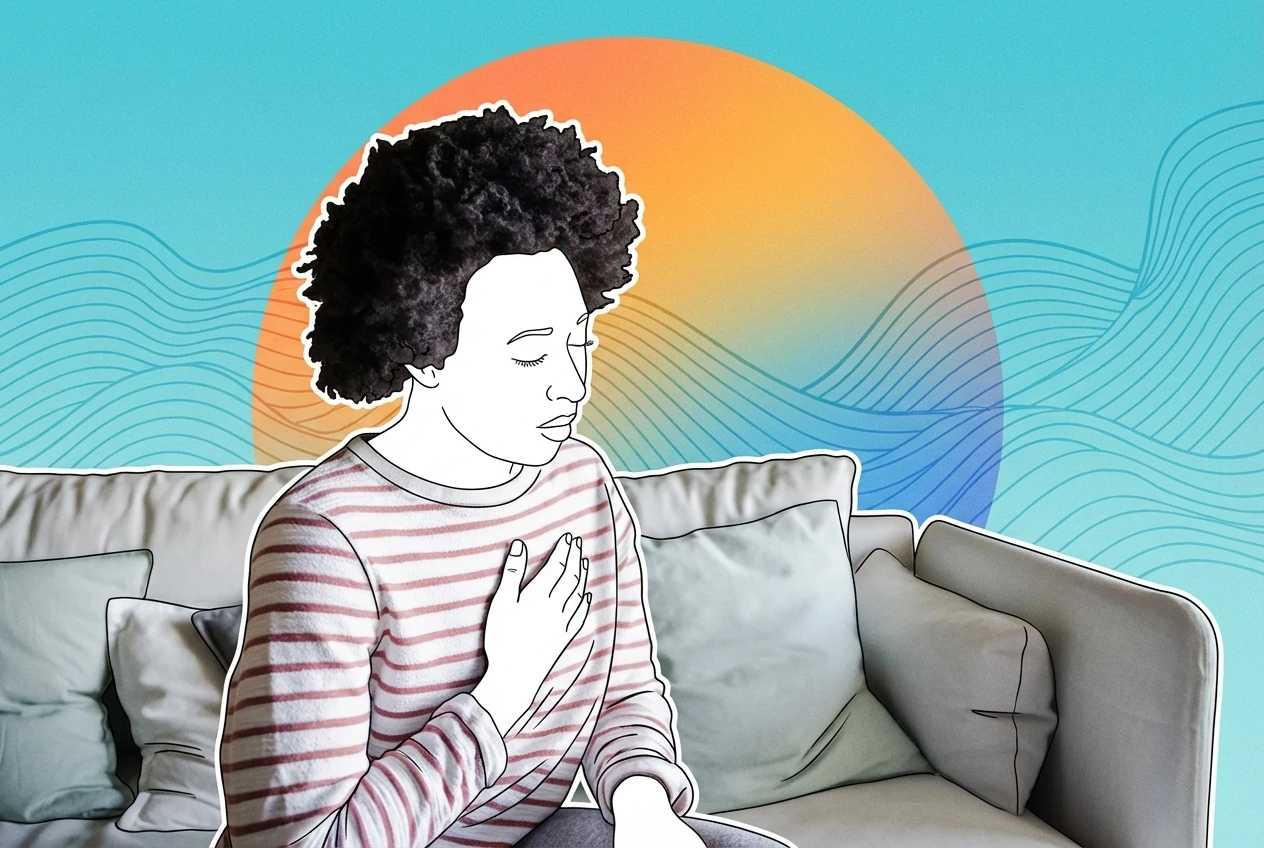
Heart attack symptoms are diverse and often differ from the stereotypical chest pain commonly portrayed in media. While chest pain remains the most recognized symptom, many patients experience atypical or less common signs that are equally important to recognize2.
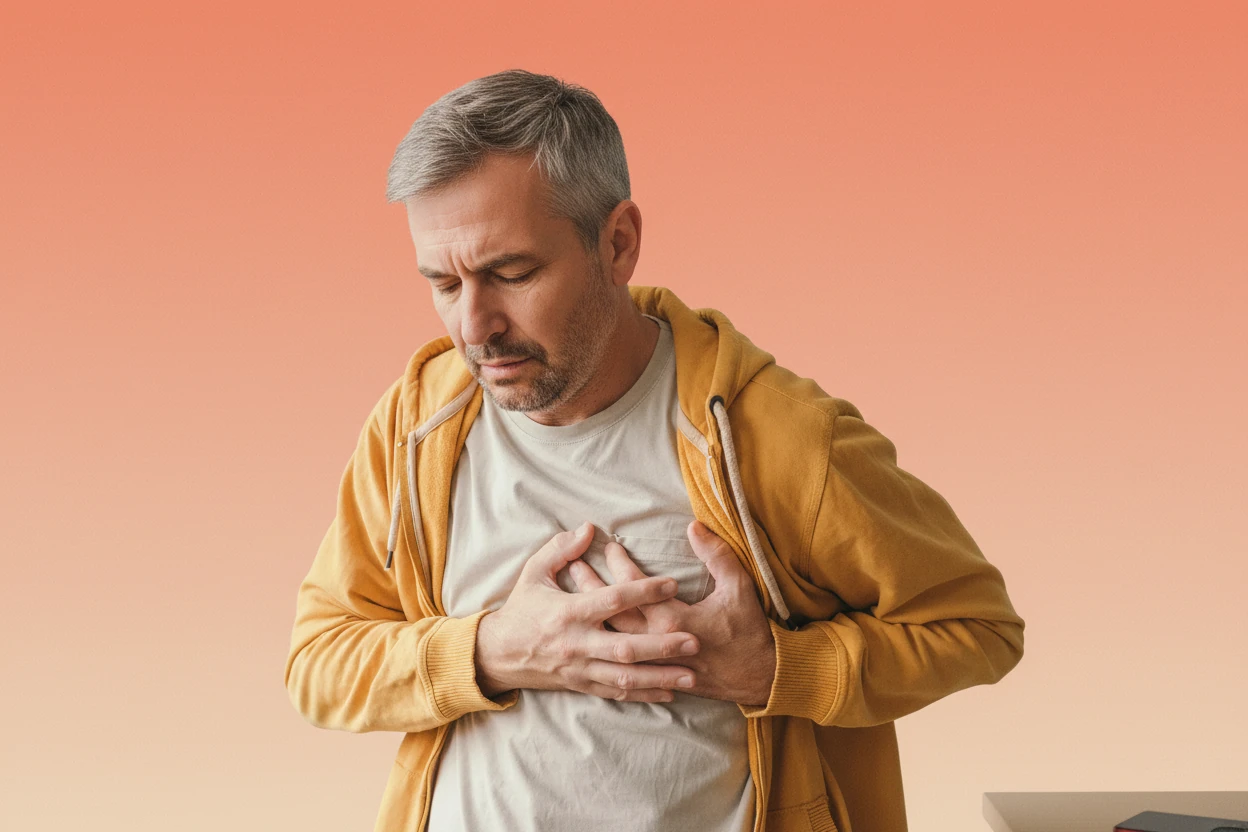
- Sudden onset of chest discomfort, often described as pressure, tightness, squeezing, or aching4.
- Pain or discomfort radiating to the left arm, shoulder, jaw, neck, back, or upper abdomen4.
- Shortness of breath accompanying chest discomfort4.
- Nausea, vomiting, or indigestion-like sensations2.
- Fatigue or unexplained weakness2.
- Lightheadedness or dizziness2.
- Anxiety or a feeling of impending doom4.
- Cold sweats without obvious cause5.
Women are more likely to present with atypical symptoms such as nausea, fatigue, and anxiety, which contributes to delays in seeking treatment42. These non-classic symptoms carry equal clinical significance and risk but are often underrecognized by both patients and healthcare providers4. Symptom profiles derived mainly from male-dominant cohorts may not represent women or low-risk groups adequately, highlighting the need for broader awareness42.
💡 Did You Know?
Heart attack symptoms can sometimes mimic gastrointestinal issues like indigestion or stomach discomfort, making recognition challenging2.
Why Early Heart Attack Symptom Recognition Improves Treatment Outcomes
Timely recognition of heart attack symptoms is critical for improving treatment outcomes and survival rates. Delays in seeking care are a major contributor to increased mortality and myocardial damage2. Patients who are aware of heart attack symptoms are more likely to receive reperfusion therapy—treatments that restore blood-pressure-signs-and-symptomsblood-pressure-signs-and-symptomsblood-pressure-effective-strategies-and-tipsblood-pressure-effective-strategies-and-tipsblood flow—within the critical two-hour window, leading to less invasive interventions and better survival12.
Sex differences in symptom presentation affect treatment-seeking behavior. Women, who often experience atypical symptoms, tend to delay care, resulting in higher mortality despite lower hospital admission rates2. Public health campaigns and clinical guidelines now emphasize recognizing both common and less common symptoms to reduce these disparities62.
“Statin drugs, in my view, are the best cardiovascular drugs ever created. These drugs are to atherosclerosis what penicillin was to infectious diseases.”
— William C. Roberts7
Early treatment is associated with:
- Reduced heart muscle damage4.
- Lower in-hospital mortality rates, which can drop from over 6% to under 2% with prompt care1.
- Less invasive procedures and improved long-term outcomes2.
Educational interventions targeting symptom recognition have proven effective in reducing treatment delays and improving patient outcomes6.
Emergency Heart Attack Response: Immediate Actions & Care Guidelines
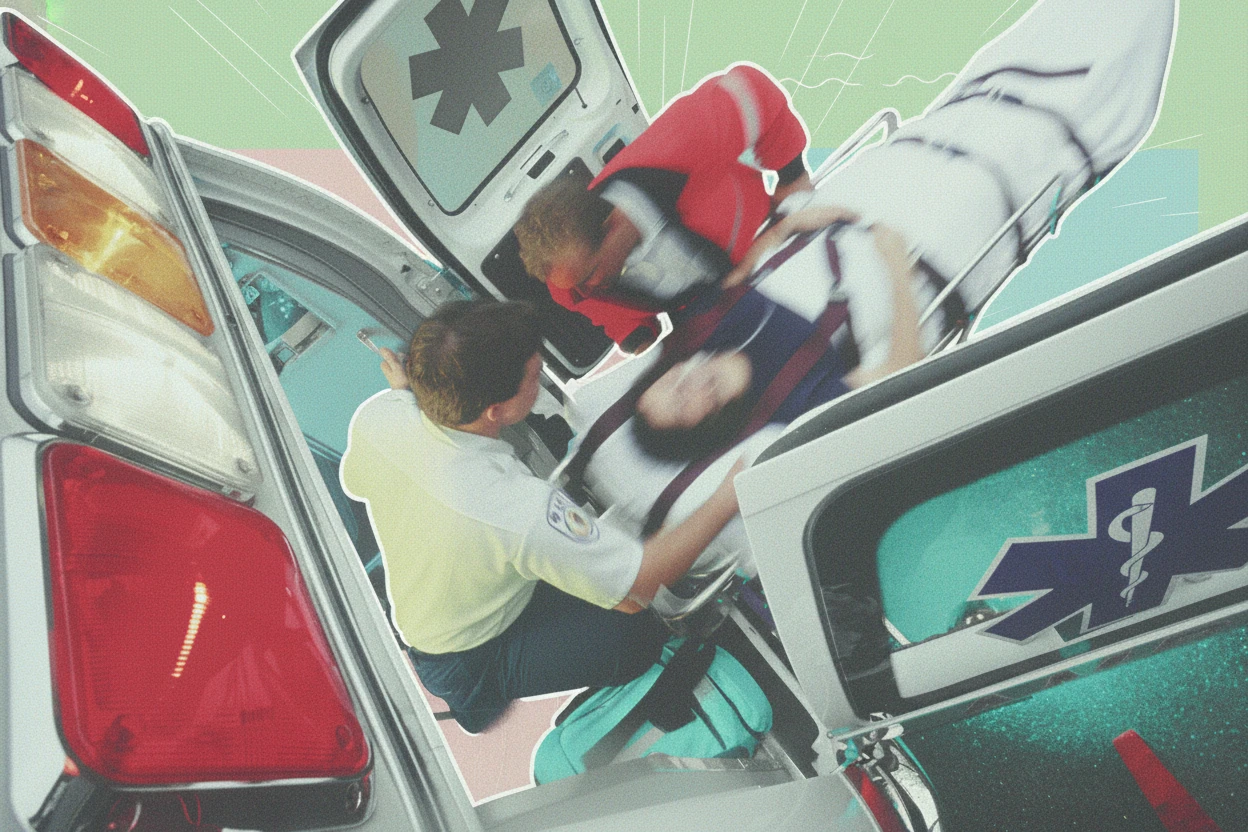
Immediate action upon recognizing heart attack symptoms is essential. Calling emergency medical services (911 in the U.S.) ensures rapid evaluation and initiation of treatment, which can be lifesaving89. Driving oneself to the hospital is discouraged due to the risk of sudden cardiac arrest or dangerous arrhythmias during transit9.
Key response steps include:
💡 Did You Know?
Nearly half of U.S. adults can correctly identify all five common heart attack symptoms, but disparities persist among racial/ethnic minorities and those with lower education levels8.
- Call emergency services immediately when heart attack symptoms are suspected8.
- Take aspirin if advised by a healthcare provider or emergency personnel, as it can reduce blood clotting and limit heart damage10.
- Use prescribed nitroglycerin while awaiting emergency help if applicable9.
- Avoid delay due to denial or symptom minimization, as these contribute to worse outcomes2.
Healthcare providers diagnose heart attacks using tests such as electrocardiograms (ECG), blood markers like cardiac troponin, and echocardiograms to assess heart function5. Treatment aims to restore blood flow quickly, often through percutaneous coronary intervention (PCI) or clot-busting medications5.
Long-term care after a heart attack includes lifestyle changes, medication adherence, and cardiac rehabilitation to prevent recurrence5. Public education campaigns and systematic healthcare approaches are vital to improve symptom awareness and emergency response across all populations68.