Every 40 seconds, someone in the United States experiences a heart attack, making it a leading cause of death nationwide1. Recognizing the symptoms early and seeking prompt medical care can significantly reduce heart muscle damage and improve survival2. Heart attack symptoms can vary widely, ranging from classic chest pain to less typical signs such as nausea and dizziness, especially in women34. Understanding these warning signs is crucial for timely intervention and better outcomes5.
💡 Did You Know?
Every 40 seconds, someone in the United States has a heart attack, highlighting the importance of symptom awareness and rapid response1.
Chest Pain and Pressure
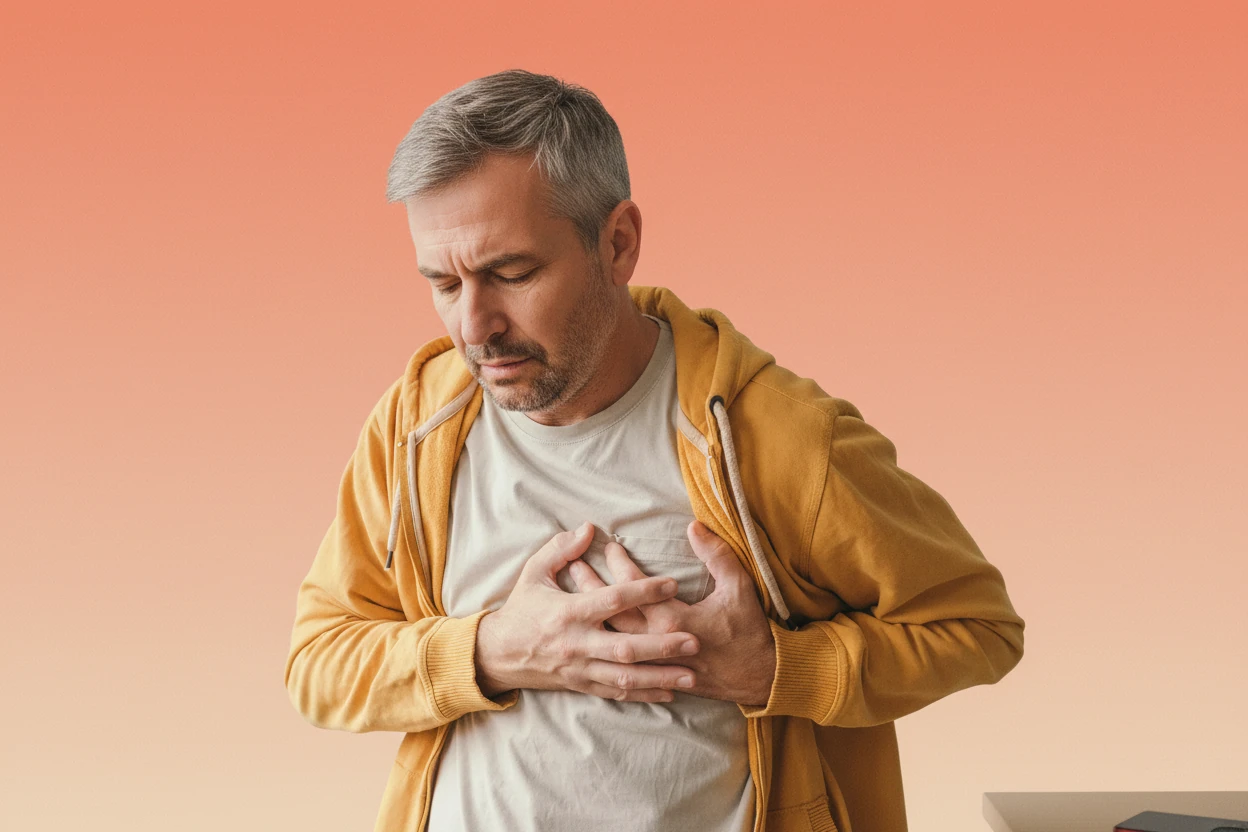
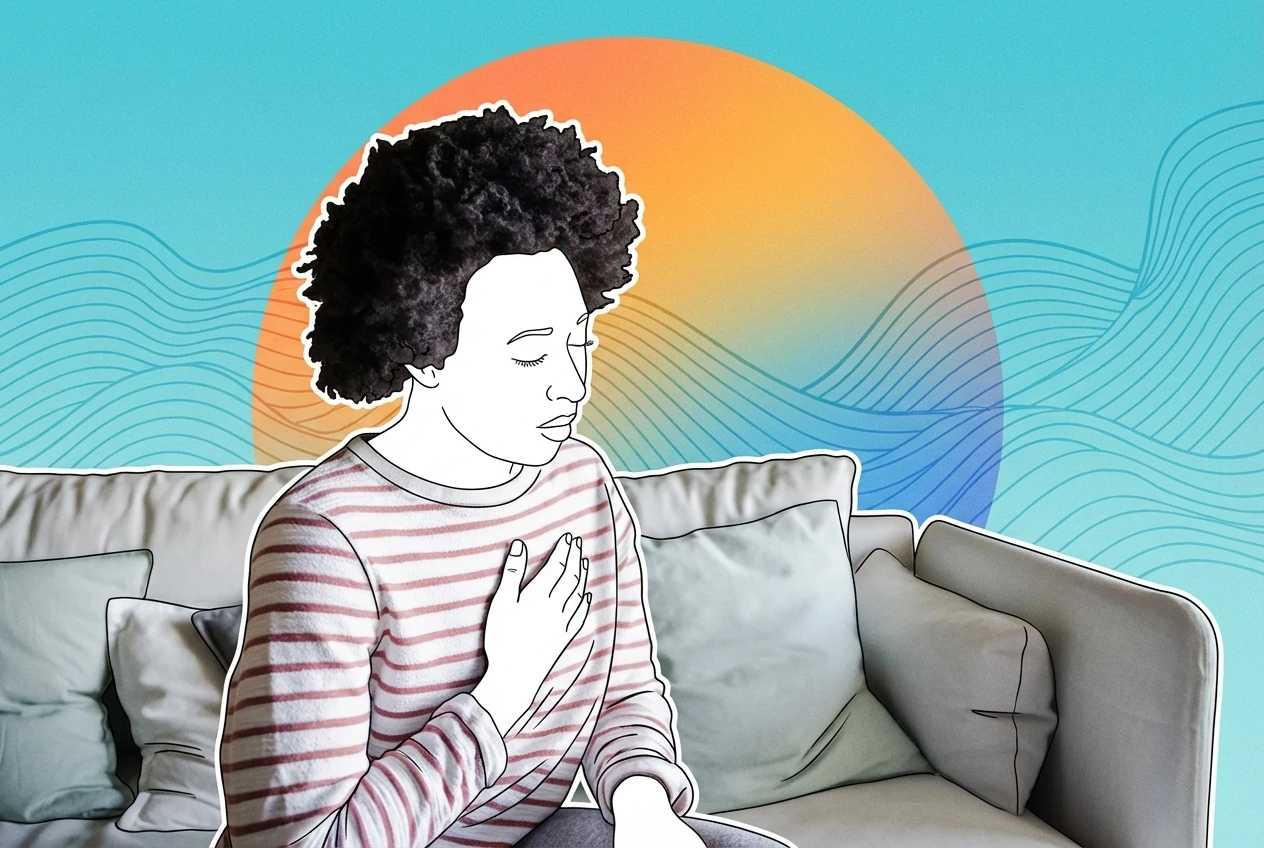
Chest pain is the most common symptom of a heart attack, reported in about 80% of acute coronary syndrome (ACS) cases in both men and women3. This pain is often described as pressure, squeezing, heaviness, or tightness lasting more than 20 minutes6. The sensation may feel like uncomfortable pressure or fullness in the center or left side of the chest and can come and go7.
Chest pain quality varies widely; it can be burning, stabbing, crushing, dull, aching, sharp, or tight8. The pain often radiates to other areas such as the jaw, neck, shoulders, or upper abdomen (epigastric area)3. Because chest pain can also arise from non-cardiac causes like muscle strain, acid reflux, or anxiety, it is important to differentiate these from cardiac pain9.
Prompt recognition of chest pain as a potential heart attack symptom is critical because most deaths from myocardial infarction occur within the first hours after symptom onset2. Patients experiencing chest pain lasting more than a few minutes should seek emergency care immediately to reduce mortality risk2.
- Chest pain or pressure lasting more than 20 minutes is a key symptom of heart attack6.
- Pain may radiate to the jaw, neck, shoulders, or epigastric area3.
- Chest pain can feel like pressure, squeezing, heaviness, or tightness8.
- Non-cardiac causes of chest pain include musculoskeletal issues, gastrointestinal problems, and anxiety9.
- Immediate emergency care is essential for chest pain suggestive of myocardial infarction2.
Breathing Difficulties
Shortness of breath, or dyspnea, is a common symptom in acute coronary syndrome and may occur independently of chest pain3. It reflects heart failure or pulmonary congestion caused by ischemia (reduced blood flow to the heart)10. Dyspnea severity ranges from mild difficulty during exertion to severe respiratory distress at rest10.
Because shortness of breath is a non-specific symptom seen in many conditions, persistent or unexplained dyspnea should prompt urgent evaluation to rule out cardiac ischemia9. Patients may experience breathlessness during physical activity or even while resting, which can limit daily activities and cause significant distress10.
- Shortness of breath can occur alone or with chest pain in heart attacks10.
- Dyspnea severity varies from mild exertional difficulty to severe distress at rest10.
- Persistent or unexplained shortness of breath warrants prompt medical assessment9.
- Dyspnea may indicate heart failure or pulmonary congestion due to ischemia10.
- It is important to differentiate cardiac dyspnea from pulmonary or psychological causes9.
Pain in Upper Body
Upper body discomfort is a well-recognized symptom during myocardial infarction and often involves referred pain to the arms, neck, jaw, back, and epigastric region310. This referred pain occurs because visceral (internal organ) and somatic (body surface) nerve fibers converge in the spinal cord, causing the brain to misinterpret cardiac pain as originating from somatic areas6. The vagus nerve also plays a role in autonomic and sensory signaling during ischemic events6.
The pain or discomfort in these areas can be intermittent and vary in intensity and location10. Understanding these mechanisms helps improve symptom recognition and diagnosis, especially when chest pain is absent or atypical.
- Pain may radiate to the arms, neck, jaw, back, or upper abdomen during a heart attack3.
- Referred pain arises due to shared spinal segments between the heart and somatic regions6.
- The vagus nerve contributes to autonomic regulation and sensory signaling from the heart6.
- Upper body pain can be intermittent and vary in location and intensity10.
- Recognizing referred pain improves early diagnosis of myocardial ischemia6.
Cold Sweats and Clamminess
Cold sweats, also known as diaphoresis, commonly occur during a heart attack due to activation of the sympathetic nervous system as part of the body's stress response to ischemia310. This sweating is typically without fever and is described as cold and clammy skin10.
Although cold sweats can also be caused by non-cardiac conditions such as hypoglycemia or anxiety, their presence alongside other cardiac symptoms can aid early diagnosis of myocardial infarction9. Recognizing diaphoresis in the context of chest pain or shortness of breath is important for timely medical intervention.
- Cold sweats are a common sympathetic response during myocardial ischemia10.
- Sweating is cold and clammy, occurring without fever10.
- Diaphoresis can also occur in hypoglycemia and anxiety9.
- Presence of cold sweats with other symptoms suggests a heart attack3.
- Early recognition of diaphoresis can improve diagnosis and treatment10.
Nausea and Vomiting
Nausea and vomiting frequently accompany acute myocardial infarction, often alongside chest pain or other symptoms310. Vomiting may result from severe nausea during ischemia10. However, isolated nausea without other cardiac symptoms is usually related to gastrointestinal or other non-cardiac causes9.
Women are more likely than men to present with atypical symptoms such as nausea alone during a heart attack4. Because nausea occurs in many conditions including migraines, pregnancy, and digestive disorders, it is important to consider the full clinical context when evaluating this symptom9.
- Nausea and vomiting often accompany heart attacks along with chest pain10.
- Vomiting may occur secondary to nausea during myocardial ischemia10.
- Isolated nausea is more commonly due to non-cardiac causes9.
- Women more frequently present with atypical symptoms like nausea alone4.
- Nausea is a non-specific symptom and requires careful assessment9.
Dizziness and Lightheadedness
Dizziness or lightheadedness during a heart attack may reflect reduced blood flow to the brain caused by arrhythmias, cardiogenic shock, or other cardiac dysfunction11. It is a symptom shared with other serious conditions such as stroke and atrial fibrillation1112.
Although less frequent than chest pain, lightheadedness can indicate serious cardiac conditions and warrants urgent evaluation10. Prompt recognition of dizziness in the context of cardiac risk factors is important for timely diagnosis and treatment.
- Lightheadedness is a recognized symptom of acute coronary syndrome10.
- It may result from arrhythmias or cardiogenic shock reducing cerebral perfusion11.
- Dizziness is also seen in stroke and atrial fibrillation11.
- Although less common, it signals serious cardiac dysfunction10.
- Urgent medical assessment is needed when dizziness occurs with heart attack risk factors11.
Heart Attack Symptoms in Women
Women often experience heart attack symptoms differently from men, frequently presenting with atypical signs such as fatigue, nausea, back pain, and shortness of breath4. These non-chest pain symptoms can lead to under-recognition and delayed treatment4.
Social and systemic factors contribute to disparities in care and outcomes for women with heart disease13. Awareness and education efforts are essential to improve timely diagnosis and treatment in women.
- Women more often present with atypical heart attack symptoms than men4.
- Common symptoms in women include fatigue, nausea, back pain, and dyspnea4.
- Symptom misattribution in women causes delays in seeking care4.
- Disparities in cardiovascular care contribute to worse outcomes in women13.
- Increased awareness is critical to improve women's heart health4.
When to Seek Emergency Care
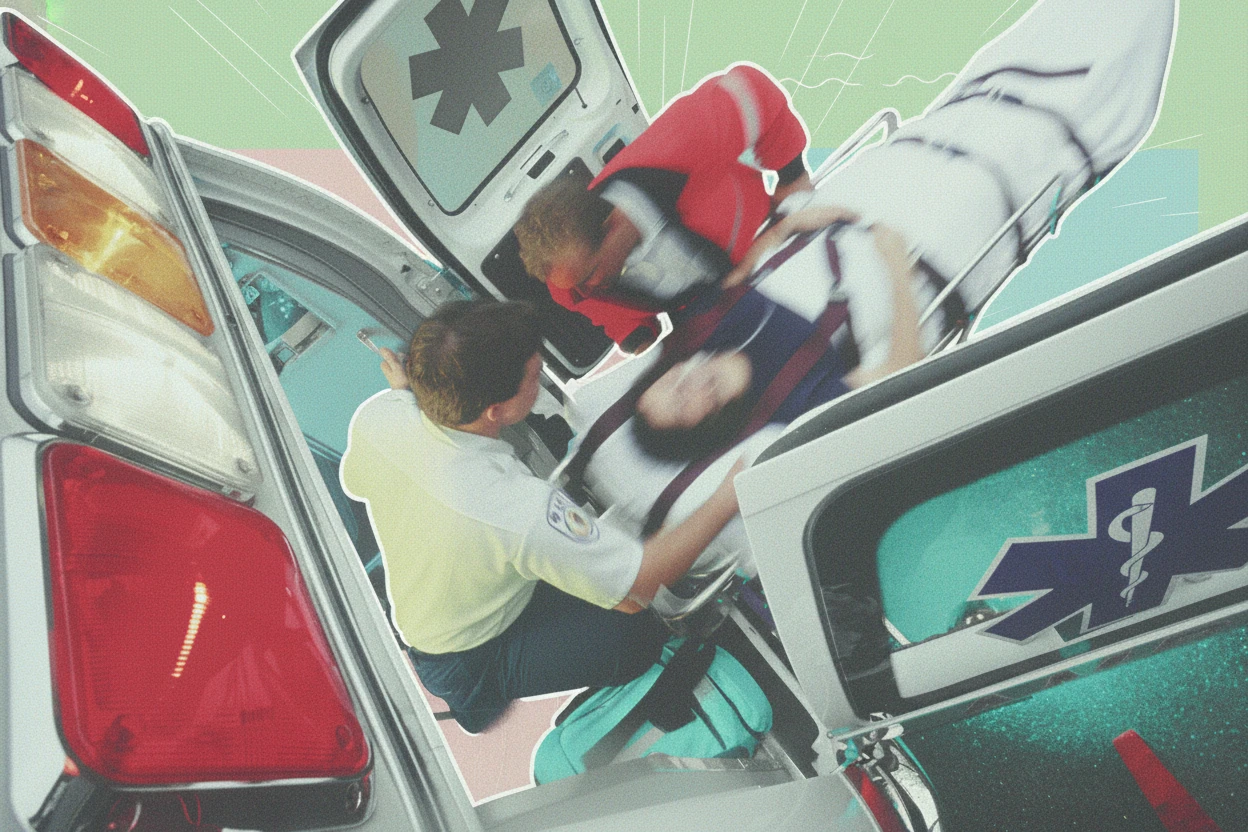
Immediate medical attention is crucial when heart attack symptoms occur. Calling emergency services (911) promptly can save heart muscle and lives2. Patients with known cardiovascular disease should be especially vigilant about symptoms such as chest pain or shortness of breath2.
Delays in seeking care remain a major barrier to effective treatment and increase the risk of death and complications2. If you experience chest pain lasting more than a few minutes, sudden shortness of breath, cold sweats, nausea, or dizziness, call emergency services immediately7.
- Call 911 immediately if experiencing chest pain or pressure lasting more than two minutes7.
- Seek emergency care for sudden shortness of breath, cold sweats, nausea, or dizziness7.
- Patients with known heart disease should be particularly alert to symptoms2.
- Delayed treatment significantly increases risk of death and complications2.
- Do not attempt to drive yourself to the hospital; wait for emergency responders15.
Heart Attack Symptoms Summary
Heart attack symptoms can vary widely but commonly include chest pain or pressure, shortness of breath, upper body discomfort, cold sweats, nausea, and dizziness310. Women may experience atypical symptoms such as fatigue, nausea, and back pain more often than men4.
Early recognition and rapid treatment are essential to reduce mortality and improve outcomes2. Public education campaigns emphasize the importance of calling emergency services immediately when symptoms arise, especially in individuals with known heart disease32.
- Chest pain or pressure is the most common symptom in both men and women3.
- Shortness of breath may occur alone or with chest pain10.
- Pain may radiate to the arms, neck, jaw, back, or upper abdomen3.
- Cold sweats and nausea often accompany other cardiac symptoms10.
- Women more frequently present with atypical symptoms leading to delayed care4.