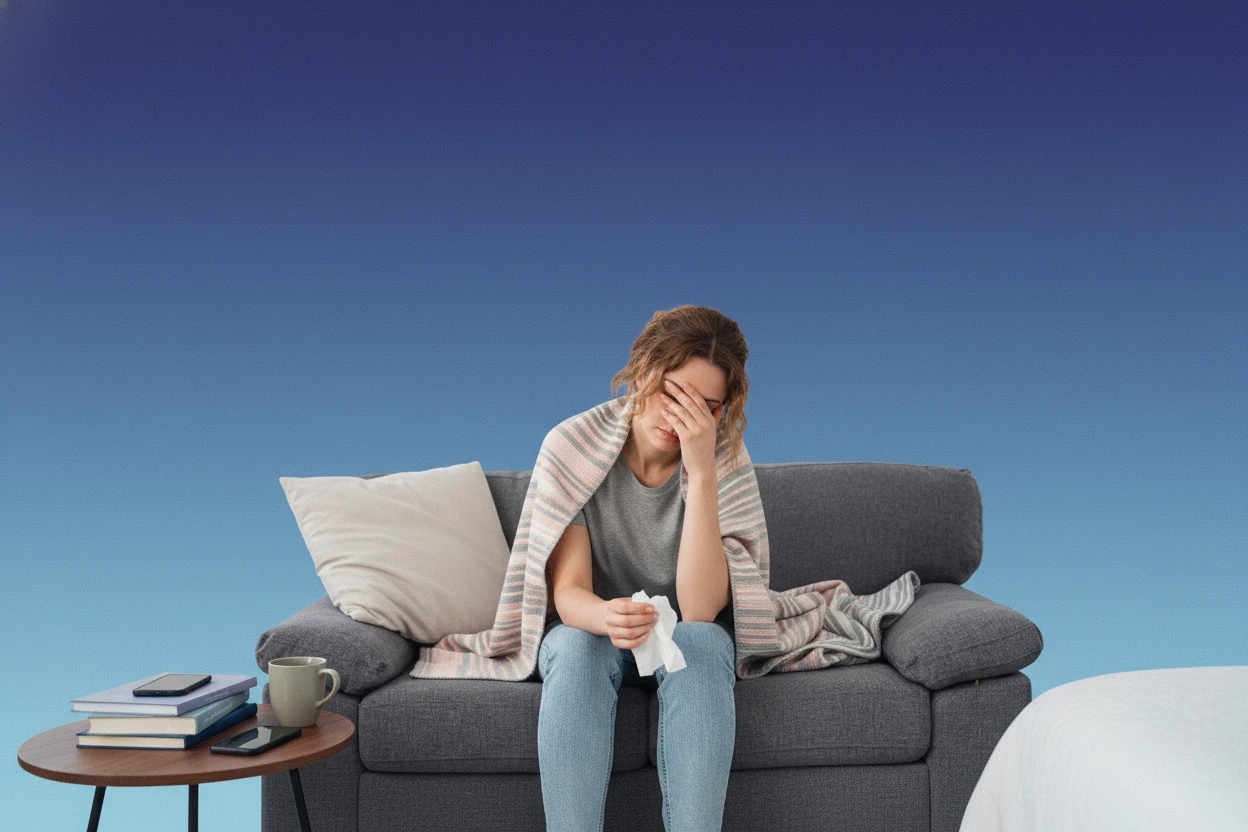
Headache disorders are among the most common neurological conditions worldwide, with migraine-prodrome-symptoms-and-feelingsmigraine-prodrome-symptoms-and-feelingsmigraine affecting approximately 12% of the global population1. These conditions cause significant disability and disrupt daily life, making effective treatment and management essential1. Although primary headaches such as migraine, tension-type, and cluster headaches have no definitive cures, symptom control and reduction in headache frequency are achievable through tailored therapies and lifestyle adjustments2.
Headache Treatments by Type
Treatments for Migraine Headache
Migraine is a primary headache disorder characterized by recurrent attacks of moderate to severe pain, often accompanied by nausea, vomiting, and sensitivity to light and sound3. It is a disease of abnormal brain function despite normal brain structure and is the second leading cause of disability worldwide3. Migraine attacks typically last 4 to 72 hours and may worsen with physical activity4.
Treatment strategies for migraine include acute symptom relief and preventive therapies. Acute treatments aim to stop symptoms during an attack and include:
- Pain relievers such as acetaminophen and nonsteroidal anti-inflammatory drugs (NSAIDs)4.
- Triptans, which are first-line treatments for moderate to severe migraines and work best when taken early in the attack4.
- Antiemetics to manage nausea4.
- Dihydroergotamine and combination analgesics, reserved for refractory cases due to side effects4.
- Intravenous magnesium sulfate, which can be effective for migraine with aura5.
Preventive treatments reduce the frequency, severity, and duration of migraine attacks. Options include:
- Beta-blockers such as propranolol and metoprolol5.
- Antiepileptic drugs like topiramate and divalproex5.
- Antihypertensives including candesartan and telmisartan5.
- Monoclonal antibodies targeting the calcitonin gene-related peptide (CGRP) pathway, such as erenumab, fremanezumab, and galcanezumab5.
- OnabotulinumtoxinA injections administered every 12 weeks for chronic migraine with more than 15 headache days per month56.
- Oral magnesium supplements at doses of 400-600 mg daily5.
Recent advances include new oral medications called gepants (CGRP receptor antagonists) and lasmiditan, which offer acute and preventive benefits with fewer side effects and lower risk of rebound headaches76. Neuromodulation devices, such as non-invasive vagus nerve stimulation (nVNS), provide alternative or adjunctive options, especially for patients with contraindications to medications8.
Lifestyle modifications play a key role in migraine management. Identifying and avoiding triggers such as certain foods, stress, and irregular sleep can reduce attack frequency9. Patients are encouraged to maintain headache diaries to monitor patterns and treatment responses10.
Treatments for Tension-Type Headache
Tension-type headache (TTH) is the most common headache disorder, affecting over half of adults worldwide112. It is characterized by mild to moderate bilateral head pain, often described as a tight band around the head, lasting from 30 minutes to seven days12. Unlike migraine, TTH usually lacks associated symptoms like nausea or sensitivity to light.
Acute treatment of TTH focuses on pain relief using:
- Over-the-counter analgesics such as ibuprofen (400 mg) and high-dose acetaminophen (1,000 mg), which improve pain within two hours5.
- NSAIDs and aspirin are also effective for acute episodes5.
Preventive treatment is considered for chronic tension-type headaches, which occur 15 or more days per month and are often difficult to manage due to lack of identifiable triggers212. Amitriptyline, a tricyclic antidepressant, has demonstrated efficacy in preventing TTH after three months of treatment5.
Non-pharmacological therapies are valuable adjuncts and include:
- Cognitive behavioral therapy (CBT) to improve coping strategies11.
- Biofeedback and relaxation techniques111.
- Physical therapy, which has shown greater effectiveness than massage or acupuncture, particularly for patients with frequent attacks13.
- Acupuncture and massage therapy may provide additional relief11.
Treating underlying factors such as sleep disorders, psychological stress, or musculoskeletal issues can also reduce headache frequency2.
Treatments for Cluster Headache
Cluster headache is a primary headache disorder characterized by severe unilateral pain lasting 15 to 180 minutes, occurring up to eight times daily in clusters lasting weeks or months5. It is often accompanied by autonomic symptoms such as tearing, nasal congestion, and eyelid swelling2.
Acute treatment aims to abort attacks rapidly and includes:
- High-flow oxygen therapy, which can relieve pain within 15 minutes145.
- Triptans, particularly subcutaneous sumatriptan, are effective for acute cluster headache attacks145.
- Intranasal lidocaine may provide symptomatic relief14.
Preventive treatments focus on reducing attack frequency during cluster periods and include:
- Verapamil, a calcium channel blocker, as first-line preventive therapy14.
- Galcanezumab, a monoclonal antibody targeting CGRP, has been shown to reduce cluster headache frequency5.
- Non-invasive vagus nerve stimulation (nVNS) has demonstrated efficacy in episodic cluster headache prevention8.
Management often requires specialist involvement due to the severity and complexity of cluster headaches10.
Treatments for Other Primary Headache Disorders
“For people finding they need to take a lot of breakthrough medications, gepants would be a good option because they're less likely to develop rebound headaches.”
— Nasima D. Shadbehr6
Other primary headache disorders include chronic daily headaches, hemicrania continua, primary stabbing headaches, and medication overuse headaches12. These conditions may overlap with migraine and tension-type headaches and often require individualized management.
Medication overuse headache results from frequent use of acute headache medications and necessitates withdrawal of overused drugs to break the pain cycle26. Behavioral therapies, including mindfulness and stress management, can help reduce headache burden1.
Physical therapy and multidisciplinary care programs improve outcomes by addressing musculoskeletal and psychological contributors to headache disorders1516.
Managing Headache Symptoms
Effective management of headache symptoms relies on accurate diagnosis and classification of headache type, which guides treatment selection10. Primary headaches are chronic conditions without cures, but symptom control and prevention of future episodes are achievable goals2.
“There is a lot of room for future study with these medicines that will expand our ability to use them and better understand them.”
— Nasima D. Shadbehr6
Key strategies for managing headaches include:
- Identifying and avoiding individual headache triggers, such as stress, certain foods, and sleep disturbances109.
- Using headache diaries to track frequency, severity, and potential triggers10.
- Employing acute medications early in the course of headache attacks to improve efficacy4.
- Incorporating non-pharmacological approaches like cognitive behavioral therapy, biofeedback, relaxation techniques, and acupuncture to complement medical treatment11117.
- Engaging in lifestyle modifications such as regular sleep, hydration, exercise, and limiting caffeine intake6.
Support groups and patient education improve coping skills and provide social support during headache episodes2. Specialist involvement enhances diagnostic accuracy and optimizes treatment plans, especially for complex or refractory cases10.
Headache Treatment Summary
Primary headache disorders, including migraine, tension-type, and cluster headaches, are common and disabling conditions that require tailored treatment approaches21. Although no cures exist, a combination of acute symptom relief, preventive medications, and non-pharmacological therapies can significantly reduce headache frequency and severity218.
Treatment highlights include:
- Migraine: Acute treatments such as NSAIDs and triptans; preventive options including beta-blockers, antiepileptics, CGRP monoclonal antibodies, and onabotulinumtoxinA injections56.
- Tension-type headache: Acute use of ibuprofen and acetaminophen; preventive use of amitriptyline; physical therapy and behavioral interventions513.
- Cluster headache: Acute oxygen therapy and triptans; preventive verapamil and CGRP inhibitors; neuromodulation with nVNS1458.
Multidisciplinary care, patient education, and lifestyle modifications are critical components of successful headache management166. Emerging therapies such as gepants and neuromodulation devices offer promising alternatives with fewer side effects and improved patient adherence78.