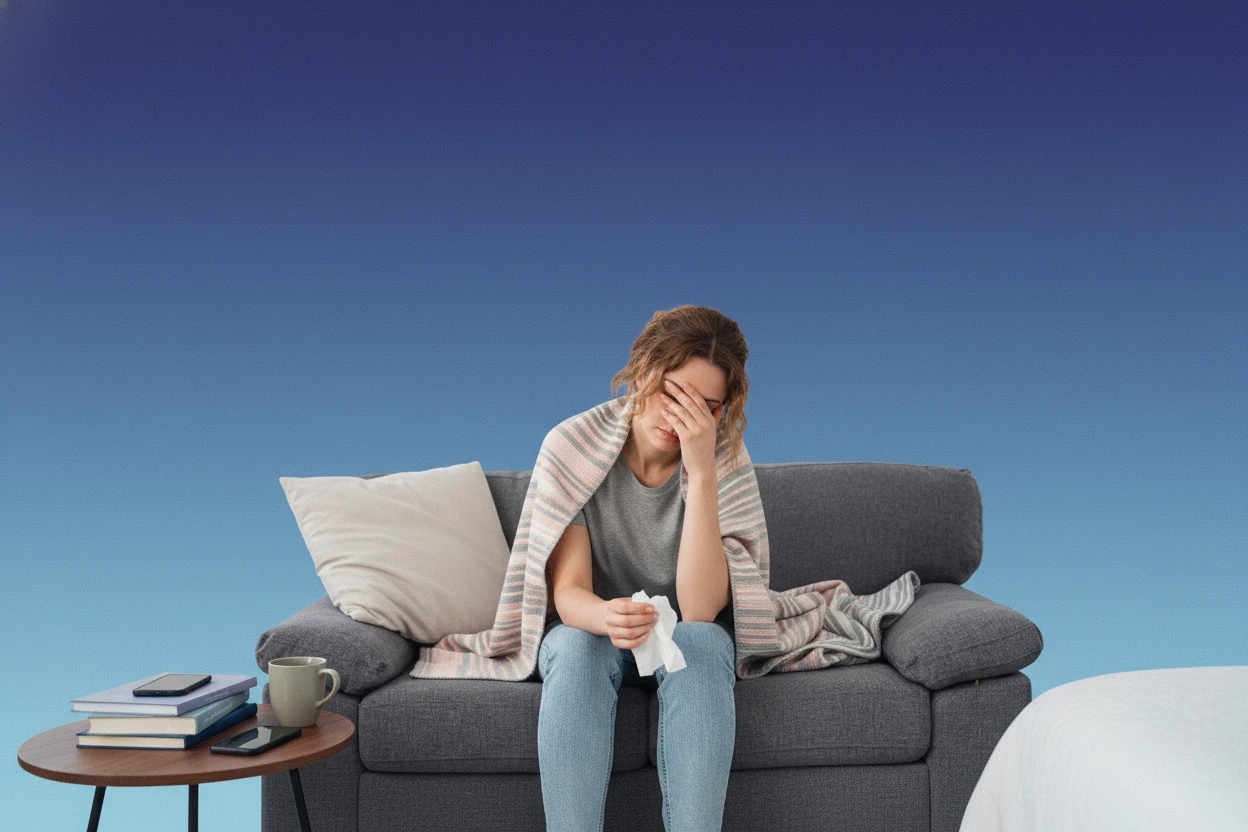
Headaches behind the eyes are a frequent complaint affecting many people worldwide. These headaches can arise from various causes, including common headache disorders and eye-related conditions, often accompanied by symptoms such as light sensitivity and eye discomfort1. Understanding the underlying causes and effective treatments is essential for managing pain and improving quality of life2.
Patients with headaches due to ocular etiologies who are referred to eye care providers by primary care providers or other specialties can have uncorrected or undercorrected refractive error, convergence insufficiency, and/or accommodative spasm8.
1. Tension Headaches
Tension-type headaches are the most common headache disorder globally, affecting a large portion of the population3. They typically cause a tightening or pressure sensation around the forehead, temples, or behind the eyes4. The pain may extend from the forehead to the back of the head and is often described as a dull, steady ache4. These headaches can be episodic, occurring less than 15 days per month, or chronic, happening 15 or more days per month for at least three months5.
Common triggers for tension headaches include stress, anxiety, depression, fatigue, poor posture, and emotional stress4. Muscle contractions in the neck or head can also contribute to the development of these headaches6. The duration of episodic tension headaches ranges from 30 minutes to several days, and frequent episodes may increase pain intensity5.
An increase in referrals to healthcare providers for headache and eye strain has been documented as children are spending more time doing near work on digital screens8.
Digital Eye Strain
Digital eye strain is an increasingly recognized cause of headaches behind the eyes, especially in individuals who spend long hours using digital devices such as computers, phones, or tablets7. Prolonged screen time leads to visual stress, causing symptoms like dry eyes, blurred vision, neck and shoulder pain, and headaches localized behind the eyes76. This condition is more prevalent as digital device use rises, including among children8.
To reduce digital eye strain, experts recommend following the 20-20-20 rule: every 20 minutes, look at something 20 feet away for at least 20 seconds6. Proper lighting, screen positioning, and regular breaks can also help alleviate symptoms.
Cluster headache is a rare and severe type of headache that causes intense pain in or around the eye on one side of the head. It is typically the most painful type of headache14.
2. Migraine Headaches
Migraine is a common neurological disorder affecting about 12% to 16% of the population in the United States92. It is characterized by recurrent attacks of moderate to severe throbbing or pulsating pain, often localized behind one eye, in the temple, or behind the ear92. Migraines typically last between 4 and 72 hours and may be accompanied by nausea, vomiting, and sensitivity to light (photophobia) and sound (phonophobia)9.
The exact cause of migraines is multifactorial, involving genetic predisposition and changes in nerve signaling and mcv blood test results meaning and normal range vessels around the eye96. Common migraine triggers include stress, hormonal changes, certain foods, environmental factors, lack of sleep, and strong emotions92.
Treatment for migraines depends on the frequency and severity of attacks. Acute migraine relief often involves prescription medications such as triptans and newer agents like lasmiditan and ubrogepant10. Home remedies include hydration, rest, and over-the-counter (OTC) analgesics10. Preventive treatments may include supplements like riboflavin and magnesium, as well as prophylactic medications such as CGRP (calcitonin gene-related peptide) monoclonal antibodies and onabotulinumtoxinA10.
Non-pharmacological approaches like relaxation techniques, biofeedback, and cold therapy can also reduce migraine pain intensity1011.
Cold therapy is a common self-care remedy for migraines, with studies showing that it effectively reduces pain intensity in up to 70% of patients11.
3. Sinus Headaches
Sinus headaches result from inflammation or infection of the sinuses, known as sinusitis12. The sinuses are air-filled cavities located behind the eyes, in the cheekbones, behind the nose, and in the forehead12. Sinus inflammation leads to nasal congestion, pressure, and pain behind the eyes, forehead, and jaw122.
Sinusitis can be triggered by allergies or viral and bacterial infections12. Additional symptoms include nasal congestion, cough, fatigue, and fever122. The pain often worsens when lying down due to increased sinus pressure2.
Sinus headaches typically resolve as the underlying sinus condition improves, which may take up to four weeks2. Treatment may involve nasal decongestants, saline nasal sprays, and in bacterial cases, antibiotics2.
4. Cluster Headaches
Cluster headaches are a rare but extremely painful primary headache disorder1314. They cause intense, sharp, or searing pain usually located behind or around one eye on one side of the head1314. Attacks occur in cyclical patterns or clusters, often at the same time each day, and can last from 15 minutes to 3 hours1314.
Cluster headaches frequently occur during sleep, typically 1 to 2 hours after falling asleep, and may wake the person from sleep1314. Autonomic symptoms such as excessive tearing, redness of the eye, nasal congestion or runny nose, forehead or facial sweating, and drooping eyelids often accompany the pain1314.
The exact cause of cluster headaches is unknown but is thought to involve activation of the trigeminal autonomic reflex and the hypothalamus1315. Risk factors include being male, age between 20 and 50, smoking, alcohol use, and family history14.
Treatment includes oxygen therapy, which can provide rapid relief, and medications such as CGRP antagonists1015.
5. Paroxysmal Hemicrania
Paroxysmal hemicrania is a rare primary headache disorder that resembles cluster headaches but differs in attack duration and frequency10. Attacks last from 2 to 45 minutes and occur multiple times daily10. The pain is described as throbbing or stabbing and can be located around the eye, face, or neck10.
This condition is characterized by frequent, short-lasting attacks that respond well to specific treatments such as indomethacin, a nonsteroidal anti-inflammatory drug10.
6. Stabbing Headaches
Stabbing headaches, also known as ice-pick headaches or ophthalmodynia periodica, are rare primary headache disorders characterized by brief, stabbing pains around the eye16. The pain lasts only seconds and is more common in older adults16. These headaches often occur alongside other primary headache disorders such as migraine16.
The stabbing pain is sudden and sharp, often described as jabs or jolts, and may be alarming but generally benign16.
7. Common Triggers for Eye Area Headaches
Headaches behind the eyes can be triggered by a variety of factors that vary by headache type and individual susceptibility10. The trigeminal nerve, particularly its ophthalmic branch, plays a key role in transmitting pain signals from the eye area10.
Common triggers include:
- Stress and emotional tension10
- Dietary factors such as alcohol, caffeine, and certain foods102
- Environmental stimuli like bright lights, loud noises, and strong odors102
- Lifestyle habits including poor sleep, fatigue, and prolonged screen time102
- Hormonal changes and infections10
Identifying and avoiding personal triggers is crucial for managing headaches behind the eyes10.
8. Effective Headache Treatments
Treatment for headaches behind the eyes depends on the underlying cause and headache type10. Approaches include home remedies, over-the-counter medications, prescription drugs, and non-pharmacological therapies.
Headaches can have a wide range of associated symptoms and can sometimes be related to the eyes. Pediatric patients are commonly referred to eye care providers for headache evaluation. These headaches can be associated with ocular or periocular pain, blurry vision, eye irritation, double vision, or pressure behind the eye8.
Common treatment options:
- Hydration, rest, and OTC analgesics such as aspirin, ibuprofen, and acetaminophen1017
- Prescription medications for migraines, including triptans, lasmiditan, and ubrogepant10
- Oxygen therapy for cluster headaches1015
- Preventive medications like CGRP monoclonal antibodies and onabotulinumtoxinA for frequent migraines10
- Supplements such as magnesium and riboflavin to prevent migraines and tension headaches10
- Stress management techniques, biofeedback, relaxation, and cognitive behavioral therapy1017
- Cold or heat therapy applied to the head or neck to relieve pain116
Overuse of OTC pain medications should be avoided to prevent rebound headaches, with experts recommending limiting use to no more than twice a week1.
9. When to See a Doctor
Most headaches behind the eyes are benign and resolve with self-care10. However, certain symptoms require prompt medical evaluation to rule out serious conditions1017.
Seek medical attention if you experience:
- Sudden, severe headache described as the worst ever1017
- Neurological symptoms such as weakness, numbness, difficulty speaking, or vision changes1017
- Headache following head injury1017
- Persistent or worsening headache despite treatment10
- Fever, stiff neck, rash, or confusion accompanying headache1017
Early diagnosis is essential to manage potentially serious causes and prevent complications10.
Headaches are an uncomfortable sensation experienced by a vast number of people, and this pain sometimes manifests behind the eyes. Tension headaches are the most common type of headache with a prevalence of 38.3% within one year6.
10. Headache Prevention Strategies
Preventing headaches behind the eyes involves identifying and avoiding triggers, managing stress, and maintaining healthy lifestyle habits10. Regular sleep patterns and stress reduction techniques can significantly reduce headache frequency and severity102.
Key prevention strategies include:
- Tracking headache patterns to identify triggers10
- Stress management through relaxation, meditation, or cognitive behavioral therapy10
- Establishing a consistent sleep schedule102
- Limiting screen time and practicing good ergonomics to reduce eye strain107
- Avoiding or limiting alcohol, caffeine, and processed foods102
- Using prophylactic medications such as CGRP monoclonal antibodies and onabotulinumtoxinA for migraine prevention10
Lifestyle modifications combined with medical treatments offer the best approach to minimizing headaches behind the eyes10.
The first step in managing frequent headaches is determining what type of headache you have. Sometimes headaches are a symptom of another disease or condition17.
11. Summary of Key Points
- Headaches behind the eyes can arise from various causes, including tension headaches, migraine, sinusitis, cluster headaches, paroxysmal hemicrania, and stabbing headaches101.
- Tension headaches are the most common and often linked to stress, poor posture, and fatigue45.
- Migraines cause moderate to severe throbbing pain, often with nausea and light sensitivity, lasting 4 to 72 hours910.
- Sinus headaches are associated with nasal congestion and facial pressure due to sinus inflammation12.
- Cluster headaches are rare but extremely painful, occurring in cyclical patterns with autonomic symptoms1314.
- Digital eye strain from prolonged screen use is a growing cause of headaches behind the eyes78.
- Treatment depends on the headache type and may include OTC medications, prescription drugs, oxygen therapy, supplements, and relaxation techniques10.
- Seek medical care for severe, persistent, or neurologically concerning headaches1017.
- Prevention focuses on trigger identification, stress management, regular sleep, and lifestyle changes10.