The pancreas is a vital organ tucked deep in the abdomen that plays a crucial role in digestion and blood sugar regulation1 . Despite its small size, it produces important digestive enzymes and hormones that keep the body functioning properly2 . Understanding the pancreas's anatomy, functions, and common diseases can help in maintaining its health and recognizing early signs of problems3 .
Pancreas Anatomy and Location
Structure
The pancreas is a retroperitoneal gland measuring approximately 12 to 15 centimeters in length, shaped somewhat like a tadpole or flat pear, with a broad head and a slender tail4 13. It is anatomically divided into four regions: the head, neck, body, and tail4 . The head of the pancreas nestles within the C-loop of the duodenum, the first part of the small intestine, while the tail extends toward the spleen on the left side of the abdomen4 3. The organ’s outer surface is bumpy, resembling a cob of corn, and it weighs about 90 grams on average1 .
The pancreas contains two main functional compartments:
- Exocrine pancreas: Comprises about 80–90% of the organ and produces digestive enzymes that are secreted into the small intestine to aid digestion5 46.
- Endocrine pancreas: Consists of clusters called the islets of Langerhans, which secrete hormones such as insulin and glucagon directly into the bloodstream to regulate blood sugar4 7.
The main pancreatic duct runs the length of the pancreas, joining the common bile duct before emptying into the duodenum at the ampulla of Vater5 48.
Location
The pancreas lies retroperitoneally, meaning it is located behind the peritoneum (the lining of the abdominal cavity), at approximately the level of the first lumbar vertebra (L1) 543. It is positioned posterior to the stomach and is surrounded by several organs including the duodenum, spleen, gallbladder, liver, and small intestine4 13. The head of the pancreas is on the right side of the body, tucked beside the duodenum, while the tail extends to the left near the spleen1 3.
Several major blood vessels supply the pancreas, including branches from the celiac trunk and the superior mesenteric artery, ensuring it receives adequate blood flow to perform its functions9 .
Anatomical Variations
Anatomical variations in the pancreatic duct system and the shape or size of the pancreas are common and can have clinical significance during surgery or diagnostic procedures10 . For example, variations in the pancreatic duct’s course or connections to the bile duct can affect pancreatic drainage and may predispose to certain diseases11 10. Understanding these variants is important for clinicians to avoid complications during interventions such as endoscopic retrograde cholangiopancreatography (ERCP) 12.
Pancreas Functions and Roles
Digestion
The pancreas plays a central role in digestion through its exocrine function. It produces about 1 to 4 liters of enzyme-rich pancreatic juice daily, which is secreted into the duodenum to help break down food1 2. These digestive enzymes target the main macronutrients:
- Proteases (trypsin, chymotrypsin): Break down proteins into absorbable peptides and amino acids4 6.
- Lipases (lipase, phospholipase A2, esterase): Hydrolyze dietary fats into fatty acids and glycerol, aided by bile salts from the liver4 6.
- Amylase: Converts starches into maltose and other sugars for absorption4 6.
- Nucleases (ribonuclease, deoxyribonuclease): Degrade dietary RNA and DNA into nucleotides4 .
In addition to digestion, some pancreatic enzymes contribute to intestinal antimicrobial defense by limiting microbial overgrowth, helping maintain gut health13 .
The pancreatic juice also contains sodium bicarbonate, which neutralizes stomach acid entering the duodenum, providing an optimal environment for enzyme activity3 .
Blood Sugar Regulation
The endocrine pancreas regulates blood glucose levels through hormone secretion by the islets of Langerhans4 714. The main hormones include:
- Insulin: Secreted by beta cells (about 75% of islet cells), insulin lowers blood glucose by promoting cellular uptake and storage of glucose as glycogen in the liver and muscles, and by stimulating fat storage in adipose tissue4 714.
- Glucagon: Produced by alpha cells (about 20% of islet cells), glucagon raises blood glucose by stimulating glycogen breakdown and glucose production in the liver, especially during fasting4 714.
- Amylin: Co-secreted with insulin by beta cells, amylin slows gastric emptying and suppresses glucagon secretion, helping regulate post-meal glucose levels and appetite14 .
- Somatostatin: Secreted by delta cells, somatostatin inhibits the release of insulin, glucagon, and other hormones, modulating pancreatic function14 .
- Ghrelin: Produced by epsilon cells, ghrelin inhibits insulin secretion and stimulates appetite and growth hormone release14 .
- Pancreatic polypeptide: Secreted by F cells, its exact role is not fully understood but is influenced by nutrient intake14 .
These hormones work together through complex paracrine interactions within the islets to maintain glucose homeostasis, which is vital for the function of organs like the brain, liver, kidneys, and heart7 14.
The pancreas acts like a factory with two production lines: one producing digestive enzymes to break down food, and the other releasing hormones to control blood sugar. This dual role is essential for overall health and energy balance. 13
Common Pancreas Conditions
Several diseases can impair the pancreas's function, affecting digestion and metabolism:
- Pancreatitis: Inflammation of the pancreas that can be acute or chronic. It occurs when digestive enzymes activate prematurely and begin digesting the pancreas itself, causing severe abdominal pain often radiating to the back12 3. Common causes include gallstones blocking the bile duct and excessive alcohol consumption12 3. Chronic pancreatitis involves repeated inflammation leading to permanent damage and digestive enzyme insufficiency12 3.
- Pancreatic cancer: Most commonly pancreatic adenocarcinoma, arising from exocrine duct cells. It is often diagnosed late due to nonspecific symptoms and predominantly affects individuals over 65 years old12 3. Risk factors include smoking, chronic pancreatitis, and advancing age12 3.
- Diabetes mellitus: A metabolic disorder caused by impaired insulin production or action.
- Type 1 diabetes: Autoimmune destruction of beta cells leads to insulin deficiency, usually manifesting in childhood or adolescence4 14.
- Type 2 diabetes: Characterized by insulin resistance and relative insulin deficiency, often linked to lifestyle factors4 14.
Symptoms common to pancreatic disorders include upper abdominal pain, loss of appetite, jaundice (yellowing of skin and eyes), fatty stools, excessive thirst, frequent urination, fatigue, and weight loss4 123.
Pancreatic diseases can be difficult to detect early because symptoms often overlap or appear late. Awareness of risk factors and symptoms is key to timely diagnosis and treatment. 123
Pancreas Diagnostic Tests
Diagnosing pancreatic diseases involves a combination of laboratory tests and imaging studies to assess both structure and function:
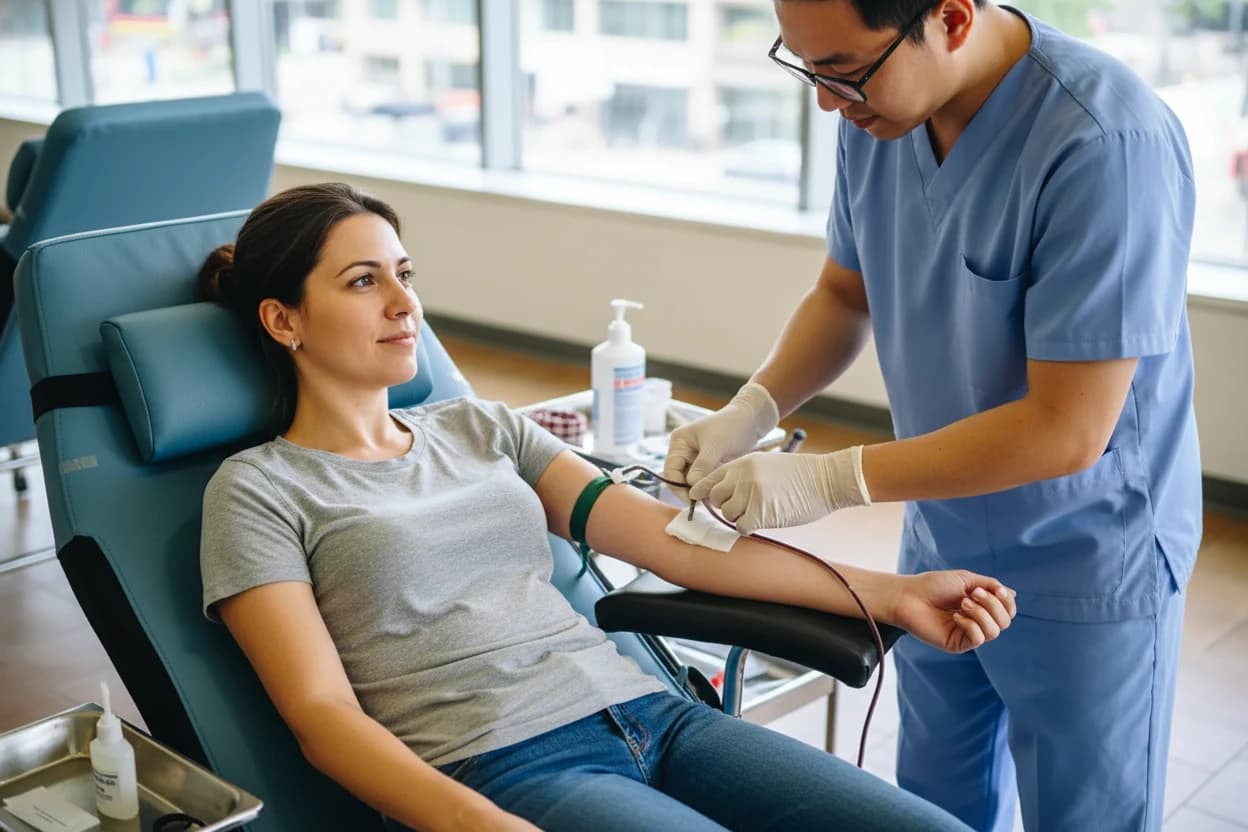
- Blood tests: Measure serum amylase and lipase levels to detect pancreatitis, and glucose levels to evaluate diabetes5 12.
- Fecal elastase test: A noninvasive test that assesses pancreatic exocrine function by measuring enzyme levels in stool, useful for detecting exocrine insufficiency12 .
- Secretin stimulation test: Measures pancreatic bicarbonate secretion after secretin hormone administration via endoscopy, evaluating exocrine function12 .
- Imaging studies:
- Computed tomography (CT) scan: Provides detailed images of the pancreas to detect inflammation, masses, or complications12 .
- Endoscopic retrograde cholangiopancreatography (ERCP): Combines endoscopy and fluoroscopy to visualize pancreatic and bile ducts, allowing for both diagnosis and therapeutic interventions12 .
- Ultrasound and magnetic resonance imaging (MRI): Additional tools to assess pancreatic anatomy and pathology15 3.
These diagnostic tools help differentiate between acute and chronic pancreatitis, pancreatic cancer, and diabetes, guiding appropriate treatment12 3.
Pancreatic adenocarcinoma is often diagnosed late due to nonspecific symptoms, leading to poor prognosis. 12
Maintaining Pancreas Health
Maintaining pancreatic health is essential for digestion and metabolic balance. Lifestyle choices can significantly reduce the risk of pancreatic diseases:
- Engage in regular moderate physical activity to support metabolic health and reduce the risk of type 2 diabetes and gallstones7 1.
- Avoid tobacco use, as smoking is a major risk factor for pancreatic cancer and chronic pancreatitis7 1.
- Limit alcohol intake to prevent pancreatitis and reduce cancer risk7 1.
- Maintain a balanced diet low in saturated fats to reduce insulin resistance and support pancreatic function7 .
- Stay well hydrated to facilitate digestion and enzyme function7 .
Tips for Pancreas Health:
- Exercise regularly to improve insulin sensitivity and digestion7 .
- Quit smoking to lower pancreatic cancer risk7 .
- Drink alcohol in moderation or avoid it7 .
- Eat a balanced diet rich in fruits, vegetables, and whole grains7 .
- Stay hydrated to support enzyme activity and digestion7 .
Lifestyle changes are the most effective way to preserve pancreatic function and reduce the risk of serious diseases like diabetes and pancreatic cancer. 7
Key Takeaways
- The pancreas is a dual-function organ with exocrine roles in digestion and endocrine roles in blood sugar regulation4 7.
- It is located behind the stomach, extending from the duodenum to the spleen, and is divided into head, neck, body, and tail regions4 1.
- Pancreatic enzymes digest proteins, fats, carbohydrates, and nucleic acids, while hormones like insulin and glucagon maintain glucose balance4 614.
- Common pancreatic diseases include pancreatitis, pancreatic cancer, and diabetes, each with distinct causes and symptoms12 3.
- Maintaining a healthy lifestyle with exercise, smoking cessation, moderate alcohol use, balanced diet, and hydration supports pancreatic health and reduces disease risk7 1.