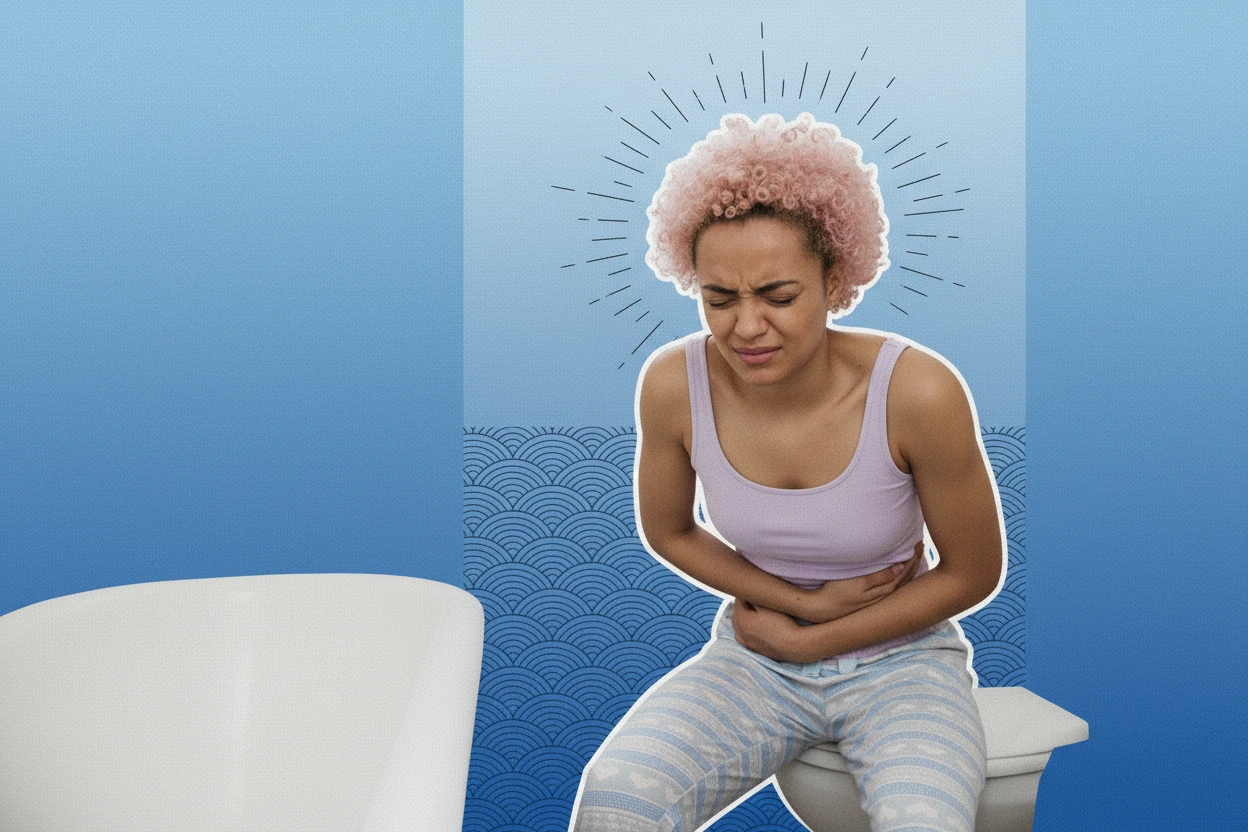
Gastroenteritis, often called the stomach flu, is a common intestinal infection that causes symptoms like diarrhea, vomiting, and stomach cramps. It affects millions of people worldwide each year and is usually caused by viruses such as norovirus and rotavirus12. While most cases resolve on their own within a few days, gastroenteritis can lead to serious complications like dehydration, especially in young children, older adults, and those with weakened immune systems34.
Gastroenteritis Symptoms: Nausea, Vomiting, Diarrhea & Dehydration
The onset of gastroenteritis symptoms is typically sudden and abrupt3. The hallmark symptom is watery diarrhea, often accompanied by nausea and vomiting31. Abdominal cramps and pain are common, reflecting inflammation of the stomach and intestines3. Other symptoms may include headache, muscle aches, low-grade fever, and general malaise15.
Symptoms usually last from one to three days but can occasionally persist for up to two weeks1. Most cases are mild and self-limiting, resolving with supportive care6. However, severe dehydration is a serious complication, particularly in vulnerable populations such as infants, elderly individuals, and those with chronic illnesses34.
Dehydration symptoms to watch for include excessive thirst, dry mouth, decreased urination, dizziness, and weakness4. Prompt recognition and management of dehydration are essential to prevent further complications.
What Causes Stomach Flu? Viral, Bacterial & Parasitic Gastroenteritis
Gastroenteritis is primarily caused by infections that inflame the gastrointestinal tract3. The most common cause is viral infection, with norovirus and rotavirus being the leading viral agents worldwide78. Norovirus is the predominant cause of viral gastroenteritis in both adults and children, responsible for about 50% of cases globally81. It spreads mainly through contaminated food, water, and person-to-person contact, especially in close-contact settings like schools, nursing homes, and cruise ships910.
Norovirus outbreaks tend to peak during the colder months, typically from November through April11. The incubation period for norovirus infection is usually 1 to 2 days12.
Rotavirus primarily affects young children, especially those aged 3 to 15 months, and spreads via the fecal-oral route13. The incubation period for rotavirus ranges from 1 to 3 days12. Vaccination against rotavirus has significantly reduced the incidence and severity of rotavirus gastroenteritis in many countries, including the United States4.
Besides viruses, bacteria and parasites can also cause gastroenteritis, often through ingestion of contaminated food or water1415. Chemical irritants and certain medications may trigger gastroenteritis by damaging the gastrointestinal lining3.
Diagnosing Gastroenteritis: When to See a Doctor & Diagnostic Tests
Diagnosis of gastroenteritis is usually clinical, based on the sudden onset of symptoms such as diarrhea, vomiting, and abdominal cramps63. A healthcare provider will take a detailed history, including symptom onset, severity, exposure to contaminated food or water, recent travel, and contact with infected individuals6.
Laboratory tests, such as stool cultures and mcv blood test results meaning and normal range tests, may be ordered in cases with severe, persistent, or unusual symptoms to rule out bacterial or parasitic infections614. Rapid stool tests can detect norovirus or rotavirus but are not routinely required16. Endoscopy is rarely needed and reserved for complicated or unclear cases6.
Differential diagnosis includes other causes of acute abdominal pain and diarrhea, such as appendicitis, inflammatory bowel disease, or food poisoning17.
Stomach Flu Treatments: Hydration, Medications & Home Remedies
There is no specific antiviral or antibacterial treatment for most cases of viral gastroenteritis616. Treatment focuses on supportive care to relieve symptoms and prevent dehydration6.
The mainstay of treatment is maintaining hydration through oral rehydration solutions, which replace lost fluids and electrolytes4. In cases of severe dehydration or inability to tolerate oral fluids, intravenous (IV) fluids may be necessary4.
Symptomatic medications, such as antiemetics to control nausea or antidiarrheal agents, may be used cautiously in adults but are generally avoided in children616. Antibiotics are reserved only for confirmed bacterial infections6.
Dietary modifications during recovery include avoiding irritants such as caffeine, alcohol, and fatty or highly seasoned foods35. Patients are advised to rest and gradually return to a normal diet, starting with bland, easy-to-digest foods like bananas, rice, toast, and soup5.
How to Prevent Gastroenteritis: Hand Hygiene, Food Safety & Vaccination
Preventing gastroenteritis involves reducing exposure to infectious agents and maintaining good hygiene1815. Key preventive measures include:
- Thorough handwashing with soap and water, especially after using the toilet, changing diapers, and before preparing or eating food1819.
- Proper food handling, including washing fruits and vegetables, cooking meat thoroughly, and avoiding raw or undercooked shellfish1519.
- Avoiding close contact with infected individuals and disinfecting contaminated surfaces with appropriate bleach solutions919.
- Vaccination against rotavirus for infants, which effectively reduces severe gastroenteritis cases4.
- Avoiding hand-to-face contact to reduce transmission risk18.
When traveling to areas with poor sanitation, drinking bottled or boiled water, avoiding ice cubes, and eating only cooked or peeled foods can reduce the risk of gastroenteritis2019.
Gastroenteritis Complications: Dehydration, Malnutrition & When to Seek Emergency Care
The primary and most serious complication of gastroenteritis is dehydration, caused by excessive fluid loss through diarrhea and vomiting34. Dehydration risk is higher in infants, elderly individuals, and those with chronic illnesses3.
Electrolyte imbalances such as hypokalemia (low potassium) and hyponatremia (low sodium) can occur with severe dehydration4. If untreated, dehydration can lead to kidney failure, shock, and even death in extreme cases3.
Other complications are rare but may include prolonged illness, secondary infections, or damage to the gastrointestinal tract in persistent cases317.
Living with Gastroenteritis: Managing Symptoms & Recovery at Home
Managing gastroenteritis at home involves careful attention to hydration and symptom relief6. Signs of dehydration to monitor include decreased urination frequency, dry mouth, and lethargy4. Prompt rehydration with oral fluids or oral rehydration solutions is essential to prevent worsening dehydration4.
Patients should rest and avoid foods and drinks that may irritate the stomach, such as caffeine, alcohol, and spicy or fatty foods3. Most people recover within a few days without complications6.
Medical evaluation is recommended if symptoms persist beyond a few days, worsen, or if there are signs of severe dehydration, blood in stools or vomit, high fever, or severe abdominal pain65.
“The illness is typically self-limited, resolving within several days. Most cases present with mild symptoms manageable at home. High-risk groups may have prolonged or severe illness. Supportive care with hydration and rest is the cornerstone of treatment.”
— Nathan D. Stuempfig et al.17
Gastroenteritis Key Takeaways: Symptoms, Causes, Treatment & Prevention
💡 Did You Know?
Norovirus is the leading cause of viral gastroenteritis in adults and children worldwide, responsible for about half of all cases8.
Gastroenteritis is an acute inflammation of the stomach and intestines, most commonly caused by viral infections such as norovirus and rotavirus37. Symptoms include sudden onset of watery diarrhea, nausea, vomiting, and abdominal cramps31. The illness is usually self-limiting and resolves within a few days with supportive care6.
Dehydration is the main complication and requires prompt management with oral or intravenous fluids34. Diagnosis is primarily clinical, with laboratory tests reserved for severe or atypical cases6. Prevention focuses on hand hygiene, safe food handling, vaccination, and avoiding contact with infected individuals184.
Most people recover fully without specific antiviral treatment, but vulnerable populations may require medical attention to prevent serious outcomes24.