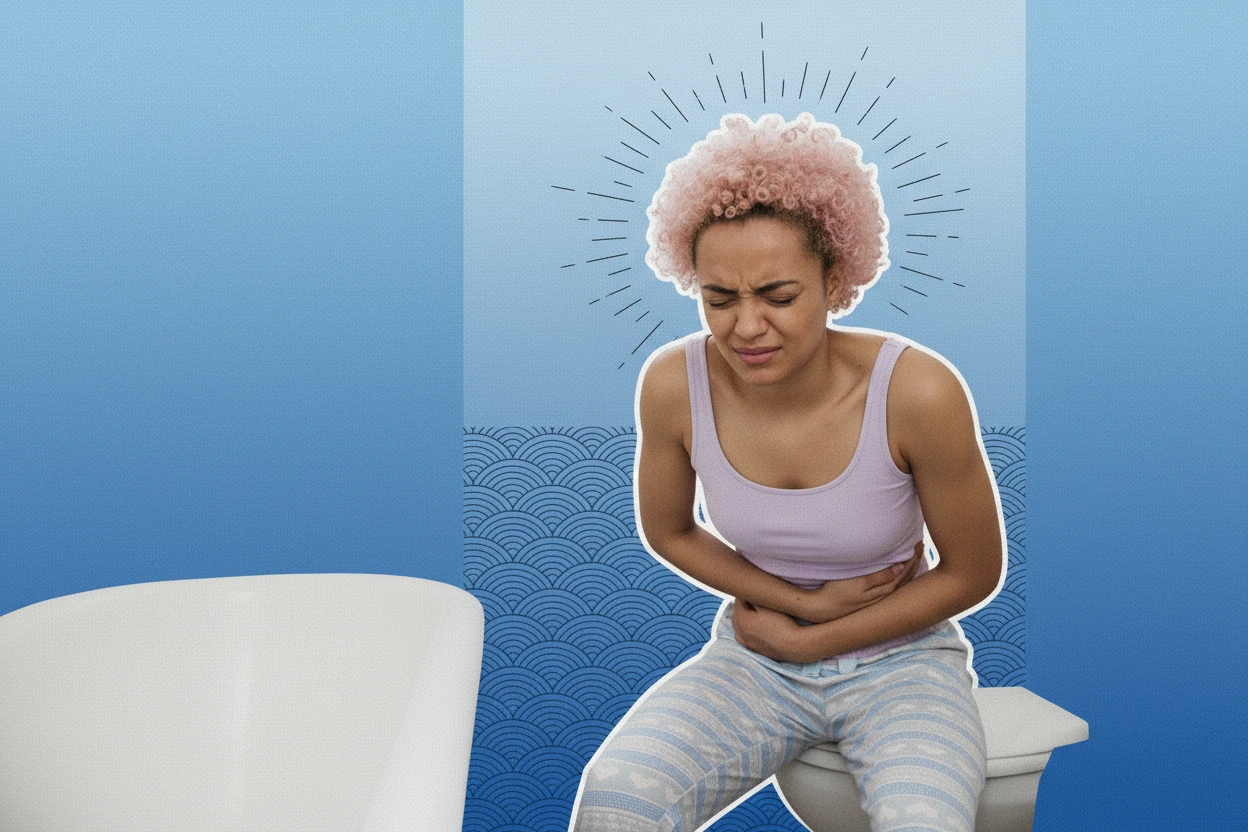
Gas is a common digestive occurrence experienced by most people, with normal individuals passing gas up to 20 times per day1. While often harmless, excess gas can cause discomfort, bloating, and pain, sometimes leading to embarrassment or concern about underlying health issues2. Understanding the symptoms, remedies, and prevention strategies can help manage gas effectively and improve quality of life3.
Gas Symptoms
Gas symptoms typically arise from the presence of air or gas in the digestive tract, which is a natural byproduct of digestion1. The most common ways gas is expelled include burping (belching), passing gas through the rectum (flatus), and abdominal bloating2. Symptoms of trapped or excessive gas may include:
- Excessive burping or passing gas3.
- Abdominal pain, cramps, or a knotted feeling in the stomach3.
- A sensation of fullness or pressure in the abdomen, known as bloating1.
- Visible abdominal distention, where the belly appears larger than usual3.
- Sharp or dull abdominal pain that may radiate to the back or chest1.
Gas pain can sometimes mimic symptoms of more serious conditions such as sleep apnea and heart health new research findings attack or gallbladder disease, especially when the pain is localized in the chest or right side of the abdomen1. Therefore, it is important to monitor symptoms carefully.
Gas is produced primarily by swallowed air and bacterial fermentation of undigested carbohydrates in the colon2. Foods high in certain carbohydrates, such as lactose in dairy products or raffinose in beans, are common culprits2. Additionally, behaviors like chewing gum, smoking, or eating quickly can increase swallowed air and worsen gas symptoms4.
Natural Gas Relief Remedies
Many people seek natural ways to relieve gas discomfort. While high-quality clinical evidence is limited, several traditional and anecdotal remedies may provide relief.
Engaging in light physical activity, such as walking after meals, may help move gas through the digestive tract and reduce bloating and discomfort2. Regular exercise also promotes bowel regularity, which can prevent gas buildup1.
Gentle abdominal massage can encourage the movement of trapped gas through the intestines. Techniques such as the "I LOV U" method, which involves massaging the abdomen in the shape of these letters following the direction of bowel movements, may be helpful5.
Applying heat to the abdomen using a hot water bottle or heating pad can relax abdominal muscles and reduce pain associated with trapped gas5. Heat also helps alleviate the sensation of bloating and fullness.
Certain herbal teas and kitchen ingredients are traditionally used to ease gas symptoms:
- Peppermint, chamomile, anise, fennel, caraway, coriander, and turmeric teas may soothe digestion and reduce gas25.
- Dissolving half a teaspoon of baking soda (sodium bicarbonate) in water can help neutralize stomach acid and facilitate gas release, but excessive use should be avoided due to risks5.
- Apple cider vinegar diluted in water is a popular remedy, though scientific evidence is lacking; it may help some individuals with functional bloating5.
These remedies are generally safe but should be used cautiously, especially in individuals with underlying health conditions or those taking medications.
Trapped gas can cause sharp, stabbing pain that mimics serious conditions like heart attack or appendicitis, but most cases resolve with simple home remedies or lifestyle changes5.
OTC Gas Treatments
Over-the-counter (OTC) medications are widely used to manage gas symptoms, though high-quality evidence for their efficacy varies.
Simethicone is an anti-foaming agent that helps break up gas bubbles in the digestive tract, making it easier to expel gas through burping or flatulence6. It is available in various forms, including capsules, tablets, and liquids, under brand names such as Gas-X and Mylanta Gas6. Simethicone is generally well tolerated and has minimal side effects, but clinical evidence supporting its effectiveness is limited6.
Lactase supplements provide the enzyme needed to digest lactose, the sugar found in dairy products. People with lactose intolerance may benefit from taking lactase before consuming dairy to reduce gas and bloating6. Products like Lactaid are commonly used for this purpose6. However, lactase supplements can occasionally cause allergic reactions, including rash or swelling, and should be used with caution6.
Alpha-galactosidase is an enzyme that helps break down complex carbohydrates found in beans and certain vegetables, which are known to cause gas6. OTC products such as Beano contain this enzyme and are taken before meals to prevent gas formation6. While some studies suggest benefits, robust clinical trials are lacking6.
| OTC Gas Treatment | Mechanism of Action | Common Brands | Notes |
|---|---|---|---|
| Simethicone | Breaks up gas bubbles for easier passage | Gas-X, Mylanta Gas | Minimal side effects; limited evidence |
| Lactase | Digests lactose in dairy products | Lactaid | Useful for lactose intolerance; possible allergic reactions |
| Alpha-Galactosidase | Breaks down complex carbs causing gas | Beano | Taken before meals; evidence mainly anecdotal |
| Sources:6 | |||
Gas Prevention Strategies
Preventing excessive gas involves modifying behaviors and dietary habits to reduce gas production and swallowing of air.
Swallowing air (aerophagia) is a significant contributor to gas. Strategies to reduce swallowed air include:
- Avoid chewing gum and sucking on hard candies7.
- Do not drink carbonated beverages or use straws7.
- Eat slowly and avoid talking while chewing7.
- Ensure dentures fit properly to prevent excess air intake7.
- Avoid smoking, which increases air swallowing7.
Certain foods and eating habits can increase gas production. Adjusting diet may help reduce symptoms:
- Limit intake of high-fiber foods known to cause gas, such as beans, onions, broccoli, cabbage, and whole grains, but do not eliminate fiber entirely as it is important for digestive health8.
- Reduce or avoid dairy products if lactose intolerant; consider lactose-free alternatives or lactase supplements8.
- Avoid sugar substitutes ending in "-ol" like sorbitol and mannitol found in sugar-free products4.
- Cut back on fried or fatty foods, which delay gas clearance8.
- Drink plenty of water to aid digestion and prevent constipation4.
Keeping a food diary can help identify personal trigger foods and guide dietary adjustments4.
While high-fiber foods can cause gas, they are essential for bowel health; gradually increasing fiber intake with adequate hydration can help build tolerance2.
When to See a Doctor
Most gas symptoms are benign and manageable at home. However, medical evaluation is warranted if gas is accompanied by concerning signs or if symptoms persist or worsen.
Seek medical attention if you experience:
- Severe or persistent abdominal pain or bloating3.
- Unexplained weight loss3.
- Blood in stool or black, tarry stools3.
- Changes in bowel habits such as diarrhea or constipation lasting more than a few days3.
- Vomiting or nausea with gas symptoms3.
- Chest pain that could indicate a cardiac event1.
A healthcare provider may perform a physical exam, review dietary habits, and order tests such as blood work, breath tests for lactose intolerance or bacterial overgrowth, or imaging studies to diagnose underlying conditions1. Treatment may then be tailored accordingly.
If symptoms persist, medical evaluation is advised to rule out food sensitivities and other conditions1.
Summary
Gas is a normal digestive process, but excessive or trapped gas can cause discomfort and pain. Symptoms include burping, flatulence, bloating, and abdominal pain. Natural remedies such as light exercise, abdominal massage, hot compresses, and herbal teas may provide relief, though evidence is mostly anecdotal. OTC treatments like simethicone, lactase, and alpha-galactosidase enzymes can help manage symptoms, especially when related to specific food intolerances. Preventing gas involves swallowing less air and making dietary adjustments, including moderating intake of gas-producing foods and carbonated drinks. Medical consultation is important if gas symptoms are severe, persistent, or accompanied by warning signs such as weight loss or bleeding.