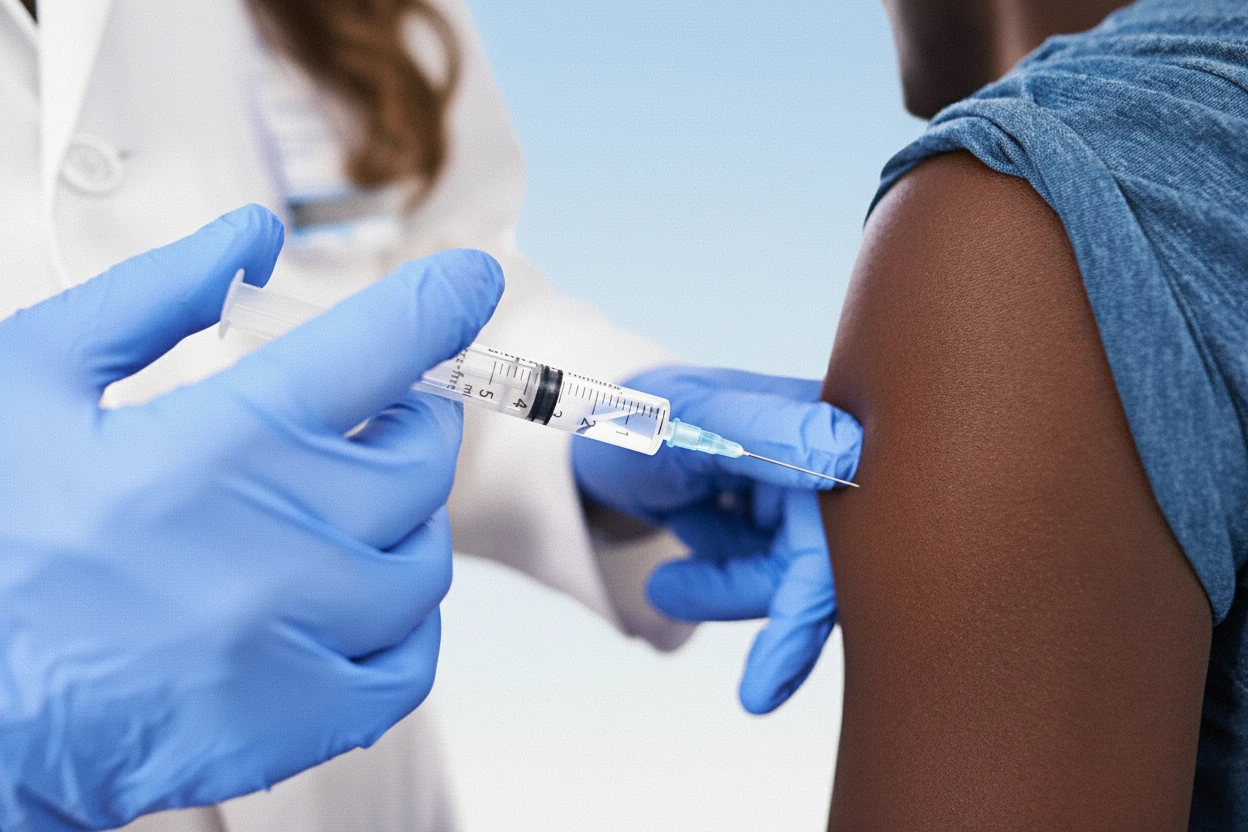
Each year, millions of people in the United States get sick from influenza, with hundreds of thousands requiring hospitalization and thousands dying from flu-related complications1. The flu vaccine is the best tool to reduce the risk of influenza illness and its serious outcomes1. To maximize protection, it is important to understand when the vaccine begins to work, how effective it is, and the best timing for vaccination during the flu season23.
Flu Shot Protection Timeline
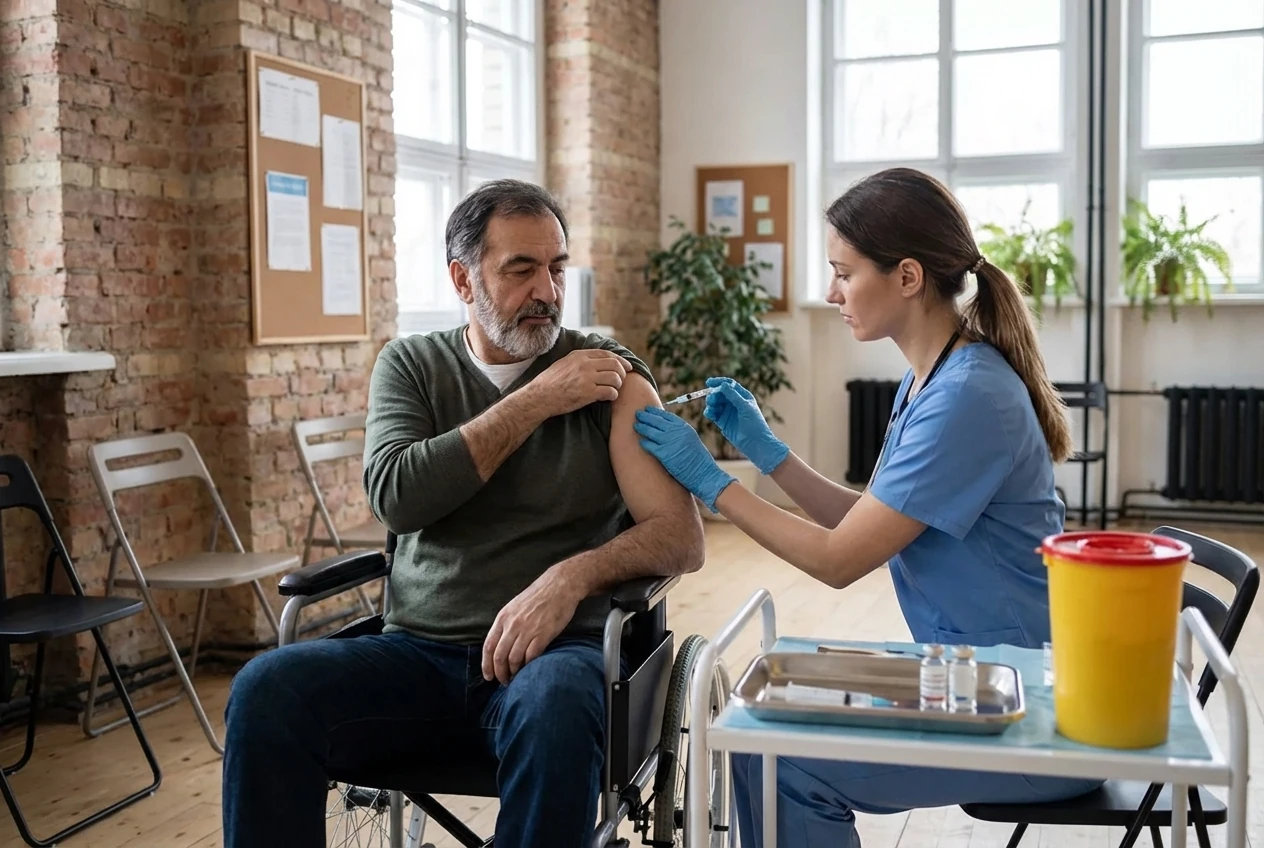
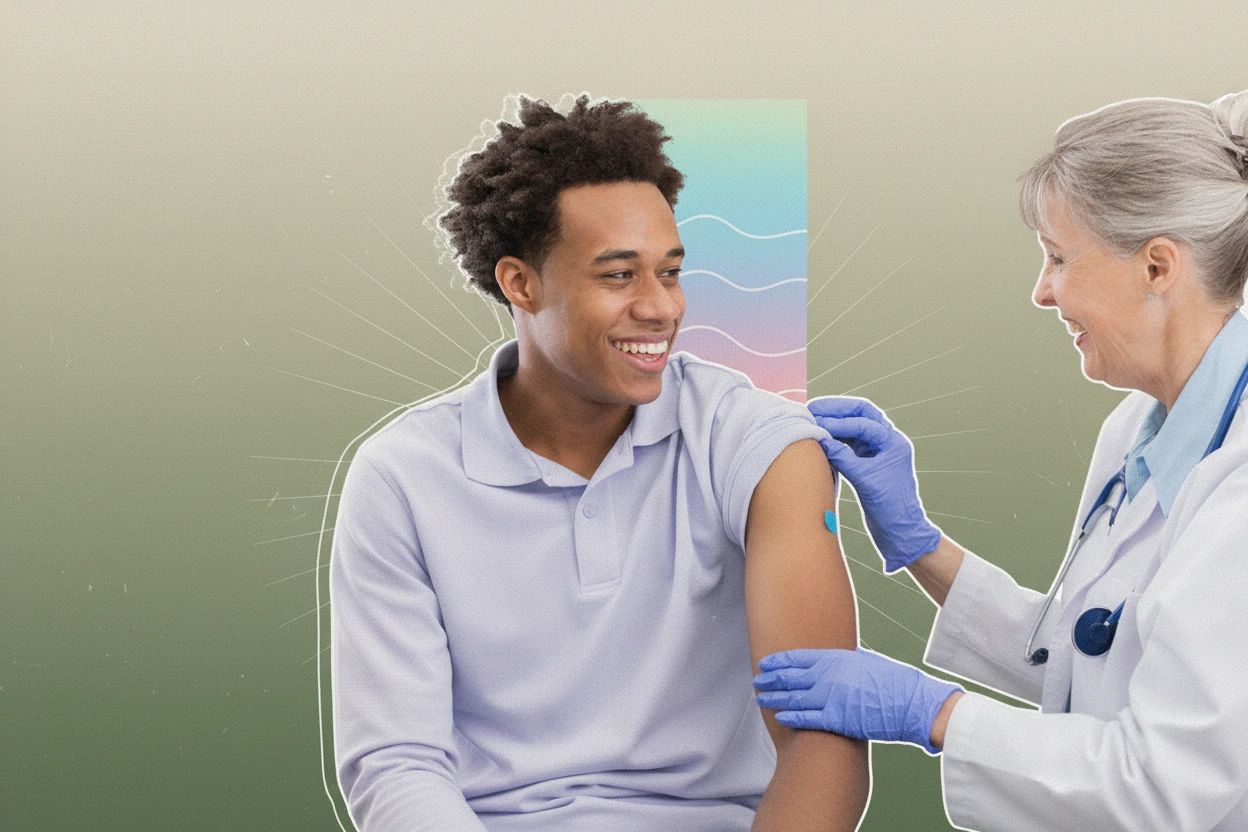
The flu vaccine does not provide immediate protection. After receiving the vaccine, the body needs time to build up immunity. It takes approximately two weeks for healthy adults to develop enough antibodies to protect against influenza viruses24. During this period, individuals remain vulnerable to infection if exposed to the virus.
Because of this delay in immune response, health authorities recommend getting vaccinated early in the flu season, ideally by the end of October, to ensure immunity is established before influenza activity peaks12. In the United States, flu season typically begins in October and peaks between December and February1. Vaccination after the peak can still offer benefits, as flu viruses may circulate into March or later5.
The protection from the flu vaccine generally lasts about six months, covering most of the flu season63. However, immunity can wane over time, which is why annual vaccination is necessary5. Some groups, such as children receiving the vaccine for the first time, may require two doses spaced at least four weeks apart to achieve full protection1.
“It takes about two weeks after getting the vaccine for your body to build up enough antibodies to protect against the flu.”
— Jean Moorjani, MD, Orlando Health Arnold Palmer Hospital for Children7
Flu Vaccine Effectiveness Rates
The effectiveness of the seasonal flu vaccine varies each year and depends on several factors, including the match between vaccine strains and circulating influenza viruses, as well as host factors such as age and overall health81. When the vaccine strains closely match the viruses in circulation, the vaccine can reduce the risk of flu illness by approximately 40% to 60%81.
Vaccine effectiveness (VE) estimates from multiple U.S. studies over recent flu seasons have ranged widely, from as low as 19% to as high as 60%, reflecting the variability in viral strains and population immunity910. For example, the 2024–2025 flu season showed preliminary VE estimates around 56%9.
Effectiveness tends to be higher in healthy younger adults and children, while older adults and those with chronic medical conditions may have a weaker immune response to vaccination811. To improve protection in older adults, high-dose or adjuvanted flu vaccines are available and recommended for people aged 65 and older111.
| Influenza Season | Adjusted Vaccine Effectiveness (%) | Reference |
|---|---|---|
| 2010–2011 | 60 | 10 |
| 2014–2015 | 19 | 10 |
| 2023–2024 | 44 | 10 |
| 2024–2025 (prelim.) | 56 | 9 |
| Sources:910 | ||
Even in seasons with a less optimal match, vaccination can still reduce the severity of illness and complications in those who get sick81.
It takes about two weeks after getting the flu shot for your body to develop protective antibodies, so it’s advisable to take extra precautions during this period5.
Benefits of Flu Vaccination
Annual influenza vaccination is recommended for all persons aged 6 months and older without contraindications1. The vaccine provides several important benefits:
- Reduces the risk of influenza illness by 40–60% during well-matched seasons8.
- Lowers the risk of flu-related hospitalizations and deaths, especially in high-risk groups such as older adults and people with chronic health conditions91.
- Decreases the severity of illness and complications in vaccinated individuals who still contract the flu8.
- Helps protect vulnerable populations, including young children, pregnant people, and those with weakened immune systems1.
- Contributes to community immunity, reducing overall flu transmission8.
High-risk populations who particularly benefit from vaccination include:
- Adults aged 65 years and older9.
- People with chronic medical conditions such as lung disease, asthma-types-classifications-triggers-and-severityasthma-types-classifications-triggers-and-severityasthma, kidney disease, heart disease, and diabetes91.
- Pregnant people and those who have recently given birth1.
- Young children, especially those under 5 years old1.
- Residents of nursing homes and long-term care facilities1.
Vaccines formulated specifically for older adults, such as high-dose or adjuvanted vaccines, elicit a stronger immune response and offer enhanced protection in this group111.
Flu vaccination has been shown to have many benefits including reducing the risk of flu illnesses, hospitalizations and even the risk of flu-related death12.
Additional Preventive Measures
While vaccination is the cornerstone of flu prevention, additional measures support immune health and reduce the risk of infection:
- Maintain a balanced diet to support immune function2.
- Engage in regular physical activity to enhance immune response2.
- Practice frequent handwashing with soap and water or use an alcohol-based hand sanitizer1.
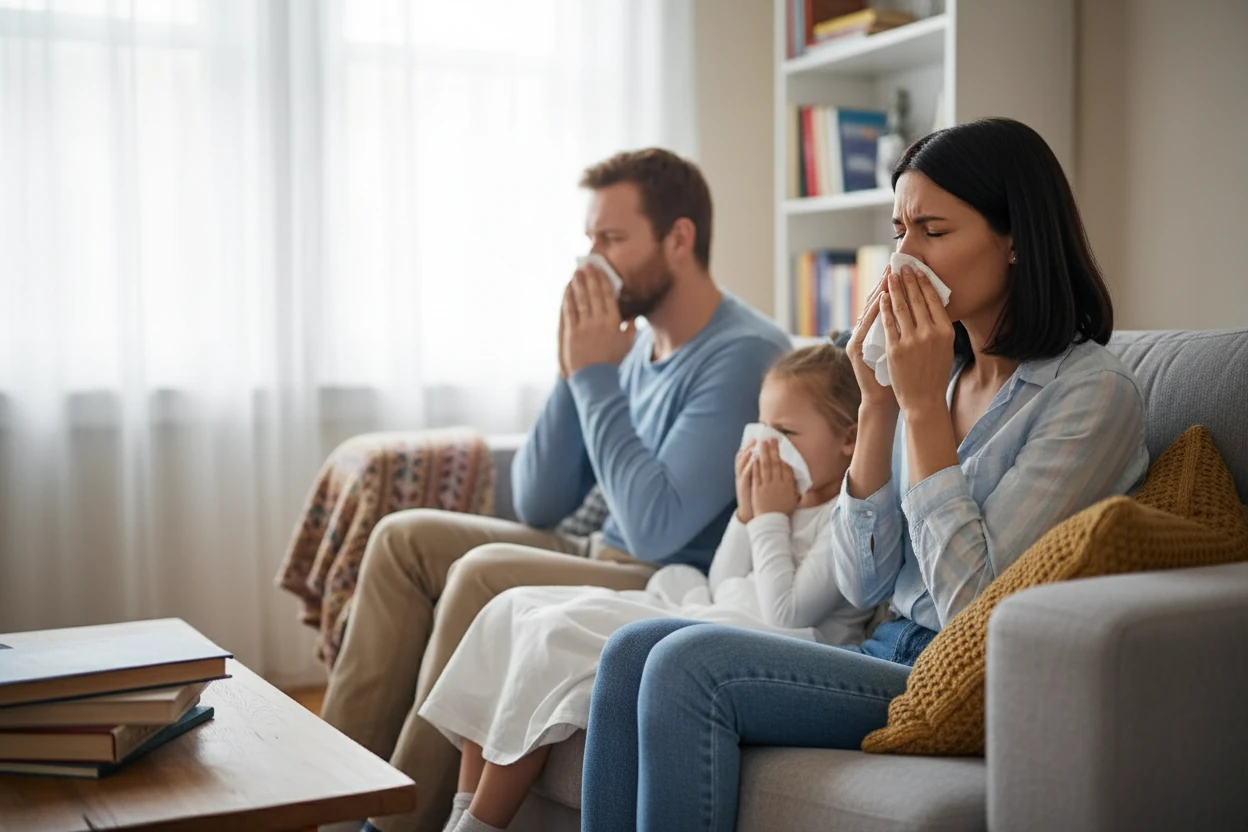
- Avoid close contact with people who are sick and stay home when ill to prevent spreading the virus1.
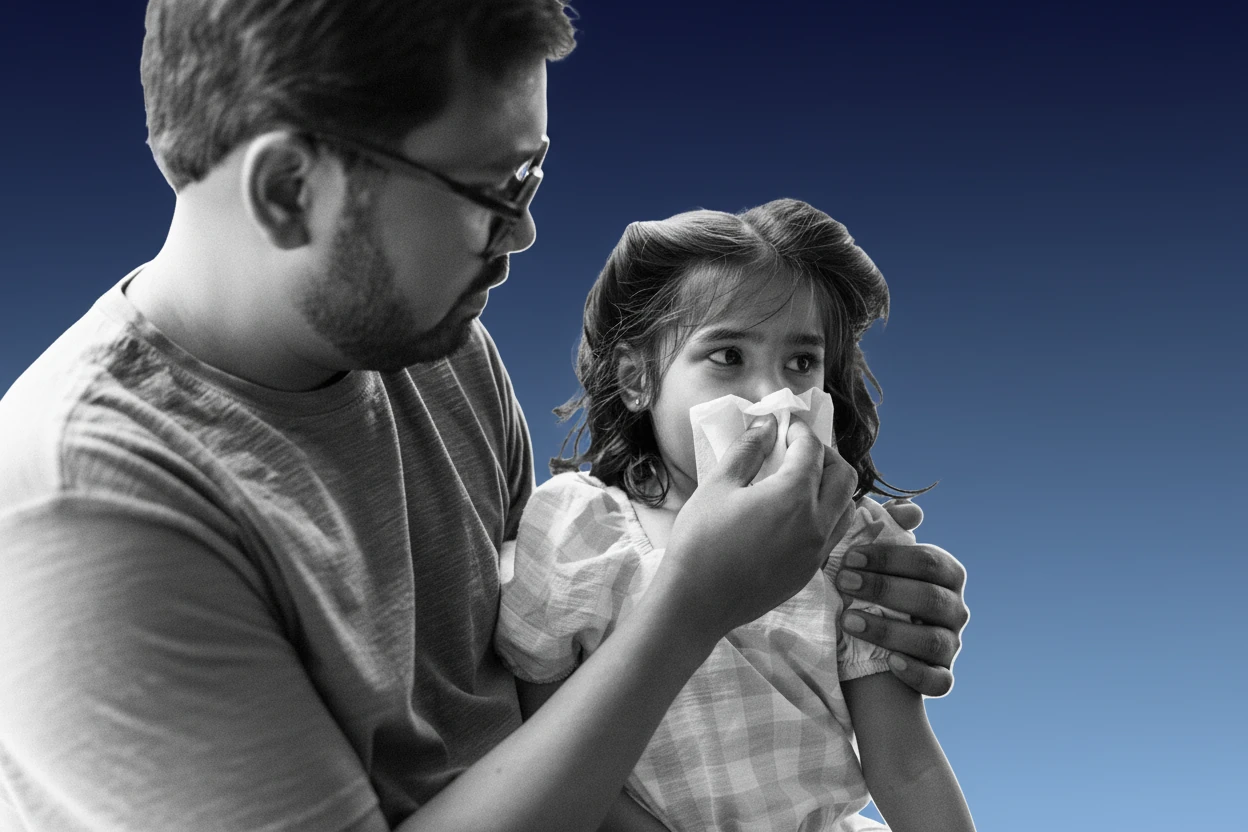
- Cover coughs and sneezes with a tissue or elbow to reduce virus transmission1.
These precautions complement vaccination and help reduce the spread of influenza and other respiratory viruses during flu season12.
Getting vaccinated early in the flu season is crucial because it takes about two weeks for the vaccine to become effective, and flu activity typically peaks between December and February. Even if you get vaccinated later, it can still provide protection as flu viruses may circulate into spring125.
Key Takeaways
- The flu vaccine takes about two weeks to provide full protection after vaccination24.
- Vaccination is best done by the end of October to ensure immunity before flu season peaks between December and February12.
- Flu vaccine effectiveness varies yearly but generally reduces flu risk by 40–60% during well-matched seasons81.
- Vaccination lowers the severity of illness and risk of hospitalization even if flu occurs after vaccination8.
- Annual vaccination is recommended for everyone aged 6 months and older, with special emphasis on high-risk groups91.
- Supporting immune health through diet, exercise, and hygiene practices further reduces flu risk12.