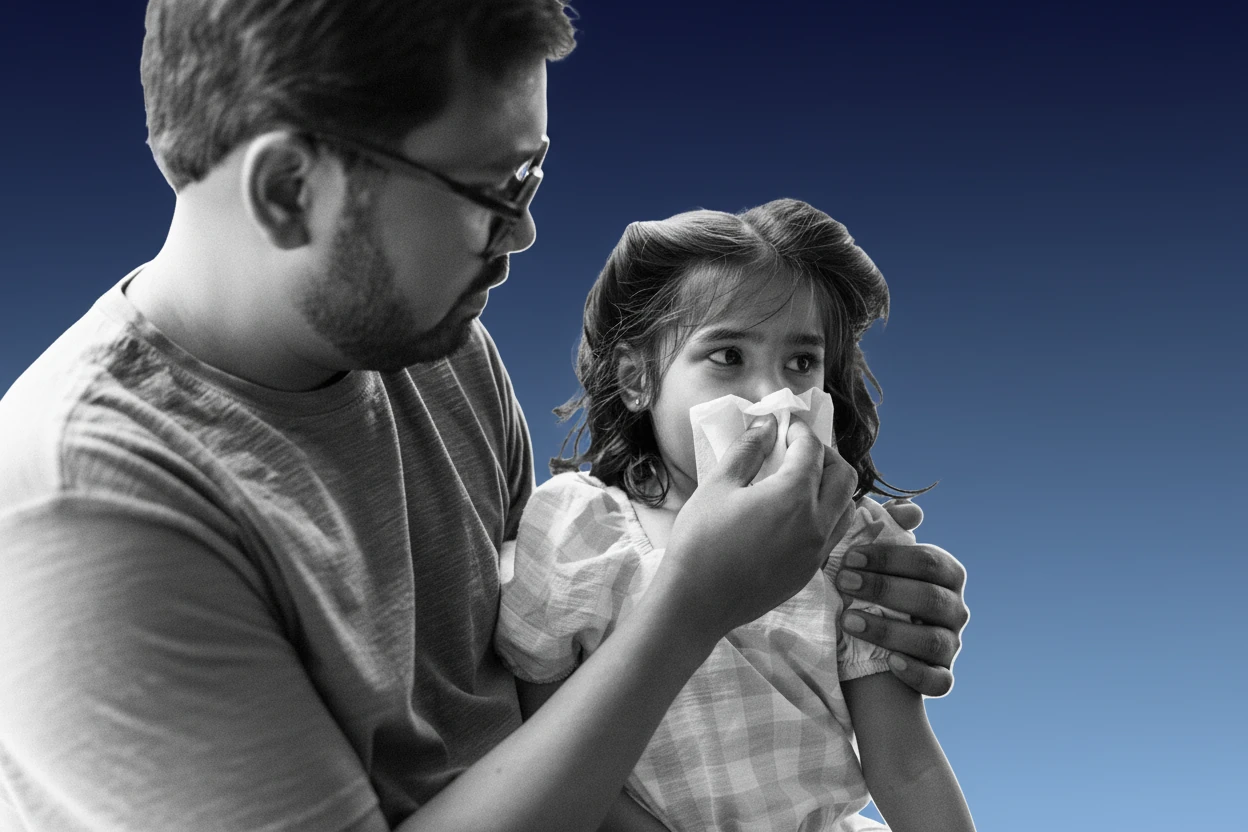
Each flu season, millions of people worldwide contract influenza, with multiple strains circulating simultaneously1. This variety means it is possible to get the flu more than once in the same season, especially when different strains are involved2. Understanding how flu reinfection works, the role of vaccination, and when to seek medical care can help reduce risks and improve outcomes3.
Flu Reinfection Possibility
Influenza viruses are classified into four types: A, B, C, and D, but seasonal epidemics are mainly caused by types A and B4. These viruses have multiple strains that can circulate during a single flu season, making reinfection possible5. Infection with one strain does not provide immunity against others, allowing for multiple infections within the same season2. The immune system produces antibodies that are strain-specific, which means they may not protect effectively against antigenically different influenza viruses6.
Experts confirm that while it is possible to get the flu twice in one season, it is not very common3. This is largely because the flu shot includes protection against several strains, but since viruses mutate and different strains circulate, reinfections can occur7. For example, a person might first get infected with influenza A H3N2 and later with influenza B, especially as B strains tend to become more prominent toward the end of the season3.
Groups at higher risk of reinfection include those who are unvaccinated, older adults, young children, immunocompromised individuals, and people frequently exposed to crowded settings like schools or nursing homes3. Good hygiene practices such as handwashing and respiratory etiquette also play a crucial role in reducing transmission8.
- Influenza A and B cause seasonal epidemics with multiple strains circulating45.
- Infection with one strain does not guarantee immunity against others2.
- Antibody responses are strain-specific and may not protect against different strains6.
- Reinfection is more likely in unvaccinated, elderly, young children, and immunocompromised individuals3.
- Flu viruses spread easily in crowded settings, increasing reinfection risk3.
Same Flu Strain Reinfection
Reinfection with the exact same influenza strain within one season is uncommon but can occur under certain conditions. Adaptive immunity developed after infection typically protects against reinfection with the homologous (same) strain9. However, immunity can wane over time, or the virus may mutate slightly, allowing reinfection10.
Studies have demonstrated that sequential infection with the identical influenza A virus is possible and may not be as rare as once thought11. The likelihood of catching the exact same strain twice is lower than catching different strains, but it remains a possibility, especially during a long flu season or in individuals with weakened immune systems12.
Natural immunity after infection is generally strong for several months but is not lifelong3. This means that if a person is exposed again to the same strain after immunity wanes, reinfection can occur10. Additionally, slight viral mutations can evade immune memory, increasing the chance of reinfection with a similar but not identical strain11.
- Reinfection with the same strain is uncommon but possible if immunity wanes or virus mutates10.
- Adaptive immunity usually protects against homologous reinfection9.
- Sequential infection with identical influenza A virus has been documented11.
- Immunity after infection lasts several months but is not lifelong3.
- Mutations in the virus can allow reinfection with similar strains11.
Flu A vs. Flu B Severity
Both influenza A and B viruses cause similar clinical symptoms during seasonal outbreaks, including fever, cough, body aches, and fatigue13. However, influenza A infections are generally associated with higher hospitalization and mortality rates, particularly in adults14. Influenza A also tends to mutate more rapidly and cause more severe illness12.
In contrast, influenza B virus infections are more common in children and tend to cause less severe illness in adults15. While both types contribute to seasonal epidemics, the impact on different age groups varies, with influenza B disproportionately affecting younger populations1415.
| Feature | Influenza A | Influenza B |
|---|---|---|
| Severity | Higher hospitalization and mortality rates in adults14 | Generally milder in adults; more common in children15 |
| Mutation rate | Rapid mutation, causing frequent strain changes12 | Slower mutation rate12 |
| Affected population | Adults primarily | Children primarily15 |
| Pandemic potential | Has caused pandemics historically | No known pandemics |
- Influenza A causes more severe illness and higher hospitalization rates in adults14.
- Influenza B is more common in children and usually less severe in adults15.
- Both viruses cause similar symptoms during seasonal outbreaks13.
- Influenza A mutates faster, complicating prevention efforts12.
- Children are more frequently affected by influenza B infections15.
Flu Vaccine Effectiveness
Annual influenza vaccines are formulated based on World Health Organization (WHO) recommendations to match the most likely circulating strains each season16. These vaccines typically include two influenza A strains (H1N1 and H3N2) and one or two influenza B strains (Victoria and/or Yamagata lineages)17. Despite this, vaccine effectiveness varies yearly due to antigenic drift (small changes in virus surface proteins) and occasional mismatch between vaccine strains and circulating viruses18.
For example, the 2018 influenza vaccine was only 36% effective against the dominant A H3N2 strain due to such mismatch18. Nonetheless, vaccination remains the best preventive measure, reducing hospitalizations, severe illness, and deaths3.
How Long Does Flu Immunity Last?
Immunity following natural infection or vaccination is strain-specific and generally lasts for several months, often covering the remainder of the flu season3. However, immunity can wane, and protection against antigenically distinct strains may be limited6. The ideal time to get vaccinated is early fall, typically September or October, to ensure immunity peaks during the height of flu activity19.
Vaccination after having the flu can still boost immunity, providing protection against other circulating strains20. Even late vaccination during the season can be beneficial, as flu activity can continue into spring3.
- Vaccines are updated annually to match circulating strains based on WHO guidance16.
- Vaccine effectiveness varies yearly due to antigenic drift and strain mismatch18.
- Immunity from vaccination or infection lasts several months but is strain-specific63.
- Early fall vaccination is recommended to maximize protection during peak flu season19.
- Vaccination after flu infection boosts immunity against other strains20.
“It’s important to remember that flu is a disease that kills thousands of people every year.”
— Dr. Thomas Murray, Yale Medicine21
Preventing Flu and Reinfection
The primary way to prevent influenza and potential reinfection is through annual vaccination, recommended for everyone aged 6 months and older by the Centers for Disease Control and Prevention (CDC)2223. Vaccination helps build immunity against multiple strains circulating in the season and reduces the severity of illness if infection occurs24.
Additional preventive measures include:
- Practicing good hand hygiene by washing hands frequently with soap and water8.
- Covering coughs and sneezes with a tissue or the elbow to reduce droplet spread8.
- Avoiding close contact with sick individuals whenever possible8.
- Wearing masks in crowded indoor settings to reduce exposure3.
- Cleaning and disinfecting frequently touched surfaces regularly8.
People with allergies to vaccine components or a history of severe vaccine reactions should consult healthcare providers before vaccination25. High-risk groups, such as older adults and those with chronic conditions, should prioritize vaccination and preventive measures26.
- Annual flu vaccination is recommended for everyone 6 months and older2223.
- Handwashing and respiratory etiquette reduce virus transmission8.
- Avoid contact with sick people and crowded places when possible8.
- Masks can help reduce exposure in indoor crowded settings3.
- Consult healthcare providers if you have vaccine allergies or severe reactions25.
Flu vaccination remains the best defense against influenza and its complications. Even if you have had the flu, getting vaccinated can protect you from other strains circulating in the same season203.
When to Seek Medical Care
Most flu cases are self-limited and can be managed at home with rest, hydration, and over-the-counter symptom relief27. However, certain situations require prompt medical attention:
- Symptoms worsen or persist beyond 4 to 7 days without improvement28.
- Difficulty breathing or chest pain develops28.
- Oxygen saturation drops below 90% (if measured)28.
- Severe vomiting or inability to keep fluids down28.
- Extreme weakness, dizziness, or confusion occurs28.
High-risk groups—including infants under 2 years, adults over 65, pregnant women, and those with chronic medical conditions—should seek medical care promptly if flu symptoms develop28. Antiviral medications like oseltamivir (Tamiflu) are most effective when started within 48 hours of symptom onset and can reduce illness severity and complications2129.
Testing for influenza is important when symptoms overlap with other respiratory infections such as COVID-19, as treatment and isolation recommendations may differ21. Rapid antigen and PCR tests are available for both flu and COVID-1912.
- Seek care if flu symptoms worsen or do not improve after several days28.
- High-risk individuals should seek prompt medical attention28.
- Antiviral treatments are most effective within 48 hours of symptom onset21.
- Testing helps differentiate flu from COVID-19 and guides treatment12.
- Monitor for breathing difficulties, dehydration, or neurological changes21.
Key Takeaways
- It is possible to get the flu more than once in a single season due to multiple circulating strains23.
- Reinfection with the exact same strain is rare but can occur if immunity wanes or the virus mutates1011.
- Influenza A tends to cause more severe illness and higher hospitalization rates, especially in adults, while influenza B is more common in children1415.
- Annual flu vaccination is the best way to prevent infection and reduce severity, even if vaccinated late or after infection16203.
- Seek medical care if symptoms worsen, persist, or if you belong to a high-risk group2821.