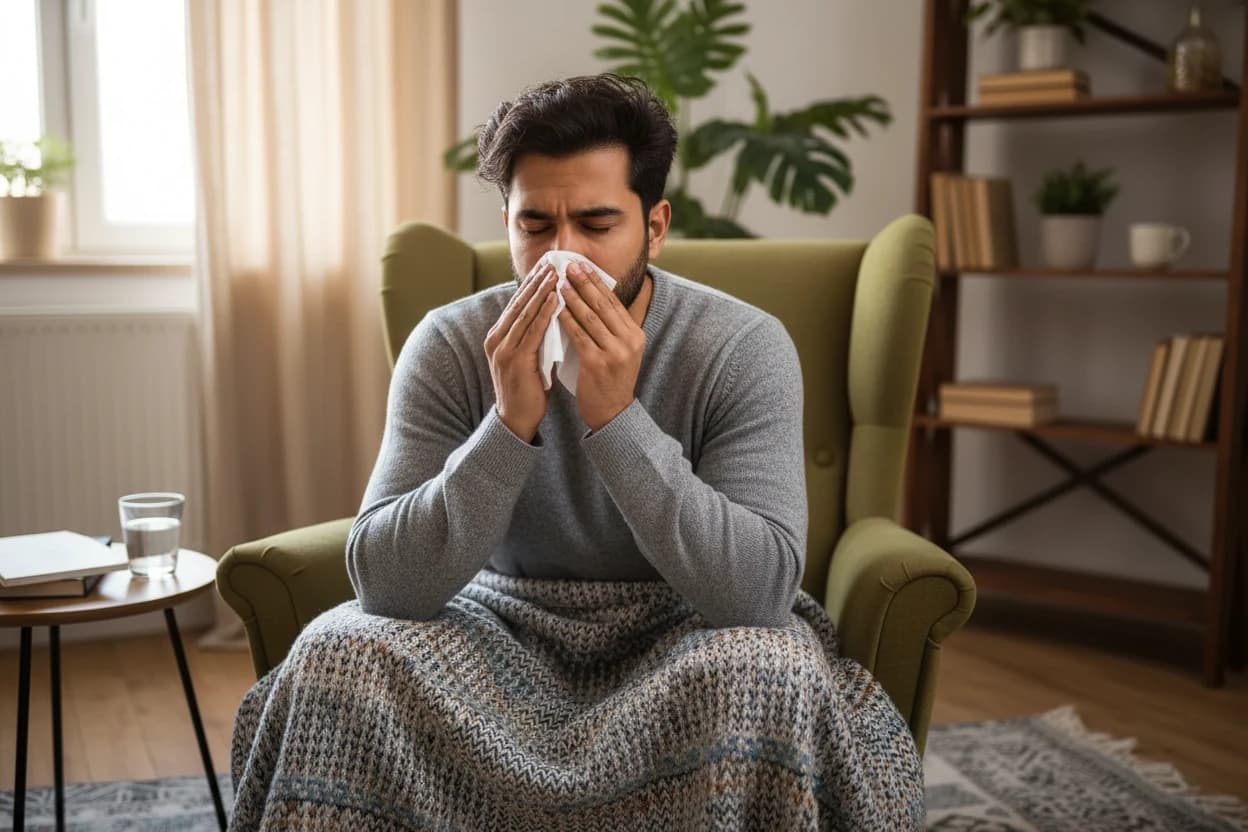
Seasonal influenza remains a significant public health challenge worldwide, causing millions of illnesses and hundreds of thousands of deaths annually1 2. Despite advances in healthcare and vaccination, the flu continues to pose risks, especially to vulnerable populations2 . Understanding flu mortality statistics, predicting the severity of flu seasons, and adopting effective prevention strategies are essential to reduce its impact3 4.
Annual Flu Mortality Statistics
Seasonal influenza causes a wide range of health outcomes, from mild illness to severe complications and death. In the United States, flu-related deaths vary considerably each year, with estimates ranging from about 12,000 to over 50,000 deaths depending on the circulating virus strains and season severity5 3. Globally, seasonal influenza is responsible for approximately 290,000 to 650,000 respiratory deaths annually6 74.
The variability in flu mortality is influenced by the diversity of influenza virus strains, which change seasonally and geographically8 9. Influenza A and B viruses cause seasonal epidemics, with certain subtypes like H3N2 linked to more severe seasons and higher mortality rates10 11. Major changes in virus structure, known as antigenic shifts, can lead to pandemics with much higher death tolls12 7.
The burden of influenza is not limited to deaths; it also causes millions of illnesses and hundreds of thousands of hospitalizations annually in the U.S. alone13 3. High-risk groups, including older adults, young children, and individuals with chronic medical conditions, are more likely to experience severe outcomes14 1516.
| Metric | Estimate Range | Notes |
|---|---|---|
| U.S. annual flu deaths | 12,000–52,000 | Varies by season and strain |
| Global annual flu deaths | 290,000–650,000 | Respiratory deaths only |
| U.S. annual flu illnesses | 9 million–41 million | Includes mild to severe cases |
| U.S. annual flu hospitalizations | 140,000–710,000 | Varies by season |
| High-risk groups for complications | Older adults, young children, chronic illness patients | Vaccination strongly recommended |
Flu mortality estimates differ depending on data sources and methods. For example, the Centers for Disease Control and Prevention (CDC) uses modeling to estimate flu-associated deaths, which include deaths from complications initiated by influenza, such as secondary pneumonia17 . This approach yields higher estimates than death certificate data alone, which often underreport flu as the underlying cause17 . The total number of flu deaths in the U.S. has fluctuated over the past decade, ranging from around 6,000 to 52,000 annually18 .
Globally, the risk of dying from influenza has declined over time due to improvements in sanitation, healthcare, and vaccination2 . However, the flu remains a major cause of respiratory and cardiovascular deaths, especially in low-income countries where healthcare access and vaccination rates are lower2 . The aging population worldwide also contributes to the sustained burden of flu mortality2 .
Predicting Flu Season Severity
The severity of each flu season depends on multiple factors, including the types of circulating influenza viruses, their virulence, and population immunity20 11. Surveillance systems monitor influenza-like illness (ILI) outpatient visits, hospitalizations, and mortality rates to assess flu activity and predict upcoming season severity21 2223.
Key indicators used to forecast flu severity include:
- Rates of outpatient visits for ILI22
- Mortality rates from pneumonia and influenza23
- Laboratory-confirmed flu-related hospitalizations3
Public health agencies and researchers collaborate globally to collect and analyze these data, informing predictive models that guide vaccination campaigns and other interventions24 25. The World Health Organization (WHO) coordinates global influenza surveillance through the Global Influenza Surveillance and Response System (GISRS), which tracks virus strains and recommends vaccine compositions twice yearly4 26.
The COVID-19 pandemic affected influenza circulation dramatically. Non-pharmaceutical interventions such as social distancing and mask-wearing reduced flu transmission, leading to historically low flu activity in 202027 28. However, this reduced exposure may have lowered population immunity, raising concerns about potentially more severe flu seasons post-pandemic29 3031.
Vaccine Preparedness
💡 Did You Know? CDC estimates that flu has resulted in 9 million – 41 million illnesses, 140,000 – 710,000 hospitalizations, and 12,000 – 52,000 deaths annually between 2010 and recent seasons38 .
Annual flu vaccine formulation relies on global surveillance data to select virus strains most likely to circulate in the upcoming season26 4. This process aims to optimize vaccine effectiveness and reduce flu burden. Vaccine preparedness includes:
- Monitoring circulating influenza A and B virus strains worldwide9 11
- Detecting antigenic drift (small mutations) and antigenic shift (major changes) in viruses6 7
- Assessing antiviral resistance patterns to guide treatment policies4
- Planning vaccine production and distribution to meet population needs4 32
Effective vaccine preparedness supports timely vaccination campaigns, especially for high-risk groups, to reduce illness, hospitalization, and death33 34.
“Annual influenza vaccination is the primary method to prevent flu infection and complications.”
— Sanz-Muñoz et al. 35
Effective Flu Prevention Strategies
Preventing influenza involves a combination of vaccination and non-pharmaceutical measures. The CDC recommends annual flu vaccination for everyone aged 6 months and older, with particular emphasis on high-risk groups such as older adults, young children, pregnant women, and those with chronic illnesses33 141516.
Vaccination reduces the risk of flu illness, hospitalizations, and deaths by preparing the immune system to fight the virus34 . Although vaccine effectiveness varies by season and individual health status, it consistently lowers the severity of illness and complications33 34.
Additional prevention strategies include:
- Practicing good hand hygiene by washing hands regularly36
- Covering mouth and nose when coughing or sneezing36
- Staying home when feeling unwell to avoid spreading the virus36
- Avoiding close contact with sick individuals36
- Using antiviral medications promptly in high-risk or severe cases4 32
Non-pharmaceutical interventions used during the COVID-19 pandemic, such as mask-wearing and social distancing, also helped reduce influenza transmission27 . These measures may be recommended during severe flu seasons or pandemics to protect vulnerable populations37 .
Key Takeaways
- Seasonal influenza causes substantial illness and death worldwide, with U.S. annual deaths ranging from 12,000 to over 50,000 and global respiratory deaths between 290,000 and 650,0005 67.
- Flu season severity depends on circulating virus strains, their mutations, and population immunity, which are monitored through surveillance systems to inform public health responses20 2124.
- Annual flu vaccination is the most effective way to prevent influenza infection and reduce severe outcomes, especially for high-risk groups35 3314.
- Non-pharmaceutical interventions such as hand hygiene, respiratory etiquette, and social distancing complement vaccination in reducing flu spread36 27.
- The COVID-19 pandemic altered flu circulation patterns, potentially increasing susceptibility to future flu seasons due to reduced immunity29 3031.