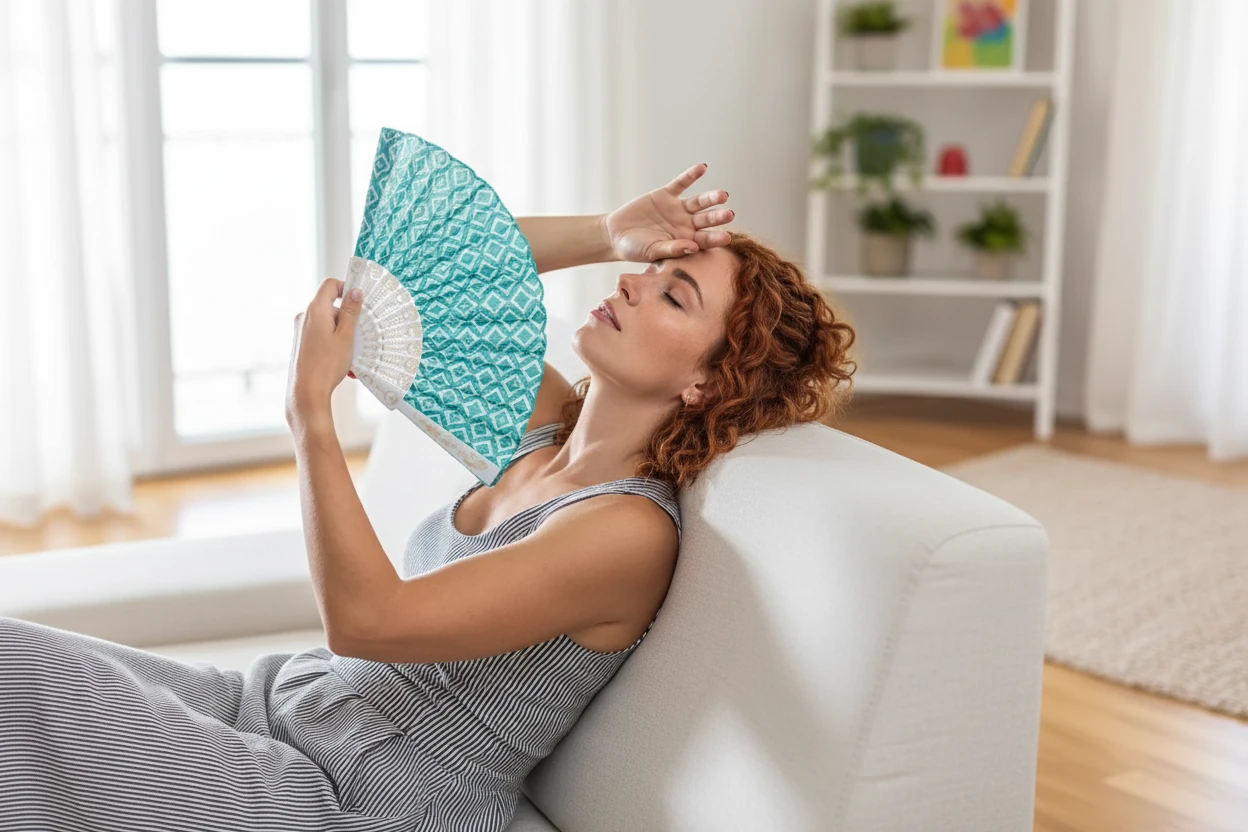
Hot flashes affect a large number of women during menopause-link-to-alzheimers-disease-testing-options-for-older-adultsalzheimers-higher-risk-in-women">menopause-treatment-options-and-managementmenopause, often disrupting daily life and sleep1. These sudden waves of heat can cause discomfort, sweating, and flushing, making symptom management important for quality of life1. Fortunately, there are several natural strategies that can help reduce the frequency and intensity of hot flashes quickly and effectively2.
Stay Hydrated with Cool Beverages
Proper hydration plays a crucial role in regulating body temperature and alleviating hot flash symptoms2. Drinking plenty of fluids helps the body maintain a stable internal temperature by promoting circulation and sweating, which facilitates heat dissipation2. Consuming cold drinks, such as water with ice, can rapidly cool the body from the inside, providing immediate relief when a hot flash strikes2.
- Adequate hydration supports thermoregulation, potentially reducing hot flash discomfort2.
- Cold fluids cool the body internally and can lessen the sensation of heat during a hot flash2.
- Staying hydrated encourages sweating, which helps dissipate excess body heat2.
- Sipping cold beverages at the onset of a hot flash may quickly reduce its severity2.
- Combining hydration with internal cooling is an effective natural approach to managing hot flashes2.
Adjust Your Diet for Relief
Dietary choices can significantly influence the frequency and severity of hot flashes2. Certain foods and drinks, such as spicy foods, caffeine, and alcohol, are known to trigger or worsen hot flashes and should be limited or avoided23. Conversely, diets rich in phytoestrogens—plant compounds that mimic estrogen—may help reduce menopausal vasomotor symptoms34.
- Avoid spicy foods, caffeine, and alcohol to reduce hot flash frequency23.
- Incorporate phytoestrogen-containing foods like soybeans, flaxseeds, and legumes into your diet34.
- A plant-based diet with minimal oils and inclusion of soy products has been shown to lower hot flash severity3.
- Maintaining a balanced diet supports overall hormonal balance and symptom control2.
- Tracking dietary triggers can help identify foods that exacerbate symptoms2.
Use Mindfulness Techniques
Mindfulness practices can help manage the stress and discomfort associated with hot flashes by calming the mind and body52. Regular mindfulness training enhances coping mechanisms and may reduce both the intensity and frequency of vasomotor symptoms5. Techniques include meditation, yoga, and focused breathing exercises.
- Mindfulness reduces stress-related exacerbation of hot flashes by modulating autonomic nervous system activity5.
- Consistent practice improves emotional regulation and symptom tolerance5.
- Techniques such as meditation and yoga promote relaxation and symptom relief5.
- Mindfulness may also improve sleep quality, indirectly reducing hot flash severity2.
- Incorporating mind-body therapies complements dietary and hydration strategies52.
Identify Your Hot Flash Triggers
Recognizing personal triggers is key to managing hot flashes effectively2. Common triggers include external heat, emotional stress, certain foods, and hormonal fluctuations2. Keeping a symptom diary can help identify patterns and allow targeted avoidance strategies.
- Hot flashes can be precipitated by heat, stress, spicy foods, caffeine, and alcohol2.
- Tracking symptoms and potential triggers in a diary aids in personalized management2.
- Awareness of triggers empowers women to make lifestyle adjustments to prevent episodes2.
- Environmental factors like room temperature and clothing choices also influence hot flash occurrence2.
- Avoiding known triggers can reduce the frequency and severity of hot flashes2.
Manage Stress Levels
Psychological stress is a well-documented trigger that increases both the frequency and severity of menopausal hot flashes62. Stress elevates cortisol levels, which can exacerbate vasomotor symptoms67. Managing stress through relaxation techniques, physical activity, and improving sleep quality can mitigate hot flash symptoms.
- Stress increases cortisol, worsening hot flash intensity and frequency67.
- Adequate sleep and relaxation reduce stress-related hot flash exacerbations2.
- Physical activity and spending time outdoors are effective stress reducers2.
- Progressive muscle relaxation techniques can decrease tension and improve symptom control2.
- Mindfulness and breathwork complement stress management strategies52.
“Stress is a well-known trigger for hot flashes. When you're stressed, your body releases hormones like cortisol that can worsen hot flashes and other menopause symptoms.”
— Sarah Jividen, RN, BSN8
Practice Deep Breathing Exercises
Deep breathing exercises activate the parasympathetic nervous system, which helps calm the body and reduce hot flash severity25. Diaphragmatic breathing stimulates relaxation responses, lowering stress and the physical symptoms of hot flashes2. Paced breathing techniques have been shown to decrease the frequency and intensity of vasomotor symptoms.
- Deep breathing engages the diaphragm and promotes relaxation2.
- Paced breathing involves slow inhalation and exhalation, typically counting to five2.
- Regular practice (10–15 minutes daily) supports long-term symptom reduction2.
- Breathwork lowers stress-related exacerbation of hot flashes2.
- Deep breathing can be performed anytime, including at the onset of a hot flash2.
Cool Down with Cold Water
Cold water immersion may reduce vasomotor symptoms by rapidly lowering body temperature92. Observational data suggest that activities like winter swimming correlate with fewer hot flashes in menopausal women, though evidence is limited and causality is unproven9. Medical advice is recommended before attempting cold water exposure.
- Cold water immersion cools the body and may alleviate hot flash symptoms92.
- Winter swimming has been associated with reduced hot flash frequency in observational studies9.
- The evidence is primarily observational; more research is needed to confirm benefits9.
- Consult a healthcare provider before starting cold water swimming or immersion2.
- Using cold water or cool compresses can be a safe, immediate cooling method2.
Considering Hormone Therapy Options
Hormone therapy (HT) remains the most effective treatment for severe menopausal vasomotor symptoms, including hot flashes210. Estrogen-based therapies stabilize declining hormone levels and typically provide rapid symptom relief within weeks210. However, HT carries risks and is not suitable for everyone, especially those with cardiovascular disease, thromboembolism, or hormone-sensitive cancers210.
- Estrogen therapy reduces hot flashes by replacing declining hormone levels210.
- Women with a uterus usually require combined estrogen-progestogen therapy to protect the uterine lining210.
- HT risks include increased chances of certain cancers, blood clots, and cardiovascular events210.
- Individualized risk assessment and shared decision-making with a healthcare provider are essential210.
- Nonhormonal treatments are recommended for women with contraindications to HT2.
“Hormone therapy is one of the most commonly prescribed treatments for hot flashes, especially when symptoms are severe or significantly disrupt daily life.”
— Dr. Cynthia Abraham, OB-GYN11
When to Consult Your Doctor
Many women manage hot flashes effectively through lifestyle modifications, but persistent or severe symptoms warrant medical evaluation2. Consult a healthcare provider if hot flashes interfere with daily functioning or if unusual symptoms occur, such as unexplained bleeding, mood changes, or early onset of hot flashes2.
- Seek medical advice if hot flashes disrupt quality of life or daily activities2.
- Unexplained bleeding, mood swings, or early hot flashes require prompt assessment2.
- Increasing frequency or severity of symptoms should prompt consultation2.
- Unexplained weight changes or atypical pain alongside hot flashes need evaluation2.
- Urinary symptoms or emotional disturbances during menopause should be discussed with a provider2.
Summary of Key Strategies
Managing hot flashes doesn't have to mean suffering through them. Simple strategies like hydration, diet changes, mindfulness, and stress management can quickly reduce symptoms. For severe cases, hormone therapy offers effective relief but requires careful medical guidance.1028
Managing hot flashes naturally involves a multifaceted approach combining hydration, diet, stress reduction, and relaxation techniques2. While hormone therapy remains the most effective option for severe symptoms, many women find relief through lifestyle changes and mindfulness practices210.
- Stay hydrated with cool beverages to regulate body temperature and reduce hot flash intensity2.
- Adjust diet by avoiding triggers like spicy foods and caffeine while incorporating phytoestrogen-rich foods32.
- Use mindfulness and deep breathing exercises to manage stress and improve symptom control52.
- Identify and avoid personal hot flash triggers through symptom tracking2.
- Consider hormone therapy after individualized risk assessment for severe or persistent symptoms210.