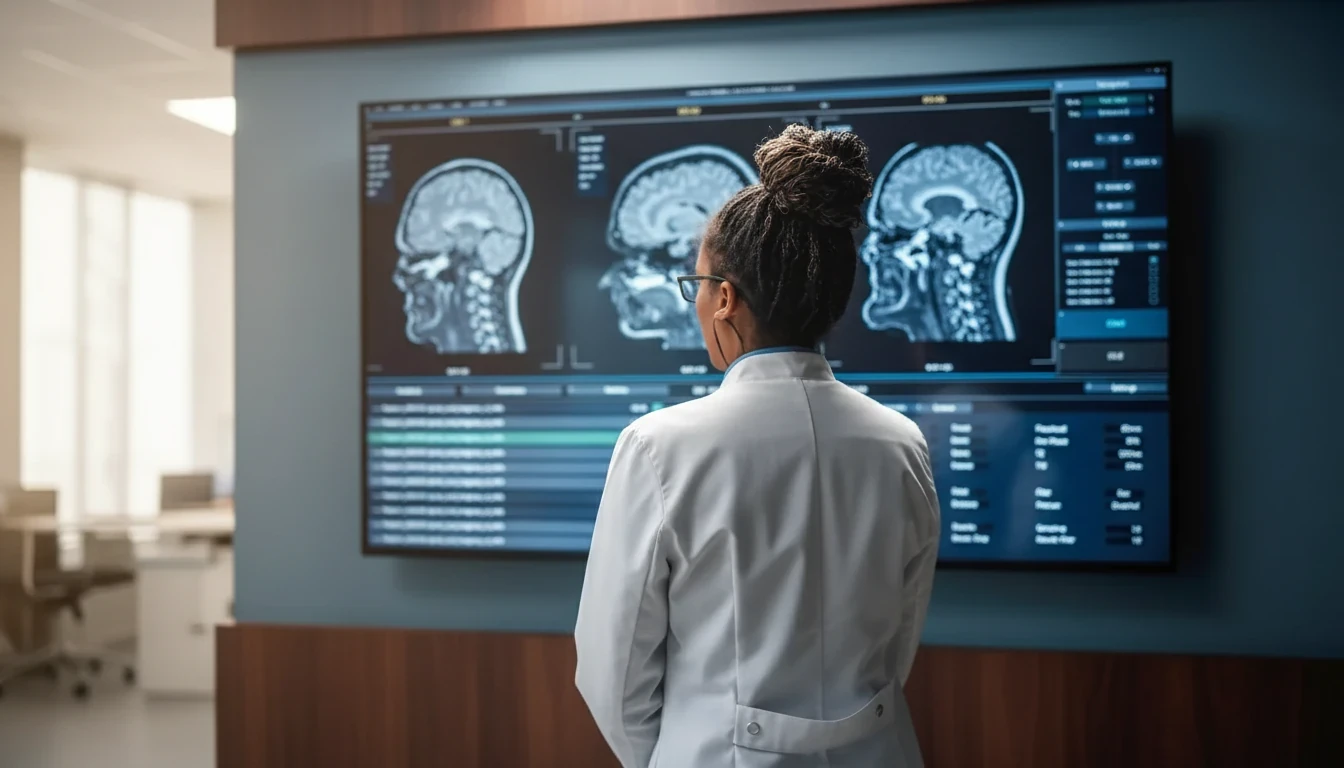
Epilepsy affects approximately 65 million people worldwide and is characterized by recurrent seizures caused by abnormal electrical activity in the brain12. The condition can develop at any age but is most common in early childhood and late adulthood2. While about half of epilepsy cases have no identifiable cause, known factors include brain injuries, infections, genetic mutations, and brain tumors345. Understanding the causes and risk factors of epilepsy is essential for prevention, diagnosis, and treatment.
Stroke and Brain Injury
Stroke and traumatic brain injury (TBI) are leading causes of acquired epilepsy in adults1. Stroke occurs when blood flow to the brain is interrupted, causing tissue damage, while TBI results from an external mechanical force to the head6. After such injuries, the brain undergoes repair processes involving neuroplasticity, which includes synaptic reorganization and the formation of new blood vessels (angiogenesis)1. However, these repair mechanisms can sometimes lead to abnormal brain changes.
Post-traumatic vascular abnormalities, such as arteriovenous malformations, may develop during brain repair and contribute to epilepsy risk4. Disrupted neuronal networks and altered signaling following brain injury create an environment conducive to epileptogenesis—the process by which epilepsy develops1. Additionally, neuroinflammation triggered by activation of microglia (immune cells in the brain) after injury plays a critical role in seizure development7. Activated immune cells can worsen neuronal damage and interfere with effective brain repair, increasing the likelihood of recurrent seizures7.
Seizures after stroke or TBI can occur soon after the injury or even months to years later. About 5% of stroke survivors experience seizures shortly after the event, and stroke accounts for approximately 11% of new epilepsy diagnoses in adults, especially those over 60 years old89. In TBI, around 1 in 50 people develop post-traumatic epilepsy (PTE), with most seizures being focal and sometimes spreading to involve both brain hemispheres1011.
- Brain repair after injury involves neuroplasticity but may cause vascular abnormalities linked to epilepsy41.
- Neuroinflammation following injury contributes to seizure development7.
- Stroke and TBI are major causes of epilepsy in adults, particularly in older populations89.
- Seizures can occur early or late after injury, with late seizures more likely to lead to chronic epilepsy10.
- Post-traumatic epilepsy affects about 2% of TBI patients and may persist for many years11.
Stroke and traumatic brain injury disrupt brain networks and trigger inflammation, both of which are key drivers of epilepsy development. Early recognition and management of seizures after brain injury can improve outcomes.178
Brain Inflammation Causes
Neuroinflammation is increasingly recognized as a significant contributor to epilepsy pathogenesis7. Brain inflammation can arise from various causes, including infections, autoimmune disorders, and immune system activation following injury. Activated microglia and astrocytes (supportive brain cells) release inflammatory molecules that alter neuronal function and promote epileptogenesis7.
Inflammatory brain conditions often cause focal seizures localized to the affected brain region12. Immune-mediated neuronal dysfunction, such as that caused by autoantibodies in autoimmune encephalitis, can disrupt normal brain signaling and precipitate seizures7. Central nervous system (CNS) infections also trigger inflammation that may lead to epilepsy12.
Infections Associated with Brain Inflammation
Infections are among the most common causes of epilepsy worldwide, especially in low- and middle-income countries412. Encephalitis, inflammation of brain tissue, can result from viral infections, vector-borne diseases, or autoimmune mechanisms12. Autoimmune encephalitis involves the production of autoantibodies that target neuronal proteins, impairing brain function and causing seizures7.
Recurrent seizures may follow infections such as meningitis, tuberculosis, and fungal CNS infections12. Bacterial meningitis is a significant infectious cause of epilepsy globally, while tuberculous meningitis is particularly prevalent in endemic regions12. Although fungal infections are less common, they can also induce seizures through inflammatory brain damage12.
- Neuroinflammation alters neuronal signaling and promotes seizure activity7.
- Autoimmune encephalitis causes seizures via autoantibody-mediated neuronal dysfunction7.
- CNS infections like meningitis and encephalitis are major epilepsy causes worldwide12.
- Infectious causes are more frequent in low-resource settings with higher epilepsy incidence4.
- Inflammatory brain conditions typically produce focal seizures localized to damaged areas12.
“Neuroinflammation triggered by microglial activation after head injury is implicated in seizure development. Activated immune cells can exacerbate neuronal damage and hinder effective brain repair.”
— Li et al., 20237
Brain Tumors and Epilepsy
Brain tumors are abnormal growths of cells within brain tissue and are a recognized cause of epilepsy13. Tumors may involve neurons and glial cells, disrupting normal brain function and leading to seizures13. Astrocytes, a type of glial cell, maintain brain homeostasis by regulating metabolism and cerebral blood flow; tumor growth can alter these processes and neuronal signaling, increasing seizure risk13.
Temporal and frontal lobe tumors are particularly associated with epileptic seizures due to their involvement in critical brain regions controlling movement, sensation, and cognition13. Epilepsy is often the presenting symptom in patients with brain tumors, highlighting the importance of brain imaging in seizure evaluation13.
- Brain tumors disrupt neuronal and glial cell function, causing seizures13.
- Astrocyte dysfunction in tumors affects brain metabolism and blood flow13.
- Temporal and frontal lobe tumors frequently cause epilepsy13.
- Seizures may be the first sign of a brain tumor13.
- Imaging studies are essential for diagnosing tumor-related epilepsy13.
Genetic Factors in Epilepsy
Genetic mutations contribute to certain epilepsy syndromes, with both chromosomal abnormalities and single-gene mutations implicated5. Genetic generalized epilepsies account for 15–20% of cases, with an estimated 8% familial recurrence risk5. However, incomplete penetrance and variable expressivity mean that not all gene carriers develop epilepsy5.
Some genetic epilepsies are inherited, while others arise from spontaneous (de novo) mutations514. Genes involved often affect ion channels that regulate neuronal excitability or genes controlling brain development and metabolism514. Genetic predisposition increases susceptibility but does not guarantee epilepsy, as environmental and other factors also play roles5.
- Genetic causes include chromosomal and single-gene mutations5.
- Genetic generalized epilepsies represent 15–20% of epilepsy cases5.
- Incomplete penetrance explains why some carriers do not develop seizures5.
- Genetic mutations affect neuronal ion channels and brain development514.
- Environmental factors interact with genetics to influence epilepsy risk5.
Epilepsy Risk Groups
Epilepsy can affect anyone but is more common in certain groups. Incidence peaks occur in young children and adults over 85 years old2. Males have a slightly higher incidence than females2. In the United States, Black and Hispanic populations show higher epilepsy prevalence, partly due to increased stroke risk2.
Other risk groups include people with developmental disorders such as autism, who have a higher likelihood of epilepsy14. Older adults developing epilepsy often have underlying neurological conditions like stroke or brain tumors15. Genetic syndromes and prenatal brain injuries also increase risk in children14.
- Highest epilepsy incidence in young children and elderly over 852.
- Males have a marginally higher epilepsy incidence than females2.
- Black and Hispanic populations have increased prevalence linked to stroke2.
- Developmental disorders raise epilepsy risk14.
- Older adults often develop epilepsy secondary to neurological diseases15.
Epilepsy Risk Factors
Geography
Epilepsy incidence is significantly higher in low- and middle-income countries compared to high-income countries416. This disparity is largely due to increased rates of infectious diseases, traumatic brain injuries, and limited access to healthcare4. Endemic infections such as neurocysticercosis contribute to epilepsy burden in tropical regions16.
Socioeconomic Class
Socioeconomic disparities influence epilepsy prevalence, with higher rates in lower-income groups416. Poorer populations face greater exposure to risk factors like infections and injuries and often have reduced access to diagnosis and treatment4. Addressing health inequities is critical to reducing epilepsy incidence linked to socioeconomic status4.
High Blood Pressure
Hypertension increases the risk of stroke, which in turn elevates epilepsy risk4. Effective management of high blood pressure can prevent stroke-related epilepsy by reducing brain injury4.
Medications
Certain medications are associated with increased seizure risk, although mechanisms are not fully understood3. Opioids, antidepressants, antihistamines, and stimulants have been reported to provoke seizures in some patients315. Patients should consult healthcare providers about medication risks related to seizures3.
Brain Injury Earlier in Life
Traumatic brain injury, especially severe injury, is a significant risk factor for developing epilepsy later in life1011. Early brain injuries, including prenatal and perinatal insults, can cause structural brain abnormalities that predispose to seizures14. Preventing head injuries through safety measures is a key strategy to reduce epilepsy risk4.
- Geography: Higher epilepsy rates in low- and middle-income countries due to infections and injuries416.
- Socioeconomic: Lower-income groups have increased epilepsy prevalence linked to risk exposure and limited care4.
- High blood pressure: Hypertension raises stroke and subsequent epilepsy risk; control is preventive4.
- Medications: Some drugs, including opioids and stimulants, may increase seizure risk315.
- Brain injury: Early and traumatic brain injuries significantly raise epilepsy risk1014.
Preventing head injuries and managing cardiovascular health are crucial steps to reduce epilepsy risk worldwide. Awareness of medication-related seizure risks can also improve patient safety.1634
Key Takeaways
- Stroke and traumatic brain injury are major causes of acquired epilepsy, with neuroinflammation playing a key role in seizure development17.
- Brain inflammation from infections or autoimmune processes contributes to epilepsy, often causing focal seizures127.
- Brain tumors disrupt neuronal and glial function, frequently leading to seizures, especially in temporal and frontal lobes13.
- Genetic factors, including inherited and spontaneous mutations, underlie many epilepsy syndromes but do not guarantee disease development5.
- Epilepsy risk is higher in young children, older adults, males, and certain racial groups, influenced by geographic and socioeconomic factors2416.
- Managing hypertension, preventing brain injuries, and cautious use of medications can reduce epilepsy risk4310.