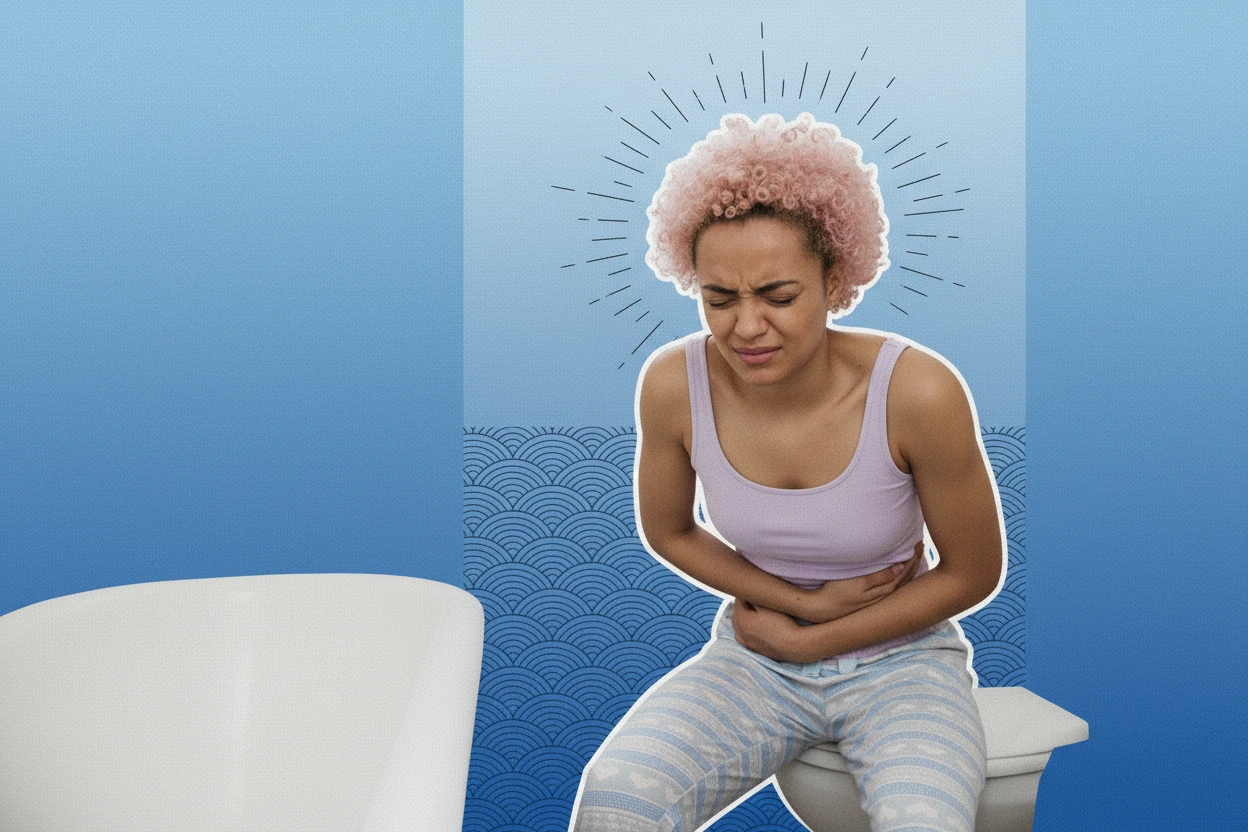
Diarrhea after eating, also known as postprandial diarrhea, affects many people and can range from a brief, acute episode to a chronic condition requiring medical attention1. It may be caused by infections, food intolerances, allergies, or underlying gastrointestinal diseases2. Understanding the timing, causes, and prevention strategies can help manage symptoms and improve digestive health3.
Timing of Diarrhea After Eating
The timing of diarrhea after eating varies widely depending on the underlying cause and individual digestive responses4. Foodborne illnesses caused by pathogens such as Staphylococcus aureus can produce symptoms rapidly, sometimes within 30 minutes to 8 hours after consuming contaminated food56. Other infections may have longer incubation periods, with symptoms appearing days later6.
In chronic gastrointestinal disorders like irritable bowel syndrome (IBS) or inflammatory bowel disease (IBD), diarrhea often occurs shortly after meals but can vary between individuals47. For example, IBS-related diarrhea frequently happens immediately after eating large meals or during periods of stress47. This variability is influenced by differences in digestive system function and individual sensitivity54.
Common Causes of Occasional Diarrhea
Occasional diarrhea after eating is often acute and linked to transient causes such as infections, food intolerances, or allergies.
Foodborne illness is a common cause of diarrhea following meals6. Consuming contaminated food or water introduces harmful bacteria, viruses, or parasites into the digestive system, leading to symptoms such as diarrhea, abdominal cramps, nausea, and vomiting6. The onset of symptoms depends on the pathogen involved; for instance, Staphylococcus aureus enterotoxin can cause rapid-onset food poisoning within hours of ingestion58.
Improperly handled ready-to-eat foods like deli meats and bakery items are common sources of S. aureus food poisoning8. Other pathogens may cause symptoms after longer incubation periods, ranging from hours to days6.
Food intolerances occur when the digestive system cannot properly break down certain food components, leading to diarrhea and other gastrointestinal symptoms9. Lactose intolerance is a common example, caused by a deficiency of the enzyme lactase needed to digest lactose, the sugar found in dairy products9. Symptoms include diarrhea, bloating, gas, and abdominal discomfort after consuming lactose-containing foods9.
Other sugar malabsorptions, such as fructose intolerance, similarly cause diarrhea and digestive upset when these sugars reach the intestines undigested1. Food intolerance symptoms tend to be intermittent and occur only after ingestion of specific trigger foods9.
Food allergies involve an immune system reaction to certain foods and can cause diarrhea along with other symptoms such as swelling, hives, or difficulty breathing3. Gastrointestinal symptoms typically begin within two hours after eating the allergenic food and may include diarrhea, stomach cramps, nausea, and vomiting3. Common food allergens include dairy, eggs, peanuts, shellfish, soy, tree nuts, and wheat3.
Chronic Diarrhea After Eating Causes
Chronic diarrhea after eating often signals underlying gastrointestinal diseases that require ongoing management.
IBS is a functional bowel disorder characterized by chronic abdominal symptoms and altered bowel habits, including diarrhea, constipation, or both7. The IBS-D subtype is marked by frequent loose stools and urgency7. Symptoms often flare after eating, especially large meals, and can be triggered by stress and hormonal changes7. Patients with IBS-D may experience fecal urgency and difficulty controlling bowel movements7.
Crohn's disease is a form of inflammatory bowel disease (IBD) involving chronic inflammation anywhere along the gastrointestinal tract7. It causes transmural inflammation and ulceration of the intestinal mucosa7. Symptoms vary but often include diarrhea, abdominal pain, weight loss, and systemic signs such as fatigue7. The timing of diarrhea after eating in Crohn's disease is inconsistent and varies among patients7.
Ulcerative colitis is another type of IBD characterized by chronic inflammation and ulceration of the large intestine's inner lining3. This inflammation can accelerate colonic emptying, leading to frequent bowel movements and diarrhea shortly after meals3. Symptoms may include abdominal cramps, urgency, and bloody stools3.
Preventing Diarrhea After Meals
Preventing diarrhea after eating involves a combination of food safety practices, dietary management, and lifestyle adjustments.
- Maintain strict food hygiene by washing hands thoroughly before handling food, cooking foods to safe internal temperatures, and properly storing perishable items510.
- Avoid high-risk foods such as raw or undercooked meats, unpasteurized dairy products, raw eggs, and unwashed fruits and vegetables510.
- Identify and avoid foods that trigger intolerance or allergic reactions by keeping a food diary and reading ingredient labels carefully9.
- Introduce new or potentially problematic foods gradually to monitor tolerance and prevent sudden symptoms9.
- Manage stress through relaxation techniques, as psychological stress can exacerbate symptoms, especially in IBS73.
Proper food handling and hygiene can significantly reduce the risk of foodborne diarrhea. Avoiding known food intolerances and allergens helps prevent recurrent diarrhea episodes. Managing stress and eating smaller, frequent meals may also ease symptoms in chronic conditions.579
When to See a Doctor
Medical consultation is important when diarrhea after eating is persistent, severe, or accompanied by concerning symptoms.
Seek medical attention if you experience:
- Diarrhea lasting more than three days without improvement11.
- High fever above 102°F (38.9°C) alongside diarrhea11.
- Bloody or black stools, which may indicate gastrointestinal bleeding11.
- Signs of dehydration such as extreme thirst, dizziness, dark urine, or confusion11.
- Severe abdominal or rectal pain11.
- Frequent vomiting that prevents fluid retention11.
Persistent or chronic diarrhea should be evaluated to identify underlying causes such as IBS, IBD, or celiac disease and to develop an appropriate treatment plan4.
“Persistent postprandial diarrhea warrants medical consultation for diagnosis and management.”
— Cynthia Taylor Chavoustie, MPAS, PA-C2
Key Takeaways
- Diarrhea after eating can occur quickly or be delayed, depending on the cause and individual digestive response4.
- Acute diarrhea is often caused by foodborne illness, food intolerances, or allergies, with symptoms ranging from hours to days after eating693.
- Chronic diarrhea after eating may indicate underlying gastrointestinal diseases such as IBS, Crohn's disease, or ulcerative colitis73.
- Preventive measures include practicing food safety, avoiding trigger foods, managing stress, and introducing new foods gradually597.
- Consult a healthcare provider if diarrhea is severe, persistent, or accompanied by fever, dehydration, or mcv blood test results meaning and normal range in stools114.