A weak immune system, also known as immunodeficiency, makes the body more vulnerable to infections and illnesses. People with a compromised immune system often experience frequent or severe infections that healthy immune systems typically prevent1. The immune system is a complex network that protects the body from harmful invaders like bacteria, viruses, and fungi, but when it is weakened, this defense is impaired2. Understanding the causes, symptoms, and ways to protect your immune system is essential for maintaining overall health3.
Causes of a Weak Immune System
A weak immune system can be caused by either primary or secondary immunodeficiencies. Primary immunodeficiencies (PIDs) are inherited disorders present at birth, caused by genetic defects that affect one or more components of the immune system. These disorders lead to increased susceptibility to infections and may also involve autoimmunity, allergies, inflammation, or malignancies4. There are more than 300 forms of primary immunodeficiency disorders, including deficiencies in B cells, T cells, phagocytes, and complement proteins5. Inborn errors of immunity (IEIs) are a subset of these conditions where parts of the immune system are missing or dysfunctional; notably, over half of IEI cases are now recognized in adults6.
Secondary immunodeficiencies, on the other hand, are acquired later in life due to external factors. Common causes include infections such as HIV, malnutrition, immunosuppressive drugs (like corticosteroids and chemotherapy), hematologic malignancies, and organ transplantation7. Severe malnutrition is the most common immunodeficiency worldwide, impairing both innate and adaptive immunity7. Immunoparalysis, a state of immune suppression characterized by reduced monocyte HLA-DR expression and lymphopenia, can affect both innate and adaptive immune responses, often seen in critical illness8.
The immune system is a sophisticated network designed to tolerate self-antigens and non-pathogenic organisms while eliminating pathogens and infected or altered cells6. Impairment of any major component—T cells, B cells, phagocytes, or complement—can result in clinical immunodeficiency9. Autoimmune diseases, which involve the immune system attacking the body's own tissues, may also be linked to immune system imbalances and can coexist with immunodeficiency10.
💡 Did You Know?
Your immune system is your body's defense against infections and other harmful invaders. The lymph system, consisting of lymph nodes and vessels, carries immune cells that help protect you2.
Signs and Symptoms
The primary symptom of a weak immune system is an increased susceptibility to infections. People with immunodeficiency often experience infections that are more frequent, severe, or longer-lasting than usual5. Common infections include pneumonia, bronchitis, sinus infections, ear infections, meningitis, and skin infections5. These infections may be caused by opportunistic pathogens such as Pneumocystis, Cryptococcus, or cytomegalovirus, which rarely affect individuals with healthy immune systems11.
Other symptoms of immune system problems include digestive issues like chronic diarrhea, slow wound healing, and unusual infections that do not respond well to treatment1. Autoimmune disorders, inflammation of internal organs, blood disorders such as anemia, and delayed growth in children are also common manifestations5. Additional signs may include cold hands, dry eyes, extreme fatigue, mild fever, headaches, skin rashes, joint aches, patchy hair loss, sensitivity to sunlight, tingling or numbness in the hands and feet, trouble swallowing, unexplained weight changes, and yellowing of the skin or eyes12.
People with a weak immune system may also experience symptoms such as repeated infections requiring antibiotics more than twice a year and unusual infections that are hard to treat12. These symptoms highlight the immune system's inability to effectively protect the body from pathogens13.
Risk Factors for Immune Weakness
Several factors increase the risk of having a weak immune system. Primary immunodeficiency often results in recurrent infections, organ dysfunction, and autoimmune conditions14. Genetic disorders like inborn errors of immunity (IEI) present with recurrent infections, allergies, autoimmunity, and malignancies15. Patients with immunodeficiency tend to have higher rates of chronic illnesses and may show signs such as neutropenia (low neutrophil count), lymphopenia (low lymphocyte count), or splenomegaly (enlarged spleen)14.
Opportunistic infections caused by bacterial, viral, fungal, and parasitic pathogens are more common and severe in immunocompromised individuals11. Risk factors include:
- HIV infection and AIDS7
- Malnutrition affecting immune function7
- Immunosuppressive medications such as corticosteroids and chemotherapy7
- Hematologic malignancies and solid organ transplantation7
- Autoimmune diseases that activate autoreactive T and B cells10
- Chronic stress and family history of immune deficiency1
Age also plays a role, with newborns and children having developing immune systems and immune function declining after mid-life1. Lifestyle factors such as lack of exercise, poor nutrition, inadequate sleep, heavy alcohol use, smoking, and drug misuse can further weaken immune defenses1.
Better understanding white blood cells and the body's immune response may help researchers detect and fight cancer2.
Protecting Your Immune System
Protecting your immune system involves addressing both primary and secondary causes of immunodeficiency. Since secondary immunodeficiencies have broad causes, prevention focuses on managing underlying conditions and avoiding factors that suppress immunity7. Key protective strategies include:
- Maintaining good nutrition to support immune responses and reduce susceptibility to infection16
- Practicing good hygiene, such as frequent hand washing, to prevent infection17
- Avoiding close contact with sick individuals to reduce exposure to pathogens13
- Managing stress through relaxation techniques like yoga, as chronic stress can weaken immunity1713
- Getting adequate sleep to support immune function17
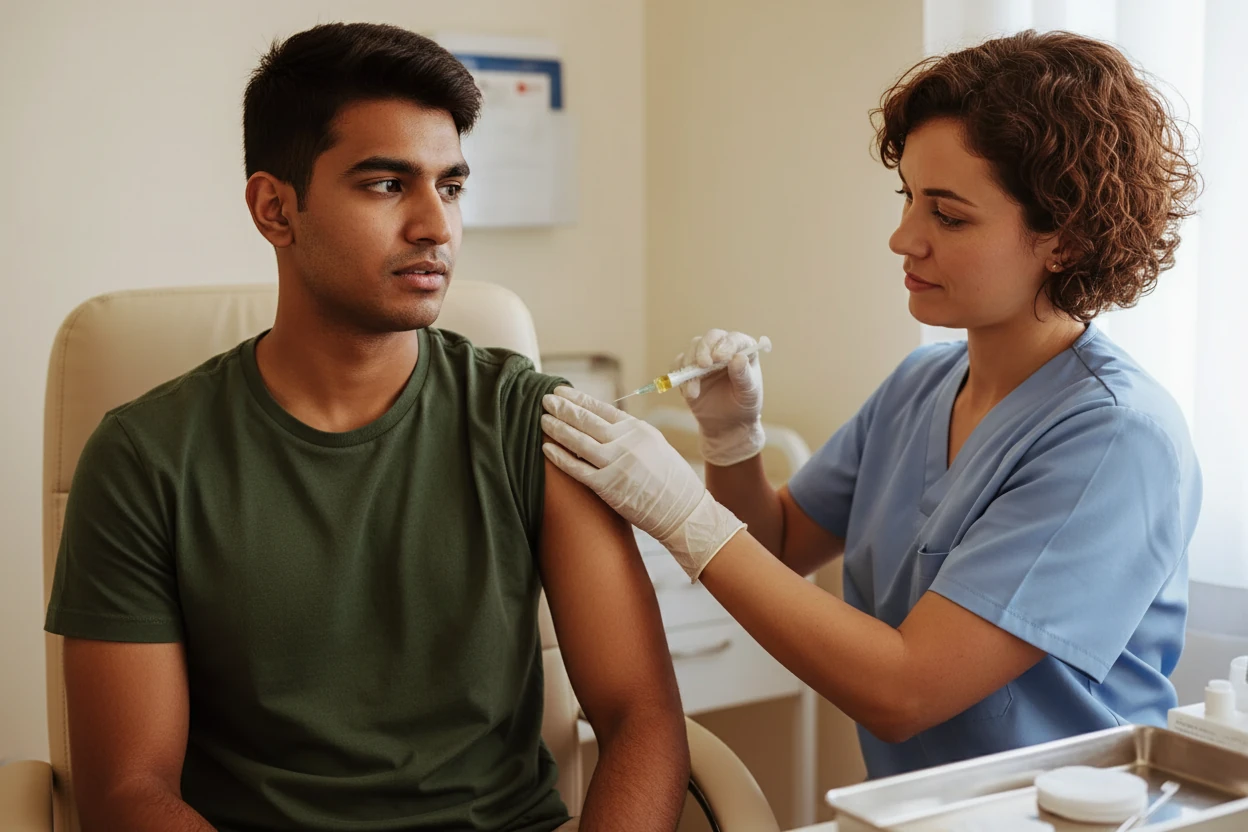
- Staying up-to-date with vaccinations, which are the most affordable way to reduce infection risk, although live vaccines are generally contraindicated in severe immunodeficiency cases18
- Avoiding smoking and excessive alcohol use, which impair immune defenses1
Patients undergoing immunosuppressive therapy, chemotherapy, or organ transplantation should follow medical advice closely to minimize infection risk7. Early diagnosis and tailored preventive strategies are critical for reducing morbidity and mortality in immunodeficient populations19.
| Protective Measure | Benefit | Notes |
|---|---|---|
| Good Nutrition16 | Supports immune response | Includes balanced diet rich in vitamins |
| Hygiene17 | Prevents pathogen entry | Hand washing is essential |
| Vaccination18 | Reduces morbidity and mortality from infections | Live vaccines may be contraindicated |
| Stress Management17 | Prevents immune suppression | Techniques include yoga and meditation |
| Adequate Sleep17 | Enhances immune cell function | Aim for 7-9 hours per night |
| Sources:161718 | ||
Summary and Key Takeaways
Maintaining immune fitness is essential for health, disease prevention, and quality of life20. A weak immune system can be caused by inherited genetic defects or acquired conditions such as infections, malnutrition, and medical treatments47. Recognizing symptoms like frequent infections, slow healing, and autoimmune signs can prompt early diagnosis and treatment5.
Key points to remember:
- Primary immunodeficiencies are inherited and involve defects in immune components, leading to recurrent infections and autoimmune disorders45.
- Secondary immunodeficiencies result from external factors like HIV, malnutrition, immunosuppressive drugs, and cancer therapies7.
- Opportunistic infections are more common and severe in immunocompromised individuals11.
- Protecting your immune system involves good nutrition, hygiene, vaccination, stress management, and adequate sleep171816.
- Early diagnosis and tailored preventive care improve outcomes for people with immune weakness19.