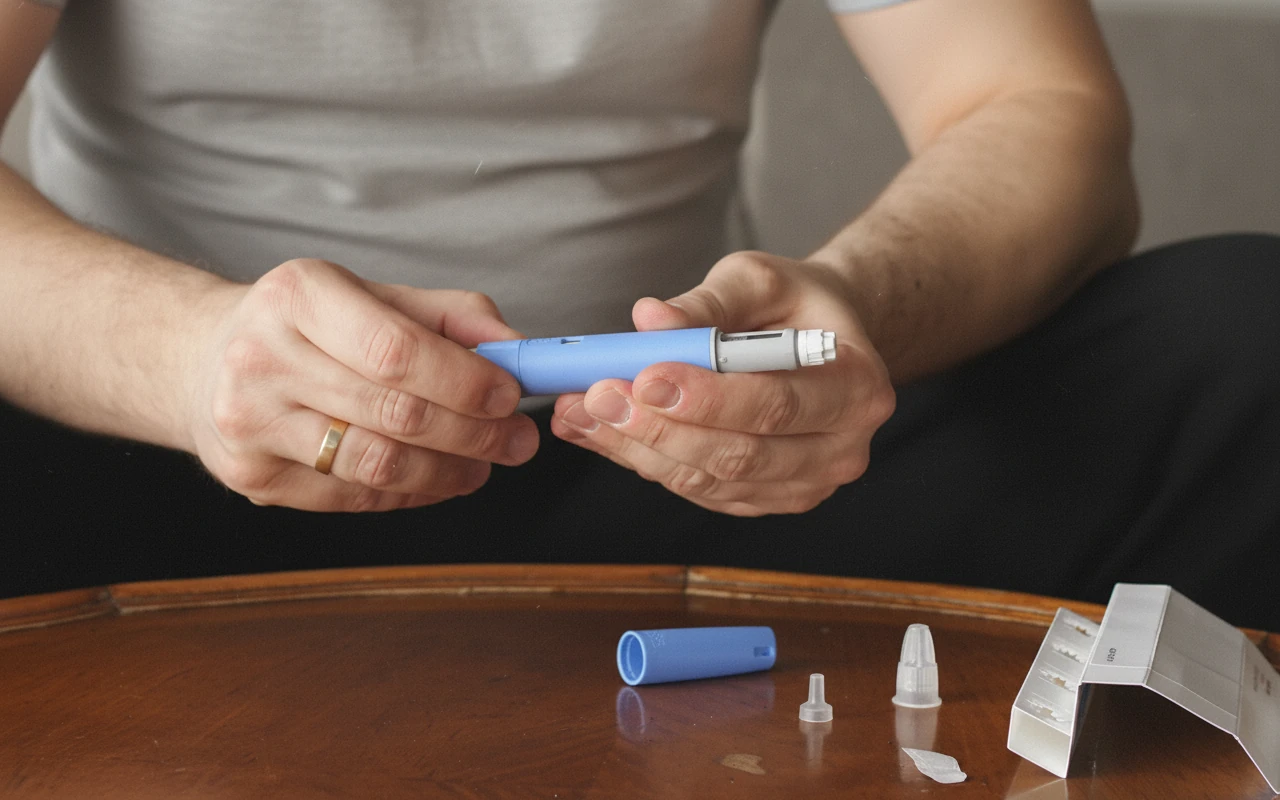
Diabetic retinopathy (DR) is a common complication affecting the eyes of people with diabetes, impacting nearly one-third of the diabetic population worldwide1. It is a leading cause of vision loss and blindness, especially among working-age adults, and its risk increases with the duration of diabetes and poor blood sugar control23. Early detection through regular eye exams and timely treatment can help prevent or slow the progression of this sight-threatening condition45.
Recognizing Diabetic Retinopathy Symptoms: Early Signs & Vision Changes
Diabetic retinopathy often develops silently without early symptoms, making regular eye exams crucial for detection2. When symptoms do appear, they may include:
- Blurred or fluctuating vision62
- Dark spots or floaters in the visual field62
- Difficulty seeing at night or night blindness6
- Blank or dark areas in vision2
- Changes in color perception or faded colors2
These symptoms result from damage to the mcv blood test results meaning and normal range vessels in the retina, leading to leakage of blood and fluid, which causes swelling and clouding of vision72. As the disease progresses, more severe symptoms such as vision loss can occur, especially if complications like vitreous hemorrhage or retinal detachment develop2.
Causes of Diabetic Retinopathy: How High Blood Sugar Damages the Eyes
Diabetic retinopathy is caused by chronic damage to the retina’s neurovascular structures due to persistently high blood sugar levels associated with diabetes89. Elevated glucose levels damage the small blood vessels (microangiopathy) in the retina, causing them to swell, leak fluid, or close off entirely1011. This damage leads to retinal tissue swelling and impaired vision7.
A key factor in the development of diabetic macular edema (DME), a common complication of DR, is the overproduction of vascular endothelial growth factor (VEGF), which promotes abnormal blood vessel growth and leakage12. Over time, these changes can cause progressive retinal damage and vision impairment8.
Risk Factors
Several factors increase the risk of developing diabetic retinopathy or worsening its progression:
- Duration of diabetes: longer disease duration raises risk significantly133
- Poor blood glucose control132
- High blood pressure132
- Elevated blood lipid levels (cholesterol and triglycerides)13
- Pregnancy, especially gestational diabetes14
- Tobacco use14
- Ethnicity: higher risk observed in Black, Latino, and Native American populations14
Managing these risk factors is essential to reduce the likelihood of developing severe retinopathy and vision loss13.
Diagnosing Diabetic Retinopathy: Eye Exams & Advanced Imaging Techniques
Diagnosis of diabetic retinopathy relies primarily on a comprehensive dilated eye exam performed by an eye care professional15. During this exam, eye drops are used to widen the pupils, allowing a detailed view of the retina to detect abnormalities such as microaneurysms, hemorrhages, and neovascularization15.
Additional diagnostic tests may include:
- Optical coherence tomography (OCT): provides cross-sectional images of the retina to assess fluid accumulation and retinal thickness1516
- Fluorescein angiography: involves injecting dye into a vein and photographing the retina to identify leaking or blocked blood vessels1516
Automated deep learning models, such as convolutional neural networks (CNN), are increasingly used to analyze retinal images for DR classification, helping manage the large diabetic population needing screening1718. Regular retinal screening is effective in preventing blindness by enabling early detection and timely intervention5.
Diabetic Retinopathy Stages: From Mild Non-Proliferative to Advanced Proliferative
Diabetic retinopathy progresses through distinct stages characterized by increasing retinal damage and vision risk. It is clinically classified into two main stages: non-proliferative diabetic retinopathy (NPDR) and proliferative diabetic retinopathy (PDR)12.
Non-Proliferative Diabetic Retinopathy (NPDR)
NPDR is the early stage of diabetic retinopathy marked by damage to the retinal blood vessels without the growth of new vessels192. Features of NPDR include:
- Microaneurysms: small bulges in weakened capillary walls202
- Retinal hemorrhages caused by leaking blood vessels212
- Hard exudates formed by lipid deposits2
- Retinal swelling or macular edema, especially in the central retina (macula)122
- Capillary closure leading to areas of poor blood flow (ischemia)2
NPDR severity is often graded as mild, moderate, or severe based on the extent of these changes18. Many patients with mild or moderate NPDR may have no symptoms and require close monitoring15.
Proliferative Diabetic Retinopathy (PDR)
PDR is the advanced stage characterized by the growth of new, fragile blood vessels (neovascularization) on the retina and optic nerve due to retinal ischemia222. These new vessels are prone to bleeding, causing vitreous hemorrhage and scar tissue formation, which can lead to retinal detachment and severe vision loss232.
Complications of PDR include:
- Vitreous hemorrhage: bleeding into the gel-like vitreous humor inside the eye2
- Tractional retinal detachment caused by scar tissue pulling the retina away23
- Neovascular glaucoma due to abnormal vessels blocking fluid drainage2
Without treatment, PDR can cause permanent blindness12.
| Stage | Key Features | Vision Impact |
|---|---|---|
| Non-Proliferative Diabetic Retinopathy (NPDR) | Microaneurysms, hemorrhages, macular edema202112 | Often asymptomatic or mild vision changes15 |
| Proliferative Diabetic Retinopathy (PDR) | Neovascularization, vitreous hemorrhage, retinal detachment2223 | High risk of severe vision loss or blindness1 |
Diabetic Retinopathy Treatment Options: Laser Therapy, Injections & Surgery
Treatment aims to slow or stop the progression of diabetic retinopathy, preserve vision, and manage complications. The choice of therapy depends on the stage and severity of the disease242.
Diabetes and Blood Pressure Management
Effective control of blood sugar and blood pressure is fundamental in preventing and managing diabetic retinopathy132. Intensive metabolic control reduces the risk of developing DR and slows its progression in patients with mild-to-moderate disease25. Managing cholesterol and lipids may also contribute to reducing risk13.
Anti-VEGF Injections
Anti-vascular endothelial growth factor (anti-VEGF) drugs are injected into the eye to block VEGF, reducing abnormal blood vessel growth and fluid leakage122. Common medications include ranibizumab, aflibercept, faricimab, and bevacizumab15. These treatments are effective for diabetic macular edema and proliferative diabetic retinopathy, improving visual acuity in many patients2526.
Laser Treatments
Laser photocoagulation uses focused laser beams to treat areas of the retina with poor blood flow or abnormal vessels2425. Types of laser therapy include:
- Panretinal photocoagulation (PRP): treats widespread retinal ischemia to reduce neovascularization in PDR2526
- Focal/grid laser: targets leaking blood vessels in the macula to reduce macular edema25
Laser treatment can prevent severe vision loss but may not restore lost vision26.
Surgery
Pars-plana vitrectomy is a surgical procedure used in advanced diabetic retinopathy to remove vitreous hemorrhage and repair retinal detachments caused by scar tissue232. Surgery can help preserve vision when bleeding or tractional retinal detachment occurs23.
Preventing Diabetic Retinopathy: Blood Sugar Control & Regular Eye Screenings
While there is no cure for diabetic retinopathy, early detection and timely intervention can prevent rapid disease progression and vision loss4. Prevention strategies include:
- Maintaining good blood sugar control to reduce retinal damage132
- Controlling blood pressure and cholesterol levels13
- Regular dilated eye exams to detect early changes before symptoms appear514
- Avoiding tobacco use and managing other health conditions14
- Using ocular anti-inflammatory agents and anti-VEGF therapies as needed8
Laser photocoagulation remains an effective treatment and preventive strategy for advanced DR24. Ongoing research aims to develop new therapies targeting the underlying mechanisms of retinal neurovascular degeneration827.
Related Eye Conditions: Glaucoma, Cataracts & Other Diabetes Complications
Diabetic retinopathy is often associated with other eye complications that can worsen vision loss if untreated. These include:
- Diabetic macular edema (DME): swelling of the central retina causing blurred vision122
- Vitreous hemorrhage: bleeding into the eye’s vitreous cavity2
- Retinal detachment: scar tissue pulls the retina away from its normal position232
- Neovascular glaucoma: new blood vessels block fluid drainage, increasing eye pressure2
Regular retinal investigations and management of systemic risk factors are crucial to reduce the risk of these complications2413.
Managing Life with Diabetic Retinopathy: Support, Resources & Vision Aids
Living with diabetic retinopathy involves ongoing monitoring and treatment to preserve vision and quality of life. Patients should:
- Attend regular eye exams and follow-up appointments52
- Manage diabetes and blood pressure carefully132
- Be aware of symptoms such as floaters, blurred vision, or vision changes and report them promptly2
- Follow treatment plans including injections, laser therapy, or surgery as recommended152
- Understand that diabetic retinopathy is a chronic condition requiring lifelong care28
In advanced cases, surgical interventions like pars-plana vitrectomy can address complications such as vitreous hemorrhage and retinal detachment23. Early diagnosis and treatment can help prevent severe vision loss and maintain daily functioning242.
Diabetic Retinopathy FAQs: Your Questions Answered
What causes diabetic retinopathy?
Diabetic retinopathy is caused by damage to the retina’s blood vessels due to high blood sugar levels from diabetes, leading to vessel swelling, leakage, or closure910.
Can diabetic retinopathy be cured?
There is currently no cure, but early detection and treatment can slow or stop progression and help preserve vision42.
How often should people with diabetes get eye exams?
Annual comprehensive dilated eye exams are recommended for all people with diabetes, even if no symptoms are present514.
What treatments are available?
Treatments include blood sugar and blood pressure management, anti-VEGF injections, laser photocoagulation, and surgery for advanced cases1525.
Can lifestyle changes help?
Yes, controlling blood sugar, blood pressure, cholesterol, and avoiding tobacco use can reduce the risk and progression of diabetic retinopathy1314.