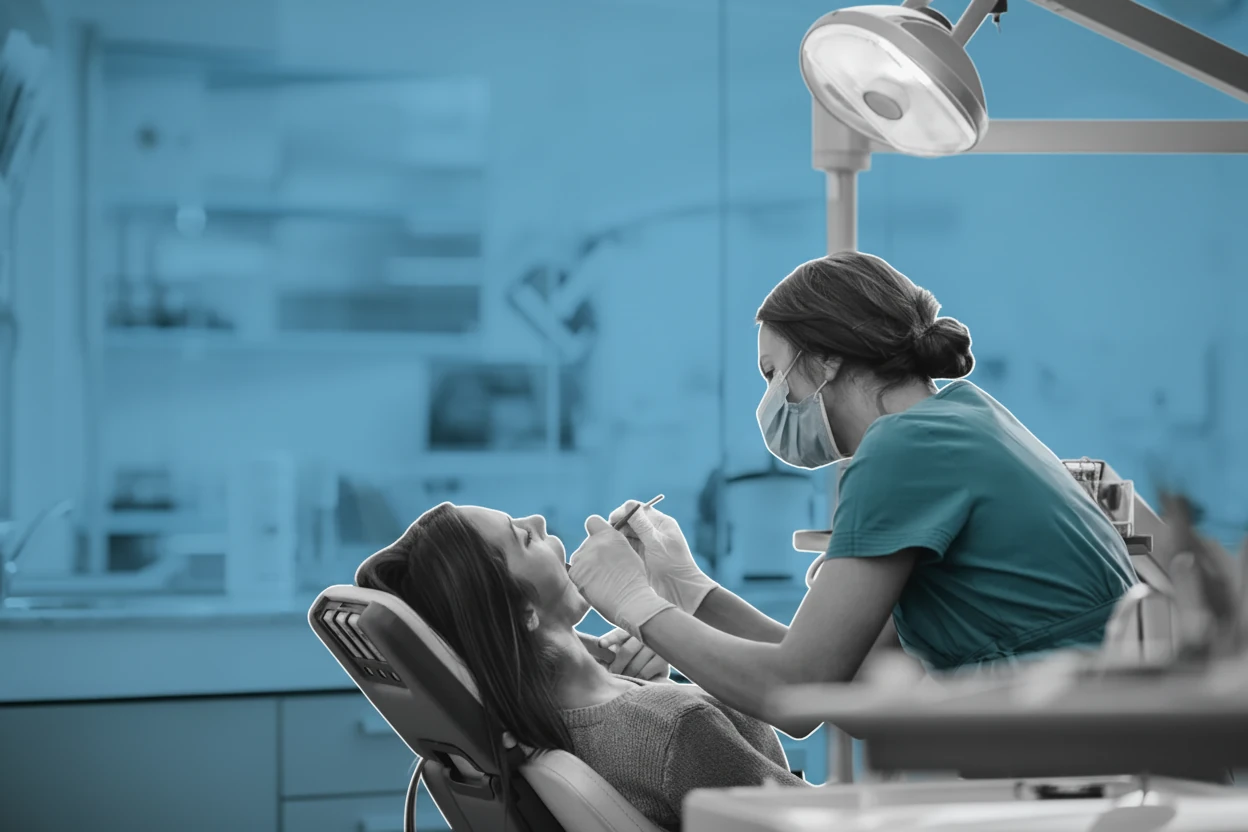
Head and neck squamous cell carcinoma (HNSCC) is a common and deadly cancer-deathscancer deaths-effects-on-black-womencancer-effects-on-black-womencancer worldwide, with around 600,000 new cases diagnosed annually1. Recent research shows that patients who attend regular dental checkups have a higher chance of early cancer detection and improved survival rates2. Frequent dental visits are linked to diagnosing cancer at earlier, less advanced stages, which significantly enhances treatment outcomes and overall survival3.
Early Cancer Detection Through Dental Checkups
Regular dental visits play a crucial role in the early detection of head and neck cancers, particularly oral and oropharyngeal cancers. A pooled analysis of 2,449 HNSCC patients from four studies within the International Head and Neck Cancer Epidemiology (INHANCE) Consortium found that frequent dental visits—more than five visits in the decade before diagnosis—were associated with a 23% reduction in mortality risk (risk ratio [RR] = 0.77, 95% confidence interval [CI] = 0.66 to 0.91)4. This survival benefit was especially pronounced in patients with oropharyngeal squamous cell carcinoma5.
Patients with frequent dental visits had significantly higher five- and ten-year overall survival rates compared to those with no dental visits. Specifically, five-year survival was 74% versus 54%, and ten-year survival was 60% versus 32% for patients with more than five visits compared to none6. Furthermore, dental visits were linked to earlier-stage cancer diagnosis. The proportion of early-stage (stages I and II) diagnoses increased from 21% in patients with no dental visits to 42% in those with more than five visits over the past ten years4.
Routine dental checkups allow dental professionals to identify suspicious lesions or symptoms that might otherwise go unnoticed. Early detection facilitates timely intervention, improving prognosis and reducing mortality7. Unlike personal oral hygiene habits such as tooth brushing frequency or mouthwash use, which showed no significant association with survival, professional dental care appears to be a more critical factor in improving outcomes5.
“We found that head and neck squamous cell carcinoma patients with more than 10 natural teeth had better survival compared with those with no teeth, while those with a history of more than 5 dental visits during the past 10 years had better survival compared with those with no dental visits. These associations persisted after adjustment for potential confounders, including age, sex, race, geographic region, tumor site, smoking status, and education level with or without additional adjustments for TNM stage and treatment modality. These results identify 2 important measures of oral health—natural dentition and dental visits—as independent prognostic factors in head and neck squamous cell carcinoma.”
— Jason Tasoulas, MD, DMD, Lineberger Comprehensive Cancer Center, The University of North Carolina at Chapel Hill8
Key benefits of regular dental visits for head and neck cancer patients:
- Facilitate early detection of oral and pharyngeal cancers7.
- Increase likelihood of diagnosis at early, less deadly stages2.
- Improve five- and ten-year overall survival rates6.
- Provide professional oral health assessment beyond personal hygiene habits5.
- Support timely referral for cancer treatment and multidisciplinary care10.
Factors Influencing Oral Health Outcomes
Oral health is influenced by a complex interplay of factors that impact head and neck cancer risk and survival. The etiology of head and neck cancer is multifactorial, with tobacco use, alcohol consumption, and human papillomavirus (HPV) infection as major contributors11. Poor oral health, including tooth loss and periodontal disease, is associated with chronic inflammation and oxidative stress, which may promote carcinogenesis and affect cancer progression12.
The number of remaining natural teeth serves as a cumulative marker of oral health status and has been shown to predict survival outcomes in HNSCC patients. Patients with no remaining natural teeth had a 15% lower five-year survival rate compared to those with more than 20 teeth5. This relationship was particularly strong among patients with hypopharyngeal and laryngeal cancers4.
Genetic predisposition also plays a significant role in oral health. Genome-wide association studies have identified multiple loci linked to susceptibility to dental caries, periodontitis, and adult tooth loss13. These genetic factors, combined with lifestyle and environmental exposures, shape oral health status and potentially influence cancer outcomes5.
“The important benefits of dental visits are further illustrated by the finding of an association between frequent dental visits and early stage head and neck squamous cell carcinoma diagnosis. Collectively, these results identify a previously overlooked role of oral health in the survival of head and neck cancer patients.”
— Jason Tasoulas, MD, DMD8
The oral microbiome is another emerging factor under investigation. Certain microbial species common in periodontal disease have been implicated in oral carcinogenesis through mechanisms involving inflammation and immune modulation1214. For example, Fusobacterium species, which are increased in oral squamous cell carcinoma, may affect tumor biology and treatment response by upregulating immune checkpoint pathways8.
Preventive dental care remains the most effective strategy to maintain oral health and potentially reduce cancer risk. This includes regular dental checkups, professional cleanings, and management of dental diseases before cancer treatment begins515. Optimizing oral health prior to cancer therapy can also reduce treatment-related complications such as osteoradionecrosis, which is a serious side effect of radiotherapy in the head and neck region1617.
Factors influencing oral health and survival in head and neck cancer:
- Tobacco, alcohol, and HPV infection as primary risk factors11.
- Chronic periodontal inflammation and oxidative stress promoting carcinogenesis12.
- Genetic susceptibility to dental diseases and tooth loss13.
- Oral microbiome alterations linked to tumor presence and progression14.
- Preventive dental care and early intervention to maintain oral health5.
Table 1. Impact of Oral Health Factors on Head and Neck Cancer Survival
| Oral Health Factor | Impact on Survival and Cancer Outcomes | Reference |
|---|---|---|
| Number of natural teeth | More teeth associated with higher survival; 15% lower 5-year survival if edentulous | 54 |
| Frequent dental visits | >5 visits in 10 years linked to 23% lower mortality risk and earlier stage diagnosis | 46 |
| Periodontal disease | Contributes to chronic inflammation and oxidative stress, promoting carcinogenesis | 12 |
| Oral microbiome alterations | Certain bacteria linked to tumor biology and immune response modulation | 148 |
| Genetic predisposition | Influences susceptibility to dental caries, periodontitis, and tooth loss | 13 |