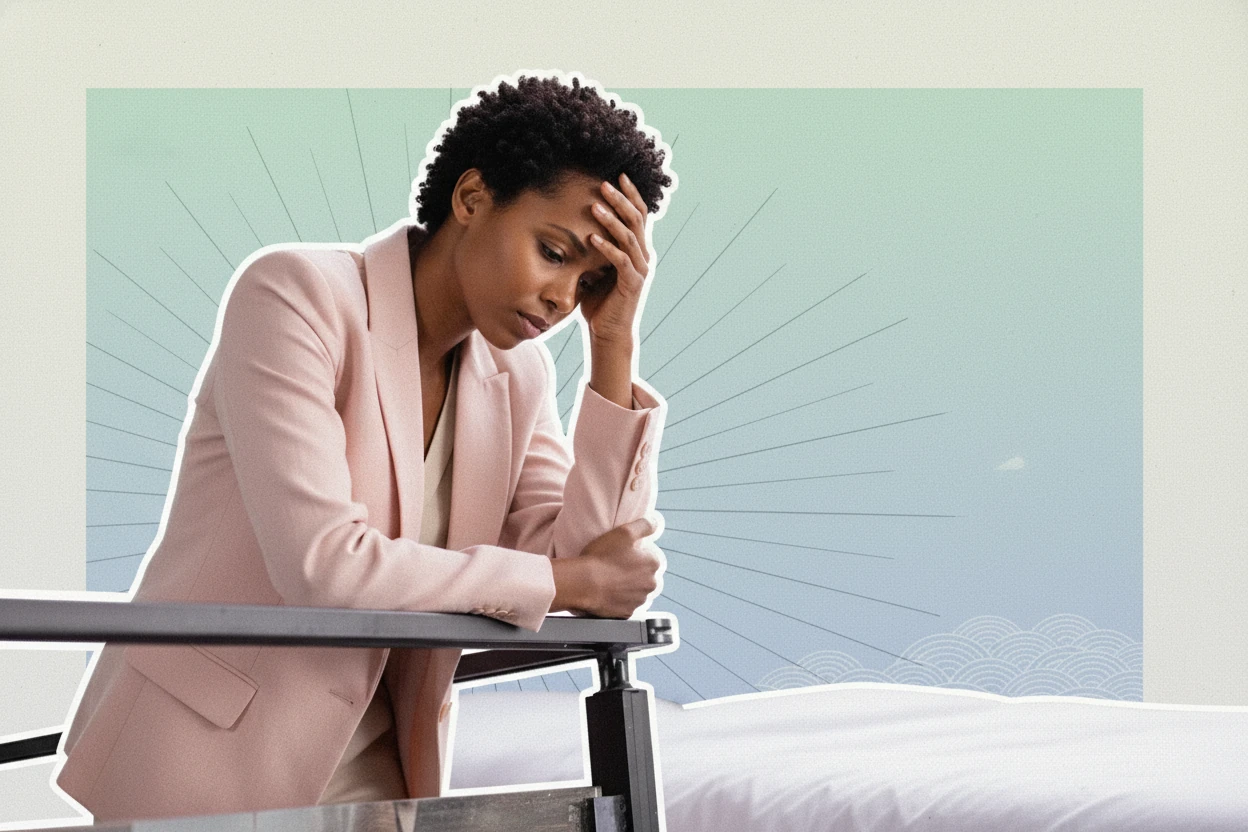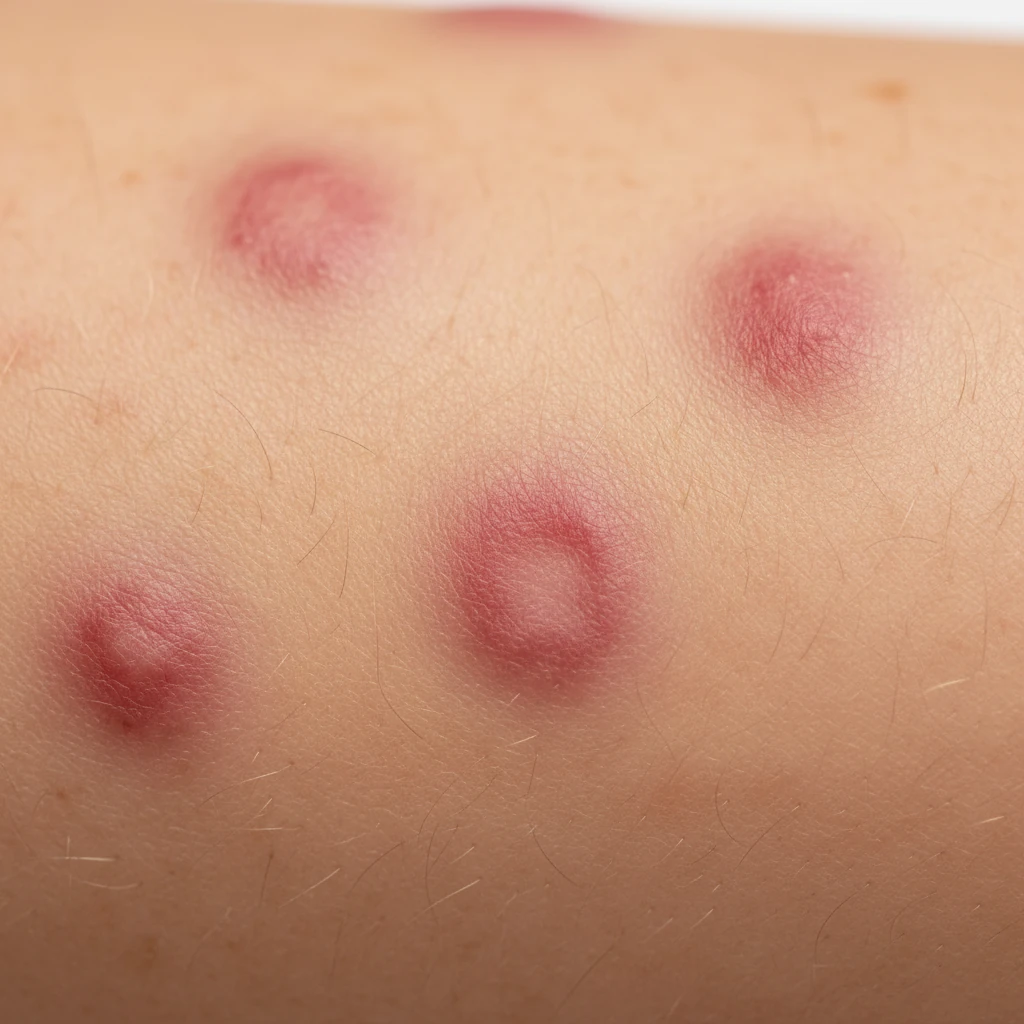
Social anxiety disorder affects millions of people worldwide, causing intense fear and avoidance of social situations that can disrupt daily life1. This condition often starts in childhood or adolescence and can worsen over time without treatment, impacting relationships, work, and overall well-being1. Fortunately, there are effective strategies and treatments that can help individuals manage symptoms and regain confidence in social settings2.
Understanding Social Anxiety
Social anxiety disorder (SAD), also known as social phobia, is a common mental health condition characterized by a persistent fear of being negatively judged or evaluated in social situations3. This fear leads to avoidance of social interactions and significant distress, often interfering with work, school, and relationships4. Symptoms include physiological responses such as increased heart rate, sweating, trembling, and anticipatory anxiety before social events43. People with SAD often experience distorted negative thoughts about how others perceive them, which reinforces their anxiety and avoidance behaviors4.
SAD is a chronic condition that rarely improves without treatment and can severely impair social growth and functioning54. It affects up to 7% of adults annually in the US and is more common in females1. The disorder may begin in childhood or adolescence and can manifest as generalized social anxiety or performance-only anxiety, where fear is limited to specific situations like public speaking1. Biological factors such as brain chemistry and psychosocial factors like early trauma or overprotective parenting contribute to its development1.
Treatment focuses on cognitive and behavioral interventions, including cognitive behavioral therapy (CBT) and exposure therapy, which help individuals challenge negative thoughts and gradually face feared social situations67. Support networks and professional help enhance recovery and improve quality of life4.
1. Limit Alcohol Use
Many individuals with social anxiety use alcohol as a coping mechanism to ease their discomfort in social settings8. Although alcohol is commonly linked to social gatherings and celebrations, relying on it to manage anxiety can worsen symptoms over time8. Alcohol acts as a depressant and may temporarily reduce anxiety but ultimately exacerbates it and interferes with the development of healthy coping skills8. Increasing alcohol consumption to manage anxiety can lead to dependence and a cycle of worsening social anxiety8.
Avoidance behaviors, including substance reliance, tend to maintain or worsen anxiety disorders4. Therefore, limiting or avoiding alcohol is essential for effective management of social anxiety and to support long-term recovery8.
2. Face Your Fears Gradually
Exposure to feared social situations is a key component of effective treatment for social anxiety disorder7. Repeated, gradual exposure helps individuals habituate to anxiety-provoking situations, reducing their fear response over time7. This process, known as systematic desensitization, prevents panic and promotes desensitization by setting achievable goals and progressing step-by-step67.
Social support during exposure tasks improves treatment adherence and outcomes by providing encouragement and reducing feelings of isolation4. Facing fears gradually allows individuals to build confidence and break the cycle of avoidance that maintains social anxiety symptoms4.
3. Reframe Negative Thinking
Negative automatic thoughts about social evaluation are central to social anxiety disorder4. Cognitive restructuring, a core component of CBT, involves identifying and challenging distorted thoughts that fuel anxiety64. By increasing awareness of these cognitive distortions and replacing them with positive reframing, individuals can reduce anxiety symptoms and improve social confidence64.
Practicing cognitive restructuring regularly helps individuals question the validity of their anxious thoughts and develop a more balanced perspective on social interactions4. This approach is effective in reducing the intensity and frequency of social anxiety episodes6.
4. Know Your Anxiety Triggers
Identifying specific anxiety-provoking situations is important for targeted intervention4. Common triggers include social performance situations such as public speaking, interviews, or meeting new people4. Self-monitoring anxiety symptoms and triggers is a recommended CBT technique that helps individuals recognize patterns and prepare coping strategies6.
Understanding personal triggers allows for better planning and gradual exposure, which can reduce avoidance and improve social functioning over time4.
5. Practice Socializing
Avoidance of new social contacts maintains social anxiety symptoms4. Gradual social approach behaviors, such as initiating conversations and participating in group activities, improve social functioning and reduce anxiety4. Developing social skills like using open-ended questions and active listening can enhance interactions and boost confidence4.
Social skills training or role-playing social interactions are common CBT techniques that provide safe environments to practice and improve communication6. Regular social practice helps individuals become more comfortable and less anxious in social settings4.
6. Prepare for Social Events
Preparation and rehearsal of conversational topics improve social confidence and reduce anxiety during social events4. Setting realistic goals for social interactions and planning ahead can make situations feel more manageable6. Role-playing potential scenarios with a therapist or trusted person can build skills and reduce fear of negative evaluation64.
Preparation helps reduce anticipatory anxiety and increases the likelihood of positive social experiences, which reinforce progress in managing social anxiety4.
7. Build a Support Network
Social support is a protective factor and aids recovery in social anxiety disorder4. Peer support groups provide social connectedness and practical advice for managing social anxiety4. Being part of a supportive community reduces feelings of isolation and offers opportunities to practice social skills in a safe environment4.
Support from friends, family, or professionals enhances motivation and adherence to treatment strategies4. Building a reliable support network is essential for long-term management and emotional well-being4.
8. Spot Symptoms and Avoidance
Physiological symptoms such as increased heart rate, sweating, trembling, and nausea reflect the body's stress response in social anxiety4. Anticipatory anxiety before social situations is common and can lead to avoidance behaviors3. Avoidance provides negative reinforcement by temporarily reducing anxiety but ultimately maintains and exacerbates social anxiety symptoms4.
Recognizing early signs of anxiety and avoidance allows individuals to intervene with coping strategies and prevent worsening symptoms4.
9. Take Small Steps
Gradual goal setting prevents panic and promotes desensitization by breaking down social challenges into manageable steps6. Small successes build confidence and reduce anxiety over time4. Setting realistic and achievable social goals encourages steady progress and helps avoid overwhelming feelings6.
Taking small steps supports the development of coping skills and fosters a sense of accomplishment in managing social anxiety4.
10. Seek Professional Therapy
Professional assessment and treatment are essential for managing social anxiety disorder4. Cognitive behavioral therapy (CBT) is recommended as a first-line treatment and focuses on cognitive restructuring and behavioral experiments to reduce anxiety54. Exposure therapy is the gold-standard behavioral treatment that helps individuals confront and overcome feared social situations7.
Pharmacotherapy, including selective serotonin reuptake inhibitors (SSRIs) and monoamine oxidase inhibitors (MAOIs), may be prescribed alone or combined with CBT for enhanced effectiveness910. Support groups and social skills training are valuable adjuncts to professional therapy4.
“Treatment isn't about getting rid of anxiety—it's about learning you can feel anxious and still engage meaningfully. The more you approach instead of avoiding, the more confidence you build.”
— Dr. Chamorro, Assistant Clinical Professor, Psychiatry, Icahn School of Medicine at Mount Sinai11
11. Use Calming Breathwork
Controlled breathing reduces physiological symptoms of anxiety such as rapid heartbeat and muscle tension4. Breathing exercises, including diaphragmatic breathing involving slow, deep breaths focused on abdominal movement, promote relaxation and help manage acute anxiety symptoms4.
Regular practice of deep breathing and relaxation techniques can improve overall well-being and help individuals stay grounded during stressful social situations4.
12. Let Anxiety Pass Naturally
Acceptance and mindfulness-based approaches emphasize the transient nature of anxiety symptoms and encourage patients to tolerate discomfort without avoidance4. Anxiety symptoms may persist initially but tend to decrease with time and repeated exposure4.
Mindfulness encourages observing anxiety without judgment until it subsides, reducing fear of symptoms and promoting emotional resilience4. Understanding that anxiety is temporary helps individuals engage meaningfully in social situations despite discomfort4.
When to See a Doctor
Professional help is recommended when social anxiety causes significant functional impairment, such as avoiding school, work, or social situations, or when anxiety worsens over time4. Evidence-based treatments include CBT, exposure therapy, group interventions, and pharmacotherapy, especially SSRIs9510.
Seeking early intervention prevents chronic impairment and improves long-term outcomes9. If social anxiety leads to depression, substance misuse, or strained relationships, consulting a healthcare provider is essential4.
Key Takeaways
- Social anxiety disorder is a chronic condition marked by fear of negative evaluation and avoidance of social situations54.
- Limiting alcohol use is crucial, as alcohol can worsen anxiety and interfere with coping skills8.
- Gradual exposure to feared social situations and cognitive restructuring are effective strategies to reduce anxiety67.
- Building social skills, preparing for events, and developing a support network enhance confidence and recovery4.
- Professional therapy, including CBT and pharmacotherapy, is recommended for significant impairment9510.
Frequently Asked Questions
What is the difference between social anxiety and social anxiety disorder?
Social anxiety is common nervousness in social situations, while social anxiety disorder is a diagnosable mental health condition causing intense fear and avoidance that impairs daily life41.
Can social anxiety disorder be treated without medication?
Yes, cognitive behavioral therapy and exposure therapy are effective first-line treatments that can be used alone or with medication54.
Is exercise helpful for social anxiety?
Regular physical activity improves mood and reduces anxiety symptoms, making it a beneficial adjunctive strategy1213.