The common cold is the most frequent illness worldwide, causing millions of healthcare visits and significant productivity loss each year1. While there is no cure, understanding who is most vulnerable and adopting effective prevention strategies can reduce the risk and impact of colds2. This article explores the populations at higher risk, genetic influences, practical prevention tips, and when to seek medical advice3.
Who Gets Colds Most Often?
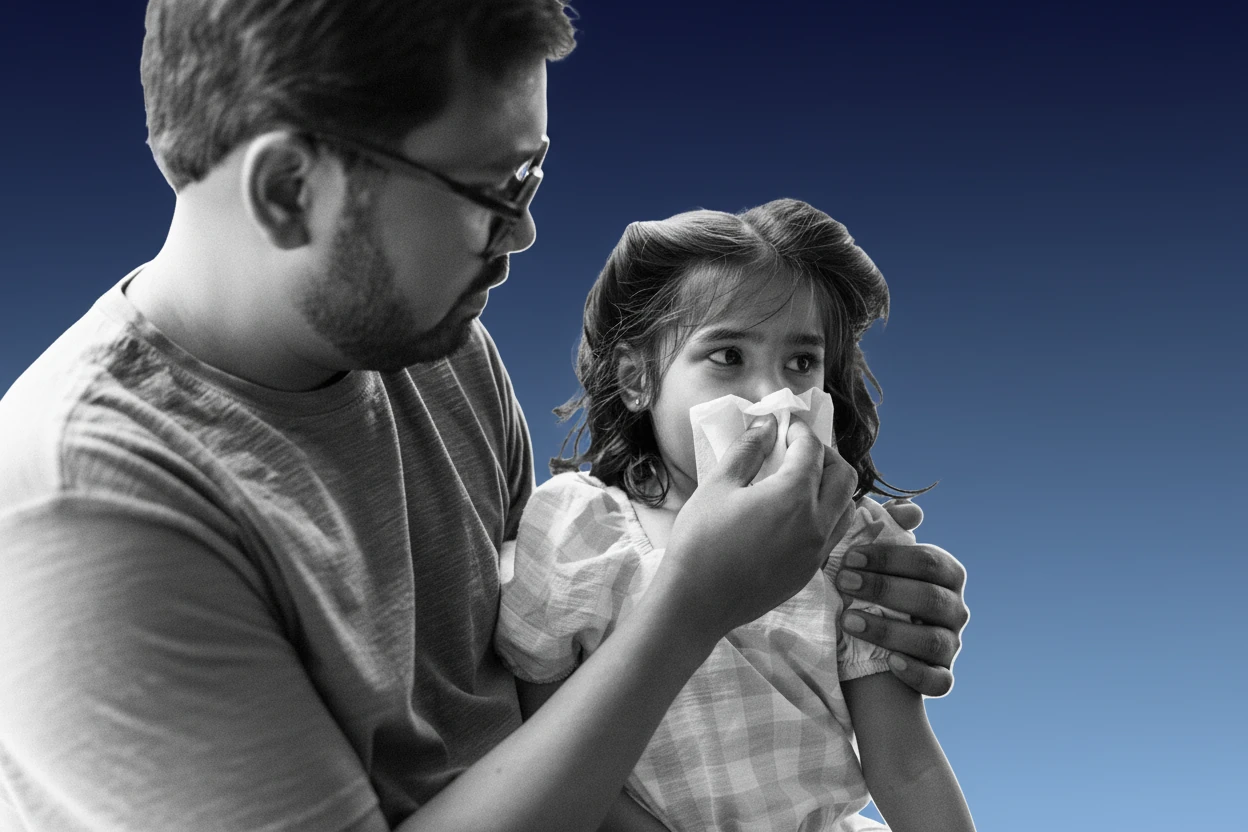
Certain groups are more prone to catching colds due to biological and environmental factors. Children experience the highest rates of upper respiratory infections because their immune systems are still developing4. Those attending group care settings may have 6 to 10 colds annually, significantly more than adults5. Adults typically have 2 to 4 colds per year, fewer than children4.
Older adults face increased susceptibility due to immunosenescence, the natural decline of immune function with age, and the presence of chronic conditions such as diabetes or lung disease4. Immunocompromised individuals also have a higher risk of both contracting colds and experiencing more severe symptoms4.
Indoor crowding, especially during colder months, facilitates virus transmission by increasing close contact among people4. Contrary to popular belief, the cold weather itself does not cause colds; rather, it is the increased indoor crowding during cold seasons that raises infection rates4. Sleep deprivation is a modifiable risk factor linked to increased susceptibility to upper respiratory infections, highlighting the importance of adequate rest6.
- Children have immature immune defenses leading to higher cold rates4.
- Group care attendance increases cold frequency in children5.
- Adults average fewer colds annually compared to children4.
- Older adults’ immune decline and comorbidities raise infection risk4.
- Immunocompromised individuals are more vulnerable to colds4.
- Indoor crowding during cold weather promotes virus spread4.
- Sleep deprivation increases infection susceptibility6.
Genetic Factors in Colds
While environmental exposure is the primary driver of cold infections, genetic factors may influence how individuals respond to viruses4. Variations in immune response genes can modulate susceptibility and severity of respiratory infections, though these effects are generally modest compared to exposure risks4.
Currently, no genetic tests are available clinically to predict an individual's risk for catching colds or their likely severity4. Research continues to explore host genetic factors to better understand immune responses and potential personalized prevention strategies34. Patients with immune disorders should consult healthcare providers for tailored advice on infection prevention4.
- Genetic predisposition may slightly affect cold susceptibility4.
- Immune response gene variations influence infection risk4.
- No clinical genetic tests currently predict cold susceptibility4.
- Ongoing research aims to clarify genetic contributions34.
- Immune-compromised patients need personalized prevention plans4.
Effective Cold Prevention Tips
Prevention of the common cold focuses on reducing viral exposure and supporting the body's immune defenses. The following sections outline lifestyle habits, complementary methods, and medications that can help lower cold risk.
Lifestyle Habits
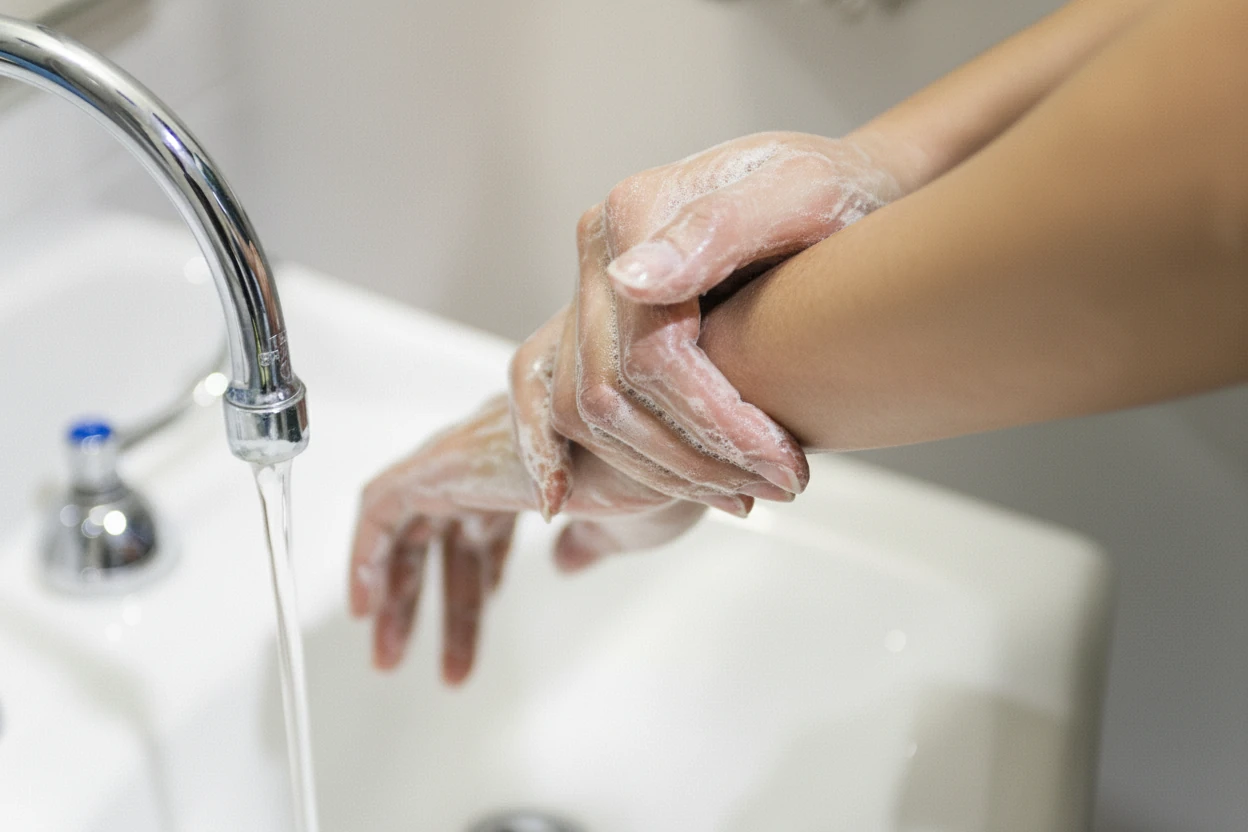
Hand hygiene is the most effective physical intervention to prevent cold virus transmission. Washing hands thoroughly with soap and water for at least 20 seconds removes pathogens and reduces infection risk47. When soap and water are unavailable, alcohol-based hand sanitizers with at least 60% alcohol are recommended7.
Avoiding touching the face, especially the eyes, nose, and mouth, prevents viruses on the hands from entering the body7. Limiting time spent in crowded indoor spaces during peak cold seasons also reduces exposure4.
Supporting immune health through adequate sleep, balanced nutrition, stress management, and regular moderate exercise further lowers susceptibility. Adults should aim for 7 to 9 hours of sleep nightly, as sleep deprivation is linked to higher infection rates48. Managing stress reduces cortisol levels, which otherwise impair immune function9. Moderate physical activity has been associated with fewer colds in adults10.
- Wash hands often with soap for at least 20 seconds47.
- Use alcohol-based hand sanitizer when handwashing is not possible7.
- Avoid touching eyes, nose, and mouth with unwashed hands7.
- Limit exposure to crowded indoor environments during cold seasons4.
- Get 7–9 hours of sleep to support immune defenses48.
- Manage stress through mindfulness, exercise, and balanced diet9.
- Engage in regular moderate physical activity10.
Complementary Methods
Certain supplements and natural remedies may modestly reduce cold duration or severity. Vitamin C supplementation has not been shown to prevent colds in the general population but may shorten symptom duration, especially in people under physical stress or high exposure risk6112. Zinc lozenges may reduce cold duration in adults but can cause side effects such as bad taste and nausea; nasal zinc products are not recommended due to risk of smell loss1262.
Honey is effective in relieving cough symptoms in children over one year old, providing symptomatic relief without curing the cold21. Other complementary remedies like probiotics, garlic supplements, and traditional Chinese medicine have inconsistent or limited evidence for cold prevention or treatment131415.
- Vitamin C may shorten cold duration, especially in high-risk groups6112.
- Zinc lozenges can reduce cold length but may cause side effects1262.
- Avoid zinc nasal sprays due to risk of anosmia (loss of smell)12.
- Honey soothes cough in children older than one year21.
- Evidence for probiotics, garlic, and herbal remedies is inconsistent131415.
Medications
No medication cures the common cold, but some over-the-counter options can ease symptoms. Acetaminophen and nonsteroidal anti-inflammatory drugs (NSAIDs) effectively reduce fever and pain21. Ibuprofen may be superior to acetaminophen for fever control in children2.
Decongestants and antihistamine–decongestant combinations can relieve nasal symptoms but do not shorten illness duration2. Intranasal ipratropium may reduce nasal runniness but not congestion2. Antibiotics are ineffective against viral colds and should be avoided to prevent antibiotic resistance and side effects16317.
- Acetaminophen and NSAIDs relieve fever and pain21.
- Ibuprofen may be better for fever in children2.
- Decongestants ease nasal symptoms but do not shorten colds2.
- Intranasal ipratropium reduces nasal runniness2.
- Antibiotics are not effective for viral colds and should be avoided16317.
“The best evidence for the prevention of the common cold supports physical interventions (e.g., handwashing) and possibly the use of zinc supplements.”
— G Michael Allan, MD, University of Alberta2
When to See Your Doctor
Most colds resolve without medical intervention within one to two weeks18. However, certain situations warrant professional evaluation to rule out complications or other illnesses.
Seek medical care if symptoms worsen or fail to improve after 10 days, or if fever persists beyond four days17. Difficulty breathing, rapid breathing, dehydration, severe headache, sinus pain, or swollen glands also require prompt attention17. Infants under three months with a fever of 100.4 °F (38 °C) or higher should be evaluated immediately17.
“The best evidence for traditional treatments supports the use of acetaminophen and nonsteroidal anti-inflammatory drugs (for pain and fever) and possibly antihistamine–decongestant combinations and intranasal ipratropium. Ibuprofen appears to be superior to acetaminophen for the treatment of fever in children.”
— G Michael Allan, MD, University of Alberta2
Testing/Screenings
💡 Did You Know? Cold and flu season is linked to indoor crowding during colder months, not the cold weather itself, which increases virus transmission47.
Diagnostic testing for the common cold is generally unnecessary because symptoms are distinctive and the illness is self-limiting3. Testing is reserved for cases where differentiation from influenza or COVID-19 is clinically important, especially in vulnerable populations34. Rapid antigen tests can help distinguish between respiratory infections with overlapping symptoms4.
Healthcare providers may assess underlying conditions in patients with frequent or severe colds to tailor prevention and treatment strategies4. Antibiotics should only be prescribed when bacterial infections are confirmed or strongly suspected163.
- Consult a doctor if symptoms last more than 10 days or worsen17.
- Seek immediate care for infants under 3 months with fever17.
- Testing is reserved for distinguishing cold from flu or COVID-1934.
- Rapid antigen tests aid in diagnosis of respiratory infections4.
- Evaluation of underlying conditions may be needed for recurrent colds4.
Cold Prevention Summary
No cure exists for the common cold, but effective prevention and symptomatic treatments can reduce its incidence and impact34. Key prevention strategies include maintaining good hand hygiene, supporting immune health through sleep and nutrition, managing stress, and avoiding close contact with sick individuals379.
Complementary methods such as vitamin C and zinc supplements may modestly reduce cold duration or frequency in specific populations but are not universally effective126112. Over-the-counter medications can relieve symptoms but do not shorten illness duration21. Antibiotics are ineffective against viral colds and should be avoided to prevent resistance and adverse effects163.
- Handwashing is the cornerstone of cold prevention34.
- Adequate sleep and nutrition support immune defenses6194.
- Stress management and moderate exercise reduce cold risk20104.
- Vitamin C and zinc may modestly reduce cold duration/severity12619.
- Antibiotics do not treat colds and should be avoided163.