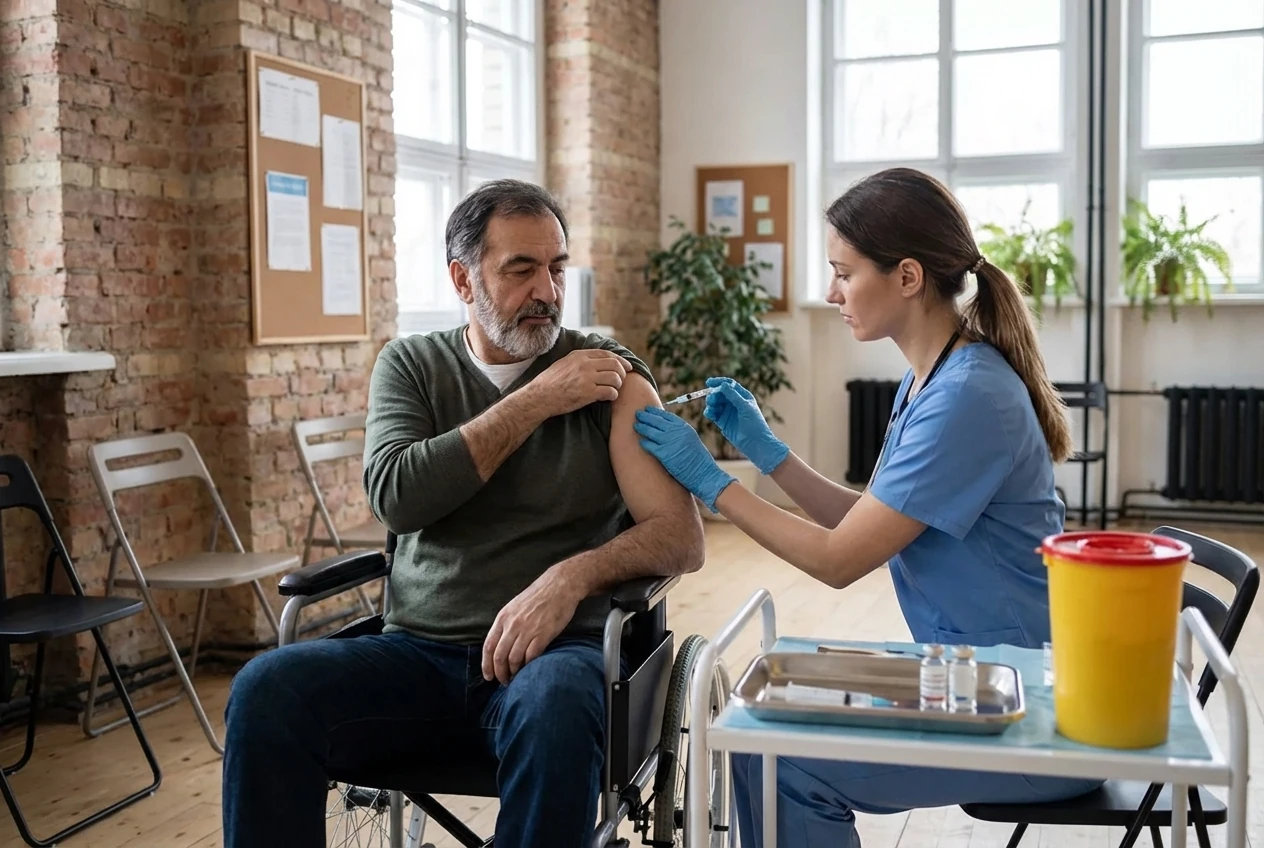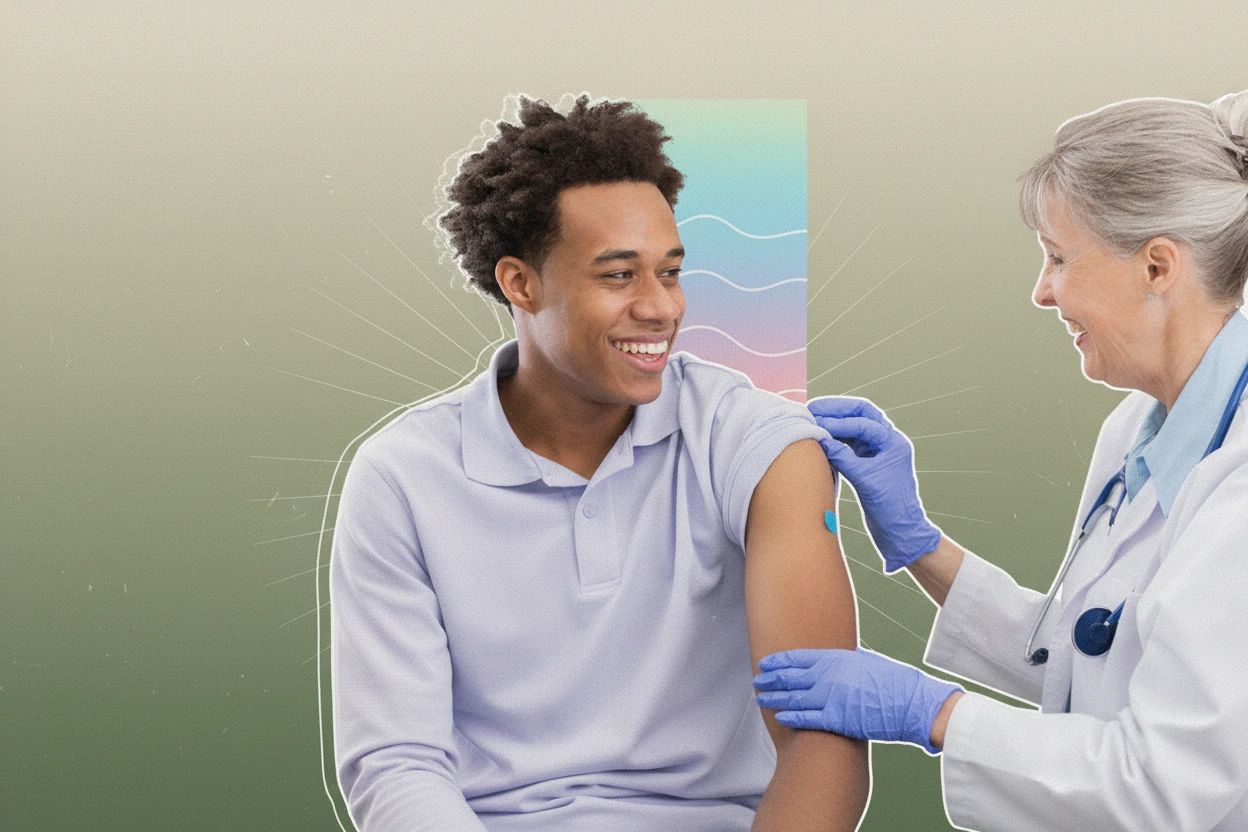
Despite ongoing risks from respiratory viruses, vaccination coverage in the United States remains below optimal levels this fall. Only about one-third of adults have received the influenza vaccine, and fewer than one in five adults have received the updated covid-test-accuracy-for-eg5-and-ba286-variants">covid-test-accuracy-for-eg5-and-ba286-variants">COVID-19 vaccine for the 2024–25 season1. Vaccination is critical to reduce severe illness, hospitalizations, and community transmission during the upcoming fall and winter months23.
“It’s important to do everything we can to keep people out of the hospital and getting a flu shot is one of the best things we can do to stay healthy during flu season.”
— Kate Kirley, MD, American Medical Association8
US Vaccination Rates
Influenza vaccination coverage among U.S. adults aged 18 years and older was estimated at 34.7% in fall 2024, while COVID-19 vaccination coverage for the same season was 17.9%1. Respiratory syncytial virus (RSV) vaccine uptake was higher among older adults at increased risk, with 39.7% of those aged 75 years and older having received the vaccine1. Adults aged 60 to 74 years at increased risk had a lower RSV vaccine uptake of 31.6%1.
The Centers for Disease Control and Prevention (CDC) and the Advisory Committee on Immunization Practices (ACIP) recommend annual influenza vaccination for all persons aged 6 months and older without contraindications, as long as influenza viruses continue to circulate locally3. Similarly, updated COVID-19 vaccines are recommended for all persons aged 6 months and older, with additional doses advised for adults aged 65 years and older and immunocompromised individuals4.
Interim effectiveness estimates for the 2024–25 influenza vaccine show a substantial reduction in illness severity, with a 36–54% decrease in outpatient visits and a 41–55% reduction in hospitalizations among adults5. COVID-19 vaccines continue to be updated to match circulating variants, maintaining protection against severe outcomes64.
Vaccination coverage varies significantly by age, risk group, and geography, with vaccine fatigue and hesitancy posing ongoing challenges1. Influenza vaccination has also been associated with reduced severity of COVID-19 clinical outcomes, although the exact mechanisms remain under investigation7.
| Vaccine Type | Coverage (%) Adults ≥18 Years | Notes |
|---|---|---|
| Influenza | 34.7 | Annual vaccination recommended31 |
| COVID-19 | 17.9 | Updated vaccines recommended41 |
| RSV (≥75 years) | 39.7 | Recommended for older adults1 |
| RSV (60–74 years, risk) | 31.6 | Shared decision-making recommended1 |
Get Vaccinated Promptly
The CDC strongly encourages getting vaccinated against influenza and COVID-19 as soon as possible this fall to maximize protection throughout the respiratory virus season2. September and October remain the optimal months for vaccination to allow the immune system adequate time to build a full response8. Most people require only one dose of the influenza vaccine each season2.
“Getting COVID during pregnancy is very dangerous for people who are pregnant, which means it also threatens the pregnancy.”
— Margot L. Savoy, MD, MPH, American Academy of Family Physicians10
Both influenza and COVID-19 vaccines are updated annually to target the strains and variants most likely to circulate in the upcoming season34. COVID-19 vaccines have been reformulated to address emerging variants, and a second dose is now recommended for adults aged 65 years and older and for immunocompromised individuals aged 6 months and older64.
It is safe and recommended to receive influenza and COVID-19 vaccines during the same visit if eligible2. This coadministration helps improve convenience and vaccine uptake.
The influenza vaccine contains inactivated virus or viral components and cannot cause the flu. It typically takes about two weeks to develop full immunity after vaccination8. Vaccination reduces the risk of severe illness, hospitalizations, and complications from both influenza and COVID-1954.
- Everyone aged 6 months and older, with rare exceptions, should receive the updated 2024–25 influenza vaccine23.
- Everyone aged 6 months and older is recommended to receive the updated 2024–25 COVID-19 vaccine24.
- Adults aged 65 years and older and immunocompromised persons aged 6 months and older should receive an additional COVID-19 vaccine dose6.
- Pregnant persons are recommended to receive influenza, COVID-19, and RSV vaccines to protect both mother and infant910.
- Older adults aged 75 years and older and adults aged 50 to 74 years at increased risk should consider RSV vaccination910.
Your Role in Seasonal Health
Individualized vaccination decisions are emphasized in the 2025 ACIP adult immunization schedule, especially for persons with underlying health conditions11. Annual influenza vaccines are updated each year to match circulating strains, with higher-dose or adjuvanted vaccines preferred for adults aged 65 years and older to enhance immune response3.
💡 Did You Know? The CDC updated its immunization schedules to emphasize individual-based decision-making for COVID-19 vaccination, tailoring recommendations based on patient risk factors and vaccine characteristics13.
COVID-19 vaccines are similarly updated to target dominant variants, with additional doses recommended for older adults and immunocompromised individuals to maintain optimal protection64. RSV vaccination recommendations include shared clinical decision-making for adults aged 60 years and older and routine vaccination during pregnancy to protect newborns9.
Health care providers are encouraged to use all components of the immunization schedule—including tables, notes, and addenda—to tailor vaccine recommendations to individual patients11.
Vaccination not only protects the individual but also reduces community transmission, helping to prevent severe outcomes and hospitalizations during the respiratory virus season34.
- Annual influenza vaccination for all persons aged 6 months and older without contraindications3.
- Updated COVID-19 vaccination for all persons aged 6 months and older, with additional doses for older adults and immunocompromised individuals64.
- RSV vaccination for adults aged 60 years and older based on shared decision-making and routine vaccination during pregnancy9.
- Pregnant persons should receive influenza, COVID-19, and RSV vaccines to protect themselves and their infants910.
- Health care personnel should stay up to date with influenza and COVID-19 vaccinations to reduce transmission in healthcare settings12.