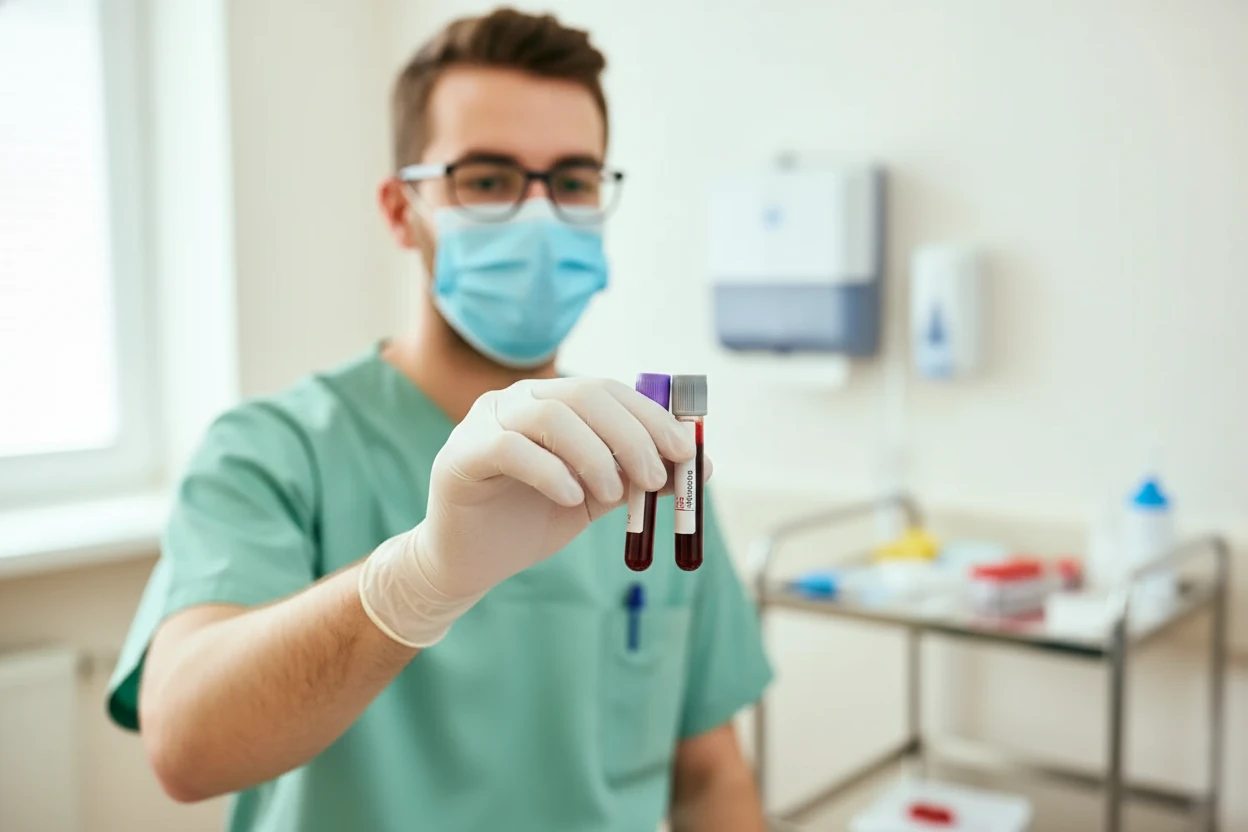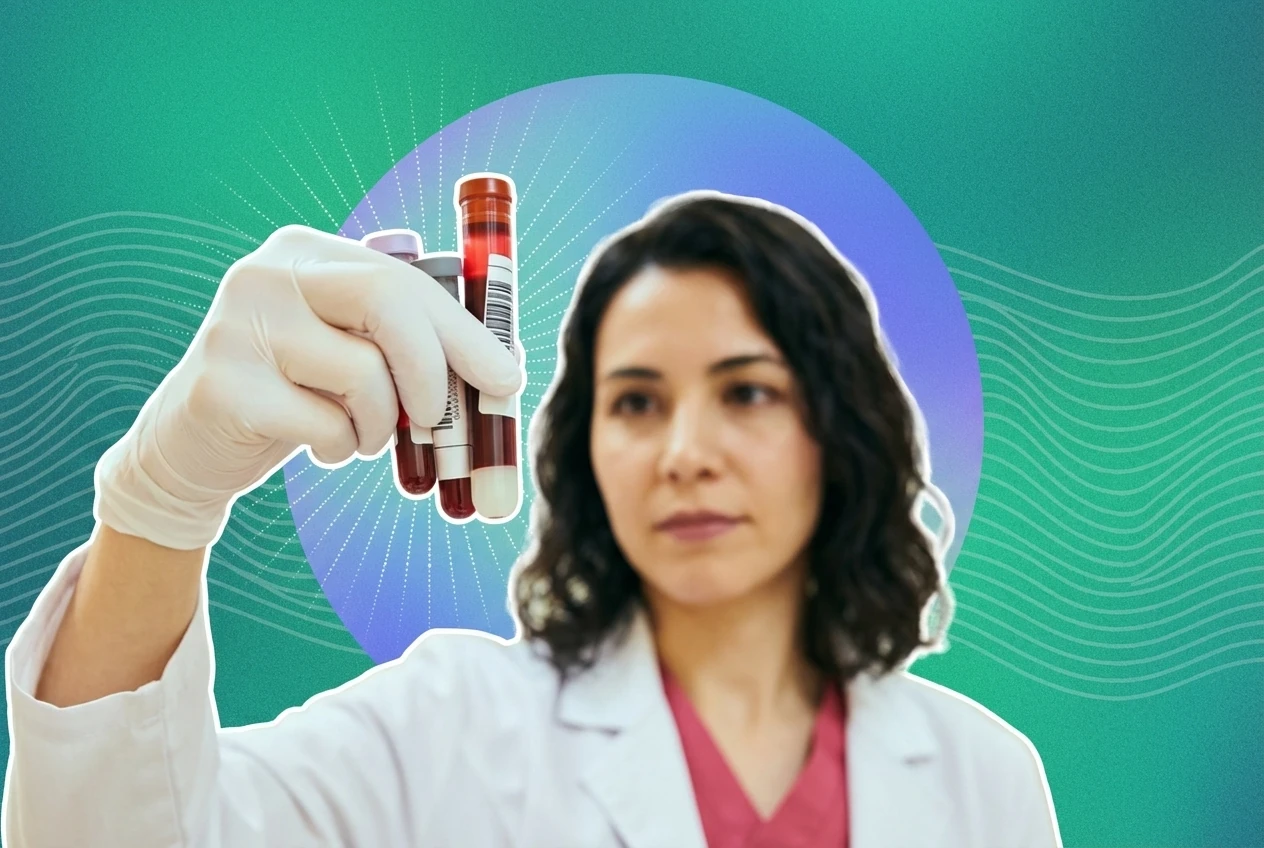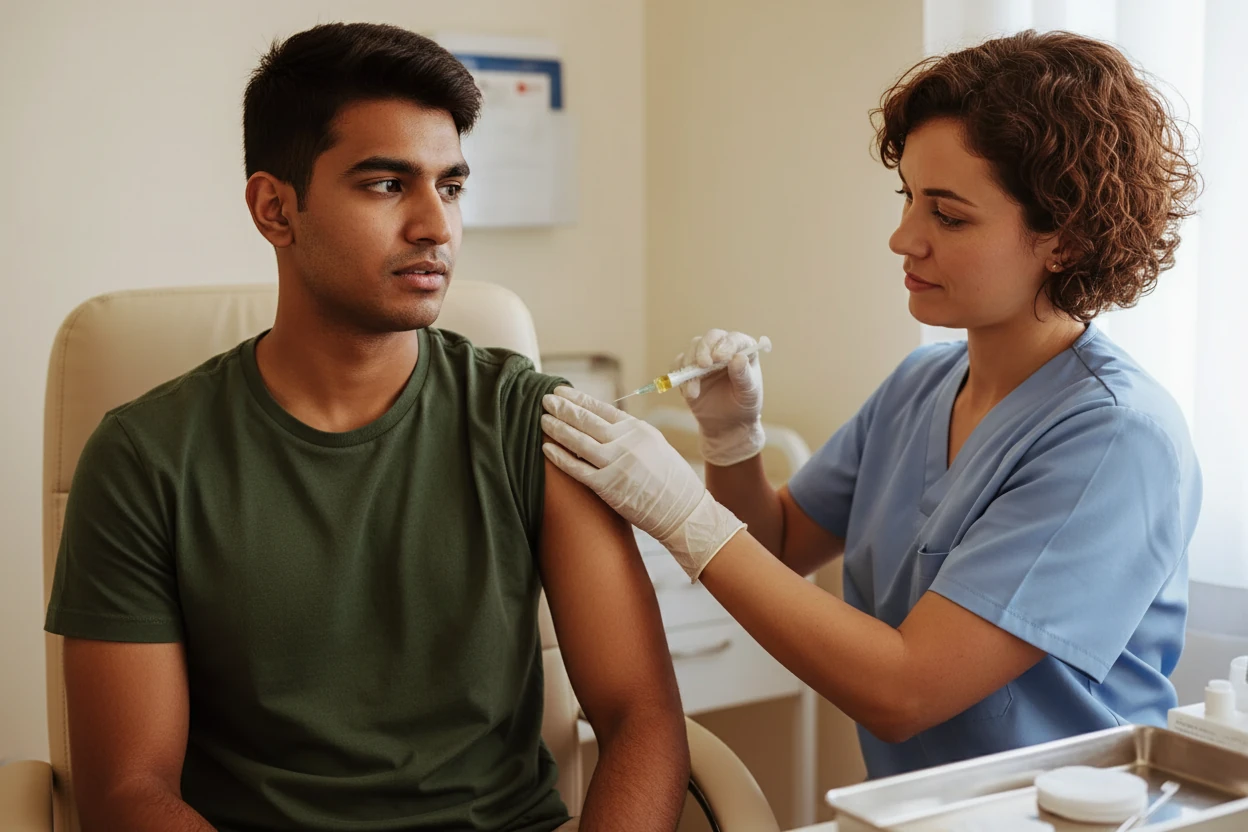
Antibodies are specialized proteins produced by the immune system to identify and neutralize harmful foreign substances called antigens, which include bacteria, viruses, fungi, and toxins1. These proteins circulate in the blood and other body fluids, providing protection by binding to antigens and marking them for elimination2. The diversity and specificity of antibodies enable the immune system to recognize a vast array of pathogens and remember them for faster responses upon re-exposure3. Understanding the types, production, and functions of antibodies is essential for appreciating their critical role in immune defense and medical applications4.
Antibody Types and Classes
Antibodies, also known as immunoglobulins (Ig), are classified into five main isotypes based on their heavy chain constant regions: IgM, IgA, IgD, IgE, and IgG5. Each isotype has distinct functions and tissue distributions that tailor immune responses to different types of antigens and routes of exposure6.
- IgM is the first antibody produced during a primary immune response and is mainly found in blood and lymphatic fluid. It exists as a pentamer, which enhances its ability to bind pathogens early in infection51.
- IgA is the predominant antibody in mucosal secretions such as saliva, tears, colostrum, and secretions of the respiratory, gastrointestinal, and genitourinary tracts. It plays a key role in mucosal immunity by preventing pathogen entry at these surfaces51.
- IgD is primarily found on the surface of B cells and may support B cell activation, although its exact function remains incompletely understood51.
- IgE is associated with allergic responses and defense against parasites. It binds to high-affinity receptors on mast cells and basophils, triggering the release of inflammatory mediators upon allergen exposure71.
- IgG is the most abundant antibody in blood and extracellular fluid, comprising approximately 70% to 75% of all immunoglobulins. It is involved in neutralizing toxins and viruses, opsonizing bacteria, and activating the complement system. IgG is further divided into four subclasses (IgG1–IgG4), each with specialized immune roles751.
The structural differences among these antibody classes influence their ability to activate immune mechanisms and their distribution in the body. For example, IgM and IgA contain additional joining (J) chains and secretory components that facilitate their polymeric forms and function in secretions5. IgG is unique in its ability to cross the placenta, providing passive immunity to the fetus during pregnancy7.
| Antibody Type | Location/Distribution | Primary Function |
|---|---|---|
| IgM | Blood, lymph | First responder; early pathogen neutralization5 |
| IgA | Mucosal secretions | Mucosal immunity; pathogen neutralization at entry sites5 |
| IgD | B cell surface | B cell activation (putative)5 |
| IgE | Skin, lungs, mucosa | Allergic responses; parasite defense7 |
| IgG | Blood, extracellular fluid | Long-term immunity; neutralization; complement activation7 |
“Antibodies are proteins produced by the immune system that bind to unwanted substances entering the body to help eliminate them.”
— Cleveland Clinic Medical Team, Cleveland Clinic8
Antibody Production Process
Antibodies are produced by plasma cells, which are differentiated forms of B cells primarily residing in the bone marrow79. The production process begins when a B cell encounters its specific antigen, triggering activation, proliferation, and differentiation into plasma cells and memory B cells7.
“Antibodies are protective proteins produced by the immune system that attach to antigens—such as bacteria, fungi, viruses, and toxins—and remove them from the body.”
— Cleveland Clinic Medical Team, Cleveland Clinic8
- Plasma cells secrete large quantities of antibodies into the bloodstream and lymphatic system, providing immediate defense against the antigen7.
- Memory B cells persist long-term and enable a rapid and robust antibody response upon re-exposure to the same antigen, contributing to immunological memory73.
During this process, antibody genes undergo somatic hypermutation and affinity maturation, which refine the antigen-binding sites to increase antibody specificity and strength of binding10. This ensures that subsequent immune responses produce high-affinity antibodies that efficiently neutralize pathogens11.
The structure of antibodies, consisting of two heavy and two light chains forming a Y-shaped molecule, allows for vast diversity in antigen recognition. The hypervariable regions at the tips of the Y shape determine the specificity for different antigens24.
Antibodies in Immune System Protection
Antibodies support immune health through multiple mechanisms that target and eliminate pathogens. Their effector functions are mediated by the antigen-binding (Fab) region and the constant (Fc) region, which interacts with immune cells and complement proteins127.
Antibodies are the immune system’s frontline defense against infections, allergens, and toxins. Produced naturally by plasma cells, they recognize and neutralize harmful agents with high specificity. Lab-made monoclonal antibodies extend this natural defense to treat diseases like cancer and autoimmune disorders.178
Key immune defense roles of antibodies include:
- Neutralization: Antibodies bind to toxins, viruses, or pathogens, blocking their ability to infect host cells71.
- Opsonization: Coating pathogens with antibodies enhances recognition and ingestion by phagocytic cells such as macrophages and neutrophils1314.
- Complement activation: Certain antibody classes (IgG and IgM) activate the complement system, leading to pathogen lysis and enhanced inflammation137.
- Antibody-dependent cellular cytotoxicity (ADCC): Antibodies recruit natural killer cells and other immune effectors via Fc receptors, promoting targeted killing of infected or malignant cells1215.
These functions are finely regulated and depend on the antibody isotype, subclass, and glycosylation patterns, which influence their interaction with Fc receptors on immune cells1516. The immune system’s ability to produce high-affinity antibodies after repeated antigen exposure ensures rapid clearance of pathogens and long-term protection11.
List: How Antibodies Protect the Body
- Bind and neutralize viruses and toxins, preventing infection7
- Mark bacteria for destruction by phagocytes (opsonization)13
- Activate complement cascade to lyse pathogens13
- Recruit immune cells to destroy infected or abnormal cells (ADCC)12
- Provide immunological memory for faster future responses7
Medical Uses of Antibodies
Antibodies have become essential tools in modern medicine, both as therapeutic agents and diagnostic tools. Their specificity and versatility allow them to target a wide range of diseases and conditions1718.
- Therapeutic monoclonal antibodies (mAbs): Lab-engineered antibodies mimic natural immune functions and are used to treat cancer, autoimmune diseases, and infectious diseases. They can block disease pathways, recruit immune cells, or deliver cytotoxic agents directly to diseased cells171920.
- Antibody-drug conjugates (ADCs): These combine antibodies with cytotoxic drugs to selectively kill cancer cells while sparing healthy tissue21.
- Passive immunization: Administration of preformed antibodies provides immediate protection against toxins or infections, such as botulinum toxin exposure or certain viral infections7.
- Intravenous immunoglobulin (IVIG): Pooled antibodies from donors are used to treat autoimmune and infectious diseases by modulating immune responses7.
- Diagnostic applications: Antibodies are used in serological tests to detect past infections or vaccination status, and in biosensors for detecting pathogens and biomarkers with high specificity7221.
“Monoclonal antibodies have been successfully used for various indications, including cancer and autoimmune diseases.”
— Walton et al.17
List: Clinical Applications of Antibodies
- Cancer therapy through targeted monoclonal antibodies19
- Treatment of autoimmune diseases like lupus and rheumatoid arthritis171
- Passive immunity for rapid protection against toxins and infections7
- Diagnostic tests for infections and autoimmune markers722
- Development of antibody-based biosensors for disease detection22
Key Antibody Facts Summary
Antibodies are central to both natural immunity and biomedical research. Their modular Y-shaped structure, composed of two heavy and two light chains, enables precise antigen recognition and diverse immune functions420. Human antibodies are divided into five main classes with distinct roles in immune defense and tissue distribution65.
- Antibodies are produced by plasma cells in the bone marrow and secreted into circulation7.
- Memory B cells provide long-term immunity by rapidly producing antibodies upon re-exposure to antigens7.
- Antibody effector functions include neutralization, opsonization, complement activation, and recruitment of immune cells via Fc receptors121315.
- Therapeutic antibodies have revolutionized treatment for cancer, autoimmune disorders, and infectious diseases1719.
- Diagnostic uses of antibodies include serology, biomarker detection, and immunosensors722.
Table: Summary of Antibody Classes and Functions
| Antibody Class | Location/Distribution | Primary Immune Role | Clinical Relevance |
|---|---|---|---|
| IgM | Blood, lymph | First responder; early infection control5 | Early infection detection; immune regulation1 |
| IgA | Mucosal secretions | Mucosal barrier protection5 | Prevents respiratory and GI infections1 |
| IgD | B cell surface | B cell activation (putative)5 | Marker of B cell maturation1 |
| IgE | Skin, lungs, mucosa | Allergic reactions; parasite defense7 | Allergy diagnosis and treatment1 |
| IgG | Blood, extracellular fluid | Long-term immunity; neutralization; complement activation7 | Passive immunity; vaccine response; therapeutic mAbs1 |