Yellow fever is a serious viral disease transmitted by mosquitoes, primarily affecting tropical regions of Africa and South America1. Each year, approximately 200,000 people worldwide are infected, resulting in about 30,000 deaths, mostly in sub-Saharan Africa2. While many cases are mild or asymptomatic, a significant portion of infections can progress to severe illness with high fatality rates3. Understanding the symptoms, causes, diagnosis, treatment, and prevention of yellow fever is crucial for controlling its impact and protecting at-risk populations4.
Recognizing Yellow Fever Symptoms
Yellow fever symptoms vary widely, ranging from mild to severe forms. The disease typically begins after an incubation period of 3 to 6 days following a mosquito bite5.
Mild Symptoms
Most individuals infected with yellow fever virus experience no symptoms or only mild illness3. Initial signs often include:
- Sudden onset of fever and chills5
- Headache and severe backache5
- Muscle aches and general body weakness6
- Nausea and vomiting6
- Fatigue and prostration lasting weeks to months during recovery3
These symptoms usually resolve within one week, and patients generally recover without complications5. However, even mild cases require adequate hydration and rest to support recovery5.
Severe Symptoms
Approximately 15% of infected individuals develop a more severe form of yellow fever characterized by a toxic phase3. After an initial improvement, these patients experience a recurrence of symptoms including:
- High fever and chills5
- Jaundice (yellowing of the skin and eyes), a hallmark of severe disease5
- Bleeding manifestations such as bleeding gums, bloody urine, and petechiae (small skin hemorrhages)6
- Organ failure involving the liver, kidneys, and cardiovascular system3
- Shock and multi-organ failure leading to critical illness5
The case fatality rate in severe yellow fever ranges from 20% to 60%, with death often occurring within 7 to 10 days after symptom onset3. Jaundice is a defining feature that gives the disease its name and indicates liver damage5.
Yellow fever can progress rapidly from mild symptoms to severe, life-threatening illness in about 1 in 7 cases. Early recognition and supportive care are vital to improve survival6.
Yellow Fever Causes and Transmission
Yellow fever is caused by the yellow fever virus, a single-stranded RNA virus belonging to the Flavivirus genus, which also includes dengue, West Nile, and Zika viruses54. The virus is primarily transmitted to humans through the bite of infected mosquitoes.
The main mosquito species involved in transmission are:
- Aedes aegypti, the primary urban vector57
- Haemagogus and Sabethes species, involved in sylvatic (jungle) transmission cycles14
Risk Factors
Transmission occurs through three distinct cycles:
- Sylvatic cycle: The virus circulates between forest-dwelling mosquitoes and non-human primates (monkeys). Humans entering forested areas can become infected when bitten by these mosquitoes58.
- Intermediate cycle: Occurs in humid or semi-humid savannah regions where mosquitoes infect both monkeys and humans, affecting rural populations5.
- Urban cycle: Involves transmission between infected Aedes aegypti mosquitoes and humans living in urban areas, leading to outbreaks5.
Additional risk factors include:
- Living or traveling in endemic areas of tropical Africa and South America1
- Exposure to mosquito bites, especially during daytime when Aedes aegypti mosquitoes are most active1
- Increased mosquito populations during rainy seasons, which raise the risk of infection9
- Lack of vaccination or incomplete vaccination against yellow fever10
Yellow fever is not transmitted through person-to-person contact, respiratory droplets, or casual contact58. Rare transmission through mcv blood test results meaning and normal range transfusion or organ transplantation can occur due to high levels of virus in the blood during early infection5.
💡 Did You Know?
The yellow fever virus is maintained in nature through cycles involving mosquitoes and non-human primates, with urban outbreaks driven by Aedes aegypti mosquitoes1.
Diagnosing Yellow Fever
Diagnosing yellow fever can be challenging, especially early in the illness, because its symptoms overlap with other febrile diseases such as malaria, leptospirosis, and viral hepatitis6. Diagnosis relies on a combination of clinical suspicion, travel history, and laboratory testing.
Key diagnostic approaches include:
- Molecular tests: Reverse Transcriptase Polymerase Chain Reaction (RT-PCR) detects viral RNA in blood during the early viremic phase, typically within the first 3 to 5 days of illness511.
- Serologic assays: Detection of virus-specific IgM antibodies and neutralizing antibodies by ELISA or plaque reduction neutralization tests is used later in the disease course511.
- Complete blood count (CBC): Leukopenia (low white blood cell count) is commonly observed5.
- Liver function tests: Elevated bilirubin and liver enzymes indicate liver damage and help assess disease severity5.
Clinical diagnosis is supported by symptoms such as fever, jaundice, and hemorrhagic signs, especially in patients with relevant exposure history11.
| Diagnostic Method | Timing of Use | Purpose | Reference |
|---|---|---|---|
| RT-PCR | Early infection (first 3–5 days) | Detect viral RNA in blood | 511 |
| IgM antibody detection | Later stages (after viremia) | Confirm immune response | 511 |
| CBC | Any stage | Identify leukopenia | 5 |
| Liver function tests | Any stage | Assess liver damage severity | 5 |
Yellow Fever Treatment Options
There is no specific antiviral treatment for yellow fever; management is primarily supportive54. Early diagnosis and prompt supportive care can reduce mortality, especially in severe cases.
Supportive treatment includes:
- Rest and hydration to maintain fluid balance5
- Use of analgesics and antipyretics such as acetaminophen to relieve fever and pain5
- Avoidance of nonsteroidal anti-inflammatory drugs (NSAIDs) like aspirin or ibuprofen due to increased bleeding risk5
- Hospitalization for severe cases requiring intensive monitoring and care5
- Management of complications such as dehydration, liver and kidney failure, and shock3
- Administration of intravenous fluids, oxygen therapy, blood transfusions, and antibiotics for secondary bacterial infections as needed5
Early supportive care improves outcomes and reduces the risk of death in patients with severe yellow fever5.
“There is no specific antiviral treatment for yellow fever. Clinical care remains mostly supportive, including rest, hydration, and management of liver and kidney failure.”
— Islam et al.12
Preventing Yellow Fever Infection
Prevention of yellow fever is critical, especially in endemic regions, due to the absence of specific treatment5. The most effective preventive measure is vaccination.
Key prevention strategies include:
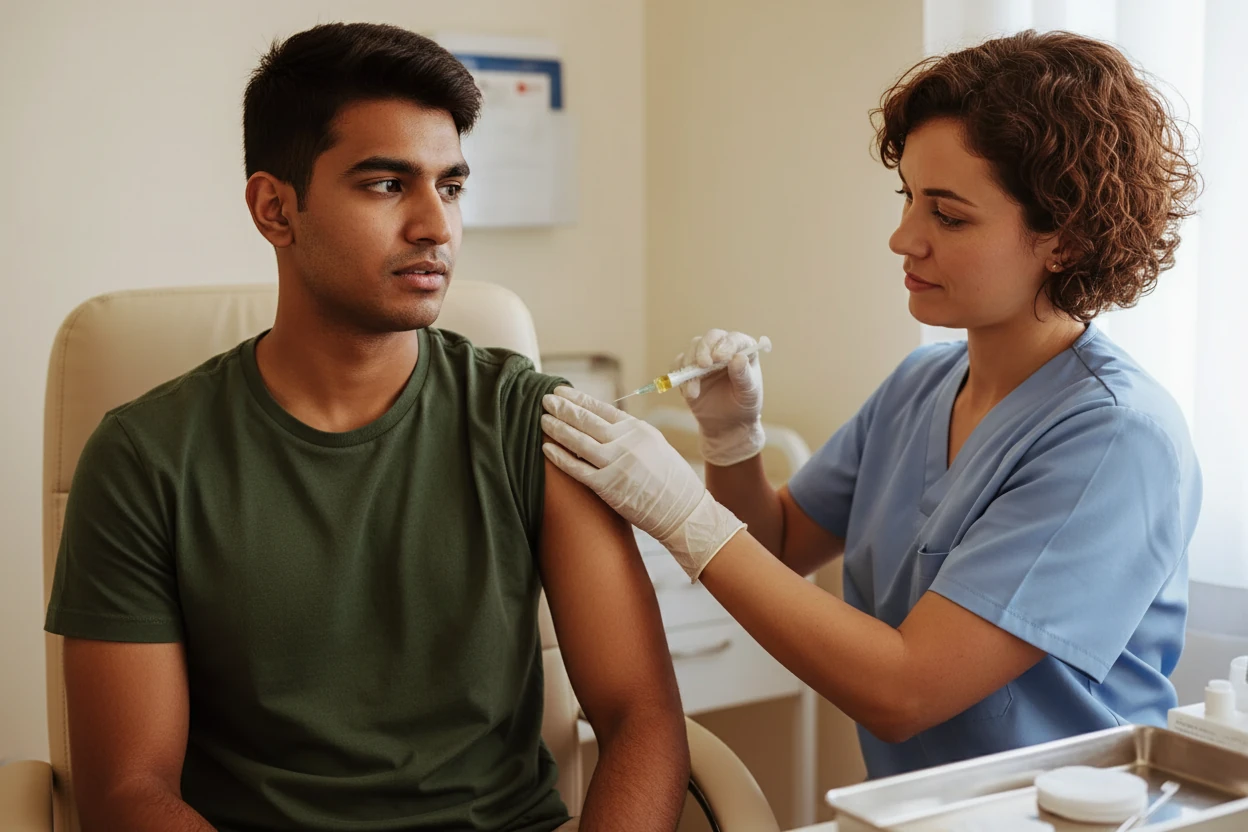
- Yellow fever vaccine: A single dose provides long-lasting immunity, with efficacy exceeding 99% within 30 days of vaccination2135.
- Vaccination recommendations: Advised for all individuals aged 9 months and older living in or traveling to high-risk areas in Africa and South America10.
- Booster doses: Generally not required, but may be recommended for travelers to outbreak zones if more than 10 years have passed since the last dose510.
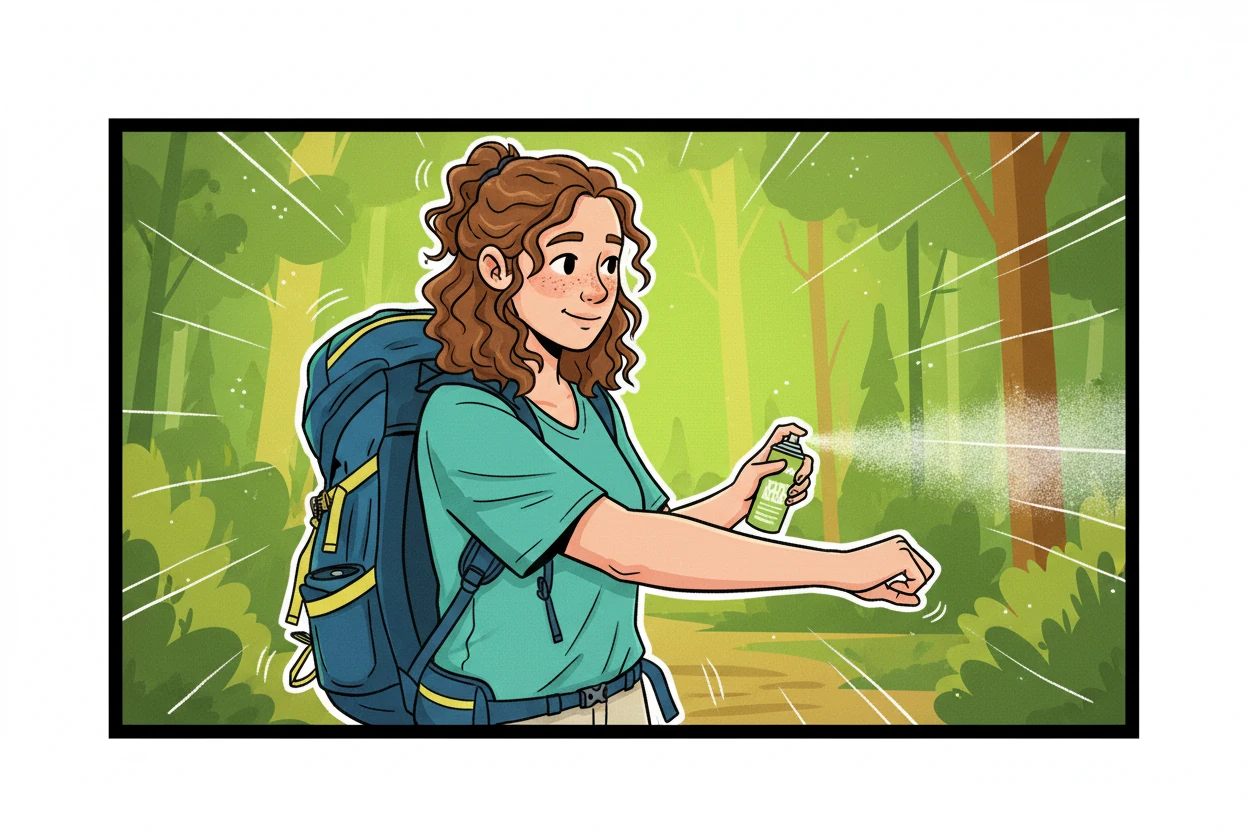
- Mosquito bite prevention: Use of EPA-registered insect repellents containing DEET, wearing long-sleeved shirts and pants, and applying permethrin to clothing57.
- Environmental control: Elimination of standing water to reduce mosquito breeding sites and use of bed nets or air conditioning to minimize exposure, especially at night95.
- Travel precautions: Avoid travel to endemic areas during peak mosquito activity or rainy seasons when mosquito populations increase9.
💡 Did You Know?
Vaccination is required for international travel to certain countries with yellow fever risk, and proof of vaccination may be mandated at entry10.
| Prevention Method | Description | Reference |
|---|---|---|
| Vaccination | Single dose provides lifelong immunity | 2510 |
| Insect repellents | Use DEET or permethrin on skin/clothing | 57 |
| Protective clothing | Wear long sleeves and pants | 5 |
| Environmental control | Remove standing water, use larvicides | 95 |
| Travel timing | Avoid peak mosquito seasons | 9 |
Potential Complications of Yellow Fever
While many cases of yellow fever are mild, severe disease can lead to serious complications that increase the risk of death.
Common complications include:
- Hepatitis leading to jaundice and liver failure35
- Hemorrhagic manifestations such as bleeding gums, blood in urine, and gastrointestinal bleeding6
- Kidney failure and renal insufficiency3
- Cardiovascular instability and shock3
- Multi-organ failure involving liver, kidneys, and heart5
- Secondary bacterial infections due to immune suppression5
The case fatality rate for severe yellow fever ranges from 20% to 60%, with death often occurring within 7 to 10 days after symptom onset314.
Severe yellow fever can cause multi-organ failure and hemorrhagic symptoms, making prompt medical care essential to improve survival chances3.
Key Takeaways on Yellow Fever
- Yellow fever is a mosquito-borne viral disease endemic to tropical Africa and South America, transmitted mainly by Aedes aegypti mosquitoes17.
- Most infections are mild or asymptomatic, but about 15% of cases progress to severe disease with high fever, jaundice, bleeding, and organ failure35.
- The incubation period is typically 3 to 6 days, with symptoms lasting about one week in mild cases5.
- Diagnosis relies on clinical suspicion, molecular tests (RT-PCR), and serologic assays detecting IgM antibodies511.
- There is no specific antiviral treatment; supportive care including hydration and symptom management is critical5.
- Vaccination provides highly effective, long-lasting protection and is the cornerstone of prevention213510.
- Preventing mosquito bites through repellents, protective clothing, and environmental control reduces infection risk5.
- Severe yellow fever has a high fatality rate, emphasizing the importance of early recognition and medical care3.
Yellow Fever FAQs
What causes yellow fever?
Yellow fever is caused by the yellow fever virus, a mosquito-borne flavivirus transmitted primarily by Aedes aegypti mosquitoes54.
How is yellow fever transmitted?
The virus is transmitted through the bite of infected mosquitoes in sylvatic, intermediate, and urban cycles involving non-human primates and humans58.
Can yellow fever be spread from person to person?
No, yellow fever is not spread through respiratory droplets or casual contact. Transmission occurs only via infected mosquito bites or rarely through blood transfusion58.
Is there a cure for yellow fever?
There is no specific antiviral treatment. Management is supportive, focusing on hydration, symptom relief, and care for complications54.
Who should get the yellow fever vaccine?
Vaccination is recommended for people aged 9 months and older living in or traveling to endemic areas in Africa and South America10.
How effective is the yellow fever vaccine?
A single dose provides immunity in over 99% of recipients within 30 days and usually lifelong protection2510.