Working out barefoot has gained popularity among fitness enthusiasts and runners due to claims of improved foot strength, balance, and natural movement patterns1 . Some proponents suggest that barefoot exercise may enhance proprioception—the body's ability to sense its position in space—and increase lower extremity strength2 . However, the evidence is mixed, and experts caution that barefoot workouts carry potential risks, especially if done improperly or without gradual adaptation3 .
Exercising barefoot has both benefits and potential drawbacks. One of the main advantages is that it helps strengthen the muscles in the feet and lower legs, improving balance and posture12 .
Evidence for Barefoot Exercise Is Mixed
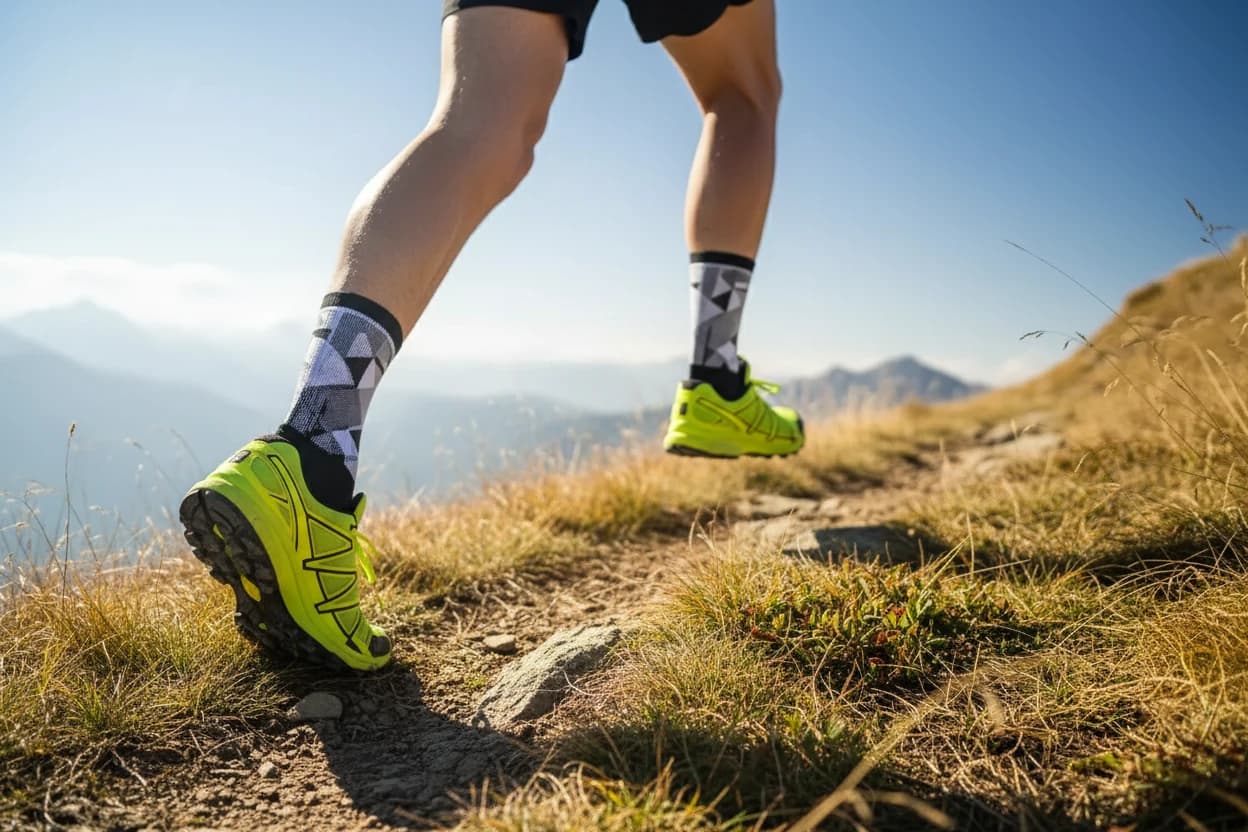
Barefoot exercise, particularly running, alters biomechanics in ways that may offer both benefits and drawbacks. Running barefoot is linked to a more anterior (forefoot or midfoot) foot strike, higher cadence (step rate), lower vertical loading rate (impact force), and shorter stride length compared to running with shoes3 . These changes may reduce stress on the knees and improve shock absorption during running3 . Additionally, barefoot running increases plantar (sole) support and decreases peak plantar pressure, which may reflect an adaptive strategy to attenuate impact forces4 . After a period of barefoot running, runners show improved shock attenuation and reduced muscle activation intensity, suggesting enhanced efficiency in how muscles absorb impact5 .
Barefoot exercise also allows for more natural movement patterns compared to shod (shoe-wearing) exercise3 . Walking barefoot has been shown to restore a more natural gait pattern, improve proprioception, and increase foot and ankle joint range of motion6 . Habitual barefoot walkers tend to have wider feet with increased forefoot spreading under load, which may contribute to better foot mechanics7 .
Going without a shoe causes these muscles to start working more, which ultimately gives you a stronger and more adaptable foot9 .
Despite these potential advantages, the evidence for improved athletic performance with barefoot running is inconsistent. Some studies report no significant differences in running economy or oxygen consumption when comparing barefoot or minimalist shoe running to traditional shod running8 . Moreover, abrupt transitions to barefoot running or minimalist footwear can increase stress on ankle joints and raise injury risk3 .
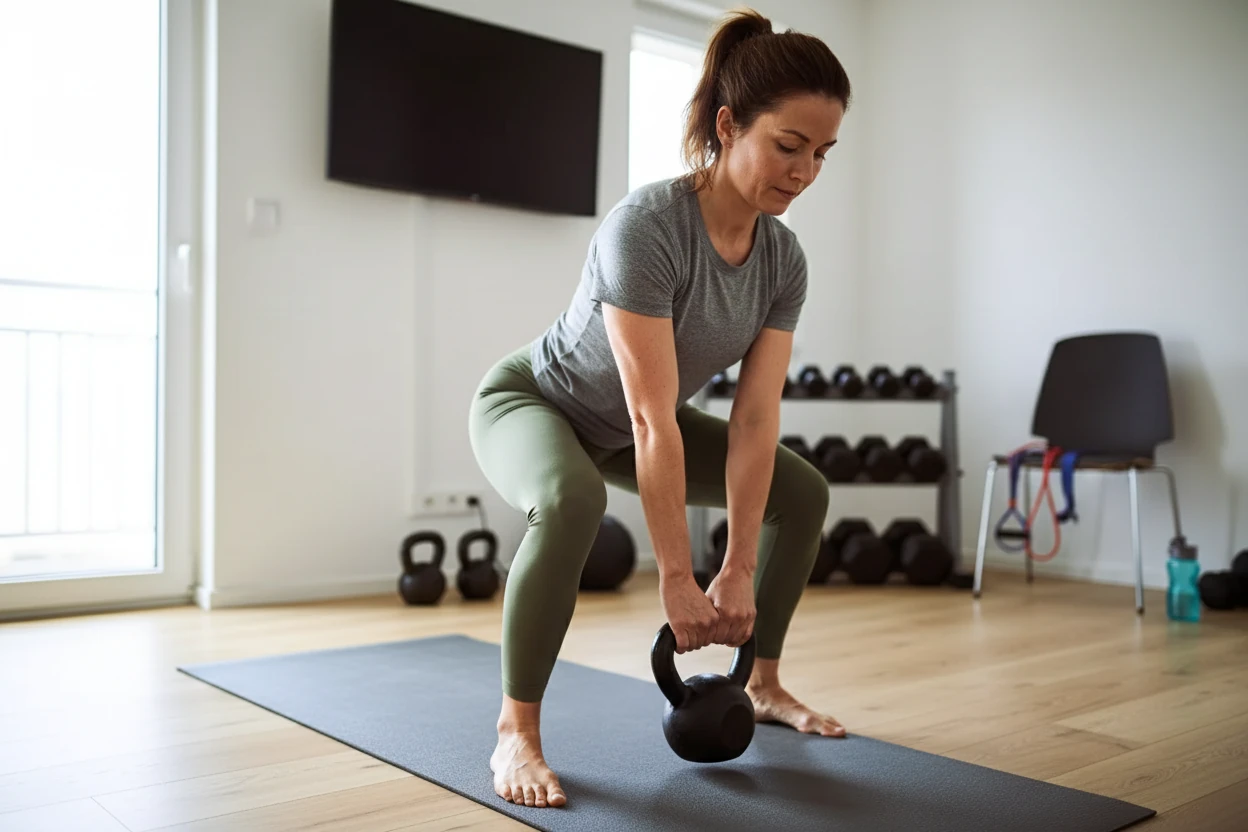
Barefoot weightlifting has become popular for its potential to strengthen foot muscles and improve balance. Without shoes, the small muscles of the feet, such as the abductor hallucis and posterior tibialis, work harder, which may enhance foot strength and proprioception9 . However, lifting heavy weights barefoot can increase the risk of injury due to lack of foot protection and stability, especially if ankle stability is inadequate9 .
Overall, the biomechanical and physiological effects of barefoot exercise vary depending on the activity, individual anatomy, and adaptation period. While barefoot workouts may improve foot strength, balance, and proprioception, they also carry risks of injury and require cautious progression.
Training barefoot may improve agility, ankle stability, and the positioning of the joint, if done correctly10 .
Is Barefoot Exercise Right for You?
The safety and suitability of barefoot exercise depend on individual health status, foot anatomy, and the type of workout. Barefoot exercise can enhance foot strength, mobility, balance, and proprioception by engaging muscles and sensory receptors that shoes often restrict1 12. This increased sensory feedback may improve body awareness, coordination, and neuromuscular control1 10. Barefoot training can also help readjust foot shape and improve muscle tone, potentially reducing foot pronation and supporting the arch10 .
Certain exercises are well-suited to barefoot performance, such as yoga, Pilates, swimming, and indoor mat activities, where the risk of injury from the environment is low1 13. Weightlifting barefoot may improve stability due to increased ground contact but should be approached cautiously, especially when lifting heavy weights9 . Cycling barefoot is generally not recommended due to risk of bruises or cuts from pedals1 13.
However, barefoot exercise is not appropriate for everyone or every workout. People with pre-existing foot conditions like plantar fasciitis, heel spurs, bunions, or low/high arches may require supportive footwear to prevent pain and injury14 1312. Those with diabetes or peripheral neuropathy should avoid barefoot exercise due to risk of unnoticed foot wounds and infections15 . Exercising barefoot in public or communal spaces increases exposure to fungal infections such as athlete’s foot and risks of cuts or scrapes1 1312.
💡 Did You Know?
Barefoot running has recently increased because of claims of injury prevention, enhanced running efficiency, and improved performance11 .
Outdoor barefoot running or walking carries hazards from uneven terrain, sharp objects, hot pavement, or debris, which can cause injuries or stress fractures16 6. Gradual transition is critical when starting barefoot exercise to allow foot muscles and joints to adapt and reduce overuse injuries like tendonitis or stress fractures3 139. Abrupt changes can increase injury risk, especially in runners switching suddenly to barefoot or minimalist shoes3 .
- Start gradually, limiting barefoot time and intensity to allow adaptation13 9.
- Choose safe, clean environments such as indoor mats, grass, or rubber tracks6 .
- Avoid barefoot exercise on rough, hot, or debris-laden surfaces16 6.
- Wear supportive shoes if you have foot conditions or during high-impact outdoor activities14 13.
- Monitor feet daily for signs of injury or infection, especially if sensation is reduced6 .