Since the onset of the covid-risk-study-findscovid-risk-study-finds">covid-risk">covid-risk">COVID-19 pandemic, the global health landscape has undergone profound changes, with millions of lives lost and widespread societal disruption1. Encouragingly, recent data show a significant decline in COVID-19 deaths worldwide, signaling progress toward controlling the virus2. However, despite advances in vaccines and treatments, COVID-19 remains a persistent health threat requiring ongoing vigilance and strategic management3.
Global COVID-19 Deaths Decline Significantly
Worldwide, COVID-19 mortality has markedly decreased from its peak levels, reflecting the combined effects of increased population immunity and improved clinical care2. Since mid-2024, weekly global COVID-19 deaths have remained below 20,000 despite ongoing transmission and rising case numbers2. This plateau at lower mortality levels contrasts sharply with earlier pandemic peaks, underscoring the impact of enhanced prevention and treatment strategies3.
Key factors driving this decline include widespread vaccination campaigns, natural immunity from prior infections, and the availability of effective antiviral therapies32. Improved clinical management protocols have also contributed to reducing severe outcomes and deaths2. Infectious disease experts emphasize that minimizing mortality remains the primary goal in COVID-19 management, with reducing hospitalizations and transmission as important concurrent objectives4.
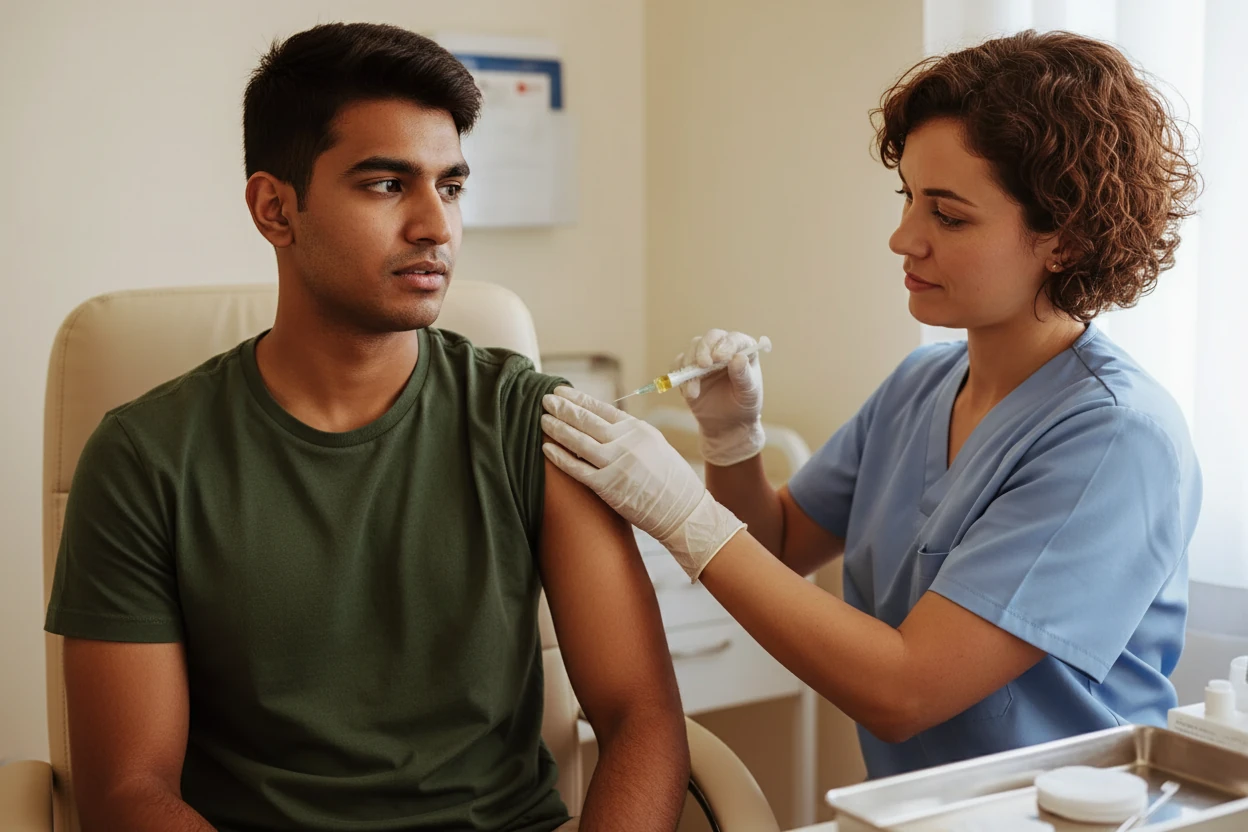
Comprehensive interventions have substantially lowered COVID-19 morbidity and mortality, enabling future infection surges to cause fewer deaths than in previous waves32. This progress highlights the importance of maintaining and expanding access to vaccines and therapeutics to prevent severe disease even as infections persist5.
- COVID-19 mortality has declined globally due to increased immunity and better treatments2.
- Weekly deaths have stayed below 20,000 since mid-April 2024 despite rising cases2.
- Deaths have plateaued at lower levels compared to earlier peaks, despite ongoing transmission3.
- Minimizing mortality is the main goal in managing COVID-194.
- Reducing hospitalizations and transmission are key secondary objectives4.
- Vaccination and therapeutics have greatly reduced COVID-19 morbidity and mortality2.
- Future infection surges may not lead to proportional increases in deaths due to improved immunity and treatments3.
💡 Did You Know?
The World Health Organization continues to monitor COVID-19 closely, providing updated guidance and data to support global health efforts6.
Pandemic End Approaches With Continued Efforts
In May 2023, the World Health Organization officially declared the end of COVID-19 as a public health emergency of international concern, marking a pivotal transition from emergency response to ongoing management37. Despite this declaration, COVID-19 remains a significant health challenge with persistent transmission, morbidity, and mortality worldwide38.
One thing learned during Ebola outbreaks was the need to use trusted messengers to convey important health information. In surveys, people said they trusted physicians, health workers, family members, and religious leaders1.
Public and political messaging, such as statements by leaders declaring "the pandemic is over," reflect this transition phase rather than a complete resolution of the threat8. Experts caution that COVID-19 is expected to become endemic, with periodic waves requiring sustained public health efforts9. Vaccination gaps and uneven adoption of prevention measures continue to pose risks, especially among high-risk populations and regions with suboptimal coverage104.
Pandemic fatigue has complicated adherence to interventions, challenging efforts to maintain effective control measures4. The WHO emphasizes the necessity of continued global cooperation to prevent resurgence and avoid unnecessary deaths3. Premature relaxation of precautions risks increases in COVID-19 morbidity and mortality, underscoring the need for vigilance3.
- COVID-19 remains a serious global health issue despite the end of the emergency phase3.
- The current phase reflects a transition from emergency to management, not full resolution3.
- Normalcy has returned in many settings, but COVID-19 requires ongoing vaccination and surveillance9.
- WHO stresses sustained global collaboration and vigilance to control COVID-198.
- Collective action is essential to prevent further deaths5.
- Effective mitigation strategies exist but need broader implementation4.
- Vaccination coverage remains suboptimal in many high-risk groups and regions10.
- Pandemic fatigue and perceived low personal risk challenge adherence to prevention measures4.
- Relaxing precautions prematurely risks resurgence in morbidity and mortality3.
- Declaring an 'end' to COVID-19 is misleading as the virus is expected to persist endemically9.
Managing COVID-19 in Future Phases
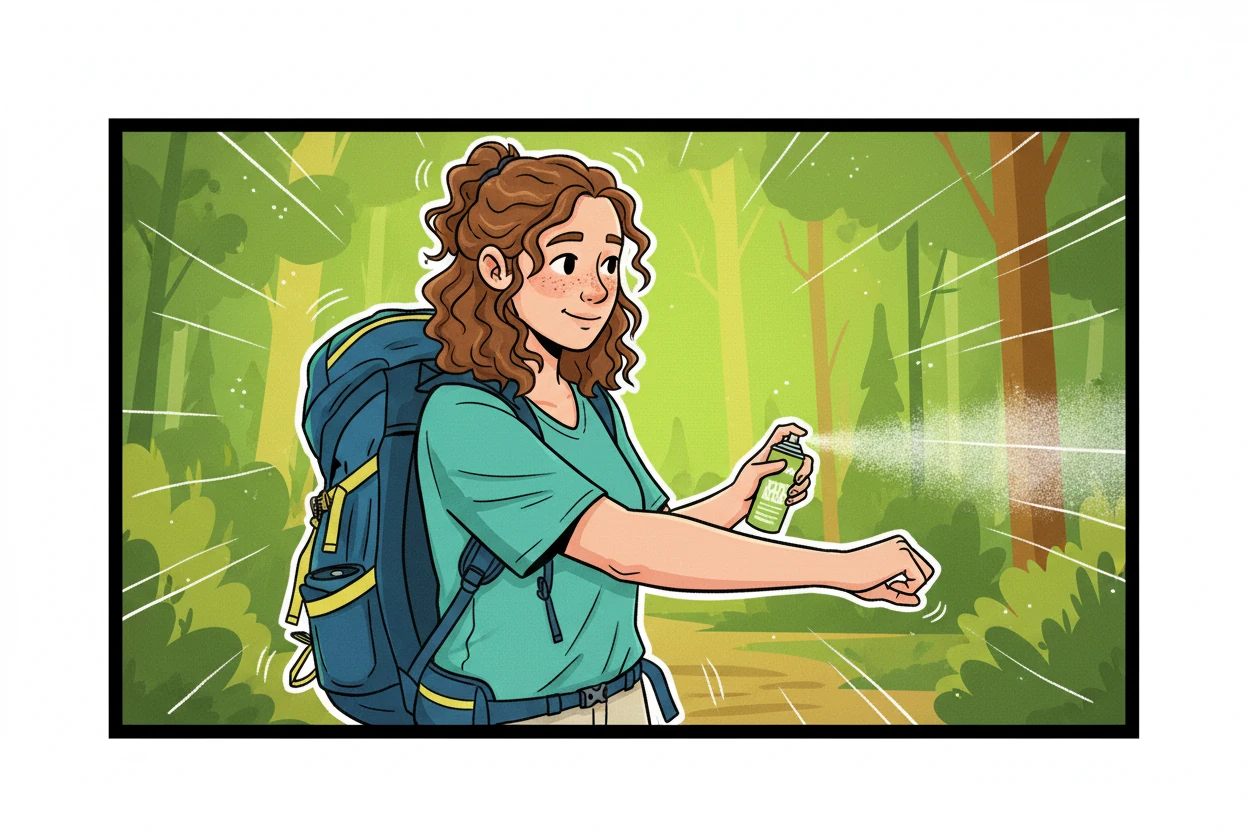
As COVID-19 transitions from pandemic to endemic status, future management strategies are evolving toward targeted, less disruptive prevention measures tailored to local epidemiology89. These include localized wastewater surveillance to detect outbreaks early, adaptive masking policies, and improvements in indoor air quality through ventilation and filtration systems895. Such approaches aim to minimize social and economic disruption while maintaining effective control of virus spread.
The future of COVID-19 management lies in balancing effective control with minimizing societal disruption. Tools like wastewater surveillance and improved indoor air quality offer promising ways to detect and reduce transmission without broad lockdowns589.
Experts emphasize the importance of readiness to escalate interventions promptly in response to emerging variants or local surges38. COVID-19 is expected to exhibit seasonal patterns similar to influenza, necessitating ongoing vaccination campaigns and antiviral treatments to mitigate risks2109. The emergence of less virulent variants combined with population immunity may lead to a more stable endemic state, but vigilance remains critical due to the potential for new variants to arise3.
Sustained COVID-19 control depends on continued vaccination updates, therapeutic availability, and robust variant surveillance10. The acute pandemic phase is ending, but the need for adaptive, evidence-based public health measures persists to protect vulnerable populations and maintain healthcare system capacity32.
- Non-pharmaceutical interventions are shifting toward targeted, less disruptive measures4.
- Wastewater surveillance is valuable for early outbreak detection in localized settings9.
- Targeted interventions in hotspots minimize disruption while controlling spread4.
- Improving indoor air quality reduces respiratory virus transmission risk5.
- Adaptive prevention measures responsive to local epidemiology remain important9.
- Less virulent variants and immunity may lead to a stable endemic state2.
- COVID-19 is expected to become endemic with seasonal patterns like influenza9.
- Ongoing vigilance is required due to potential emergence of new variants3.
- Sustained control depends on vaccination updates, therapeutics, and variant surveillance10.
- The acute pandemic phase is ending, transitioning to endemic management3.