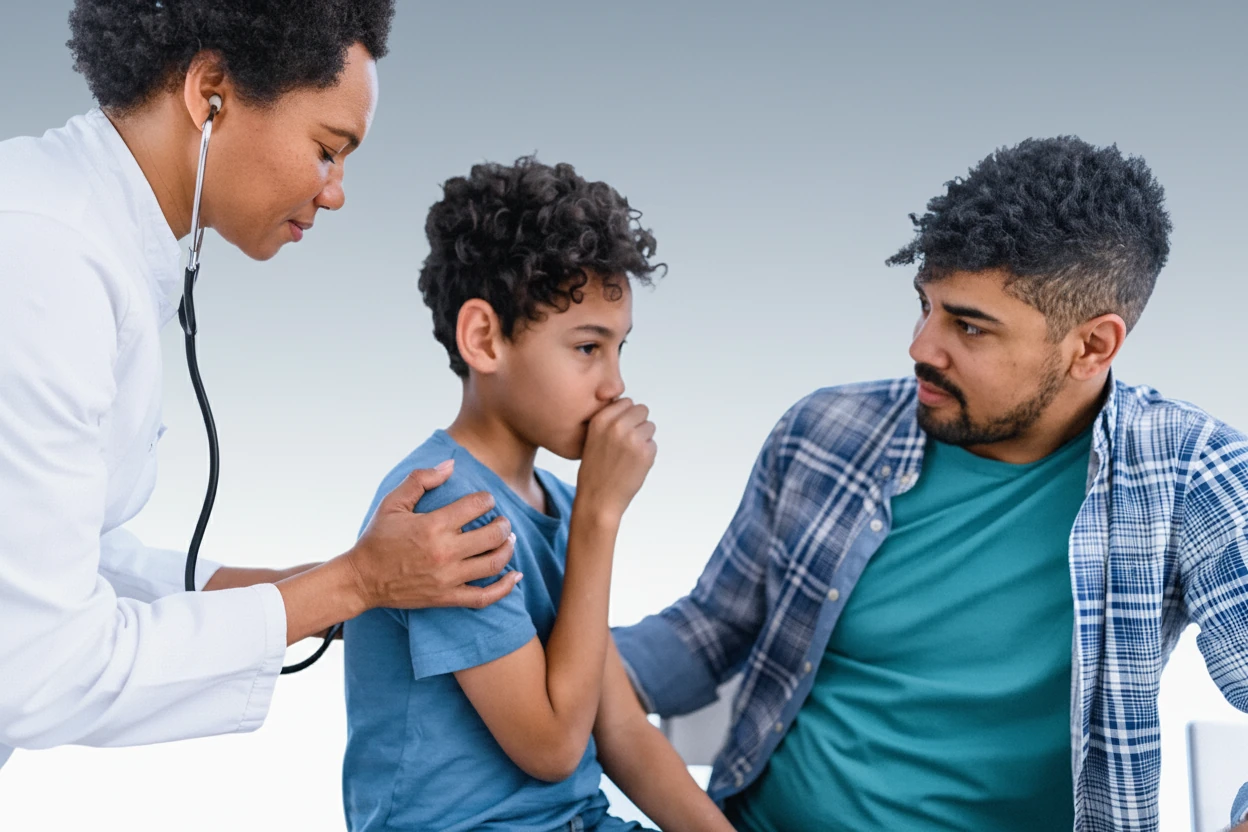
Many people wonder when the best time is to test for covid-test-accuracy-for-eg5-and-ba286-variantscovid-test-accuracy-for-eg5-and-ba286-variants">COVID-19 after symptoms start. Viral load, or the amount of virus in the body, typically peaks around four to five days after symptoms begin, which affects test accuracy1. Testing too early can lead to false-negative results, especially with rapid antigen tests, making timing crucial for accurate detection and preventing spread21.
Why Viral Load Matters When You’re Taking a COVID Test
Viral load refers to the quantity of virus present in a biological sample, such as nasal secretions, and is a key factor in COVID-19 testing accuracy34. Studies show that infectious virus shedding peaks near symptom onset and declines sharply after days 5 to 9, with culture positivity rates dropping from 44-50% early on to under 10% by day 95. This means the amount of virus in the nose and throat is highest around the time symptoms start, but it can take a few days for the viral load to reach levels detectable by some tests.
Rapid antigen tests require a minimum viral load threshold to reliably detect infection, which limits their ability to identify COVID-19 immediately at symptom onset6. Research during the Omicron wave found that viral load peaks around day 4 after symptoms begin, improving the chance that home antigen tests will detect the virus at that time7. Delayed viral load peaks during Omicron infections may explain why testing immediately at symptom onset often results in false negatives with antigen tests58.
Testing strategies that consider timing relative to symptom onset improve detection accuracy and reduce transmission risk49. For example, waiting two days after symptoms start before taking an antigen test can reduce false negatives significantly2. Viral load dynamics also vary between COVID-19 and other respiratory viruses like flu and RSV, which tend to reach detectable levels faster after symptom onset2.
Key points about viral load and testing timing include:
- Viral load peaks around 3 to 5 days after symptoms begin, affecting test sensitivity57.
- Antigen test sensitivity correlates with viral load and is highest around day 3-4 of symptoms1011.
- Testing immediately at symptom onset may miss infections due to low viral load58.
- Delayed viral load peaks are more common with Omicron variants58.
- Timing tests to viral load peaks improves detection and helps reduce virus spread49.
💡 Did You Know?
Testing right away when symptoms appear can result in a false negative up to 92% of the time with rapid antigen tests, but waiting two days lowers this rate to about 70%2.
PCR Tests Remain the Gold Standard of COVID Testing
Polymerase chain reaction (PCR) tests detect viral RNA with very high sensitivity, making them the gold standard for diagnosing COVID-1912. PCR tests can identify infection earlier than antigen tests because they detect much lower concentrations of viral genetic material13. This high sensitivity allows PCR to remain positive longer after symptom onset, with the highest sensitivity within the first 14 days of symptoms1415.
PCR tests are usually performed in laboratories with standardized procedures, which reduces the risk of false negatives due to sampling or processing errors1617. In contrast, antigen tests, especially those done at home, are more prone to user error and environmental factors that can reduce accuracy1318. Improper sample collection or incorrect test execution can cause false negatives with antigen tests1920.
PCR testing is particularly useful for confirming infection when antigen tests are negative but symptoms persist. However, PCR tests may take longer to return results, often up to three days, and are less convenient than rapid antigen tests1221.
Important considerations about PCR testing:
- PCR tests detect viral RNA at much lower levels than antigen tests, increasing sensitivity13.
- Sensitivity of PCR is highest within 14 days after symptom onset1415.
- Laboratory-based PCR testing reduces false negatives through standardized methods1617.
- PCR tests are recommended to confirm negative antigen tests in symptomatic individuals1214.
- PCR results may take longer but provide more reliable detection, especially early in infection1221.
A negative rapid antigen test early in symptoms may miss infection due to low viral load. Retesting after 48 hours or using a PCR test improves detection and helps prevent unknowingly spreading COVID-19112430.
A Negative COVID Test Doesn’t Mean You Don’t Have the Virus
A negative COVID-19 test result, especially from a rapid antigen test, does not always rule out infection11. False negatives are common early in infection due to low viral loads that fall below the detection threshold of antigen tests1123. The Centers for Disease Control and Prevention (CDC) recommends retesting after 48 hours or using a PCR test if symptoms persist despite a negative antigen test24.
Because viral shedding and infectiousness peak near symptom onset but may precede positive antigen test results, individuals should exercise caution even if their initial test is negative510. Isolation during symptomatic periods is important to reduce transmission risk from COVID-19 and other respiratory viruses825.
💡 Did You Know?
The FDA requires manufacturers of authorized antigen tests to update labeling recommending repeat testing at least twice over three days for symptomatic individuals to reduce false negatives30.
Other respiratory illnesses such as influenza and respiratory syncytial virus (RSV) can cause similar symptoms and also require isolation to prevent spread1526. Therefore, symptomatic individuals should avoid public contact regardless of test results2728.
Key advice for interpreting negative tests and managing symptoms:
- A single negative antigen test does not rule out COVID-19 infection, especially if symptomatic1129.
- Retest with antigen tests after 48 hours or get a PCR test if symptoms continue24.
- Isolation is recommended during respiratory symptoms to reduce transmission risk825.
- Negative PCR tests do not completely exclude infectiousness; caution is advised9.
- Other respiratory viruses can cause symptoms and spread; isolation helps prevent transmission271526.