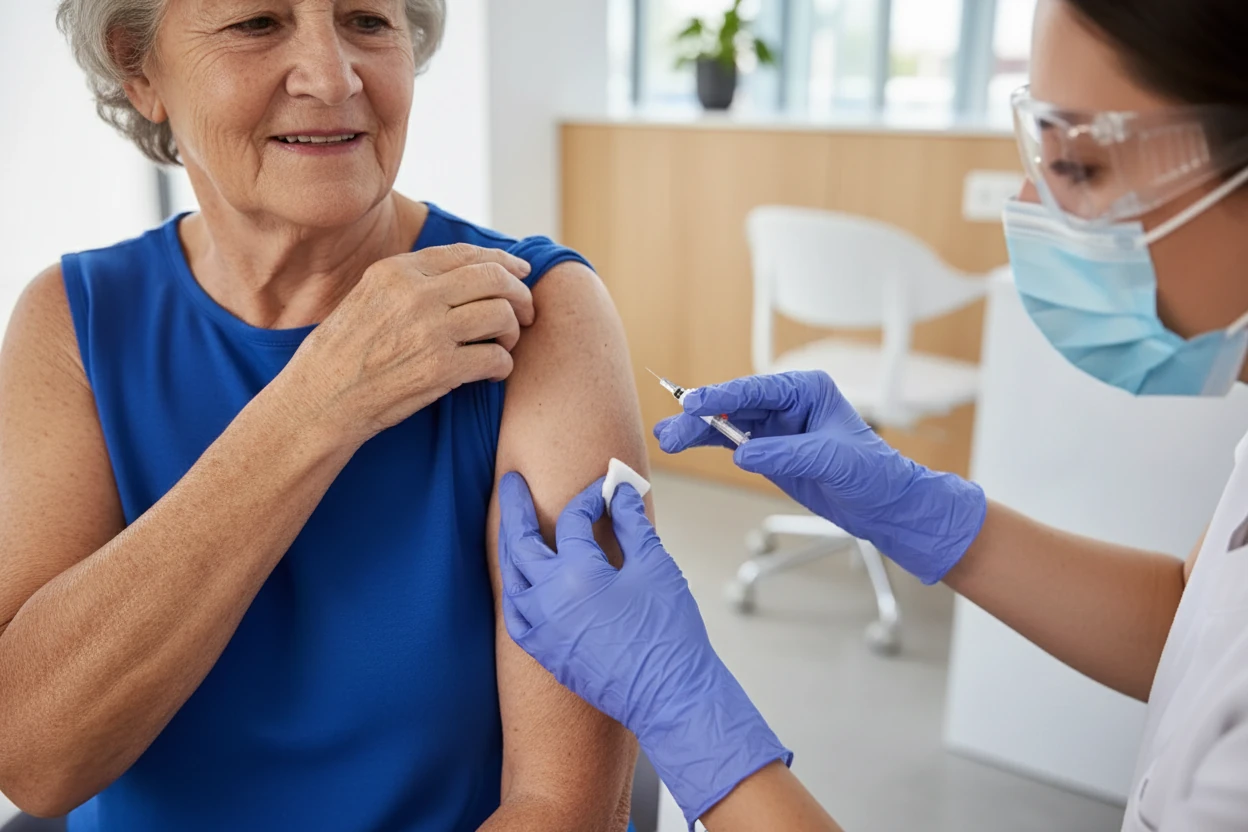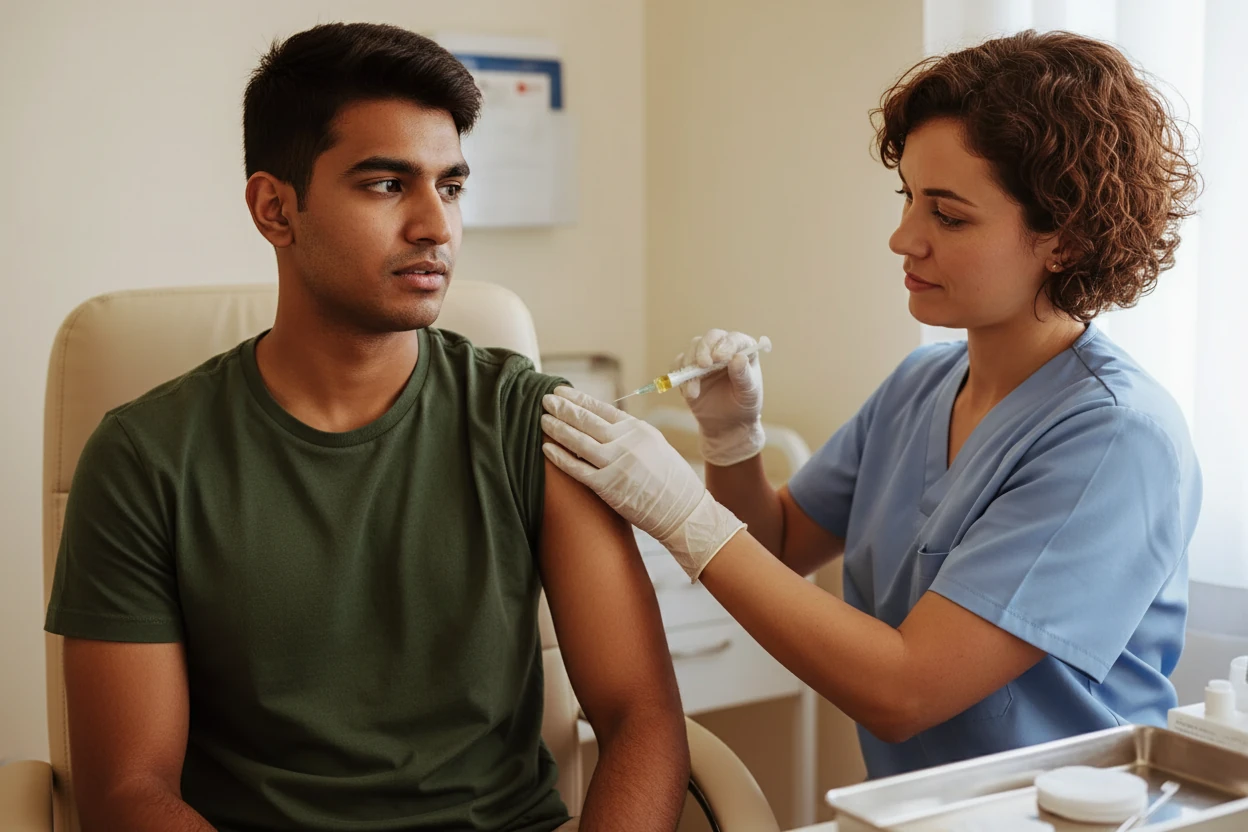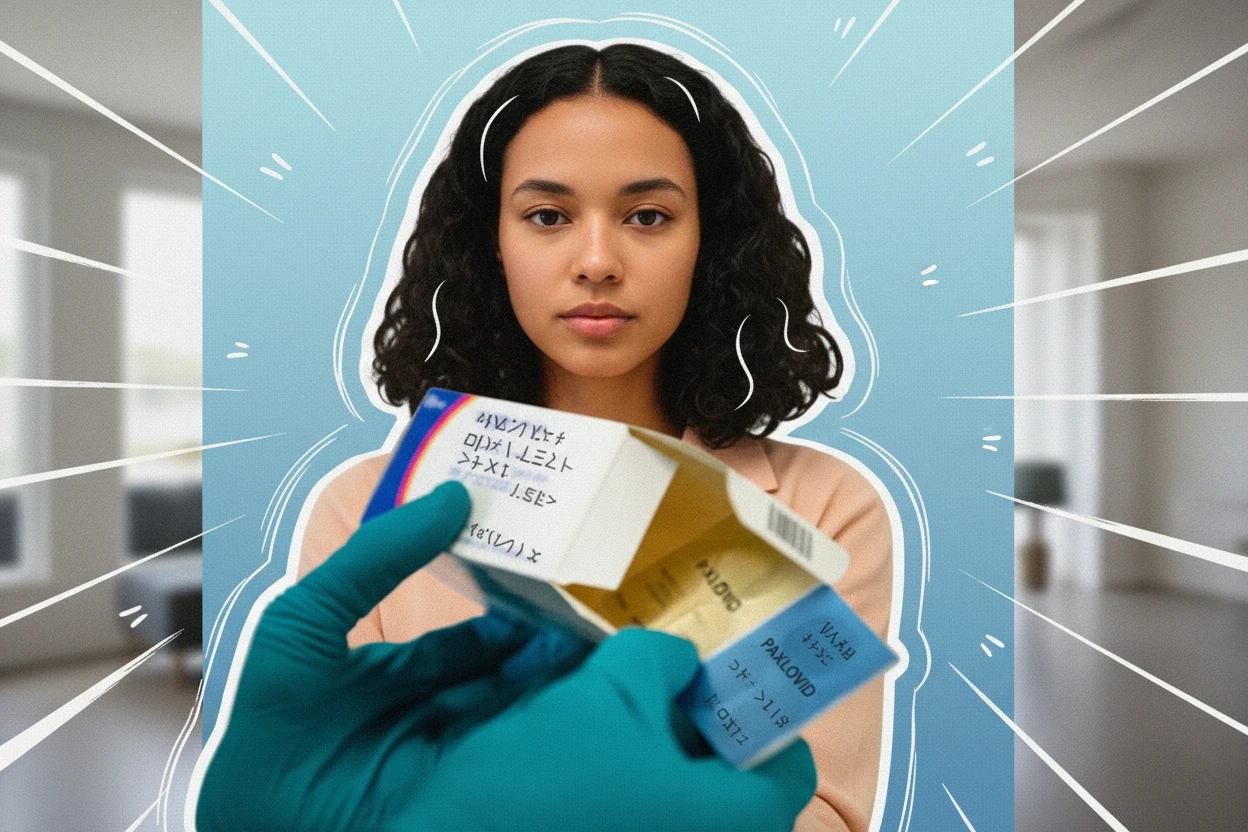
Vaccine shedding is often misunderstood and sometimes causes concern among the public. It refers to the release of virus particles from a vaccinated person, but this phenomenon only occurs with certain types of vaccines and rarely leads to transmission or illness in others1. Importantly, COVID-19 vaccines authorized worldwide do not contain live virus and therefore cannot cause vaccine shedding2. Understanding the science behind vaccine shedding can help clarify misconceptions and support informed decisions about vaccination3.
Understanding Vaccine Shedding
Vaccine shedding is the release of weakened virus particles from a vaccinated individual, typically occurring only after receiving a live-attenuated vaccine. These vaccines contain weakened but replication-competent viruses that can replicate to a limited extent in the host, sometimes leading to detectable viral particles in bodily fluids such as nasal secretions or stool4. However, shedding rarely results in transmission or disease in contacts, especially among healthy, immunocompetent individuals1.
Vaccine shedding is biologically impossible with non-live vaccines such as mRNA, protein subunit, or inactivated vaccines because these do not contain replicating virus5. The attenuated viruses shed are much weaker than wild-type viruses and are unlikely to cause illness. Transmission through shedding is uncommon and mainly a concern for immunocompromised or pregnant contacts, who may be more vulnerable3.
Viral shedding generally refers to virus particles leaving an infected person through nasal, oral, or other secretions, which can lead to disease spread. In contrast, vaccine shedding involves only weakened vaccine viruses and is less likely to cause infection6.
💡 Did You Know?
The odds of shedding infectious virus from days 6 to 12 post-onset were lower among vaccinated participants than unvaccinated participants7.
Vaccine Types Explained
Vaccines come in various types, each designed to stimulate the immune system differently. Understanding these types helps explain which vaccines can cause shedding and which cannot.
Conjugate, Polysaccharide, Recombinant, and Subunit
These vaccines contain specific parts or proteins of the pathogen rather than live virus. Protein subunit vaccines, for example, include only certain viral proteins to trigger immunity without introducing live virus8. These vaccines are generally safe for most populations, including immunocompromised individuals, and typically require booster doses to maintain immunity910.
Inactivated
Inactivated vaccines use killed pathogens to stimulate an immune response without causing disease. Since the virus is not alive, these vaccines cannot replicate or shed virus particles11. Immunity from inactivated vaccines tends to be less durable than live vaccines, often necessitating booster doses12.
Live-Attenuated
Live-attenuated vaccines contain weakened live viruses that replicate in the host to induce immunity. This replication can lead to limited viral shedding detectable in nasal secretions or stool13. Examples include varicella (chickenpox), measles-mumps-rubella (MMR), nasal influenza vaccine, rotavirus, and oral typhoid vaccines14.
Live vaccines often provide more robust and durable immunity than inactivated vaccines and may require fewer doses1516. However, they are contraindicated in immunocompromised and pregnant individuals due to potential risks from viral replication and shedding17.
Messenger RNA
mRNA vaccines deliver genetic instructions to cells to produce viral proteins, such as the spike protein in COVID-19 vaccines, eliciting an immune response without containing live virus18. These vaccines do not replicate or shed virus particles19.
Toxoid
Toxoid vaccines use inactivated toxins produced by bacteria to stimulate immunity. Since they do not contain live pathogens, they cannot cause shedding.
Viral Vector
Viral vector vaccines use a harmless virus to deliver genetic material from the target pathogen. Some viral vector vaccines, like Johnson & Johnson and AstraZeneca COVID-19 vaccines, use non-replicating adenoviruses, meaning they cannot replicate or shed virus20.
| Vaccine Type | Contains Live Virus? | Can Shed Virus? | Typical Immunity Duration | Booster Needed? |
|---|---|---|---|---|
| Live-Attenuated | Yes | Yes | Long-lasting | Usually no |
| Inactivated | No | No | Moderate | Yes |
| Protein Subunit | No | No | Moderate | Yes |
| mRNA | No | No | Moderate to long | Yes |
| Viral Vector (non-replicating) | No | No | Moderate | Yes |
| Toxoid | No | No | Moderate | Yes |
| Sources:891011 | ||||
COVID-19 Vaccine Shedding Facts
COVID-19 vaccines authorized for use globally are either mRNA-based (Pfizer, Moderna) or protein subunit vaccines (Novavax). None of these vaccines contain live, replicating virus, making vaccine virus shedding biologically impossible221. Live-attenuated COVID-19 vaccines are not authorized in the US or most countries22.
Concerns about COVID-19 vaccine shedding are unsupported by scientific evidence and often stem from misinformation2324. The vaccines instruct cells to produce only the spike protein, which is quickly cleared from the body, leaving no opportunity for shedding25. The spike protein itself cannot be shed in significant quantities through respiratory or other secretions6.
Anti-vaccine claims that vaccinated individuals shed spike protein causing menstrual irregularities, miscarriages, or infertility lack scientific basis. The spike protein is cleared within 24 to 48 hours post-vaccination, and vaccines do not target proteins involved in placental formation2520.
Viral shedding is a concern during active COVID-19 infection, where the virus replicates in the nasal cavity and respiratory tract, but not after vaccination26. Vaccination does not cause shedding of the virus or spike protein, and vaccinated individuals do not pose a shedding-related risk to others26.
Vaccines That Can Shed
Vaccine shedding is limited to live-attenuated vaccines, which replicate in the host to induce immunity. Examples of these vaccines include:
- Measles, mumps, and rubella (MMR) vaccine14
- Varicella (chickenpox) vaccine14
- Nasal spray influenza vaccine14
- Rotavirus vaccine14
- Oral typhoid vaccine14
Shedding from these vaccines is generally rare and, when it occurs, usually does not cause illness in others1. Transmission through shedding is uncommon but can pose a risk to immunocompromised or pregnant contacts, who are advised to avoid live vaccines17.
The oral polio vaccine (OPV) is the only live-attenuated vaccine known to cause significant infections related to shedding, primarily through fecal-oral transmission. Normal hygiene practices prevent infection in healthy individuals13.
Two doses of varicella vaccine provide about 90% protection against chickenpox, and MMR vaccine effectiveness is approximately 97% for measles, 93% for rubella, and 78% for mumps2728. The nasal live influenza vaccine is contraindicated in pregnancy and immunocompromised persons due to shedding risks29.
“Anything that causes stress, inflammation, and an immune response may have an effect on the menstrual cycle. Could it be that the vaccine causes a temporary change in menses? Sure, it's possible, and it's being looked at.”
— Zubin Damania, ZDoggMD25
Vaccination schedules for rotavirus and typhoid vaccines vary, with boosters recommended every few years for typhoid3031.
List: Key Points About Live-Attenuated Vaccine Shedding
- Shedding occurs only with live-attenuated vaccines that replicate in the host32
- Shed virus particles are weakened and less likely to cause disease6
- Transmission from shedding is rare and usually mild if it occurs3
- Immunocompromised and pregnant individuals should avoid live vaccines due to shedding risks17
- OPV is the only vaccine with notable shedding-related infections, preventable by hygiene1
Key Takeaways
- Vaccine shedding is a phenomenon exclusive to live-attenuated vaccines that contain weakened, replicating viruses33.
- COVID-19 vaccines authorized globally are mRNA or protein subunit vaccines that do not contain live virus and cannot cause shedding2.
- Shedding from live vaccines is rare and typically does not cause illness in healthy contacts, but caution is advised for immunocompromised or pregnant individuals34.
- Misinformation about COVID-19 vaccine shedding contributes to vaccine hesitancy despite no scientific evidence supporting these claims22.
- Healthcare professionals are valuable resources for addressing vaccine safety and shedding concerns35.