Since 2021, the H5N1 bird flu virus has caused one of the largest avian influenzainfluenza-b-flu-b-symptoms-treatment-and-preventioninfluenza-b-flu-b-symptoms-treatment-and-preventioninfluenza outbreaks globally, severely impacting wild birds, poultry, and dairy cattle in the United States1. The virus’s spread has raised concerns about potential human infections and the risk of a future pandemic, although human cases remain rare and mostly linked to close contact with infected animals2. Missouri has recently reported a notable human case with unusual symptoms, highlighting the need for vigilance and public health preparedness3.
Bird Flu Basics and Transmission
Bird flu, or avian influenza, is caused by influenza A viruses that primarily infect birds but can also infect other animals and humans4. The H5N1 subtype, first detected in China in 1996, has caused repeated global outbreaks and is carried naturally by wild aquatic birds, which serve as reservoirs3. The virus spreads among birds through fecal droppings, saliva, and nasal discharges, especially along migratory flyways where wild birds intermingle5.
Avian influenza viruses spread among birds through fecal droppings, saliva, and nasal discharges. Migratory birds carry the virus along North American flyways, increasing the risk of transmission to domestic poultry and other animals. Human infections remain rare and typically occur after close exposure to infected animals56.
Transmission to mammals, including cattle and humans, has been documented. Infected dairy cattle often show mild symptoms but shed high amounts of virus in their milk, posing a risk to handlers2. Human infections are rare and usually occur after direct or close contact with infected birds or contaminated environments6. Symptoms in humans range from mild conjunctivitis and respiratory illness to severe neurological complications such as encephalitis and seizures47.
The virus has not yet acquired mutations that allow efficient human-to-human transmission, which is critical for a pandemic to occur8. Current strains circulating in the US have not demonstrated sustained human spread, and isolated human cases do not indicate community transmission4. Surveillance and biosecurity measures remain essential to control the virus and prevent spillover events9.
- Avian influenza viruses are influenza A viruses naturally found in bird populations5.
- H5N1 spreads primarily through contact with infected bird secretions and feces5.
- Wild aquatic birds are the natural reservoir, facilitating geographic spread via migration3.
- Spillover infections have occurred in mammals including cattle and humans2.
- Human infections are linked to close contact with infected animals or contaminated environments6.
Missouri Bird Flu Outbreak Details
Missouri is currently experiencing an outbreak of Highly Pathogenic Avian Influenza (HPAI), confirmed through testing of sick and dead waterfowl such as geese, ducks, and raptors11. The virus spreads among birds through contact with infected feces, saliva, or nasal discharges, and migratory birds play a key role in its geographic dissemination12. The Missouri Department of Conservation has urged caution, especially for hunters and those handling wild birds, to prevent virus spread and protect susceptible wildlife like bald eagles13.
Experts including Dr. Richard Webby acknowledge uncertainty about the infection source in Missouri, emphasizing the need for strengthened public health preparedness3.
In August 2024, Missouri reported a human case of H5N1 infection with an unusual presentation dominated by gastrointestinal symptoms rather than the typical respiratory signs14. The patient’s respiratory sample initially tested positive for influenza A and was later confirmed as H5N1 by state and CDC laboratories14. Despite extensive investigation, the source of infection remains unknown, puzzling experts3. The patient recovered fully without severe respiratory illness14.
No secondary transmission has been confirmed from this case. Household contacts and healthcare workers exposed to the patient were monitored; some had symptoms but were not tested, while those tested were negative for H5N114. This case highlights challenges in surveillance and the importance of timely testing within exposure windows14.
- Missouri is investigating multiple reports of sick and dead waterfowl and raptors with confirmed HPAI11.
- The virus spreads between wild birds and domestic poultry through infected secretions12.
- Hunters are advised to dress game birds away from poultry, dispose of carcasses properly, and dry gear between trips13.
- The Missouri human case presented with gastrointestinal symptoms and recovered without severe respiratory illness14.
- No confirmed secondary transmission from the Missouri case has occurred14.
Bird Flu Risk Assessment for Humans
The risk of bird flu causing a human pandemic depends on the virus acquiring genetic changes that enable efficient human-to-human transmission, which has not yet occurred8. Past influenza pandemics originated from avian viruses adapting to humans, underscoring the importance of monitoring viral mutations closely15. The CDC currently assesses the public risk as low despite recent human cases6.
Pets, especially cats, can be susceptible to serious bird flu infections, so raw food or raw milk products should not be fed to them18.
Human infections with H5N1 remain rare and are mostly linked to direct contact with infected poultry or cattle4. As of September 2024, at least 18 human cases have been confirmed in the US, primarily among farm workers exposed to infected animals3. Clinical presentations vary from mild conjunctivitis and respiratory symptoms to severe neurological disease, but no fatalities have been reported in US cases to date34.
The Missouri case was notable for its atypical gastrointestinal symptoms without classic respiratory signs, which complicates detection and surveillance14. The absence of secondary transmission so far is reassuring but highlights the need for vigilance in testing exposed contacts and healthcare workers14.
- Sustained human-to-human transmission of H5N1 is currently rare and unlikely4.
- Genetic mutations are required for efficient human transmission8.
- Most human cases are linked to close contact with infected animals6.
- Clinical symptoms range from mild eye redness to severe respiratory and neurological illness47.
- No deaths have occurred in US human cases so far3.
Preventing Bird Flu Infection
Preventive measures focus on minimizing human contact with infected animals and contaminated environments to reduce infection risk and limit opportunities for viral mutation116. Farm workers, hunters, and others in close contact with birds or dairy cattle should take precautions such as wearing protective clothing and practicing good hygiene6.
Consuming only pasteurized dairy products is critical, as infected cows can shed large amounts of virus in milk, which remains infectious if unpasteurized1. Cooking poultry to an internal temperature of 165°F effectively destroys the virus, making properly handled and cooked meat safe to eat11.
It is safe to eat properly handled and cooked poultry. Cooking meat to an internal temperature of 165°F helps destroy the virus if present11.
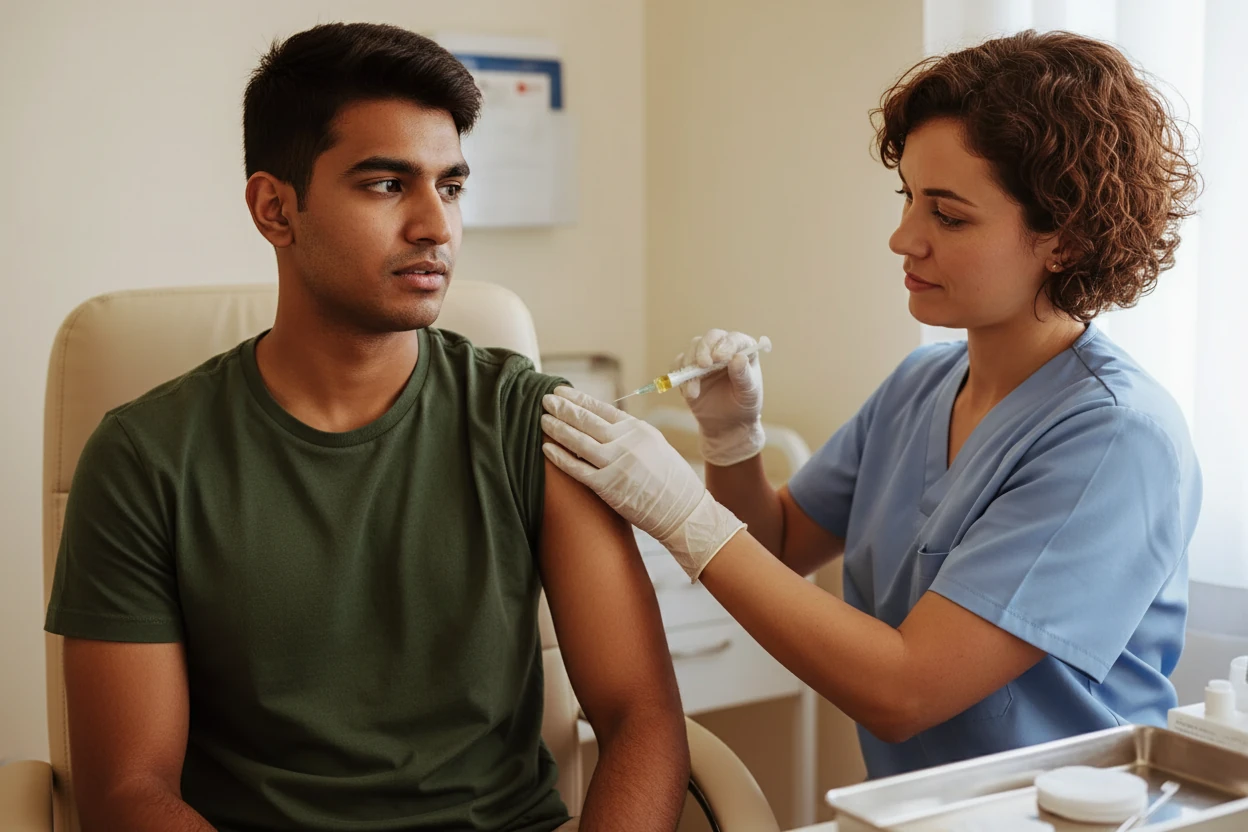
Seasonal influenza vaccination is recommended to reduce the risk of co-infections with human flu viruses, which could facilitate viral reassortment and increase pandemic risk7. Public health agencies emphasize that avoiding exposure to sick or dead birds and reporting sightings of affected wildlife helps control virus spread10.
- Avoid contact with infected or potentially infected birds and mammals, especially for farm workers6.
- Wear gloves and protective clothing when handling birds or animal products17.
- Consume only pasteurized milk and properly cooked poultry products111.
- Get seasonal flu vaccination to reduce co-infection risks7.
- Report sightings of dead or sick waterfowl and raptors to local authorities10.
| Preventive Measure | Purpose | Notes |
|---|---|---|
| Avoid contact with sick birds | Reduce direct viral exposure | Especially important for hunters and farm workers6 |
| Use protective clothing | Prevent virus entry via skin or mucosa | Gloves, masks, and hand hygiene recommended17 |
| Consume pasteurized dairy | Inactivate virus in milk | Raw milk poses a higher risk1 |
| Cook poultry to 165°F | Destroy virus in meat | Safe to eat properly handled poultry11 |
| Seasonal flu vaccination | Reduce co-infection and reassortment risk | Helps prevent severe illness7 |