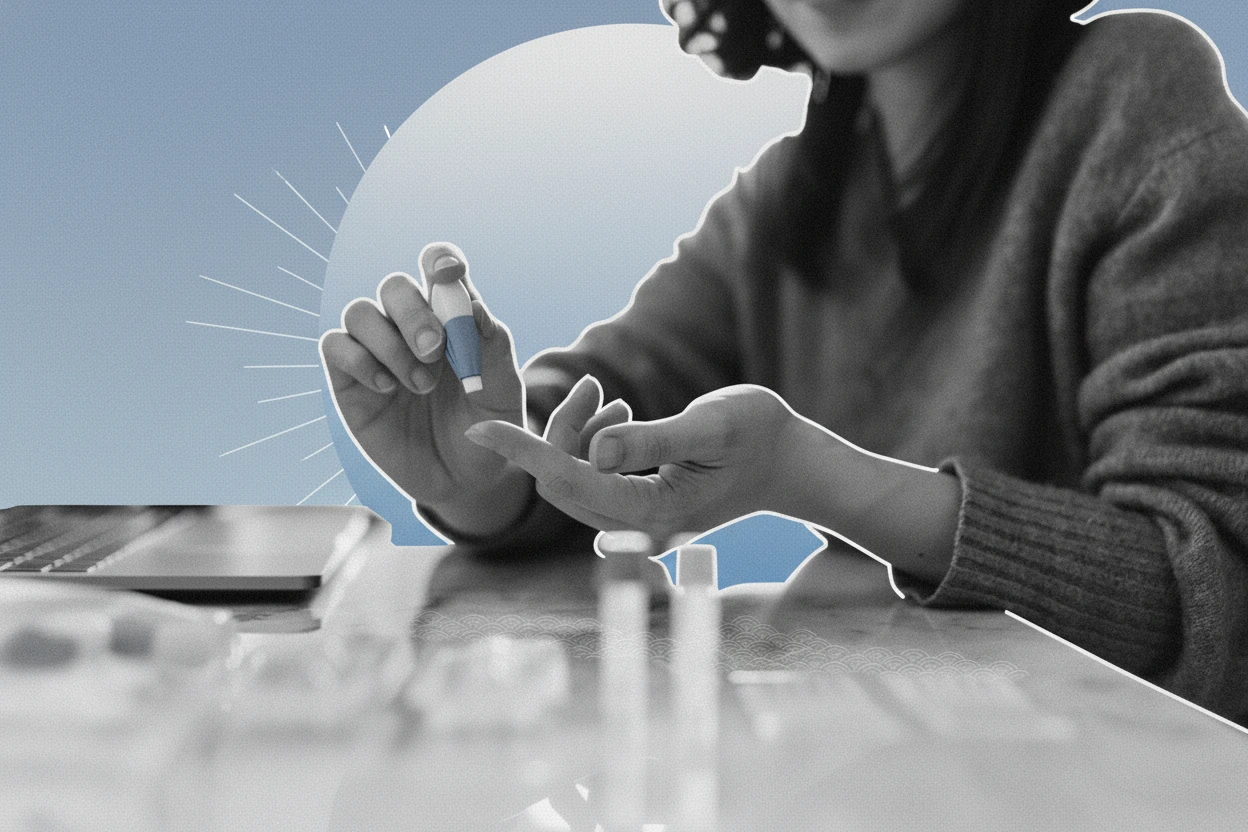
Traveling with type 2 diabetes requires careful planning to maintain blood sugar control and avoid complications. Changes in routine, time zones, and environments can affect glucose levels, making it important to stay vigilant. Simple strategies like staying hydrated and moving regularly can prevent issues such as dehydration and blood clots during long trips12. Following practical guidelines helps ensure a safe and enjoyable travel experience for people managing type 2 diabetes-mellitus-symptoms-causes-and-treatmentdiabetes-mellitus-symptoms-causes-and-treatmentdiabetes-managementdiabetes-managementdiabetes3.
1. Optimize Blood Sugar Monitoring: The Role of Continuous Glucose Monitors (CGM) While Traveling
Wearing a continuous glucose monitor (CGM) is highly recommended for people with type 2 diabetes who need frequent blood sugar monitoring, especially during travel. A CGM uses a small sensor attached to the skin to provide real-time glucose readings, which are sent to a smartphone app or receiver. This technology helps detect hypoglycemia (low blood sugar) and hyperglycemia (high blood sugar) early, allowing timely adjustments to medication, food intake, or activity45.
CGMs are particularly useful when traveling across time zones or when usual meal and activity schedules are disrupted. They provide continuous data without the need for frequent fingerstick tests, making glucose management more convenient and accurate on the go6. However, users should work with their healthcare provider to understand how to interpret CGM data and make informed decisions during travel5.
At airport security, CGMs like the Dexcom G7 can remain in place during screening. Travelers can request hand inspection instead of passing through X-ray or body scanners to avoid potential device damage. The Dexcom G7 is safe to use on planes and can operate in airplane mode, allowing continuous glucose monitoring during flights6.
"If you take a medication that puts you at risk for low blood sugar (hypoglycemia), consider bringing glucose tablets. Treat blood sugar under 70 mg/dL with 15 grams of carbohydrates, like four glucose tablets or 4 ounces of juice or regular soda."
— Emma Rueth, RD, LD, CDCES, Cleveland Clinic3
2. Essential Packing List: Why Extra Diabetes Supplies are Crucial for Travel
It is essential to pack at least twice the amount of diabetes medication and supplies you expect to need for your trip. This precaution helps cover unexpected delays, lost items, or changes in your health status while traveling738. Always carry your medications and supplies in your carry-on luggage to avoid loss or exposure to extreme temperatures in checked baggage910.
Key items to pack include:
- Insulin and injectable medications, along with needles or pens38
- Blood glucose meters, test strips, lancets, and extra batteries98
- Continuous glucose monitor sensors and chargers if applicable6
- Glucose tablets or fast-acting carbohydrate sources for treating low blood sugar35
- A medical ID bracelet or necklace indicating your diabetes status and any allergies38
Carrying prescription labels and a doctor's note explaining your condition and medications can facilitate airport security checks and customs clearance, although these are not strictly required310. Packing medications in clear, sealable bags within your carry-on helps streamline security screening10.
3. Maintaining Treatment Adherence: How to Stick to Your Diabetes Medication Schedule While Traveling
Traveling, especially across time zones, can disrupt your usual medication and meal timing, which may affect blood sugar control. To maintain effective diabetes management, it is important to adjust medication schedules to align with local meal times and daily routines at your destination798.
Setting alarms or reminders on your phone can help you remember when to take medications and check blood sugar levels, preventing missed doses or irregular timing13. When crossing time zones:
- Eastbound travel shortens the day, often requiring less insulin or medication8
- Westbound travel lengthens the day, possibly increasing medication needs8
Consult your healthcare provider before traveling to plan appropriate medication adjustments based on your itinerary98. Maintaining a consistent medication schedule supports stable blood glucose levels and reduces the risk of hypoglycemia or hyperglycemia during travel3.
Stay hydrated. Walk up and down the aisle of the plane every hour to prevent blood clots. Remember to stop and get out of the car every hour to prevent blood clots. Set an alarm on your phone for taking medicine if you're traveling across time zones, which can throw off your eating habits and exercise routine1.
4. Navigating Travel Nutrition: Strategies for Careful Meal Planning with Type 2 Diabetes
Travel often disrupts normal eating patterns, which can lead to blood sugar fluctuations. Delayed meals, unfamiliar foods, and changes in activity levels require careful meal planning to maintain glycemic control258.
Keep these tips in mind when planning meals:
- Carry healthy snacks such as nuts, fresh fruit, or whole-grain crackers to avoid low blood sugar during delays or long travel segments39
- Ask flight attendants or tour guides about meal times to coordinate medication and food intake appropriately5
- Choose meals with a balance of protein, fiber, and healthy fats to stabilize blood sugar5
- Enjoy local cuisine in moderation and monitor blood sugar before and after meals to understand how new foods affect you28
- Avoid high-fat or sugary convenience foods that can cause blood sugar spikes2
When traveling by car, bring a cooler with healthy foods and plenty of water to maintain nutrition and hydration2. Planning meals carefully helps prevent both hypoglycemia and hyperglycemia, supporting a more comfortable travel experience.
5. The Importance of Hydration: Why Water Intake is Key for Diabetics During Travel
Dehydration can worsen blood sugar control and increase the risk of complications for people with diabetes, especially in hot or high-altitude environments117. Drinking plenty of water is crucial during travel to maintain hydration and support glucose regulation39.
Avoid alcohol and sugary drinks, as they can contribute to dehydration and raise blood sugar levels79. In tropical or mountainous regions, where dehydration risk is higher, prioritize fluid intake and stay in cool, shaded areas when possible79.
During flights and long drives, take breaks to walk and drink water regularly to prevent dehydration and reduce the risk of blood clots19. Carry a reusable water bottle to stay hydrated throughout your journey3.
Staying hydrated is a key strategy for managing type 2 diabetes during travel. Dehydration concentrates blood sugar, increasing the risk of hyperglycemia. Drinking water regularly, especially in hot or high-altitude locations, supports better glucose control and overall health1137.
6. Comprehensive Travel Advice: Final Recommendations for Diabetics on the Go
Traveling with type 2 diabetes requires proactive planning and self-care to maintain blood sugar control and prevent complications. Key strategies include using a continuous glucose monitor for real-time glucose tracking, packing extra medications and supplies, and adhering to your medication schedule despite time zone changes438.
Careful meal planning and staying hydrated with water help stabilize blood sugar and reduce risks associated with dehydration and unfamiliar foods739. Regular movement during travel, such as walking during flights or breaks on road trips, prevents blood clots and supports circulation19.
Before traveling, consult your healthcare provider to discuss your specific needs, medication adjustments, and emergency plans. With thoughtful preparation, type 2 diabetes should not limit your ability to enjoy travel and new experiences.