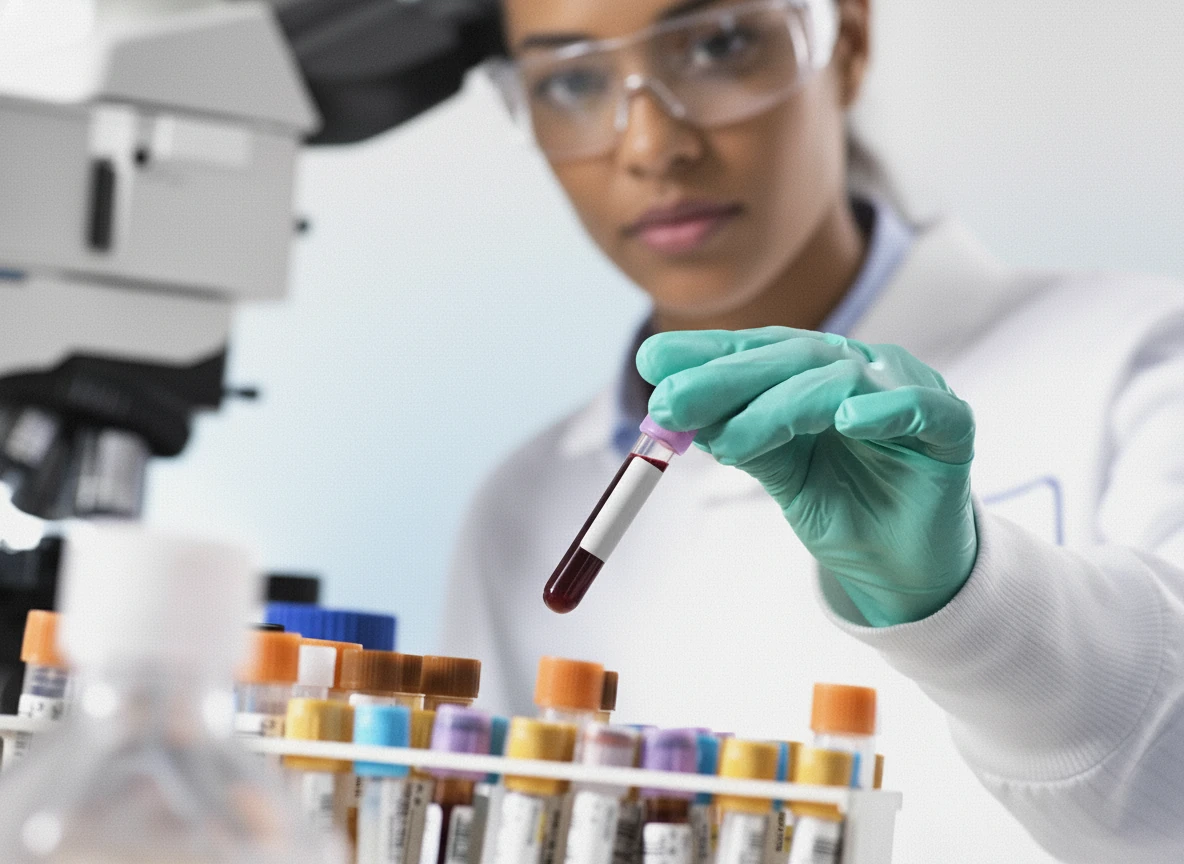
Type 2 diabetes is a widespread chronic condition characterized by high blood sugar levels due to insulin resistance and impaired insulin secretion1. Early diagnosis is essential to prevent serious complications such as cardiovascular disease, kidney failure, and vision loss2. Screening and diagnostic testing are recommended for individuals with risk factors like obesity, family history, and age over 45 to enable timely intervention34.
Diagnosing Type 2 Diabetes
Type 2 diabetes diagnosis relies on measuring blood glucose levels or glycated hemoglobin (A1C) using standardized laboratory tests. Diagnosis requires confirmatory testing on a different day unless symptoms of hyperglycemia are clear and blood glucose is unequivocally high56.
A1C Test
The A1C test measures the percentage of hemoglobin molecules in red blood cells that are bound to glucose, reflecting average blood sugar levels over the previous two to three months57. It is also known as glycated hemoglobin or HbA1c. The test does not require fasting and is convenient for routine screening8.
- An A1C level of 6.5% or higher indicates diabetesdiabetesdiabetes-managementdiabetes-managementdiabetes56.
- Levels between 5.7% and 6.4% indicate prediabetes, a high-risk state for developing diabetes58.
- Below 5.7% is considered normal8.
The A1C test should be performed in a laboratory certified by the National Glycohemoglobin Standardization Program (NGSP) and standardized to the Diabetes Control and Complications Trial (DCCT) reference assay6. Certain conditions like hemoglobinopathies, anemia, or recent blood loss can affect accuracy and should be considered when interpreting results9.
Oral Glucose Tolerance Test
The oral glucose tolerance test (OGTT) assesses the body's ability to process glucose. After fasting, the patient drinks a glucose-rich beverage, and blood glucose is measured two hours later56.
- A 2-hour plasma glucose level of 200 mg/dL (11.1 mmol/L) or higher confirms diabetes58.
- Levels between 140 and 199 mg/dL indicate prediabetes58.
- Below 140 mg/dL is normal8.
The OGTT is particularly useful when A1C or fasting glucose results are inconclusive. It is also the standard test for diagnosing gestational diabetes during pregnancy106.
Fasting Plasma Glucose
The fasting plasma glucose (FPG) test measures blood glucose after an overnight fast of at least eight hours56.
- A fasting glucose level of 126 mg/dL (7.0 mmol/L) or higher indicates diabetes58.
- Levels between 100 and 125 mg/dL suggest prediabetes58.
- Below 100 mg/dL is normal8.
FPG is a common initial test for diabetes screening during routine health visits3. Elevated results require confirmation by repeat testing or an alternative diagnostic test5.
Random Plasma Glucose Test
The random plasma glucose test measures blood sugar at any time regardless of fasting status. It is mainly used when patients present with classic symptoms of hyperglycemia such as increased thirst, frequent urination, and unexplained weight loss59.
- A random plasma glucose level of 200 mg/dL (11.1 mmol/L) or higher with symptoms confirms diabetes59.
This test is convenient for urgent diagnosis but is less commonly used for routine screening9.
| Test Type | Diagnostic Threshold for Diabetes | Prediabetes Range | Notes |
|---|---|---|---|
| A1C | ≥ 6.5% | 5.7% – 6.4% | Reflects average glucose over 2–3 months58 |
| Fasting Plasma Glucose | ≥ 126 mg/dL (7.0 mmol/L) | 100–125 mg/dL (5.6–6.9 mmol/L) | Requires 8-hour fast58 |
| Oral Glucose Tolerance Test | ≥ 200 mg/dL (11.1 mmol/L) (2-hour post-load) | 140–199 mg/dL (7.8–11.0 mmol/L) | Requires glucose drink and 2-hour wait58 |
| Random Plasma Glucose | ≥ 200 mg/dL (11.1 mmol/L) with symptoms | Not applicable | Used with classic hyperglycemia symptoms59 |
Type 2 Diabetes Development
Type 2 diabetes develops progressively, often preceded by a state called prediabetes. Understanding these stages helps guide screening and early intervention.
Prediabetes
Prediabetes is an intermediate metabolic state where blood glucose levels are elevated above normal but do not meet diabetes diagnostic criteria5. It is typically asymptomatic, making screening essential for early detection5.
Risk factors for prediabetes include:
- Age 45 years or older5.
- Overweight or obesity5.
- Family history of diabetes, especially in first-degree relatives5.
- History of cardiovascular disease5.
- History of gestational diabetes5.
Approximately one in three American adults has prediabetes, though many are unaware of their condition4. Early lifestyle interventions can prevent or delay progression to type 2 diabetes5.
Type 2 Diabetes
Type 2 diabetes results from insulin resistance combined with a progressive loss of insulin secretion by pancreatic beta cells12. It accounts for 90–95% of all diabetes cases worldwide2.
Risk factors include:
- Older age2.
- Family history of diabetes5.
- Overweight or obesity5.
- Physical inactivity2.
- Certain ethnicities such as Hispanic, American Indian, Asian, or Black2.
The disease often develops slowly, with many patients diagnosed years after onset. Early diagnosis and management reduce risks of complications such as cardiovascular disease, kidney failure, and vision loss2.
Gestational Diabetes
Gestational diabetes mellitus (GDM) is glucose intolerance first recognized during pregnancy10. It increases the risk of complications for both mother and child and raises the mother's risk of developing type 2 diabetes later in life10.
Diagnosis is made using oral glucose tolerance testing during pregnancy, typically between 24 and 28 weeks gestation106. Women with risk factors such as obesity, advanced maternal age, or history of GDM should be screened early in pregnancy10.
Common Diabetes Complications
Type 2 diabetes is frequently accompanied by multiple comorbidities that complicate management and worsen outcomes11.
Common complications include:
- Cardiovascular disease, including heart attack and stroke11.
- Hypertension (high blood pressure)11.
- Dyslipidemia (abnormal cholesterol levels)11.
- Osteoarthritis11.
- Mental health disorders, especially depression, which is more prevalent in people with diabetes and can hinder self-management11.
Regular monitoring and comprehensive care addressing these comorbidities are essential to improve patient outcomes11.
Type 2 diabetes involves progressive loss of insulin secretion from pancreatic β cells in the setting of insulin resistance and manifests clinically as hyperglycemia2.
Health Screening for Diabetics
Screening for related conditions and complications is a critical component of diabetes care.
Key screening recommendations include:
- Cardiovascular risk assessment, including blood pressure and lipid profile monitoring11.
- Regular eye examinations to detect diabetic retinopathy12.
- Kidney function tests, such as urine albumin-to-creatinine ratio, to detect early nephropathy13.
- Mental health screening for depression and anxiety, given their high prevalence in diabetes patients11.
- Screening for other comorbidities like hypertension and osteoarthritis to optimize overall health11.
Screening should be tailored based on individual risk factors, age, and disease duration1112.
Summary and Key Points
- Type 2 diabetes is diagnosed using blood tests measuring A1C, fasting plasma glucose, oral glucose tolerance, or random plasma glucose with symptoms56.
- Confirmatory testing on a separate day is recommended unless hyperglycemia symptoms are clear5.
- Prediabetes is a high-risk, asymptomatic state that precedes type 2 diabetes and is identified by specific blood glucose thresholds5.
- Gestational diabetes is diagnosed during pregnancy and increases future diabetes risk10.
- Diabetes is commonly associated with cardiovascular disease, hypertension, dyslipidemia, osteoarthritis, and depression, necessitating comprehensive screening11.
- Early diagnosis and management improve outcomes and reduce the risk of complications2.
Key Takeaways
- Early screening and diagnosis prevent complications42.
- A1C, fasting glucose, and OGTT are primary diagnostic tests56.
- Prediabetes offers a critical window for intervention54.
- Comprehensive care includes screening for comorbidities11.
- Gestational diabetes requires special attention during and after pregnancy10.