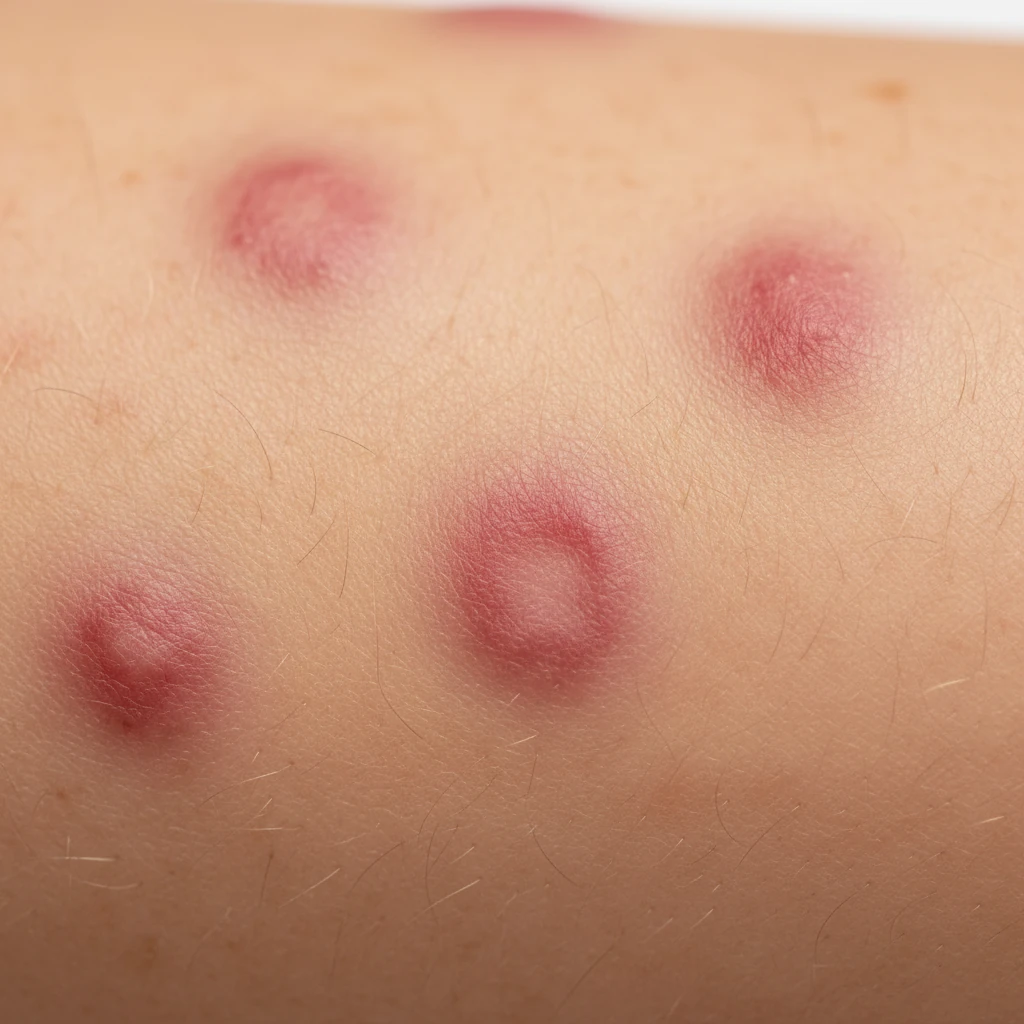
Trypophobia affects a significant portion of the population, with studies suggesting that up to 17–18% of children and adults experience some degree of discomfort or aversion to clustered holes or repetitive patterns12. This condition can cause intense feelings of disgust or fear, sometimes leading to physical symptoms and emotional distress that impact daily life34. Understanding the symptoms, causes, diagnosis, and treatment options is essential for managing this often misunderstood condition.
Recognizing Trypophobia Symptoms
Trypophobia is characterized by an intense and disproportionate fear or disgust toward clusters of holes or repetitive patterns5. The primary emotional response is often disgust rather than fear, although some individuals experience both64. Symptoms typically arise upon exposure to trypophobic stimuli, such as images or objects with clusters of holes or bumps, including honeycombs, lotus seed pods, sponges, and certain skin lesions73.
Common symptoms include:
- Feelings of disgust, aversion, or repulsion89
- Anxiety, dread, or unease8
- Physical sensations such as itching, tingling, or the sensation of skin crawling510
- Goosebumps or chills103
- Nausea or gagging102
- Sweating, rapid heartbeat, and changes in breathing5112
- Trembling or shaking52
- Panic attacks in severe cases, despite low actual danger53
These symptoms can cause significant distress and may lead individuals to avoid visual stimuli that trigger their reactions129. The autonomic nervous system (ANS), which controls involuntary functions like heart rate and perspiration, is often activated during trypophobic episodes, contributing to the physical symptoms experienced1113.
Trypophobia symptoms can resemble panic attacks, including nausea, shaking, rapid breathing, and intense feelings of disgust or terror. These reactions may impair daily functioning and wellbeing25.
Common Causes of Trypophobia
Trypophobia is thought to be a specific phobia involving an exaggerated fear or disgust response to visual patterns of clustered holes or bumps59. Although the exact cause remains unknown, several theories suggest evolutionary and neurological bases for this condition.
One prominent theory posits that trypophobia is an overgeneralized aversion to visual cues associated with danger or disease1415. Clusters of holes may resemble skin diseases, parasites, or poisonous animals, triggering an innate protective response to avoid potential threats141617. For example, the visual features of certain venomous animals share spectral properties with trypophobic images, which may explain why these patterns evoke discomfort17.
Visual discomfort is often linked to images with high-contrast energy at low and midrange spatial frequencies, which are common in trypophobic stimuli418. This may cause the brain to expend more energy processing these patterns, leading to distress1.
Risk Factors
- Female sex: Females report higher rates and more persistent symptoms of trypophobia19204
- Family history: A genetic predisposition may contribute to susceptibility4
- Coexisting mental health conditions: Depression, generalized anxiety disorder (GAD), and social anxiety are commonly associated1934
- Exposure to traumatic experiences or learned fear responses21
- Increased disgust sensitivity and empathic traits6
Trypophobia prevalence estimates vary, but studies suggest that between 7% and 18% of people experience some level of discomfort or aversion to clustered holes22231.
Diagnosing Trypophobia
Trypophobia is not currently recognized as an official diagnosis in the Diagnostic and Statistical Manual of Mental Disorders (DSM-5)522. As a result, there are no standardized diagnostic criteria for trypophobia, and diagnosis is typically based on clinical interviews and symptom evaluation by mental health professionals522.
Trypophobia is considered a specific phobia, characterized by excessive fear or disgust disproportionate to the actual threat posed by the stimulus219. The amygdala, a brain-to-gut-impactbrain-fog-causes-symptoms-and-treatmentbrain region central to processing fear and emotional responses, shows increased activation during fear responses, which may be involved in trypophobia13.
Differential diagnosis is important to rule out other conditions that may mimic trypophobia symptoms, including:
- Panic disorder, which involves repeated panic attacks245
- Obsessive-compulsive disorder (OCD), characterized by compulsions and obsessions245
- Neurological conditions such as central nervous system tumors5
- Psychotic disorders like schizophrenia255
- Agoraphobia, which involves fear of public spaces21
Comprehensive history taking includes assessment of family history, medication use, and comorbidities522. The severity of trypophobia can be measured using validated tools such as the Trypophobia Questionnaire265.
Trypophobia is a specific type of phobia characterized by a fear or strong aversion to clusters of small holes or patterns. People with trypophobia may experience feelings of disgust or fear, as well as other nonspecific symptoms, when encountering stimuli containing irregular patterns or clustered holes9.
Effective Treatment Options
Although trypophobia is not formally classified as a mental disorder, treatment approaches align with those used for specific phobias. The goal is to reduce symptoms and improve daily functioning521.
Behavioral Therapy
Cognitive behavioral therapy (CBT) combined with exposure therapy is the preferred treatment for trypophobia527. CBT focuses on modifying maladaptive thoughts and avoidance behaviors related to trypophobic stimuli527. Exposure therapy involves gradual and systematic exposure to feared images or objects, helping patients desensitize and reduce anxiety over time527.
Anxiety management techniques such as mindfulness, controlled breathing, and relaxation strategies are integral parts of therapy527. Exposure can be conducted in vivo (real-life exposure), imaginal (mental visualization), or interoceptive (exposure to bodily sensations) formats527.
Avoidance behaviors, while providing short-term relief, tend to reinforce phobic fear in the long term. Exposure therapy interrupts this cycle and promotes better coping521.
Trypophobia is considered a type of anxiety disorder or specific phobia. Most people do not have a true fear of holes. Exposure therapy may help manage aversions or repulsions to holey patterns1.
Medications
There are no medications specifically approved for trypophobia. However, pharmacotherapy may be used to manage severe anxiety or panic symptoms associated with the condition5139. Commonly prescribed medications include:
- Benzodiazepines: For short-term relief of acute anxiety or panic attacks9
- Beta-blockers: To reduce physical symptoms such as rapid heartbeat, sweating, and dizziness9
- Antidepressants: Sometimes used for underlying anxiety or depressive disorders59
Medication is typically considered adjunctive to psychotherapy and tailored to the individual's clinical history and symptom severity513.
Prevention and Management
While trypophobia cannot be fully prevented, management strategies focus on reducing symptom severity and improving quality of life521. Key approaches include:
- Engaging in CBT and exposure therapy to reduce avoidance and anxiety527
- Practicing relaxation techniques such as mindfulness meditation, controlled breathing, and visualization of soothing images52712
- Avoiding excessive avoidance behaviors that reinforce fear521
- Maintaining good sleep hygiene to support emotional regulation12
- Incorporating physical activity to reduce anxiety and improve overall wellbeing12
Social support and education about the condition can also help individuals cope more effectively1219.
Related Mental Health Conditions
Trypophobia is often associated with other mental health disorders, which can complicate diagnosis and treatment519. Common comorbidities include:
- Major depressive disorder5194
- Generalized anxiety disorder (GAD)5194
- Social anxiety disorder519
- Panic disorder519
- Bipolar disorder519
- Obsessive-compulsive disorder (OCD)519
Elevated stress and anxiety levels may increase susceptibility to phobic reactions, including trypophobia20. Stress management techniques such as muscle relaxation, massage, and engaging in enjoyable activities can help reduce symptoms12.
Strong social networks and peer support groups also enhance resilience and coping1219.
Coping With Trypophobia
Living with trypophobia can be challenging due to the distress and avoidance behaviors it causes. Symptoms may impair work, school, and social interactions, and increase the risk of depression, irritability, insomnia, and panic attacks5192.
Effective coping strategies include:
- Seeking professional help for diagnosis and treatment522
- Participating in exposure and cognitive behavioral therapies527
- Using relaxation techniques such as meditation, mindfulness, and visualization122
- Building strong social support networks1219
- Practicing good self-care, including adequate sleep and physical activity12
Long-term management and follow-up are important as symptoms may persist despite therapy519. Peer support and mental health advocacy groups can provide valuable resources and shared experiences1219.
Most people who complete exposure therapy see improvements in their symptoms. Relaxation techniques like meditation, mindfulness, or visualizing soothing images may help avoid feelings of trypophobia12.