This winter, the simultaneous circulation of covid-test-accuracy-for-eg5-and-ba286-variants">covid-test-accuracy-for-eg5-and-ba286-variants">COVID-19, influenza, and respiratory syncytial virus (RSV) is creating a complex public health challenge known as the "tripledemic"1. These respiratory viruses are surging with increased intensity compared to previous years, partly due to reduced immunity from pandemic-era precautions2. The overlapping presence of these viruses raises concerns about healthcare system strain and highlights the importance of effective prevention strategies3.
Reduced Precautions and Rising Virus Risks
During the COVID-19 pandemic, nonpharmaceutical interventions (NPIs) such as masking, social distancing, and enhanced hygiene significantly suppressed not only SARS-CoV-2 but also other common respiratory viruses like influenza and RSV4. As these precautions have been relaxed, unusual patterns have emerged in the circulation of these viruses.
Typically, RSV and influenza epidemics occur during the winter months with consistent annual timing5. However, since the pandemic, RSV outbreaks have occurred earlier and with greater intensity, including notable summer surges in 2021 and 202267. This atypical timing is attributed to immunity gaps caused by reduced viral exposure during periods of strict COVID-19 restrictions87. Influenza activity has also rebounded strongly, with some regions reporting the highest rates since 201729.
Unlike influenza and COVID-19, RSV currently lacks an approved vaccine, which increases vulnerability, especially among infants and older adults1011. The absence of broad RSV vaccination and limited treatment options contribute to ongoing risks for severe disease in these populations1211.
- Flu and RSV cases have shown atypical timing and increased incidence compared to pre-pandemic seasons, with RSV surges occurring outside the usual winter months137.
- Nonpharmaceutical interventions during the COVID-19 pandemic suppressed circulation of influenza and RSV, leading to atypical resurgence patterns after lifting restrictions414.
- The interruption of typical viral circulation during COVID-19 has led to immunity gaps, increasing susceptibility to respiratory viruses like RSV and influenza87.
- Influenza activity in the 2023/24 season surpassed levels observed in previous years since 201729.
- RSV epidemics post-pandemic have shown earlier and higher peaks than usual, with summer surges noted in 2021 and 202267.
“A big part of the flu increase in November was our lack of immunity from having not been exposed to the virus for several seasons due to masking and other precautions, many of which have fallen to the wayside.”
— Infectious Diseases Specialist15
Potential Impact of Converging Virus Peaks
The convergence of COVID-19, influenza, and RSV epidemics poses significant risks to healthcare systems, particularly pediatric care, which traditionally has limited surge capacity1617. Workforce shortages and burnout further compound these challenges, potentially leading to hospital overcrowding and strained resources183.
These viruses share overlapping clinical presentations such as fever, cough, and respiratory symptoms, making diagnosis and management more complex19. While most healthy individuals experience mild illness, vulnerable populations—including young children, older adults, and immunocompromised persons—face higher risks of severe disease and hospitalization112021.
Modeling and surveillance data indicate that simultaneous peaks of these viruses could overwhelm healthcare facilities, especially pediatric hospitals with limited bed capacity and staffing1617. Reports from recent seasons have documented pediatric hospital overcrowding linked to rising cases of flu, RSV, and COVID-191816. The timing of these peaks remains uncertain due to factors such as viral evolution and changing immunity profiles222.
- Vulnerable populations, including young children, older adults, and those with weakened immune systems, face higher risks of severe disease from COVID-19, influenza, and RSV1120.
- Pediatric healthcare systems face challenges including limited bed capacity and workforce shortages, increasing vulnerability during respiratory virus surges2316.
- Overlapping peaks of these viruses may lead to resource shortages and compromised healthcare delivery1617.
- The timing of respiratory virus peaks remains uncertain due to variable factors including viral evolution and population immunity222.
- Seasonal trends suggest a likely increase in COVID-19 cases during winter months, consistent with past patterns2425.
“This year, we’ve seen earlier and more intense surges of RSV and the flu compared to what we’re used to. COVID-19 emergency visits are less frequent than during earlier stages of the pandemic, but the virus remains a factor.”
— Pediatric Expert26
Essential Winter Protection Strategies
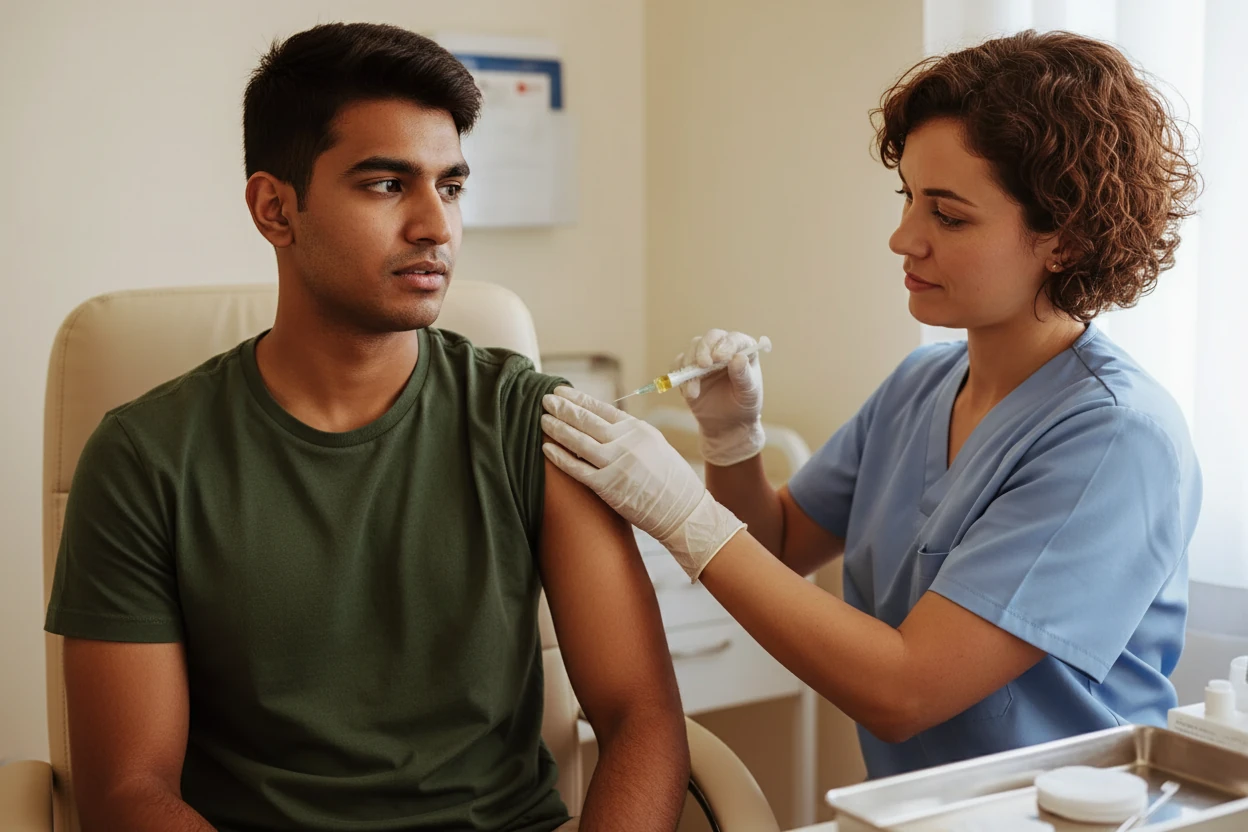
Vaccination remains the cornerstone of prevention against influenza and COVID-19 during the respiratory virus season2710. Annual flu vaccines and updated COVID-19 vaccines, including bivalent boosters, help reduce the risk of severe illness, hospitalization, and death2428. For RSV, prevention is more challenging due to the lack of an approved vaccine for the general population; however, monoclonal antibodies such as palivizumab and newer agents like nirsevimab are used prophylactically in high-risk infants121011.
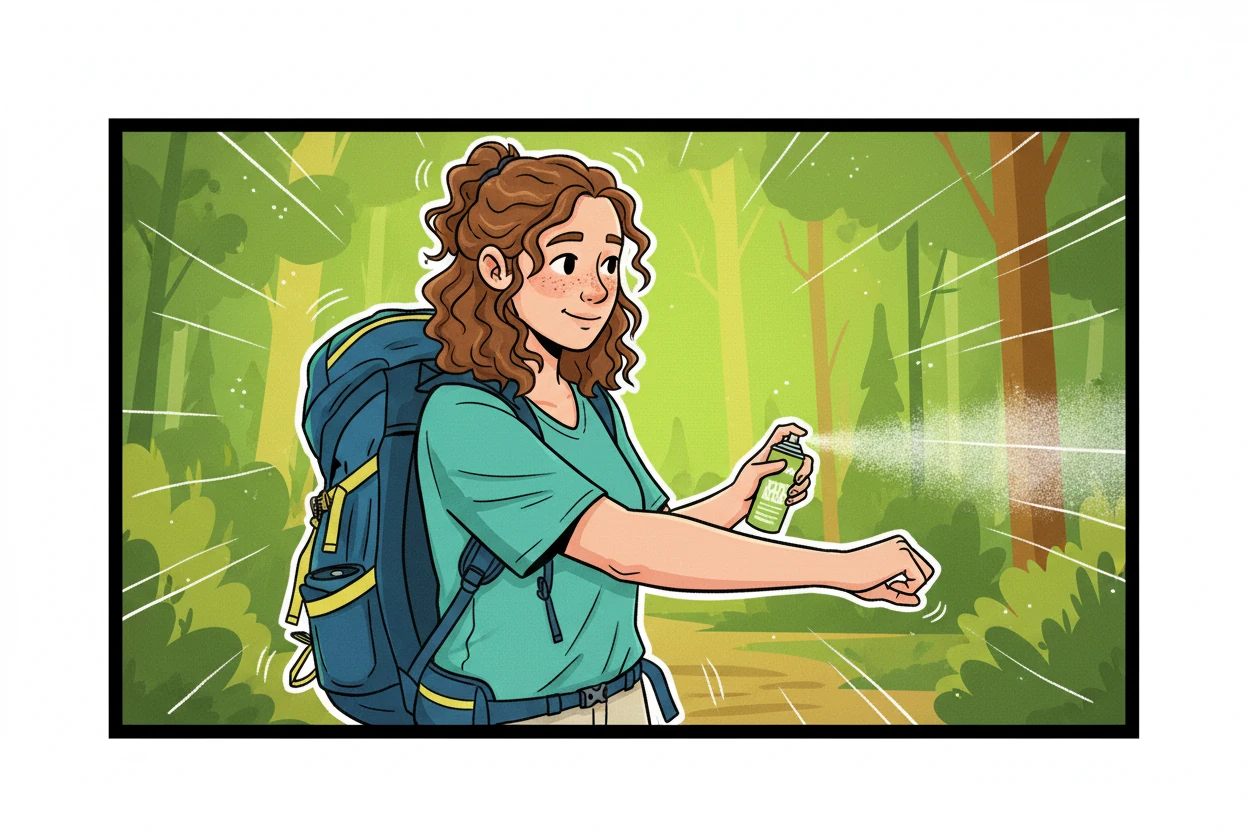
Nonpharmaceutical interventions continue to play a vital role in limiting the spread of these viruses. Practices such as mask-wearing, frequent handwashing, respiratory etiquette (e.g., coughing into tissues), and staying home when symptomatic are effective in reducing transmission29415. These measures are especially important around vulnerable groups like infants, older adults, and immunocompromised individuals1011.
The tripledemic of flu, COVID-19, and RSV requires a layered approach to prevention. Vaccination, hygiene, and cautious social behavior remain key to protecting individuals and healthcare systems this winter126.
Additional protective strategies include avoiding large indoor gatherings, improving indoor air quality, and disinfecting high-touch surfaces1526. Early recognition of symptoms and prompt medical consultation can help manage illness and reduce complications15.
- Vaccination against influenza and COVID-19 remains the primary preventive measure during the respiratory virus season2728.
- RSV prevention relies on monoclonal antibodies for high-risk infants; no broad vaccine is currently available1210.
- Nonpharmaceutical interventions such as mask use, hand hygiene, and avoiding public activities when ill remain effective in limiting spread294.
- Protecting vulnerable populations through masking and hygiene is recommended to reduce severe respiratory infections1011.
- Staying home when sick and practicing respiratory etiquette help prevent transmission15.
| Virus | Prevention Strategies | Notes |
|---|---|---|
| Influenza | Annual vaccination, hand hygiene, masking | Vaccine reduces severity and hospitalizations2724 |
| COVID-19 | Updated vaccines, boosters, masking, distancing | Vaccines updated for variants2825 |
| RSV | Monoclonal antibodies for high-risk infants, hygiene | No approved vaccine yet121126 |