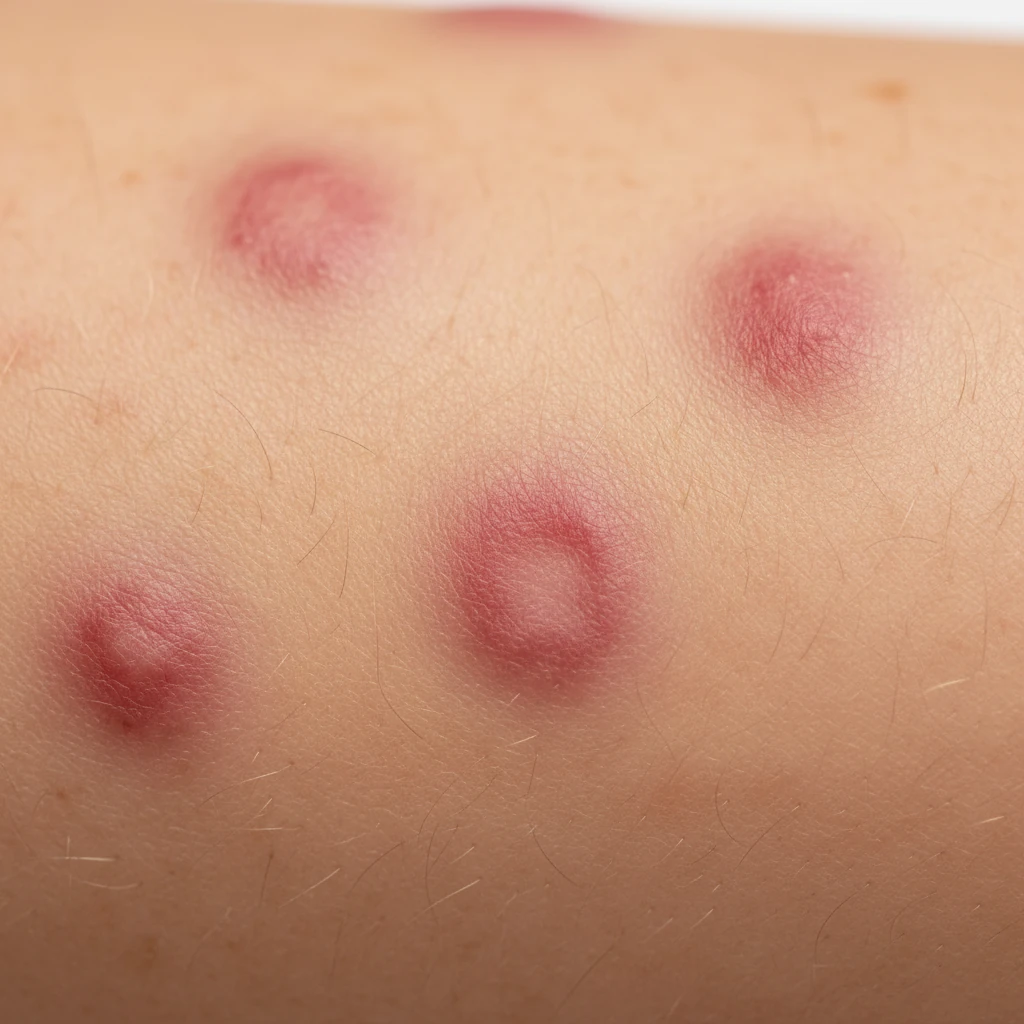
Triple-negative breast cancer (TNBC) accounts for approximately 10–15% of all breast cancers and is considered one of the most aggressive subtypes12. It tends to grow and spread faster than other breast cancers and has fewer treatment options, leading to a poorer prognosis13. TNBC is more common in younger women and certain ethnic groups, making early detection and tailored treatment essential for improving outcomes24.
Types of Triple-Negative Breast Cancer
Triple-negative breast cancer is a heterogeneous disease defined by the absence of estrogen receptor (ER), progesterone receptor (PR), and human epidermal growth factor receptor 2 (HER2) overexpression56. Molecular profiling has identified several subtypes within TNBC, each with distinct biological features and treatment responses75. The main subtypes include basal-like, luminal androgen receptor, and mesenchymal.
Basal-Like
Basal-like TNBC cells often resemble the basal cells found in the outermost layer of the breast ducts85. This subtype can be further classified based on the tumor microenvironment into immune-activated or immune-suppressed groups. Immune-activated basal-like TNBC is associated with better responses to chemotherapy and immunotherapy5. Basal-like tumors tend to overexpress genes that promote cancer deaths growth and are the most common subtype, representing about 70–90% of TNBC cases9.
Luminal Androgen Receptor
Some TNBC subtypes express androgen receptors (AR) and luminal genes, which influence tumor behavior and treatment response5. Androgen receptors are hormone receptors that bind androgens, potentially driving tumor growth in AR-positive TNBC cells5. This subtype may respond differently to therapies targeting androgen signaling pathways, offering potential avenues for personalized treatment5.
Mesenchymal
The mesenchymal subtype of TNBC is enriched for features related to connective tissue and stem cells, contributing to tumor heterogeneity and aggressive behavior5. These tumors often exhibit characteristics associated with tissue remodeling and invasion. The mesenchymal subtype's unique biology presents challenges for treatment but also opportunities for targeted therapies as research advances5.
Triple-Negative Breast Cancer Symptoms
Symptoms of TNBC are similar to those of other breast cancer types and may include a new lump, breast swelling, skin changes, nipple discharge, and pain1011. However, these symptoms are not specific to TNBC and can also result from benign conditions such as mastitis or cysts1011. Early detection through routine screening and prompt evaluation of any breast changes are critical for improving outcomes11.
Common signs and symptoms include:
- A new lump or thickening in the breast or armpit11
- Breast swelling or dimpling of the skin11
- Nipple retraction or inversion11
- Nipple discharge, especially if bloody and unilateral11
- Pain in the breast, although less common11
Not all lumps are cancerous; benign conditions like breast cysts (fluid-filled sacs) and mastitis (breast infection) can cause similar symptoms11. Any new breast changes should be evaluated by a healthcare provider promptly11.
Causes and Risk Factors
The exact cause of most TNBC cases remains unknown, but genetic mutations, particularly in the BRCA1 gene, play a significant role1213. TNBC is more common in younger, premenopausal women and certain ethnic groups, including Black and Hispanic populations134. Environmental and lifestyle factors may contribute to genetic changes that lead to TNBC, but research is ongoing to clarify these associations13.
Risk Factors
Key risk factors for TNBC include:
- Younger age, especially women under 50 and premenopausal status134
- Inherited BRCA1 gene mutations, which significantly increase TNBC risk134
- Early menarche (onset of menstruation)13
- Late age at first childbirth13
- Prior radiation exposure to the breast or chest area13
- Ethnicity, with higher incidence in African American and Hispanic women4
Understanding these risk factors helps identify individuals who may benefit from genetic counseling and enhanced screening4.
Diagnosis and Testing
Diagnosing TNBC involves a combination of clinical evaluation, imaging, biopsy, and immunohistochemical (IHC) testing to assess the presence of hormone receptors and HER2 protein1415. Genetic testing may be recommended, especially for younger patients or those with a family history of breast cancer, to detect inherited mutations such as BRCA1/21415.
Diagnostic steps include:
- Physical breast examination to detect lumps or changes15
- Imaging tests such as mammography, ultrasound, or MRI to visualize abnormalities15
- Biopsy to obtain tissue samples for pathological examination15
- IHC testing to determine ER, PR, and HER2 status, confirming triple-negative status15
- Genetic testing for germline mutations when indicated15
Stages of Triple-Negative Breast Cancer
TNBC is staged based on the size of the tumor and the extent of spread to lymph nodes or distant organs. The stages include:
| Stage | Description |
|---|---|
| Stage 0 | Cancer cells are present in breast ducts but have not spread beyond them16 |
| Stage I | Cancer cells have invaded nearby breast tissue but remain small16 |
| Stage II | Tumor size increases, and cancer may be found in underarm lymph nodes16 |
| Stage III | Locally advanced cancer involving nearby tissues and lymph nodes16 |
| Stage IV | Cancer has spread to distant parts of the body such as lungs, liver, or bones16 |
| Sources:16 | |
Early-stage diagnosis (Stages I–III) offers the best chance for curative treatment1614.
Triple-Negative Breast Cancer Treatments
Treatment for TNBC varies by stage and focuses primarily on chemotherapy, as hormone therapies and HER2-targeted drugs are ineffective due to the lack of receptors171816. Surgery and radiation are also important components, especially in early-stage disease. Recent advances include immunotherapy and targeted therapies for specific genetic mutations.
Stage 1–3
For early-stage TNBC (Stages I–III), treatment typically involves:
- Chemotherapy to kill cancer cells and reduce tumor size1816
- Surgery, including lumpectomy (removal of tumor and some healthy tissue) or mastectomy (removal of the entire breast)184
- Radiation therapy following surgery, especially after lumpectomy, to destroy remaining cancer cells16
- Immunotherapy combined with chemotherapy in selected cases to improve outcomes142
Chemotherapy may be given before surgery (neoadjuvant) to shrink tumors or after surgery (adjuvant) to reduce recurrence risk16. Side effects of chemotherapy include hair loss, nausea, fatigue, and potential cognitive changes known as "chemo brain"18.
Stage 4
Stage IV TNBC, where cancer has spread to distant organs, is generally not curable but treatable16. Treatment options include:
- Systemic chemotherapy to control disease progression16
- Immunotherapy, especially for tumors expressing PD-L1 protein162
- Targeted therapies such as PARP inhibitors for patients with BRCA mutations162
- Antibody-drug conjugates that deliver chemotherapy directly to cancer cells162
Treatment is personalized based on tumor characteristics, genetic testing, and patient health16.
Recurrent Triple-Negative Breast Cancer
Recurrence of TNBC after initial treatment poses additional challenges. Management depends on the site and extent of recurrence and prior therapies16. Options may include:
- Additional chemotherapy or immunotherapy16
- Surgery or radiation for localized recurrences16
- Enrollment in clinical trials exploring novel treatments216
Close monitoring and supportive care are essential to manage symptoms and maintain quality of life16.
Prevention and Risk Reduction
There is no guaranteed way to prevent TNBC, but certain measures may reduce risk and improve outcomes1718. Maintaining a healthy weight and engaging in regular breast cancer screenings are recommended184. Awareness of breast changes and prompt medical evaluation can lead to earlier diagnosis and better prognosis1811.
Preventive strategies include:
- Regular mammograms and clinical breast exams184
- Genetic counseling and testing for high-risk individuals4
- Lifestyle modifications such as balanced diet and physical activity18
- Avoiding unnecessary radiation exposure to the chest13
- Awareness of personal and family medical history4
Potential Complications
Treatments for TNBC can cause various complications that affect quality of life and require careful management1718. Common complications include:
- Chemotherapy side effects: fatigue, nausea, hair loss, cognitive changes ("chemo brain"), and menopausal symptoms in premenopausal women18
- Radiation therapy effects: skin irritation, fatigue, and potential long-term damage to heart and lungs18
- Surgical complications: infection, bleeding, and altered sensation or numbness in the chest area18
Supportive care and symptom management are important to help patients cope with these effects during and after treatment18.
Living With Triple-Negative Breast Cancer
Triple-negative breast cancer is a challenging disease. Treatments that are effective against other types of breast cancer don’t have the same impact on TNBC. However, new combinations of anticancer drugs show promise20.
Living with TNBC involves managing physical symptoms, emotional challenges, and ongoing surveillance1718. Early detection and treatment improve survival rates, and maintaining a healthy lifestyle supports recovery18. Patients have options for breast reconstruction after surgery or non-surgical alternatives for breast appearance18.
Key aspects of living with TNBC include:
- Regular follow-up visits and imaging to monitor for recurrence18
- Supportive care programs to manage treatment side effects18
- Psychological support to address emotional impacts18
- Nutritional guidance and physical activity to promote well-being18
- Patient education about symptoms and treatment options18
Key Points and Summary
- Triple-negative breast cancer is an aggressive subtype accounting for 10–15% of breast cancers, with higher incidence in younger and certain ethnic groups12.
- TNBC lacks estrogen, progesterone, and HER2 receptors, limiting treatment options to mainly chemotherapy, surgery, and radiation518.
- Molecular subtypes of TNBC include basal-like, luminal androgen receptor, and mesenchymal, each with distinct features and treatment responses75.
- Symptoms are similar to other breast cancers and include lumps, breast changes, nipple discharge, and pain; early detection is critical1011.
- Risk factors include younger age, BRCA1 mutations, early menarche, late childbirth, prior radiation, and ethnicity134.
- Diagnosis involves imaging, biopsy, immunohistochemistry, and genetic testing; staging guides treatment planning141516.
- Treatment varies by stage, with chemotherapy as the mainstay; immunotherapy and targeted agents are emerging for advanced disease171816.
- Complications from treatment can affect quality of life but are manageable with supportive care18.
- Prevention focuses on risk reduction through lifestyle and screening; living with TNBC requires ongoing care and support18.
- The overall 4-year survival rate for TNBC is approximately 77%, with prognosis depending on stage and treatment response1918.