Trichotillomania affects about 1% to 2% of the population and is characterized by compulsive hair pulling that can lead to noticeable hair loss and emotional distress1. This condition often begins in adolescence and can severely impact self-esteem and social functioning if untreated2. Despite its significant effects on mental health and quality of life, many individuals with trichotillomania do not seek help due to shame or lack of awareness3.
Recognizing Trichotillomania Symptoms
Trichotillomania is marked by the repetitive pulling out of one’s own hair, which often leads to patchy hair loss on the scalp, eyebrows, eyelashes, or other body areas1. Hair pulling may be automatic, occurring without full awareness during activities like reading or watching TV, or focused, done deliberately to relieve tension or distress2. Episodes can last from a few seconds to several hours and may involve pulling hair from multiple sites4.
Common symptoms include:
- Noticeable hair loss with uneven patches or shortened hairs of varying lengths56
- Increasing tension or urge before pulling hair and relief or pleasure afterward2
- Repeated unsuccessful attempts to stop or reduce hair pulling2
- Playing with or biting pulled-out hair, sometimes swallowing it (trichophagia)72
- Emotional distress such as shame, embarrassment, or anxiety related to hair loss and appearance32
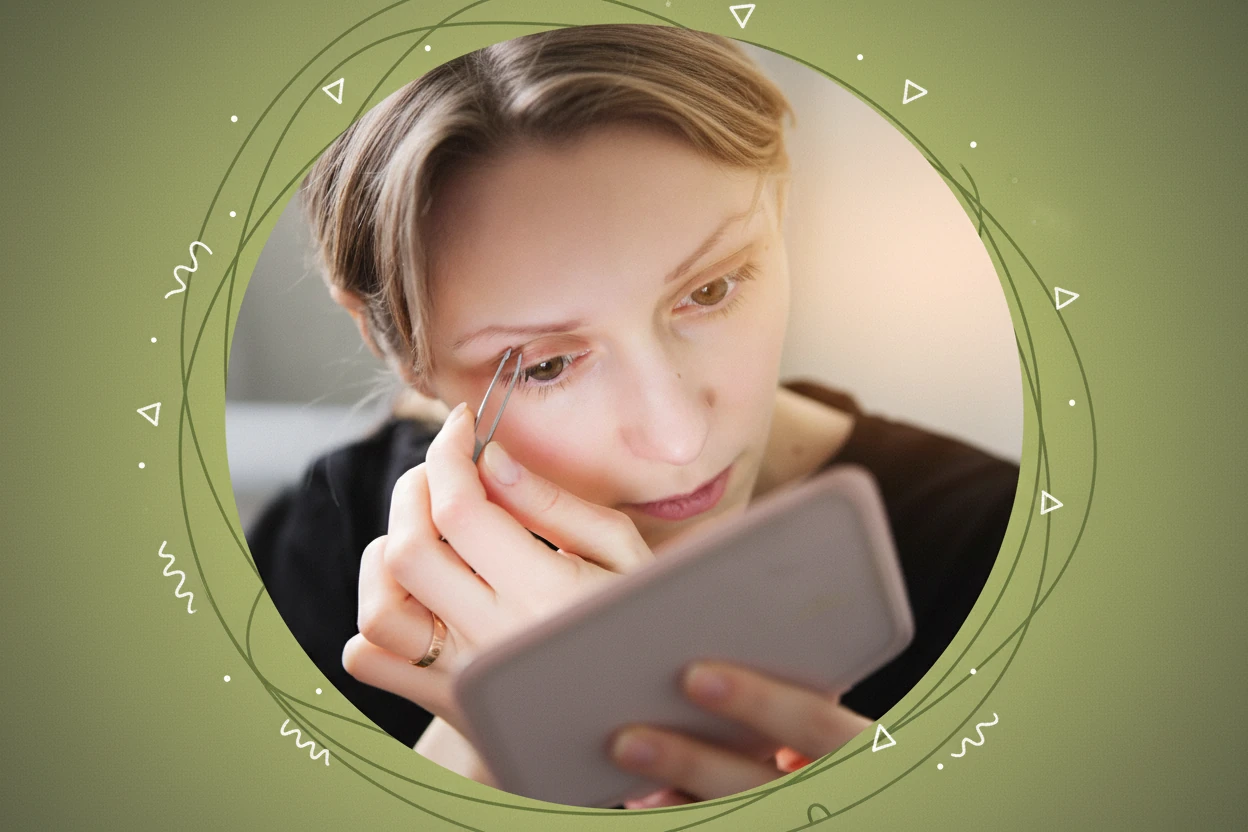
Chronic hair pulling can cause physical damage to the scalp or skin, including scarring alopecia in severe cases8. Some individuals may also experience tissue damage beneath the skin, especially if tools like tweezers are used9.
Primary Causes of Trichotillomania
The exact cause of trichotillomania remains unclear, but it is believed to result from a complex interplay of genetic, neurobiological, and environmental factors10. Hair pulling may serve as a coping mechanism to relieve negative emotions such as stress, anxiety, boredom, or frustration112. Neurobiological studies suggest dysfunction in brain circuits involved in habit formation and impulse control, particularly the cortico-striatal-thalamo-cortical pathways1213.
Hair pulling can be both conscious and unconscious, with some individuals aware of their behavior and others pulling hair automatically without realizing it4. Emotional triggers often precipitate episodes, and the behavior may be reinforced by the relief or gratification it provides11.
Risk Factors
- Genetics: Familial aggregation and twin studies suggest a genetic component, though specific genes have not been identified102.
- Age: Trichotillomania typically begins in early adolescence, between ages 10 and 13, but can occur at any age142.
- Gender: Females are more commonly affected than males, especially in adulthood, with ratios up to 9:112.
- Psychiatric Comorbidities: Conditions such as depression, anxiety, obsessive-compulsive disorder (OCD), and attention-deficit/hyperactivity disorder (ADHD) frequently co-occur415.
- Stress and Environment: Stressful life events, boredom, isolation, and privacy can increase the likelihood of hair pulling16112.
Diagnosing Trichotillomania
Diagnosis of trichotillomania is clinical and based on criteria outlined in the DSM-5, which include recurrent hair pulling resulting in hair loss, repeated attempts to stop, distress or impairment, and exclusion of other medical or psychiatric causes1417. Physical examination often reveals patchy, nonscarring alopecia with hairs of varying lengths in affected areas518.
Trichoscopy, a specialized scalp examination using dermoscopy, can identify characteristic hair shaft abnormalities such as broken hairs and black dots, aiding diagnosis and monitoring16619. Psychiatric evaluation involves structured interviews and questionnaires to assess symptom severity, triggers, and comorbidities17.
If trichophagia (hair swallowing) is suspected, abdominal examination and imaging may be necessary to detect trichobezoars—hairballs that can cause gastrointestinal obstruction and require surgical intervention207.
Effective Trichotillomania Treatments
Treatment for trichotillomania typically involves a combination of behavioral therapy and pharmacotherapy, tailored to the individual's needs and comorbid conditions11. Early intervention improves outcomes, especially in children21.
Behavioral Therapy
Behavioral therapies are the first-line treatment and focus on increasing awareness of hair pulling and developing alternative coping strategies2217. The most effective behavioral approach is habit reversal training (HRT), which includes:
- Awareness training to recognize hair-pulling urges and triggers23
- Developing competing responses, such as clenching fists or squeezing a stress ball, to replace hair pulling24
- Stimulus control techniques to modify the environment and reduce triggers23
Cognitive-behavioral therapy (CBT) helps modify dysfunctional thoughts related to hair pulling and addresses emotional factors11. Acceptance and commitment therapy (ACT) uses mindfulness and acceptance strategies to manage urges without acting on them11. Support groups and family involvement provide social support and improve treatment adherence17.
Prescription Medications
No medications are FDA-approved specifically for trichotillomania, but several have been used off-label with mixed results25. Common pharmacotherapies include:
- Selective serotonin reuptake inhibitors (SSRIs) to address comorbid anxiety and depression11
- Clomipramine, a tricyclic antidepressant, has shown some benefit in reducing hair-pulling urges2524
- N-acetylcysteine, an amino acid supplement, may help modulate glutamate pathways involved in compulsive behaviors711
- Atypical antipsychotics like olanzapine have been trialed for severe cases24
- Other agents such as naltrexone and anticonvulsants have been studied but lack consistent evidence711
Medication is often combined with behavioral therapy for optimal results11.
“Habit reversal training is a low-risk treatment for trichotillomania that has been shown to be effective.”
— Aubree D. Pereyra, Abdolreza Saadabadi26
Preventing Trichotillomania Episodes
Preventing hair-pulling episodes involves managing triggers and reinforcing alternative behaviors. Key strategies include:
- Engaging in habit reversal training to increase awareness and control over hair-pulling urges2211
- Using cognitive-behavioral techniques to address stress, anxiety, and dysfunctional thoughts11
- Applying stimulus control by modifying the environment to reduce access to hair or situations that trigger pulling23
- Practicing stress reduction methods such as mindfulness, relaxation exercises, and yoga to decrease emotional triggers1611
- Involving family and support networks to encourage adherence and provide emotional support17
Early diagnosis and intervention, especially in children, may prevent chronicity and improve prognosis21.
Common Co-occurring Conditions
Trichotillomania frequently coexists with other psychiatric disorders, which can complicate diagnosis and treatment. Common comorbidities include:
- Obsessive-compulsive disorder (OCD) and related anxiety disorders427
- Major depressive disorder and other mood disorders15
- Post-traumatic stress disorder (PTSD) and attention-deficit/hyperactivity disorder (ADHD)4
- Substance use disorders28
- Other body-focused repetitive behaviors (BFRBs) such as skin picking and nail biting29
Addressing these co-occurring conditions is essential for effective management and may reduce hair-pulling behaviors1711.
Managing Life With Trichotillomania
Living with trichotillomania can be challenging due to the physical and emotional effects of hair pulling. Patients often experience low self-esteem, social withdrawal, and stigma32. Physical complications may include scalp damage, scarring, and repetitive strain injuries4.
Trichotillomania is a medical condition that affects both mind and behavior. With proper treatment, individuals can reduce hair pulling and improve their quality of life, overcoming feelings of shame and embarrassment309.
Successful management involves a multidisciplinary approach combining dermatological care, psychiatric treatment, and psychological support17. Patients benefit from:
- Open communication with healthcare providers and loved ones about their condition30
- Consistent engagement with therapy and medication regimens17
- Using coping strategies such as stress management, relaxation techniques, and behavioral interventions11
- Participating in support groups to share experiences and reduce isolation17
Emerging digital tools like wearable devices and apps are being explored to support behavioral interventions and improve adherence1611.