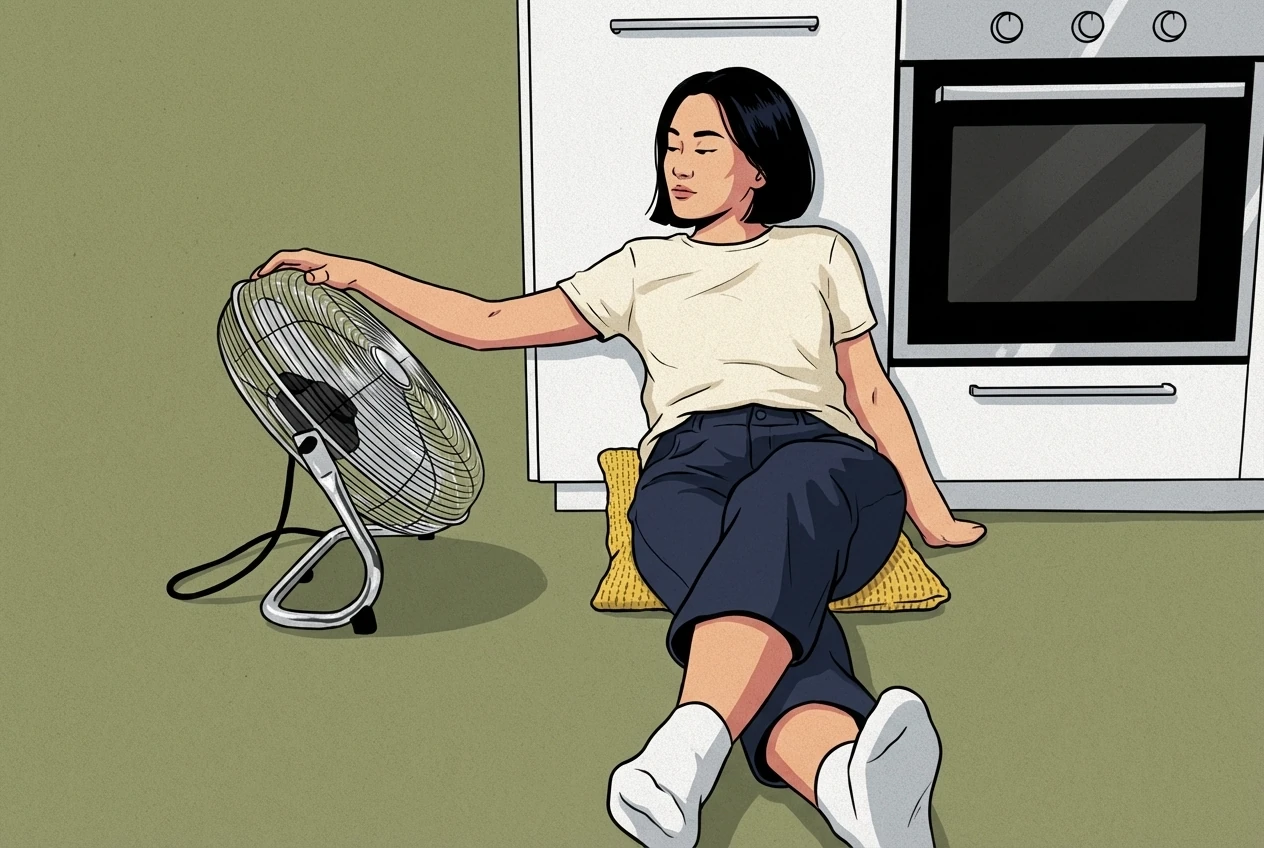
Heat-related illnesses are a significant public health concern, especially during the summer months when temperatures soar. Individuals taking selective serotonin reuptake inhibitors (SSRIs), a common class of antidepressants, face an increased risk of heat intolerance due to the effects of these medications on the body's temperature regulation12. Understanding how SSRIs influence heat sensitivity and recognizing early symptoms of heat-related illnesses are essential for preventing serious complications like heat heart-attack-and-stroke-riskstroke-risk-linkstroke3.
SSRIs and Heat Stroke Risk
Selective serotonin reuptake inhibitors (SSRIs) are widely prescribed antidepressants that work by altering serotonin pathways in the brain4. However, these medications can interfere with the hypothalamus, the brain’s thermostat responsible for regulating core body temperature5. This disruption can impair the body's ability to dissipate heat effectively, increasing the risk of heat intolerance and heat-related illnesses such as heat exhaustion and heat stroke67.
SSRIs may cause sweating abnormalities, including both excessive sweating and reduced sweating, which can hinder the body's natural cooling mechanisms8. Excessive sweating, reported in about 10% of patients on SSRIs, can lead to left sided vs right sided heart failure differences during heat exposure, further elevating heat illness risk910. Conversely, impaired sweating reduces heat loss, causing body temperature to rise dangerously8.
Other medication classes, including serotonin-norepinephrine reuptake inhibitors (SNRIs), tricyclic antidepressants (TCAs), benzodiazepines, and cardiovascular drugs, also contribute to heat intolerance by affecting thermoregulation or fluid balance11612. Despite these risks, SSRIs remain generally safe when used appropriately, with clinical guidelines emphasizing patient education on heat precautions during hot weather913.
“Some antidepressants may impair the body's ability to regulate temperature effectively. This impaired thermoregulation during hot weather can lead to serious conditions such as heat exhaustion and heat stroke, which can be life-threatening.”
— Erin Uhlmeyer, PharmD, BCPS, Nebraska Medicine1
- SSRIs alter serotonin levels, which can disrupt hypothalamic control of body temperature5.
- The hypothalamus responds to environmental temperature changes to maintain core temperature14.
- Disruption of this control blunts heat dissipation responses such as sweating and vasodilation1512.
- SSRIs may increase sweating (hyperhidrosis), raising dehydration risk during heat exposure1610.
- Some SSRIs can cause excessive sweating, while others may reduce sweating, both impairing cooling8.
| Medication Class | Examples | Effect on Heat Regulation |
|---|---|---|
| SSRIs | Fluoxetine, Sertraline | Increased sweating, impaired thermoregulation |
| SNRIs | Duloxetine, Venlafaxine | Similar effects to SSRIs |
| Tricyclic Antidepressants (TCAs) | Amitriptyline, Clomipramine | Decreased sweating, impaired heat dissipation |
| Benzodiazepines | Diazepam, Lorazepam | Sedation, impaired cognition, reduced heat response |
| Cardiovascular Drugs | Beta blockers, diuretics | Reduced vasodilation, dehydration risk |
| Sources:11612 | ||
Recognizing Heat Stroke Symptoms on SSRIs
Heat-related illnesses range from mild heat exhaustion to severe, life-threatening heat stroke. Heat stroke is defined by a core body temperature exceeding 40°C (104°F) and can lead to multi-organ failure if not treated promptly14. Individuals taking SSRIs are at higher risk due to impaired thermoregulation and sweating abnormalities6.
Early symptoms of heat exhaustion often resemble influenza and include dizziness, nausea, muscle cramps, and headache142. These symptoms signal that the body is struggling to manage heat stress and require immediate attention to prevent progression to heat stroke13.
Heat stroke symptoms are more severe and may include confusion, agitation, hot dry skin, seizures, and loss of consciousness162. Unlike heat exhaustion, sweating may be absent or minimal in heat stroke due to failure of the body's cooling mechanisms2.
💡 Did You Know?
Heat waves can increase the risk of drug-induced hyponatremia (low sodium levels) and dehydration, especially in patients on SSRIs and other medications affecting fluid balance2122.
- Heavy sweating and moist, flushed skin2
- Weakness and dizziness14
- Headache and nausea13
- Muscle cramps14
- Rapid heartbeat and low blood pressure2
- Core body temperature above 40°C (104°F)13
- Hot, dry skin or excessive sweating2
- Confusion, delirium, or abnormal behavior16
- Seizures or loss of consciousness2
- Rapid heartbeat and breathing difficulties16
Prompt recognition of these symptoms is critical. Immediate cooling and hydration are essential first steps in managing heat exhaustion, while heat stroke requires urgent medical intervention to prevent serious complications1316.
Summer Safety Tips for SSRI Users
To reduce the risk of heat-related illness, individuals on SSRIs should adopt behavioral and environmental strategies during hot weather. Maintaining medication regimens is important, but patients should also take precautions to manage heat exposure safely1412.
- Stay well hydrated by drinking plenty of water throughout the day131.
- Avoid outdoor activities during peak heat hours, typically between 10 a.m. and 2 p.m.1713.
- Wear loose-fitting, light-colored clothing and a wide-brimmed hat to minimize sun exposure1318.
- Use broad-spectrum sunscreen with SPF 30 or higher and reapply regularly when outdoors1319.
- Seek air-conditioned environments during extreme heat to reduce heat stress1312.
- Schedule physical activities for cooler parts of the day, such as early morning or late evening17.
- Take regular rest breaks to prevent overheating during physical exertion17.
- Avoid alcohol and caffeine, which can contribute to dehydration1.
- Monitor for early signs of heat intolerance and seek medical help promptly if symptoms worsen132.
- Do not stop or adjust SSRI doses without consulting a healthcare provider, even during heat waves1412.
- Discuss with your doctor any concerns about heat sensitivity or side effects related to your medication12.
- Be aware that some medications, including SSRIs, may increase skin sensitivity to sunlight, necessitating extra sun protection18.
- Store medications properly in cool, dry places to maintain efficacy during hot weather2018.
- Inform family or caregivers about your medication and heat risk to ensure support in emergencies8.