Spinal meningitis is a serious infection that causes inflammation of the membranes surrounding the brain and spinal cord, known as the meninges. It can develop rapidly and may lead to severe complications or death if not treated promptly1. While viral meningitis is more common and generally less severe, bacterial meningitis is a medical emergency with a high risk of mortality2. Understanding the different types, symptoms, causes, and treatment options is crucial for timely diagnosis and effective management3.
Types of Spinal Meningitis
Spinal meningitis is classified based on the duration of symptoms and the underlying cause. It can be acute, subacute, or chronic, and infectious or non-infectious in origin4.
- Acute bacterial meningitis is the most dangerous form, often caused by bacteria such as Streptococcus pneumoniae and Neisseria meningitidis5. It requires immediate medical attention due to its rapid progression and high mortality5.
- Viral meningitis is more common but usually less severe. It often resolves without specific treatment and is caused by viruses like enteroviruses, herpes simplex virus, and others26.
- Fungal meningitis is rare and typically affects immunocompromised individuals. Cryptococcus neoformans is a leading fungal pathogen27.
- Parasitic meningitis is very rare and may result from exposure to certain parasites in the environment2.
- Non-infectious meningitis arises from autoimmune diseases, cancers, drug reactions, or trauma. These forms may cause similar inflammation but are not caused by infectious agents48.
Subacute and chronic meningitis often involve indolent infections such as tuberculosis or non-infectious causes like autoimmune or neoplastic diseases4.
Spinal Meningitis Symptoms
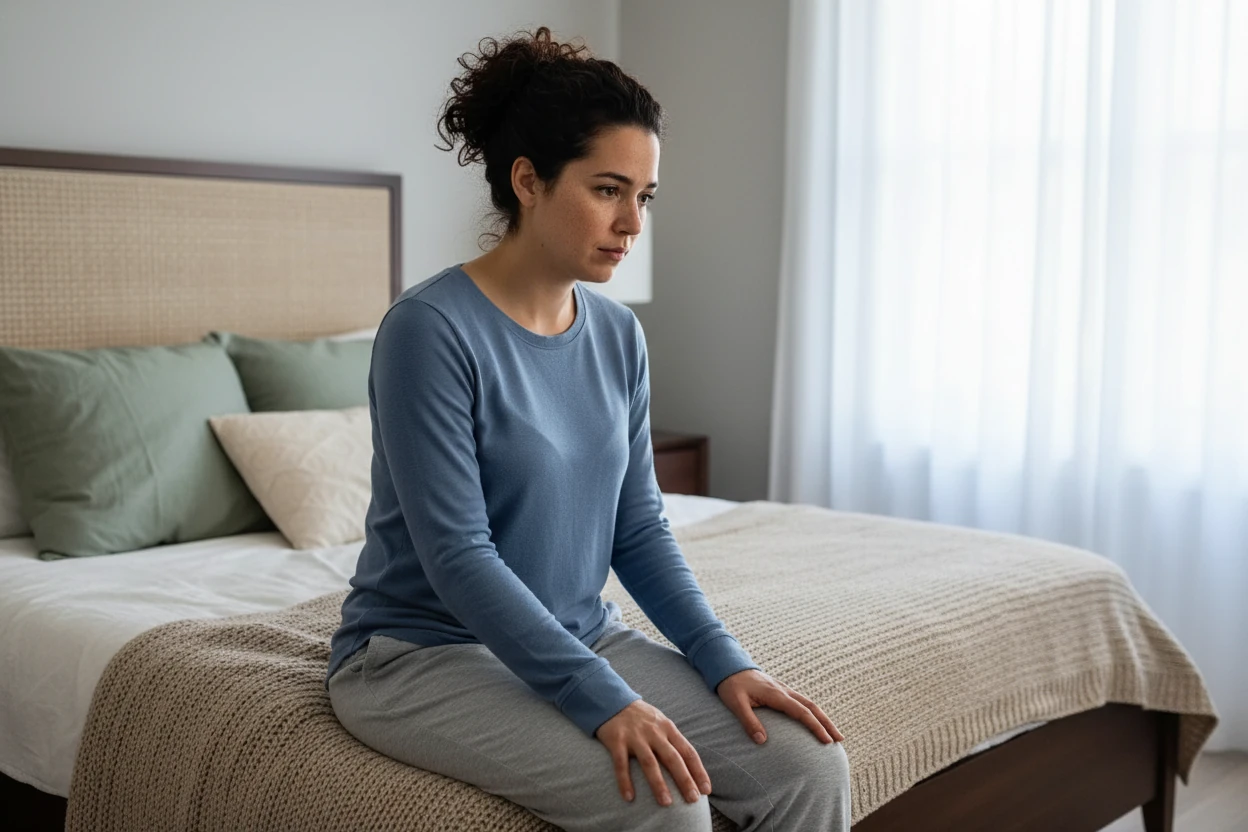
Symptoms of spinal meningitis can vary but generally reflect inflammation of the meninges. Early signs often resemble a viral illness, making diagnosis challenging2.
Common symptoms in adults and older children include:
- Fever2
- Headache, often severe2
- Neck stiffness (difficulty bending the neck forward)2
- Sensitivity to light (photophobia)2
- Nausea and vomiting2
- Altered mental status, including confusion or drowsiness2
- Seizures in severe cases2
Symptoms reflect meningeal irritation and are not specific to a particular pathogen, making clinical diagnosis difficult without laboratory testing26.
Infant Symptoms
In infants and young children, meningitis symptoms can be subtle and nonspecific, making early recognition difficult29.
Signs to watch for in babies include:
- Fever or sometimes hypothermia in neonates2
- Irritability or fretfulness2
- Poor feeding or refusal to eat2
- Lethargy or difficulty waking up2
- Bulging of the fontanelle (soft spot on the head), indicating increased intracranial pressure2
- High-pitched crying or moaning2
- Arching of the back (opisthotonos) in severe cases2
- Pale or blotchy skin color2
Classic signs such as neck stiffness are often absent or less reliable in infants2. Prompt evaluation is critical due to the risk of rapid deterioration2.
Causes of Spinal Meningitis
Spinal meningitis results from inflammation of the meninges caused by various infectious and non-infectious factors103.
- Bacterial infections: Common bacteria include Streptococcus pneumoniae, Neisseria meningitidis, Haemophilus influenzae type b, Listeria monocytogenes, and group B Streptococcus in neonates211.
- Viral infections: Enteroviruses are the most frequent viral cause, along with herpes simplex virus, HIV, mumps virus, and West Nile virus211.
- Fungal infections: Exposure to fungal spores from soil, bird droppings, or decaying wood can cause fungal meningitis, especially in immunocompromised hosts27.
-
Parasitic infections: Rarely, parasites such as Baylisascaris procyonis or amoebae like Naegleria fowleri can cause meningitis23.
-
Autoimmune diseases such as lupus and rheumatoid arthritis can cause meningitis through inflammation without infection486.
- Neoplastic meningitis results from cancer cells spreading to the meninges48.
- Drug-induced aseptic meningitis is a rare reaction to medications, often linked to NSAIDs, intravenous immunoglobulin, or monoclonal antibodies48.
- Trauma or surgery can also lead to meningitis by direct invasion or irritation3.
Spinal Meningitis Risk Factors
Certain factors increase the risk of developing spinal meningitis, including both infectious and non-infectious causes34.
- Age under 5 years or over 65 years11
- Weakened immune system due to HIV, cancer, or immunosuppressive therapy73
- Lack of vaccination against common bacterial pathogens12
- Close living conditions such as college dorms or military barracks11
- Chronic ear or sinus infections3
- Absence of a spleen (asplenia)11
- Pregnancy, which increases risk for Listeria infection11
- Travel to or residence in areas with high prevalence of meningitis-causing infections3
Spinal Meningitis Diagnosis
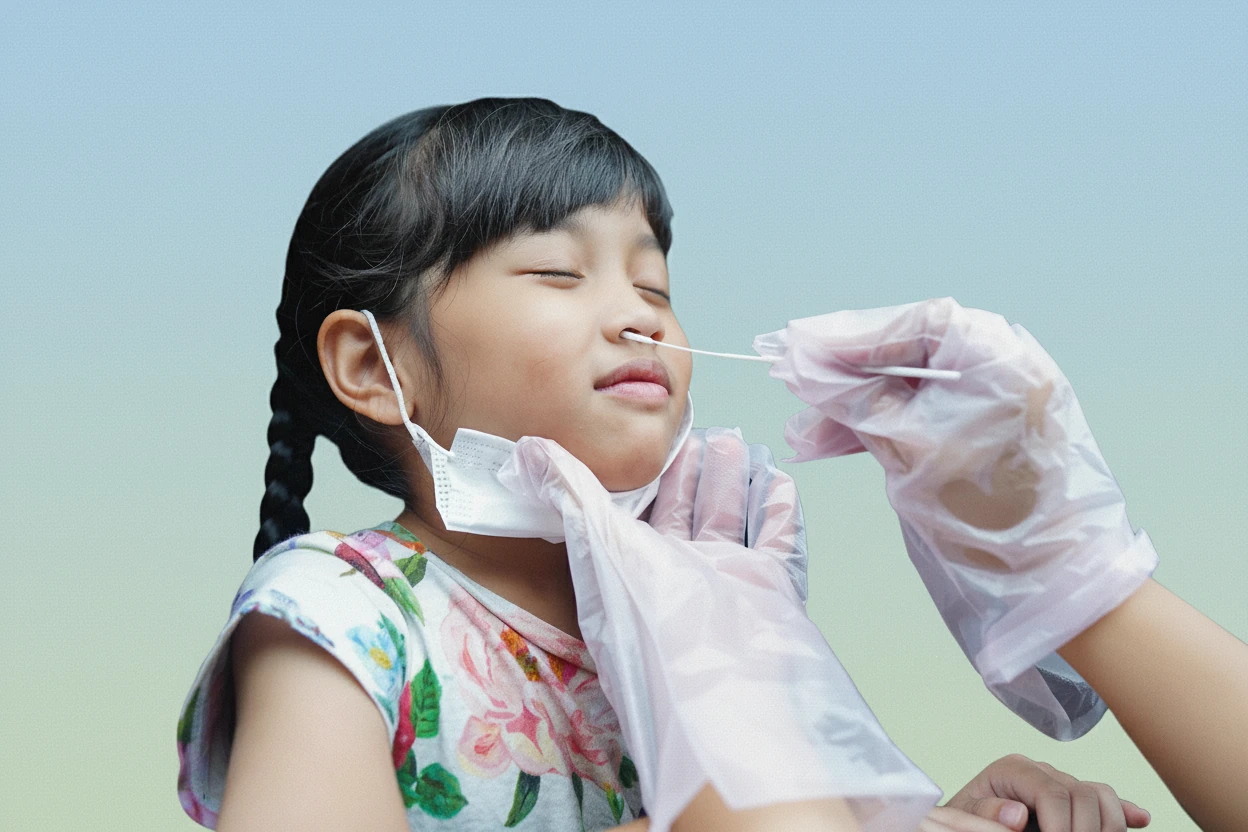
Diagnosing spinal meningitis requires a combination of clinical evaluation and laboratory testing1.
- Medical history and physical examination assess symptoms and signs of meningeal irritation1.
- Lumbar puncture (spinal tap) is the definitive test, analyzing cerebrospinal fluid (CSF) for cell count, glucose, protein, and microbiologic studies to differentiate bacterial, viral, fungal, or non-infectious causes21.
- Blood tests and cultures help identify bacteremia or systemic infection2.
- Imaging studies such as CT or MRI may be used to rule out other causes or detect complications before lumbar puncture1.
- Molecular diagnostics like PCR improve the speed and accuracy of pathogen identification2.
Early and accurate diagnosis is essential because treatment and prognosis vary significantly between bacterial and aseptic meningitis13.
Spinal Meningitis Treatment Options
Treatment depends on the cause of meningitis and aims to eradicate the infection and control inflammation514.
- Bacterial meningitis: Requires immediate intravenous antibiotics and often adjunctive corticosteroids like dexamethasone to reduce neurologic complications514. Empiric antibiotics are started before laboratory confirmation due to rapid disease progression5.
- Viral meningitis: Usually self-limited and managed with supportive care such as rest, hydration, and pain relief26.
- Fungal meningitis: Treated with prolonged courses of antifungal agents, often requiring combination therapy2.
- Parasitic meningitis: Treatment varies based on the parasite and may include antiparasitic medications3.
- Non-infectious meningitis: Managed by addressing the underlying condition, such as autoimmune disease or drug reaction, alongside symptomatic relief48.
Supportive care, including fluid management and monitoring for complications, is critical across all types5.
“Bacterial meningitis is a medical emergency. The survival and complication rates depend on how sick the person was before initiation of the correct choice of antibiotic and the right dosage.”
— Jeffrey Silvers, MD12
Preventing Spinal Meningitis
Preventing spinal meningitis focuses on reducing exposure to infectious agents and vaccination1112.
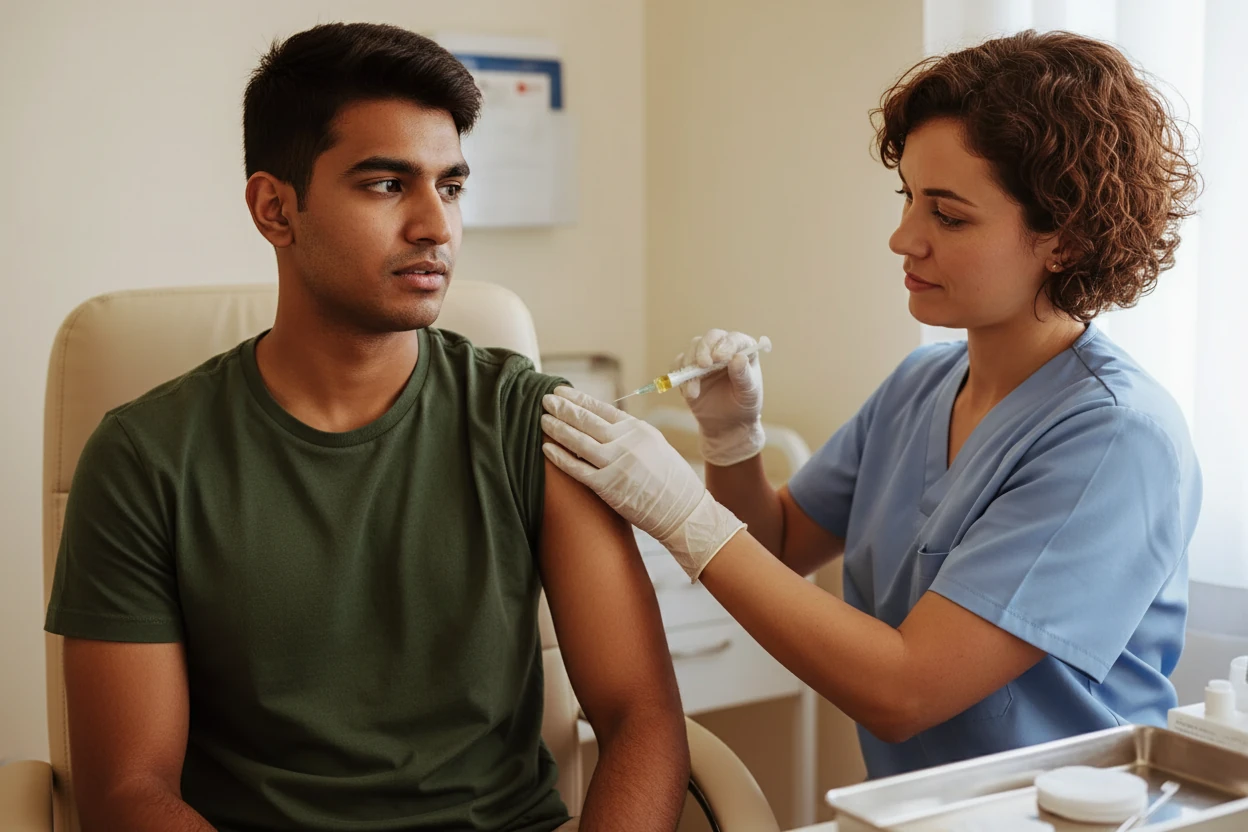
- Vaccinations against Haemophilus influenzae type b, Streptococcus pneumoniae, and Neisseria meningitidis have dramatically lowered bacterial meningitis incidence11.
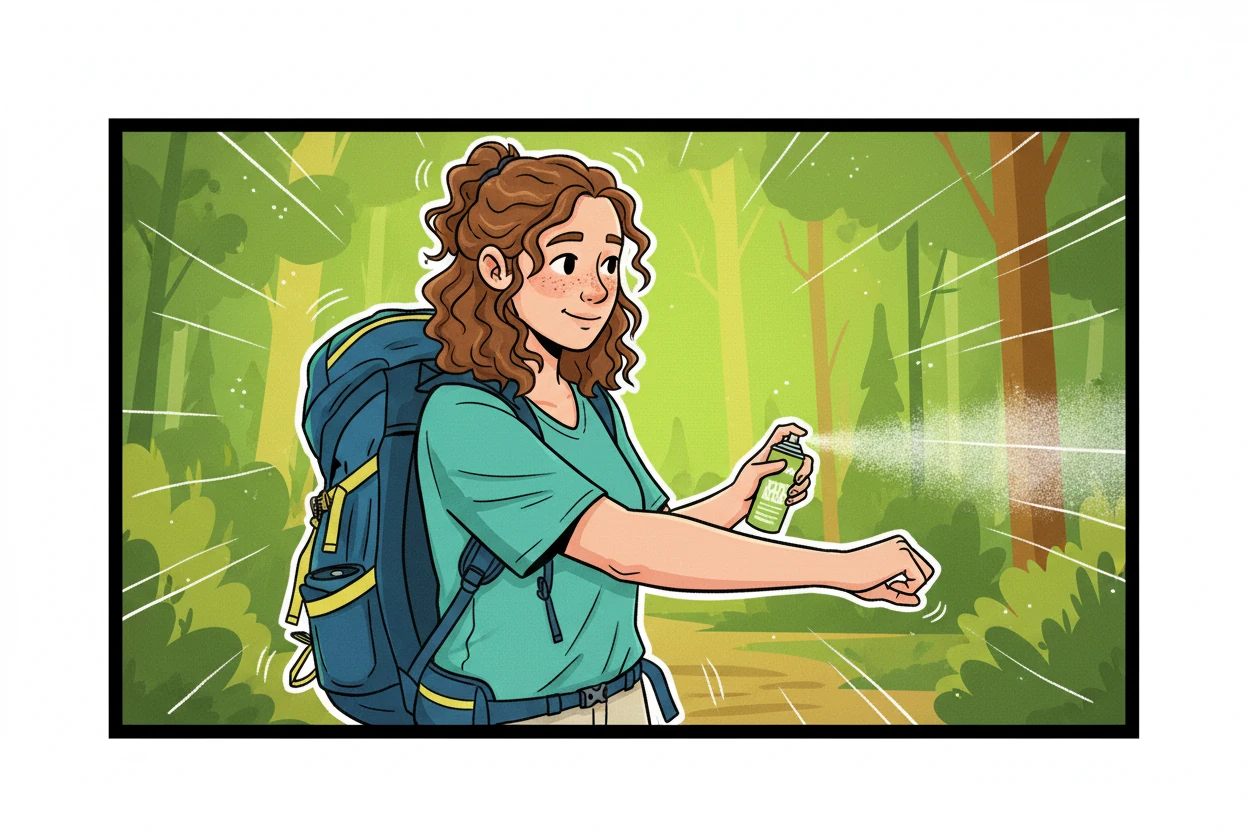
- Practicing good hygiene, such as frequent handwashing and avoiding close contact with sick individuals, reduces transmission risk3.
- Avoiding contaminated food and water helps prevent infections like Listeria and parasitic meningitis11.
- Prophylactic antibiotics may be recommended for close contacts of patients with meningococcal meningitis11.
- Immunocompromised individuals should take extra precautions to avoid exposure to fungal spores and other pathogens7.
Adjunctive therapies such as corticosteroids may also be used to reduce inflammation in bacterial meningitis5.
Spinal Meningitis Complications
Spinal meningitis can lead to serious and sometimes permanent complications, especially if treatment is delayed5.
- Septic shock and multi-organ failure in severe bacterial cases5
- Brain damage and cognitive impairment5
- Hearing loss, which is a common sequela of bacterial meningitis5
- Seizures during the acute phase or as a long-term effect5
- Visual impairment due to increased intracranial pressure or CNS involvement5
- Learning disabilities and behavioral problems, particularly in children5
- Respiratory failure requiring mechanical ventilation in critical illness5
Prompt diagnosis and treatment are vital to reduce the risk of these outcomes5.
Summary
- Spinal meningitis is an inflammation of the membranes surrounding the brain and spinal cord caused by infectious or non-infectious factors.
- Bacterial meningitis is the most severe form and requires urgent treatment to prevent death and long-term complications.
- Viral meningitis is more common and generally less serious.
- Symptoms vary by age but often include fever, headache, neck stiffness, and altered mental status.
- Diagnosis relies on lumbar puncture and laboratory tests.
- Treatment is tailored to the cause, with antibiotics for bacterial infections and supportive care for viral cases.
- Vaccination and good hygiene are key preventive measures.
- Early recognition and management improve outcomes and reduce complications1025311.