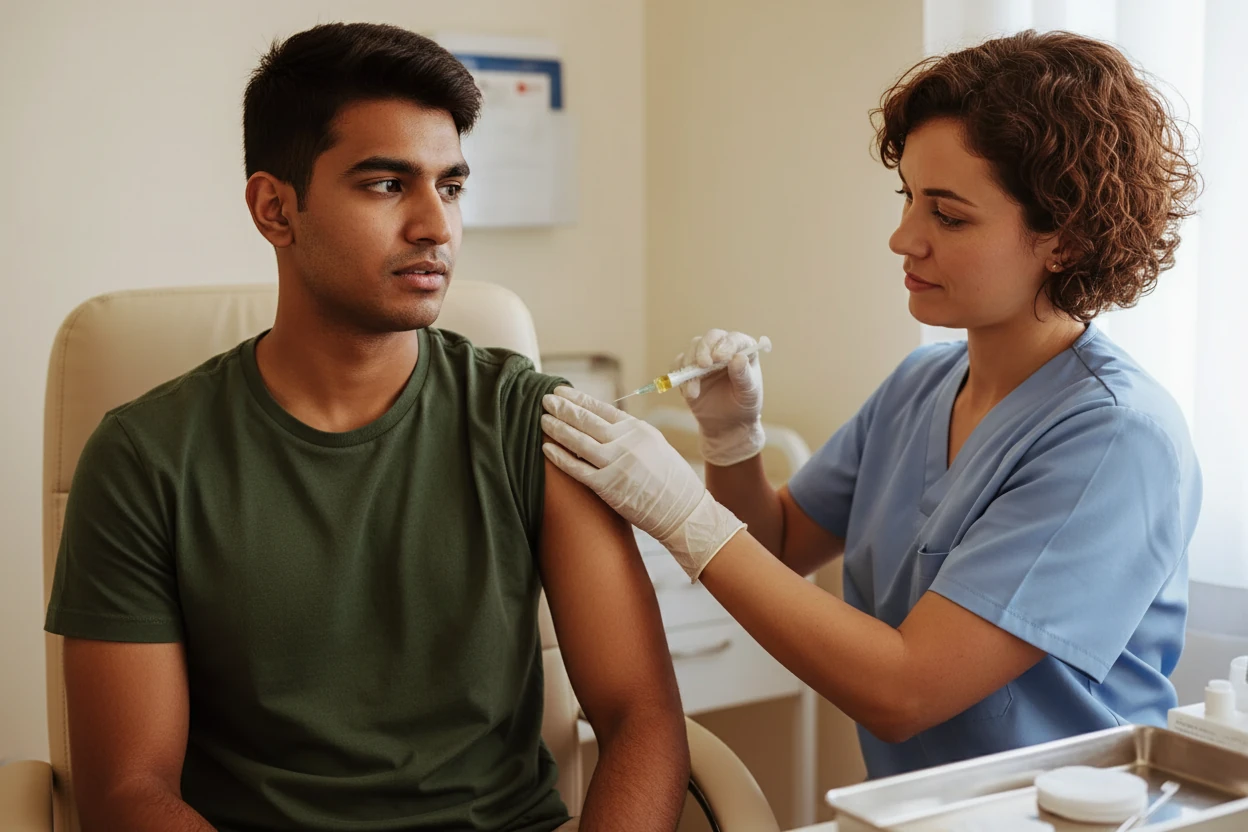
Vaccination remains the most effective way to protect against severe illness from covid-test-accuracy-for-eg5-and-ba286-variantscovid-test-accuracy-for-eg5-and-ba286-variants">COVID-19 and influenza. Both vaccines help reduce hospitalizations and serious complications, especially in vulnerable groups12. While it is safe and convenient to receive both vaccines at the same visit, timing can influence how well the immune system responds and how long protection lasts34. Understanding the benefits of spacing vaccinations, combined administration, and individual timing can help optimize protection during respiratory virus seasons.
Benefits of Spacing Vaccinations
Spacing COVID-19 and influenza vaccines can help optimize immune responses and align protection with seasonal virus activity. Influenza vaccine effectiveness declines over time, with infection odds increasing by about 16% every 28 days after vaccination3. This waning immunity means that getting the flu shot closer to the peak flu season, typically December through February, can maximize its protective effect56. Similarly, COVID-19 booster doses are recommended in the fall to coincide with increased viral circulation and to maintain immunity as it wanes34.
Older adults and individuals with comorbidities are at increased risk for severe outcomes including hospitalization and death from respiratory viruses. Optimal timing of vaccination depends on risk factors such as age and comorbidities, waning vaccine effectiveness, and seasonal pathogen burden17.
The immune system typically reaches peak antibody levels about two weeks after vaccination, followed by a gradual decline567. Timing vaccines to allow this peak to occur during periods of highest virus exposure can improve protection. Some experts suggest spacing the COVID-19 and flu vaccines to optimize this timing, although co-administration remains safe and effective489.
Key factors supporting spaced vaccination include:
- Influenza vaccine effectiveness wanes over the months following immunization35.
- COVID-19 boosters are timed to boost immunity ahead of expected fall and winter surges4.
- Delaying flu vaccination until early fall or just before peak season can enhance vaccine impact56.
- Vaccine-induced immunity decreases over time, supporting timely booster doses for both viruses1011.
- Spacing vaccines may help align immune responses with seasonal virus patterns45.
Combined COVID and Flu Vaccination
Receiving COVID-19 and influenza vaccines simultaneously is safe, effective, and convenient. Health authorities endorse co-administration to improve vaccine uptake and reduce missed opportunities for protection8913. Studies show no significant immune interference or safety concerns when vaccines are given together, and antibody responses remain robust8914.
The practical benefits of combined vaccination include:
When the COVID-19 vaccines were first approved, the recommendation was to not get a vaccine two weeks before or after another vaccine to avoid confusing adverse reactions. However, with extensive experience now, it is considered safe to receive a flu shot and a COVID-19 vaccine during the same visit12.
- Reducing the number of healthcare visits and associated disruptions813.
- Improving adherence and overall vaccine coverage813.
- Minimizing missed vaccination opportunities813.
- Allowing timely protection amid unpredictable virus surges813.
- Safe administration with injections given at separate sites on the body15.
Clinical trials and real-world data confirm that co-administration does not compromise safety or immune response. Mild side effects such as fatigue, headache, or muscle aches may occur slightly more often but are generally short-lived15. Additionally, co-administration of COVID-19, influenza, and respiratory syncytial virus (RSV) vaccines has shown acceptable safety and immunogenicity profiles in older adults1.
| Vaccine Combination | Safety Profile | Immune Response | References |
|---|---|---|---|
| COVID-19 + Influenza | No significant concerns | Comparable antibody levels | 8914 |
| COVID-19 + Influenza + RSV | Acceptable safety | Effective immunogenicity | 1 |
| Influenza + RSV | Mild injection site reactions | Similar to separate doses | 151 |
Individual Vaccination Timelines
Optimal vaccination timing varies by individual factors such as recent infection history, health status, exposure risk, and personal preference. The unpredictability of respiratory virus surges complicates decisions on when to vaccinate34. For example, influenza seasons can vary in timing and intensity, sometimes peaking earlier or later than usual34. The Southern Hemisphere’s early and severe flu seasons often serve as predictors for Northern Hemisphere trends, highlighting the need for flexible vaccination strategies34.
Booster effectiveness improves when spaced appropriately from prior infection or vaccination. A minimum interval of 2-3 months is commonly recommended, with up to six months suggested to optimize immune memory and long-term protection31011. Individuals recently infected with COVID-19 are advised to delay booster doses to allow immune response maturation1011.
The immune response to vaccination takes about two weeks to develop and peaks around one month after vaccination, so planning ahead is important for maximal protection187.
Vaccination schedules should be personalized based on:
- Recent COVID-19 infection or vaccination history1011.
- Age and presence of comorbidities increasing risk for severe disease17.
- Local epidemiological surveillance and virus circulation patterns3417.
- Timing to ensure peak vaccine effectiveness aligns with periods of greatest risk17.
- Personal preferences and healthcare access considerations8915.
Simultaneous administration of COVID-19 and influenza vaccines remains a safe and effective option for most people, especially when timely protection is needed before the winter season8914.
| Factor | Recommended Timing Considerations | References |
|---|---|---|
| Recent COVID-19 infection | Delay booster 2-3 months post-infection | 1011 |
| Age ≥ 65 or comorbidities | Prioritize early fall vaccination | 1716 |
| Pregnancy | Follow trimester-specific vaccine timing | 216 |
| Local virus circulation | Adjust timing based on surveillance data | 3417 |
| Personal preference | Vaccinate when convenient, co-administration safe | 8915 |