Sexual supporting a partner with anxiety affects a significant portion of adults and can interfere with sexual satisfaction and overall well-being12. It often involves fear or worry related to sexual performance, body image, or specific sexual acts, which may lead to avoidance of sexual activity and distress12. Understanding the nature of anxiety and its impact on sexual health is essential for effective management and improving intimate relationships34.
Understanding Anxiety
Anxiety disorders are among the most common mental health conditions worldwide, characterized by excessive fear and anxiety along with related behavioral disturbances5. Symptoms of anxiety include feelings of nervousness, restlessness, or tension that can be acute or chronic6. Anxiety affects cognition, behavior, and physical health, often leading to avoidance behaviors that interfere with daily activities56. These disruptions extend into social and sexual functioning, impacting normal life domains45.
Defining Sexual Anxiety
Sexual anxiety refers to worry or fear related to sexual activity, which can be a normal part of sexual response but becomes problematic when persistent or distressing1. It may focus on concerns about sexual performance, body image, fear of pain, or rejection1. Sexual performance anxiety specifically involves fear or worry about not satisfying a partner or difficulties with sexual function, affecting approximately 20-30% of men and women at some point2. This anxiety can disrupt the sexual response cycle at multiple stages, including desire, arousal, and orgasm3.
💡 Did You Know?
Sexual performance anxiety involves fear or worry related to sexual activity. Causes include fear of not performing well in bed, poor body image, relationship problems, and concerns about orgasm or ejaculation7.
Symptoms of Sexual Anxiety
Sexual anxiety manifests through psychological, behavioral, and physical symptoms. Common psychological symptoms include negative thoughts before or during sex, worry, and fear about sexual performance8. Behavioral symptoms often involve avoidance of sexual activity as a coping mechanism1. Physical symptoms include increased heart rate, sweating, muscle tension, and restlessness96. Sexual anxiety can impair sexual desire, arousal, orgasmic function, and lead to difficulties such as premature ejaculation, erectile dysfunction, vaginal dryness, and pain during sex38.
- Negative thoughts and fear about sexual performance8
- Difficulty achieving or maintaining an erection or lubrication78
- Premature or delayed ejaculation and difficulty orgasming8
- Physical signs like increased heart rate, sweating, and unsettled stomach98
- Avoidance of sexual activity due to anxiety1
Common Causes
Sexual anxiety arises from a complex interaction of psychological, physiological, and environmental factors. Negative cognitive patterns such as fear of performance failure and body image concerns are common psychological causes1011. Prior traumatic sexual experiences can also lead to anxiety and avoidance of sexual activity12. Physiologically, sexual anxiety triggers autonomic nervous system responses like tachycardia (rapid heartbeat), muscle tension, and sweating, which can worsen sexual dysfunction913. Exposure to pornography may create unrealistic sexual expectations, causing distress when real experiences do not match these ideals14.
- Fear of not performing well or satisfying a partner78
- Poor body image and negative self-appraisal111
- Previous negative or traumatic sexual experiences12
- Relationship problems and general stress or anxiety8
- Unrealistic sexual expectations influenced by media and pornography14
Impact on Your Sex Life
Sexual anxiety can significantly affect various aspects of sexual function and intimate relationships. It disrupts confidence, orgasmic ability, intimacy, libido, and partner communication.
Decreased Confidence
Sexual performance anxiety reduces confidence and sexual satisfaction by fostering negative self-beliefs and fear of failure11. Self-monitoring and worry during sex create cognitive distractions that impair arousal and reduce pleasure15. Low self-esteem and body image concerns further contribute to decreased confidence3.
Difficulties With Orgasm
Anxiety is linked to delayed or inhibited orgasm and decreased frequency of climax3. Cognitive distractions and physiological changes caused by anxiety interfere with genital response and orgasmic function915. Worry and rumination during sexual activity negatively impact sexual pleasure16.
Intimacy Avoidance
Sexual anxiety often leads to avoidance of sexual activity, especially in individuals with trauma histories117. This avoidance can cause relationship difficulties and reduce emotional intimacy17. Sexual Aversion Disorder (SAD) is an extreme form characterized by persistent avoidance of genital sexual contact due to fear and anxiety18.
Low Libido
Anxiety can reduce sexual desire by interfering with the sexual response cycle and causing physical symptoms such as vaginal dryness in women and erectile difficulties in men3137. Stress hormones narrow blood vessels, reducing physical desire and lubrication7.
Reduced Partner Communication
Communication barriers are common in sexual anxiety, leading to misunderstandings and increased distress3. Lack of open dialogue about sexual concerns can perpetuate anxiety and impair relationship satisfaction17.
Sexual performance anxiety is a type of performance anxiety involving fear or worry related to sexual activity, such as fear of not satisfying a partner or difficulty achieving or maintaining an erection. It can lead to problems with sexual arousal, orgasm, and satisfaction.
— Ashley Olivine, Verywell Health8
Managing Sexual Anxiety
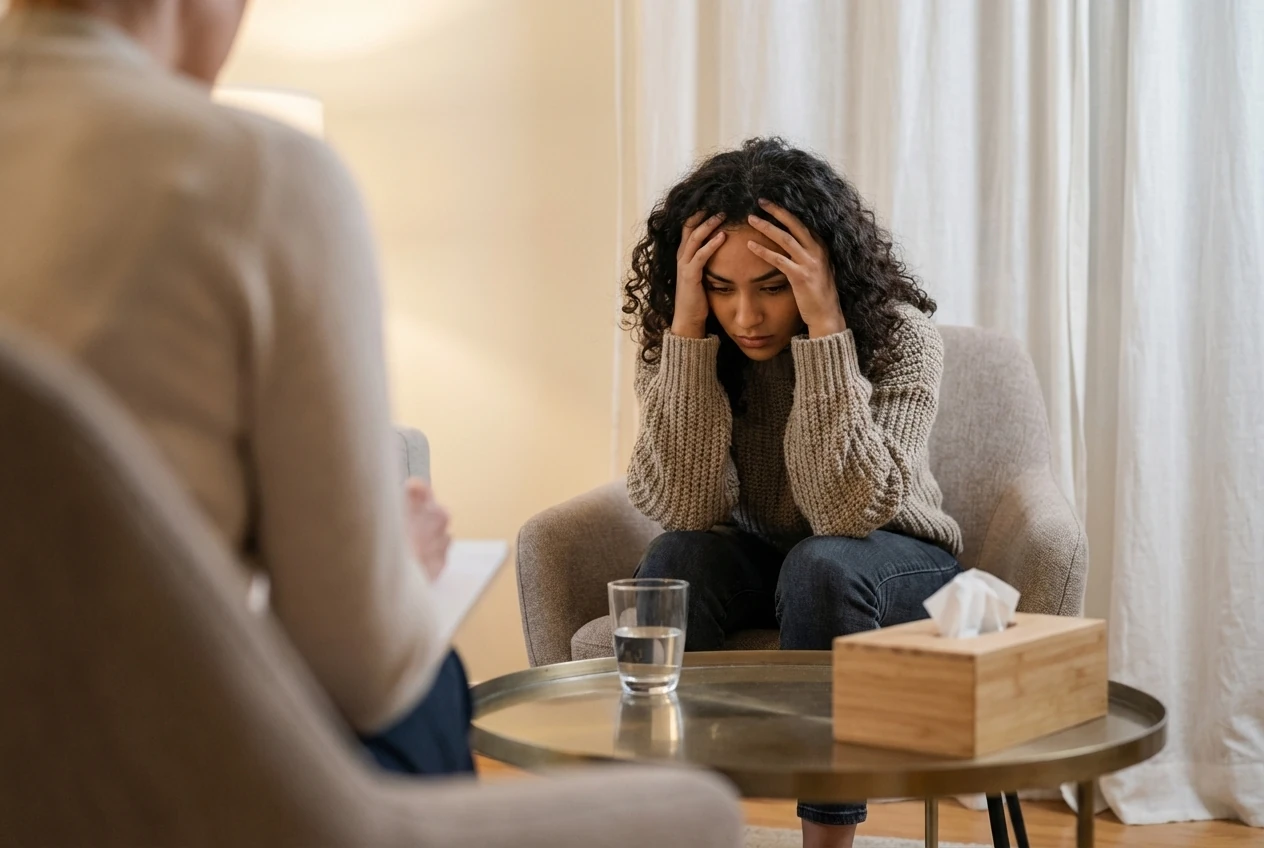
Effective management of sexual anxiety involves addressing both psychological and physiological factors. Recognizing anxiety’s impact on sexual function is essential for treatment10. Cognitive-behavioral therapy (CBT) is the most common and effective talk therapy used to reduce sexual anxiety by targeting negative beliefs and cognitive distortions108. Mindfulness practices help reduce cognitive distractions and improve present-moment awareness during sexual activity15. Relaxation techniques lower physiological arousal associated with anxiety6. Open communication with partners and professional counseling enhance coping and improve sexual satisfaction11015.
- Cognitive-behavioral therapy to challenge negative beliefs108
- Mindfulness meditation to reduce distraction and increase awareness15
- Relaxation methods to reduce physiological symptoms6
- Open communication with partners to enhance intimacy13
- Professional counseling for personalized treatment10
Psychotherapy, particularly cognitive behavioral therapy (CBT), is the primary treatment for sexual performance anxiety in both men and women.
— Ashley Olivine, Verywell Health8
How to Support a Partner
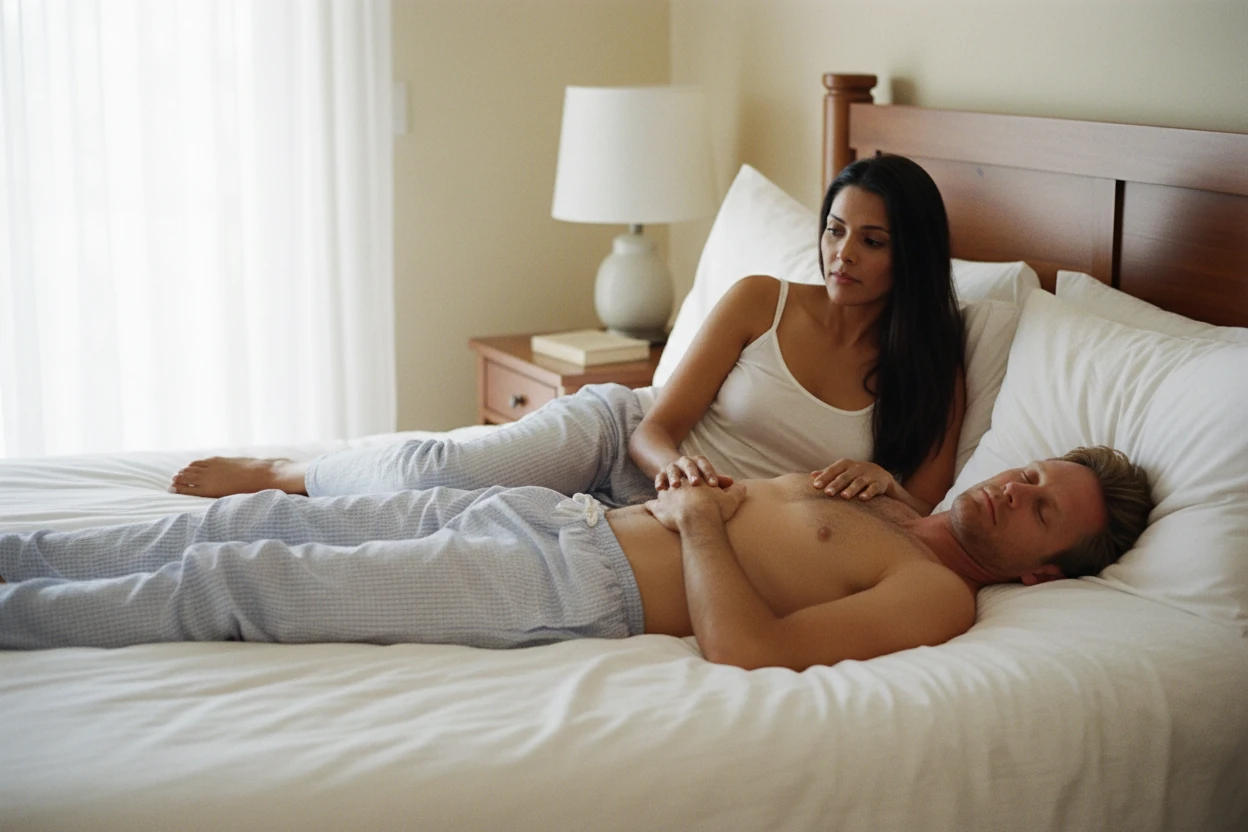
Supporting someone with sexual anxiety requires patience, understanding, and open communication. Encouraging open dialogue about sexual concerns reduces distress and builds emotional safety17. Focusing on intimacy rather than performance helps rebuild confidence and reduces pressure13. Expressing emotions related to sexual worries fosters connection and reduces anxiety17. Engaging in mutually enjoyable sexual activities without pressure supports gradual recovery1. Professional counseling can be encouraged when anxiety significantly impacts the relationship10.
- Encourage open and honest communication117
- Focus on intimacy and connection over performance317
- Be patient and avoid pressure or criticism17
- Share emotions and concerns to reduce distress17
- Support seeking professional help if needed10
Key Takeaways
- Sexual anxiety involves fear or worry related to sexual activity and affects a significant minority of adults12.
- It disrupts sexual desire, arousal, orgasm, and satisfaction through psychological and physiological mechanisms39.
- Common causes include negative self-appraisal, traumatic experiences, relationship issues, and unrealistic expectations121114.
- Effective management includes cognitive-behavioral therapy, mindfulness, relaxation techniques, and open partner communication11015.
- Partner support, patience, and focusing on intimacy are vital for recovery and improving sexual well-being117.