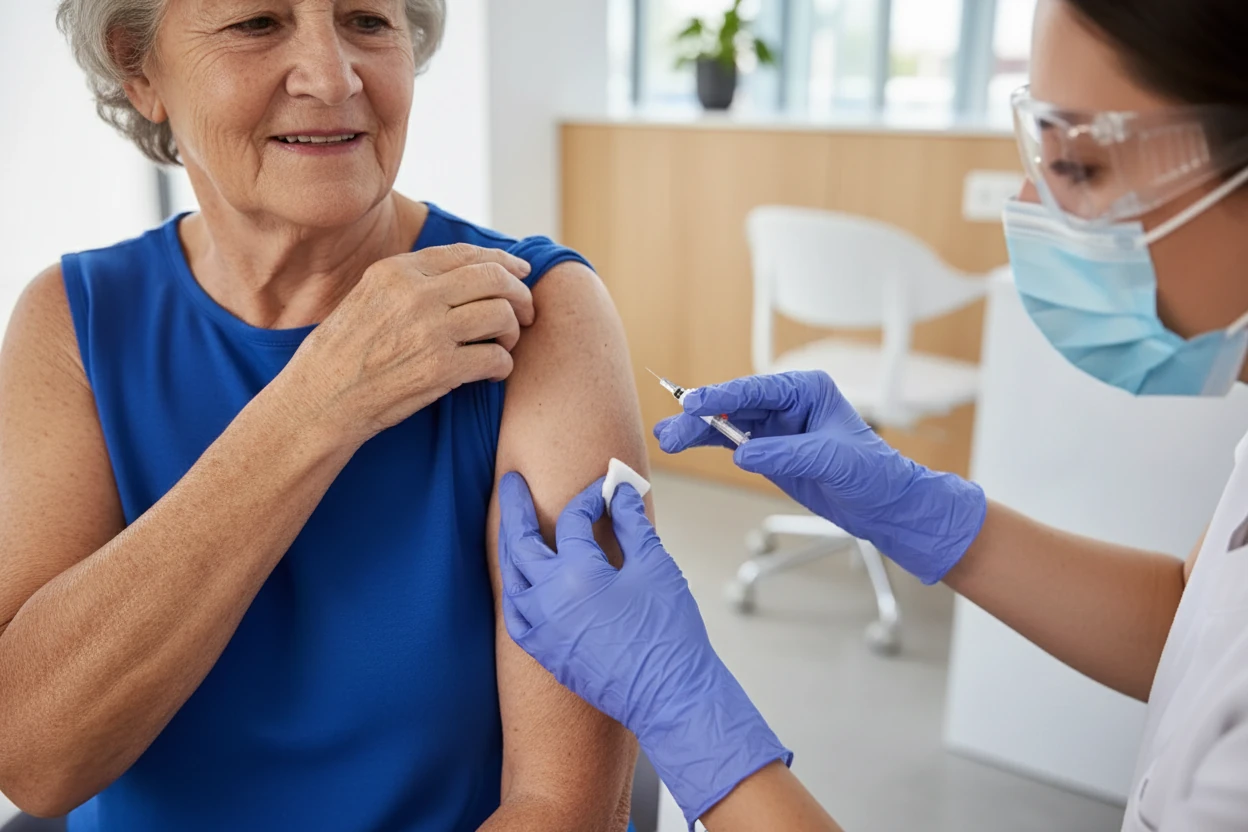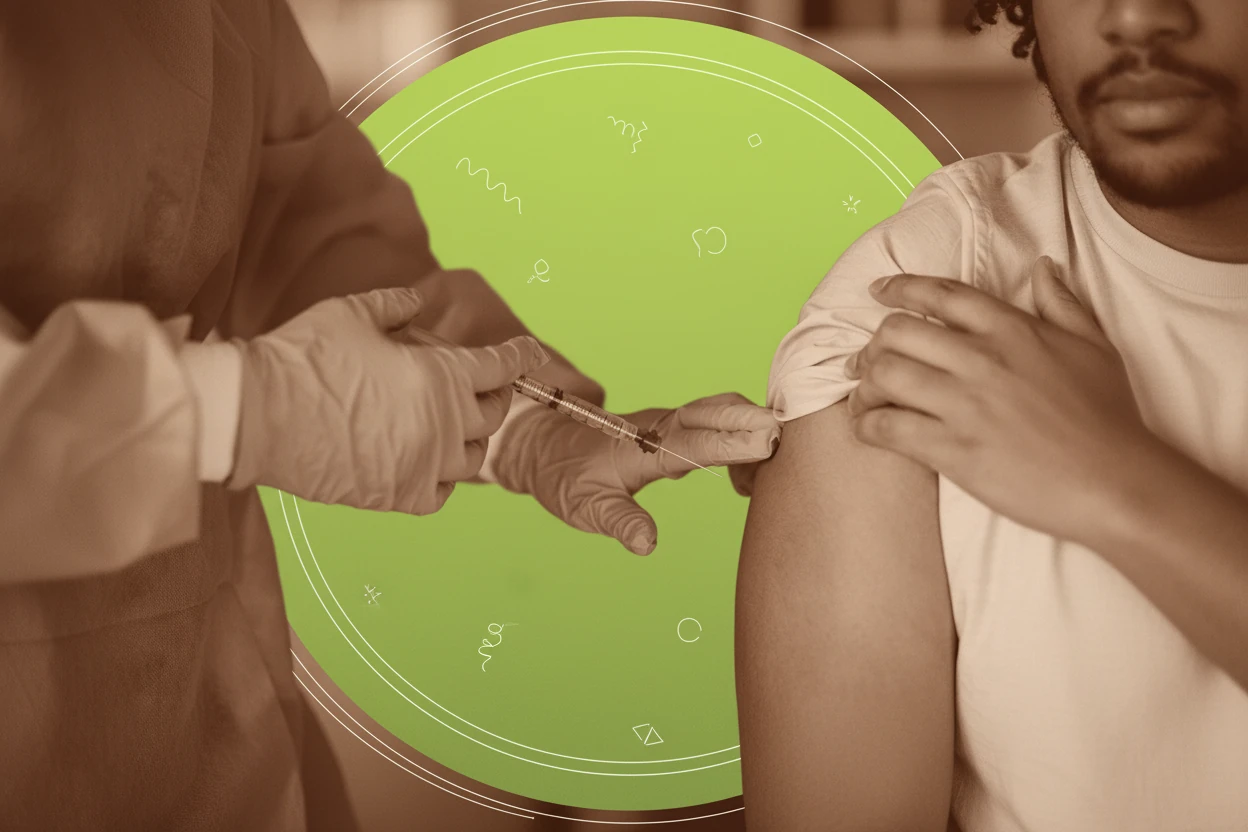
Despite widespread vaccination efforts, COVID-19 continues to circulate year-round, posing ongoing risks, especially to older adults and immunocompromised individuals1. Updated vaccines for the 2024–2025 season are designed to enhance protection against currently circulating variants and reduce severe outcomes such as hospitalization and death1. Understanding who is eligible for second booster doses and the availability of these updated vaccines is crucial for maintaining public health and individual safety2.
“Paxlovid works. It assists in reducing the chance of your illness evolving into something serious enough to require hospitalization.”
— William Schaffner, MD, Vanderbilt University School of Medicine2
New Bivalent COVID Vaccines Coming This Fall
Bivalent COVID-19 vaccines, which target both the original SARS-CoV-2 strain and Omicron variants, are expected to be widely available this fall in the United States345. These updated vaccines aim to restore waning immunity and broaden protection against emerging variants, including the Omicron BA.4 and BA.5 subvariants345. The process of updating COVID-19 vaccines is comparable to the annual updates made for influenza vaccines, reflecting the need to adapt to evolving viral strains345.
Two major manufacturers have developed bivalent boosters tailored to different Omicron subvariants. Moderna’s bivalent booster targets the ancestral SARS-CoV-2 strain and the Omicron BA.4/BA.5 subvariants345, while Pfizer’s bivalent booster is designed to protect against the original strain and the Omicron BA.1 subvariant345. The United Kingdom has authorized a bivalent booster targeting the original strain and the first Omicron variant, with evidence suggesting protection extends to BA.4 and BA.5345.
The U.S. Food and Drug Administration (FDA) has announced that these bivalent booster doses will be available starting in the fall, with substantial quantities procured for distribution345. These vaccines are recommended for persons aged 12 years and older who have completed at least a monovalent primary vaccine series345. The goal is to enhance immunity as protection from earlier doses wanes and to provide broader coverage against new variants.
The Advisory Committee on Immunization Practices (ACIP) recently recommended that all adults aged 65 years and older, as well as persons aged 6 months and older with moderate or severe immunocompromise, receive a second dose of the 2024–2025 COVID-19 vaccine six months after their previous dose1. Additionally, persons with moderate or severe immunocompromise may receive additional doses based on shared clinical decision-making with their healthcare provider1. This approach allows flexibility to time vaccinations around immunosuppressive treatments or periods of increased exposure risk1.
💡 Did You Know?
The CDC recommends that persons aged 6 months and older with moderate or severe immunocompromise may receive additional COVID-19 vaccine doses beyond the standard two, guided by shared clinical decision-making with their healthcare provider1.
| Vaccine Manufacturer | Targeted Strains/Subvariants | Eligible Age Group | Availability Timeline |
|---|---|---|---|
| Moderna | Original strain + Omicron BA.4/BA.5 | ≥6 months | Fall 2024 |
| Pfizer-BioNTech | Original strain + Omicron BA.1 | ≥6 months | Fall 2024 |
| Novavax | Original strain (protein subunit) | ≥12 years | Fall 2024 |
| Sources:345617 | |||
The availability of these updated vaccines is expected to improve protection against currently circulating variants and reduce the risk of severe COVID-19 outcomes, including hospitalization and critical illness46. Public health officials emphasize the importance of receiving these boosters, especially for high-risk populations, to mitigate the impact of COVID-19 during the upcoming respiratory illness season1.
Current Protection From Three Vaccine Doses
“Vaccines, year in and year out, have been shown to have a substantial impact in keeping people out of the hospital, even when the vaccinations aren’t a good match with circulating strains.”
— William Schaffner, MD, Vanderbilt University School of Medicine2
Protection from COVID-19 vaccines, including against infection and severe disease, diminishes over time, with significant waning observed 5 to 8 months after completing the primary immunization series8910. Booster doses are therefore recommended for all persons aged 12 years and older to maintain immunity, particularly against emerging variants345.
Evidence shows that receiving a third mRNA vaccine dose substantially increases protection against COVID-19–associated emergency department visits and hospitalizations among immunocompetent adults111213. For example, against the Omicron BA.1 variant, two mRNA doses provided approximately 61% effectiveness, whereas three doses increased effectiveness to between 85% and 92%111213. Similarly, for the BA.2 and BA.2.12.1 Omicron variants, two doses offered 24% effectiveness, while three doses raised protection to 52%–69%111213.
Adults aged 50 years and older, as well as moderately or severely immunocompromised individuals, became eligible for a second booster dose as early as March 2022 to sustain protection151617. The timing of booster doses is critical; evidence suggests that longer intervals between boosters can lead to more robust immune responses, while administering a booster too soon after a previous dose may not provide additional benefit8910. The optimal timing for a booster is when vaccine-induced immunity begins to decline8910.
Public health officials acknowledge that vaccine fatigue and confusion about booster recommendations can negatively impact uptake8910. Clear communication and guidance are essential to encourage eligible individuals to receive booster doses.
- Adults aged 65 years and older are recommended to receive a second dose of the 2024–2025 COVID-19 vaccine six months after their last dose1.
- Persons aged 6 months and older with moderate or severe immunocompromise should receive at least two doses of the 2024–2025 COVID-19 vaccine, with the second dose administered six months after the first1.
- Additional doses beyond two may be considered for immunocompromised individuals based on shared clinical decision-making with healthcare providers1.
- The minimum interval between booster doses can be as short as two months to allow flexibility based on individual risk and circumstances1.
-
Persons who recently had COVID-19 may delay vaccination for up to three months after symptom onset or a positive test, depending on risk factors7.
-
Booster doses restore waning immunity and increase protection against severe COVID-19 outcomes such as hospitalization and death111213.
- Receiving a third dose significantly improves vaccine effectiveness against Omicron subvariants compared to two doses111213.
- Booster doses also reduce the duration of infectiousness, helping to protect others in the community19.
- Immunocompromised individuals benefit from additional doses to achieve adequate immune responses1.
- Timely booster vaccination is a safer and more reliable way to build protection than relying on natural infection7.