covid-test-accuracy-for-eg5-and-ba286-variants">covid-test-accuracy-for-eg5-and-ba286-variants">COVID-19 vaccine protection decreases over time, especially in older adults and immunocompromised individuals, necessitating additional booster doses to maintain immunity12. The Centers for Disease Control and Prevention (CDC) recommends updated COVID-19 vaccination for most adults, with special guidance for those at higher risk of severe disease34. Understanding eligibility, timing, and safety of additional bivalent boosters is essential for informed vaccination decisions56.
Who is Eligible for an Additional Bivalent COVID-19 Booster Shot?
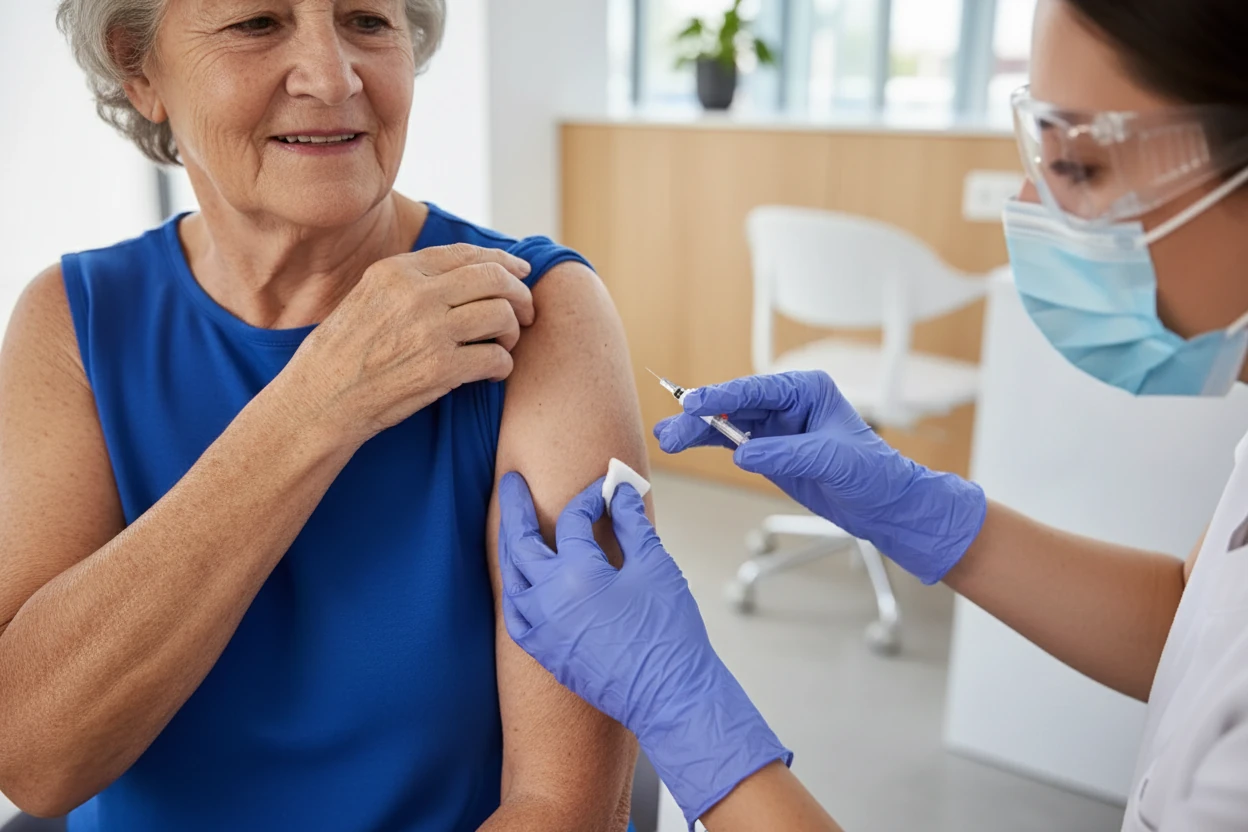
The Advisory Committee on Immunization Practices (ACIP) recommends updated COVID-19 vaccination for all persons aged 6 months and older7. However, additional booster doses are specifically advised for adults aged 65 years and older and for individuals with moderate or severe immunocompromise to enhance protection against circulating SARS-CoV-2 variants and severe disease57.
“This vote allows people to make the best decisions possible to keep themselves and their loved ones safe from COVID-19. CDC will continue to educate the public on how and when to get their updated vaccinations so they can risk less severe illness and do more of what they love.”
— Dr. Mandy Cohen, Centers for Disease Control and Prevention (CDC)23
Key eligibility criteria include:
- Adults aged 65 years and older should receive a second dose of the 2024–2025 COVID-19 vaccine at least 6 months after their previous dose, with a minimum interval of 2 months allowed based on individual risk574.
- Persons aged 6 months and older with moderate or severe immunocompromise may receive a second dose of the 2024–2025 COVID-19 vaccine 6 months after their last dose, with a minimum interval of 2 months; additional doses beyond two may be given based on shared clinical decision-making54.
- For immunocompromised individuals, shared clinical decision-making allows flexibility in timing and number of doses, guided by healthcare providers considering personal risk factors and circumstances54.
- Non-mRNA vaccines, such as Novavax (protein subunit) and Janssen (adenovirus vector), remain authorized alternatives for those with contraindications to mRNA vaccines894.
- Healthcare providers play a crucial role in advising patients on appropriate booster timing and vaccine type based on medical history107.
Vaccination schedules vary depending on prior vaccine history and immune status, with unvaccinated individuals or those who received non-mRNA vaccines requiring tailored dosing intervals4.
Should You Get a Second Bivalent COVID-19 Booster? Key Considerations
COVID-19 vaccine effectiveness wanes over time, particularly several months after booster administration, leading to increased susceptibility to infection and severe outcomes12. This decline is more pronounced in older adults and immunocompromised persons, who are prioritized for additional booster doses to sustain immunity111.
COVID-19 vaccines, including bivalent boosters, have been administered safely to hundreds of millions of people in the U.S., with ongoing monitoring ensuring prompt detection and investigation of any rare adverse events1822.
Skipping a recommended second bivalent booster can result in diminished immunity and a higher risk of COVID-19 infection, hospitalization, and death12213. Mortality rates are significantly higher among unvaccinated older adults compared to those who received bivalent boosters1413. The analogy of waning immunity to fading paint highlights the need for periodic booster doses to maintain immune defense15.
Key points to consider:
- Vaccine effectiveness against symptomatic infection and severe disease decreases over months, necessitating additional doses for sustained protection12.
- Immunocompromised individuals and older adults benefit from booster doses that restore waning immunity and reduce risk of severe COVID-19 outcomes1611.
- Booster doses help protect against currently circulating variants and reduce the risk of Long COVID53.
- Shared clinical decision-making allows immunocompromised persons to receive additional doses based on clinical judgment and personal preference54.
- Despite availability, booster uptake remains low, with only about 43% of adults aged 65 and older having received a bivalent booster617.
Safety Profile of Multiple Bivalent COVID-19 Vaccinations & Boosters
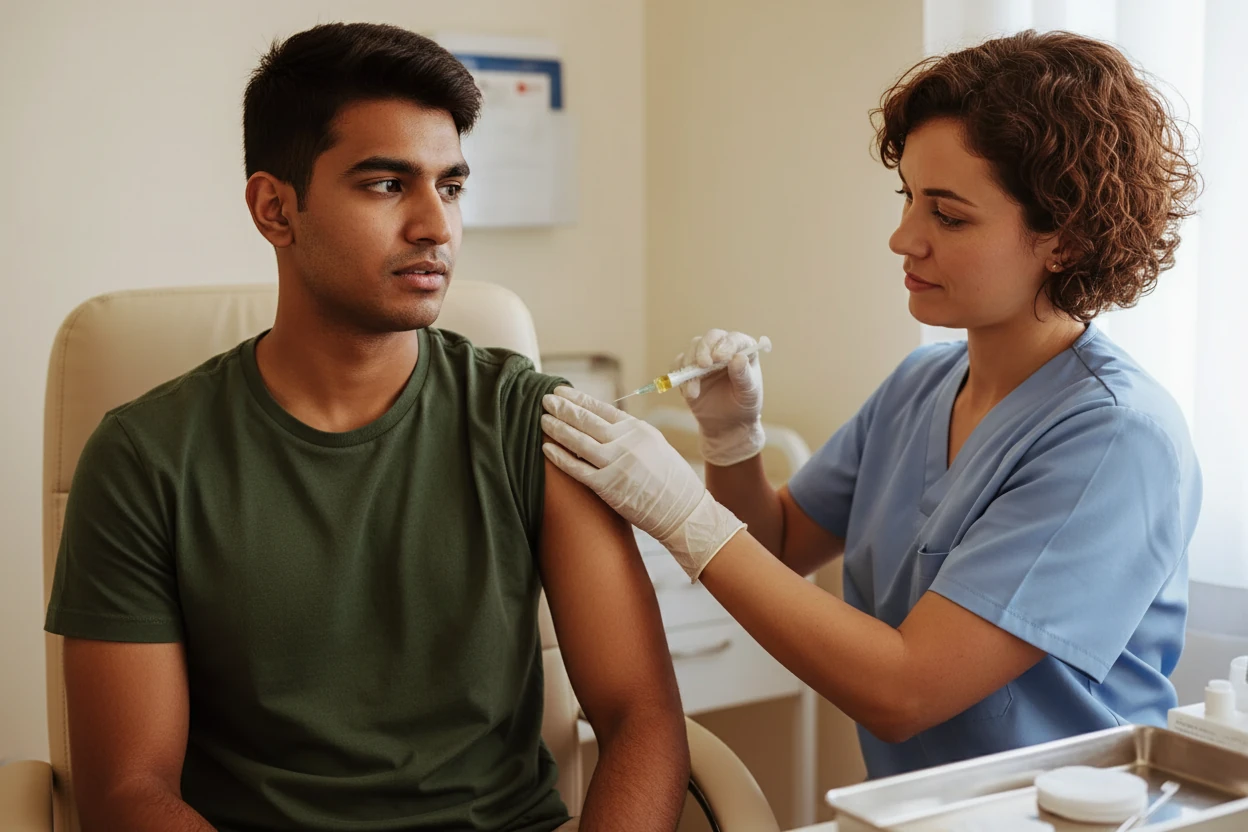
Extensive safety monitoring of millions of COVID-19 vaccine doses, including bivalent boosters, confirms a strong safety profile with mostly mild and transient side effects1819. Serious adverse events are rare and are thoroughly investigated through surveillance systems such as the Vaccine Adverse Event Reporting System (VAERS) and v-safe1819.
The safety profile of bivalent boosters is consistent with previous COVID-19 vaccine doses, supporting their use in older adults and immunocompromised individuals1820.
Common side effects include:
- Injection site reactions such as pain and swelling, which are the most frequently reported1618.
- Systemic symptoms like fatigue, headache, and fever, generally mild and short-lived1618.
- Severe adverse events are uncommon and not necessarily causally related to vaccination1819.
The bivalent vaccines are designed to provide broader immunity by targeting both the ancestral SARS-CoV-2 strain and Omicron subvariants BA.4 and BA.5, similar to the rationale behind annual influenza vaccination82021. This approach aims to maintain population-level protection as the virus evolves2021.
Healthcare providers should reassure patients about the safety of additional booster doses, especially in high-risk groups, and encourage vaccination to sustain immunity1018.